For more information about senior living options: (866) 208-4318
3.6 from 42 reviews
5 stars
21
4 stars
8
3 stars
1
2 stars
1
1 stars
11
Overall Review of Bryan Center
caveat8 reviews mention this
Care quality is mixed
Several residents and families describe serious care missteps and inconsistent follow-through.
Some reviewers report problems that go beyond ordinary frustrations, including medication and discharge communication issues and episodes they describe as neglectful care. Others describe hygiene and care tasks not being addressed in a timely way. A few also mention falls or unsafe experiences during rehab. While other families say care is dependable, the negative accounts are strong and detailed enough that this appears to be a recurring concern for some households.
caveat7 reviews mention this
Cleanliness and upkeep concerns
Multiple reviewers raise concerns about cleanliness, odors, and basic upkeep.
Several negative reviews describe sticky or dirty hallways and rooms, along with unpleasant odors. Others mention laundry and care item cleanliness issues, including bed linens not being changed and visible problems noted during visits. One reviewer also says only minor changes were made after new ownership, despite improvements like cleaning floors. Positive reviews exist, but cleanliness appears to be a recurring point of disagreement in the feedback.
common17 reviews mention this
Staff are described as kind
Residents and families frequently describe staff as welcoming, caring, and helpful.
Across many reviews, families describe staff who are friendly, patient, and supportiveā€”someone they felt comfortable relying on for care and day-to-day needs. Several say the team treated visitors with respect and made them feel cared for as well. Some reviewers also highlight nursing and therapy teamwork as dependable when family members need assistance. Even among the more critical reviews, a subset of comments still acknowledges helpful individuals, suggesting experiences can vary by situation and unit.
common4 reviews mention this
Rehab and therapy get praise
Therapy is highlighted as a meaningful part of the experience for some families.
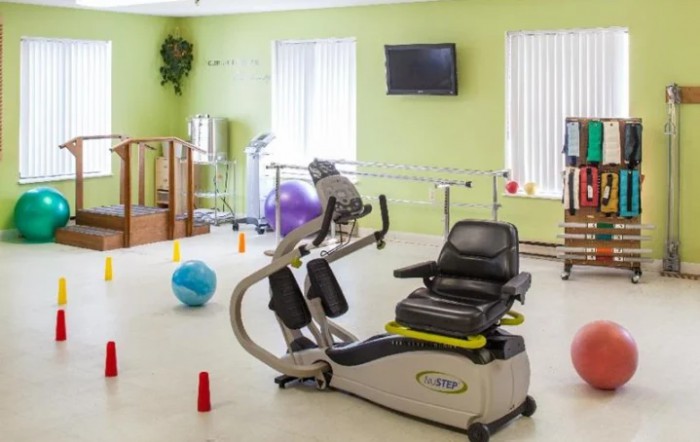
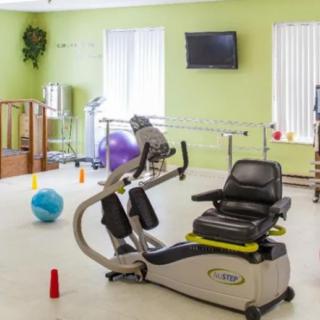
A number of reviews specifically call out therapy quality, describing it as excellent or a strong department. Some families say their loved ones were improving and thriving over time after starting therapy. At the same time, a few critical reviews describe negative therapy experiences, including concerns during physical therapy sessions. Taken together, therapy appears to be both a strength for some and a concern for others.
common2 reviews mention this
Facility updates are mentioned
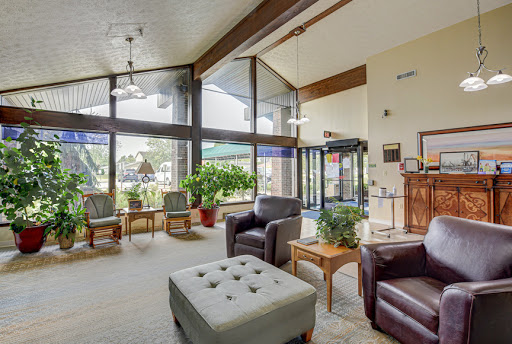
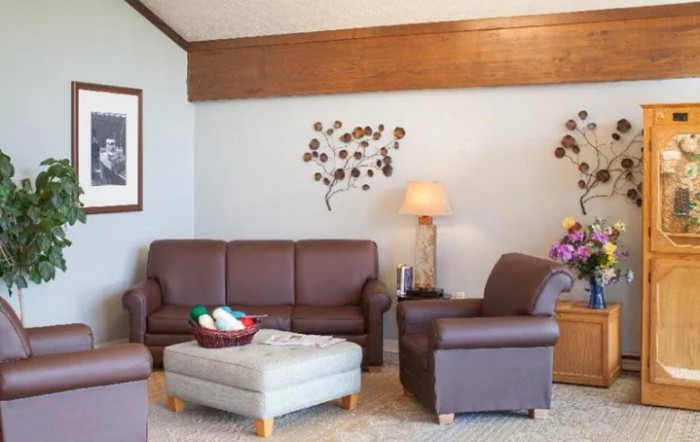
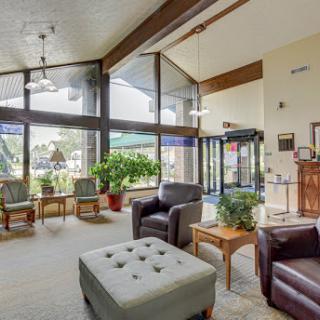
Reviewers mention changes to shared spaces, including a renovated lobby area.
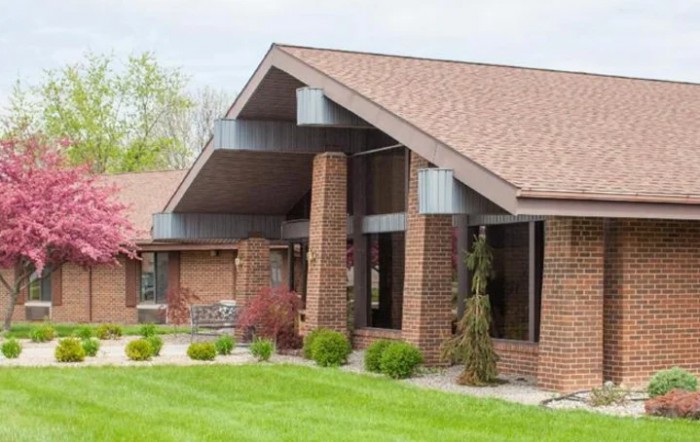
One reviewer highlights a remodeled lobby and front nursing station as visually improved. Another describes limited improvements such as fresh paint and basic cleaning after ownership changes, while still expressing dissatisfaction with deeper day-to-day operations. The feedback suggests visible updates may be happening, but they do not fully resolve concerns for everyone.
How we summarize
Counts show how many written reviews mention each theme; a review can touch several themes, and only frequently mentioned themes are displayed.
Features
Housing
159 resident community capacity
Types of Care
Skilled Nursing Facility
Amenities
Air-conditioning
Beauty salon
Cable or satellite TV
Computer center
Dining room
Fitness room
Fully furnished
Gaming room
Garden
Housekeeping services
Kitchenette
Move-in coordination
Outdoor space
Private bathrooms
Restaurant-style dining
Small library
Telephone
Wellness center
Wi-Fi/high-speed internet available
Transportation
Community operated transportation
Transportation arrangement
Transportation arrangement (non-medical)
Transportation to doctors appointments
Care Services
12-16 hour nursing
24-hour call system
24-hour supervision
Activities of daily living assistance
Assistance with bathing
Assistance with dressing
Assistance with transfers
Diabetes diet
Meal preparation and service
Medication management
Mental wellness program
Special dietary restrictions
Dining
Diabetes diet
Special dietary restrictions
Activities
Community-sponsored activities
Concierge services
Fitness programs
Planned day trips
Resident-run activities
Scheduled daily activities
Nearby Places of Interest
Hospitals
Hhc Nwohio (0 miles)
Community Hospitals & Wellness Centers (1 miles)
Montpelier Hospital (9 miles)
Community Hospitals & Wellness Centers (9 miles)
Take Time for Yourself (9.2 miles)
Ennen Phil - Archbold Hospital (13.3 miles)
Community Hospitals & Wellness Centers (13.3 miles)
Places of Worship
First Assembly of God (0.1 miles)
Wesley United Methodist Church (0.2 miles)
St Michael's Catholic Church (1.6 miles)
Southern Baptist Convention (2 miles)
Union Chapel Church of God (5.1 miles)
Ney United Methodist Church (5.9 miles)
Zion Lutheran Church (7.7 miles)
Restaurants
Eric's All American Ice Cream (0.1 miles)
Taco Bell (0.8 miles)
El Marichis (0.8 miles)
Debbies Dairy Freeze (0.8 miles)
McDonald's (0.8 miles)
Sonic Drive-In (0.9 miles)
Father John's Microbrewery (1 miles)
Parks
Day In The Park (0.4 miles)
Imagination Station (0.5 miles)
Central Park (0.7 miles)
Garver Park (0.8 miles)
East End Park (2.1 miles)
Montpelier Memorial Park (8 miles)
Montpelier Park Department (8.1 miles)
Pharmacies
Rite Aid (0.8 miles)
Walgreens (1 miles)
Walmart Pharmacy (1 miles)
CVS Pharmacy (1 miles)
Ringer's Drug Store (1.2 miles)
Village Apothecary (4.7 miles)
Rings Pharmacy (8.9 miles)
Physicians
Miracle-Ear Hearing Aid Service Center (0.9 miles)
Bryan Eye Center (0.9 miles)
CHWC Pain Management Clinic (1 miles)
Lawrence Kennedy, MD (1 miles)
Parkview Physicians Group - Colon & Rectal Surgery (1 miles)
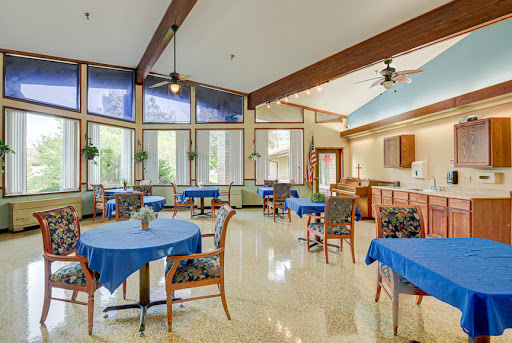
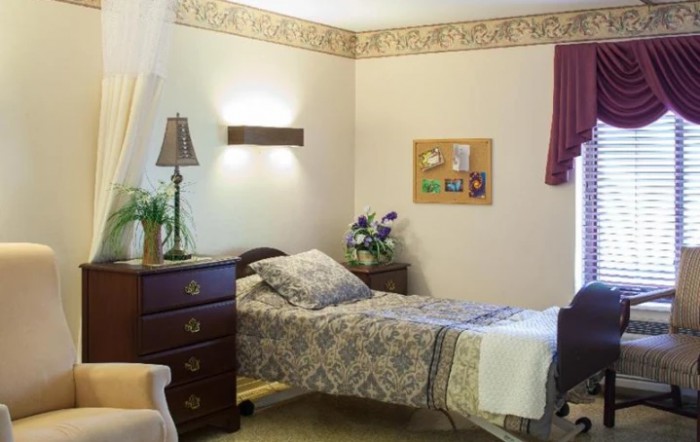
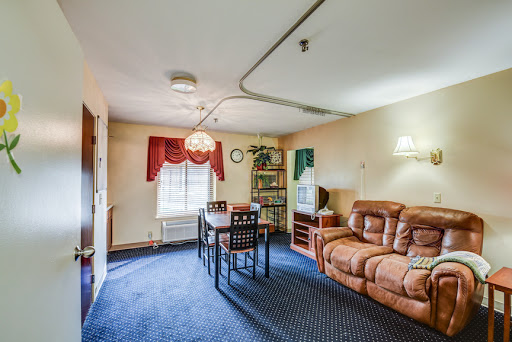
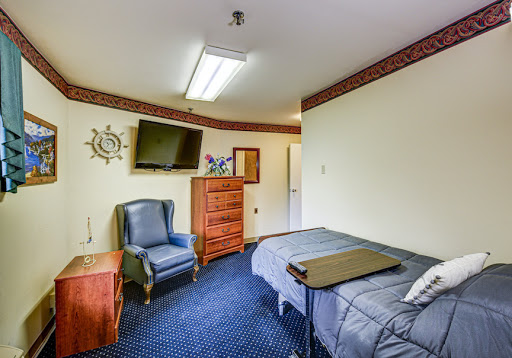
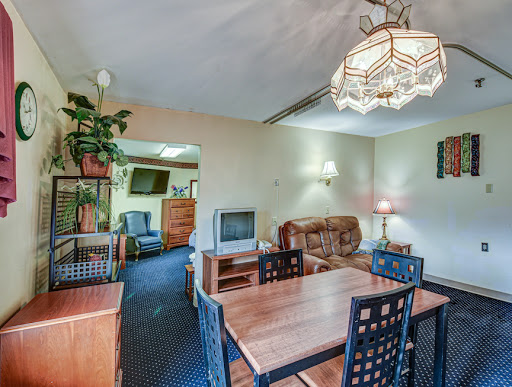
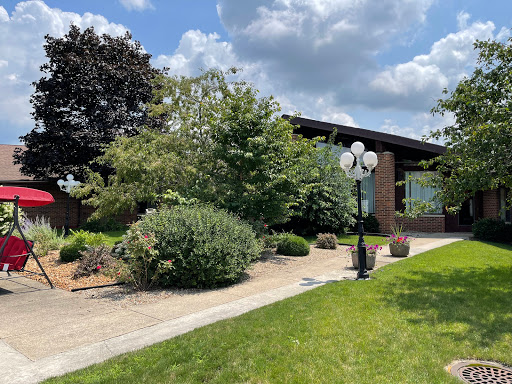
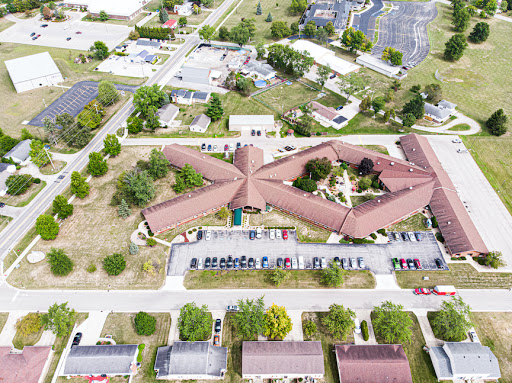
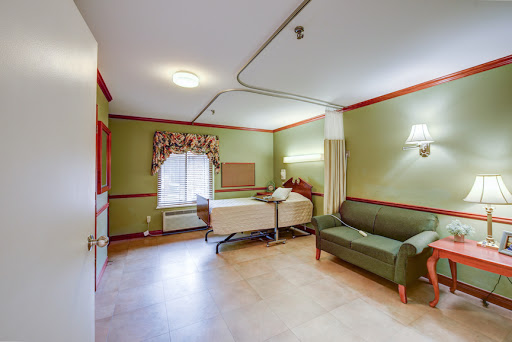
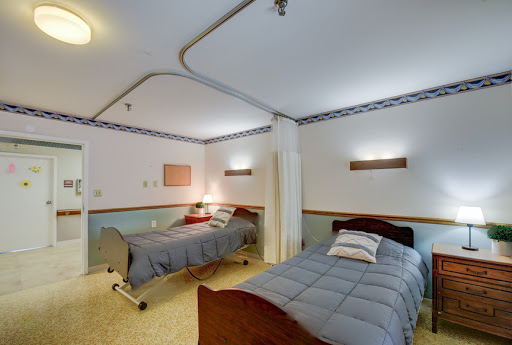
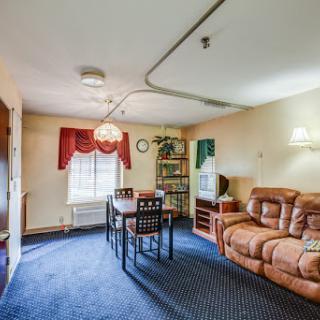
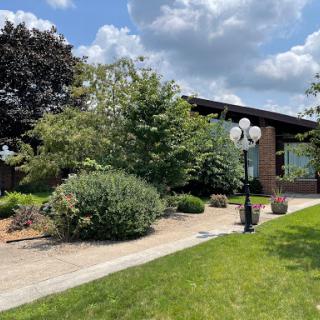
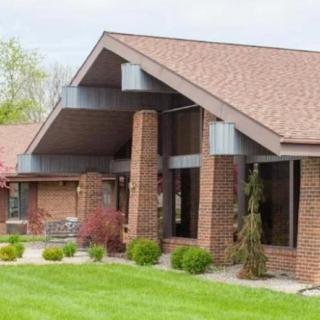
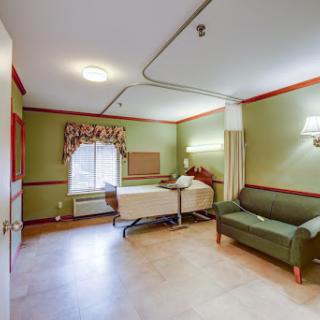
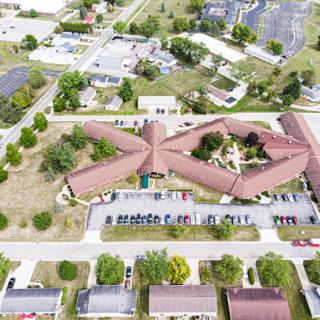
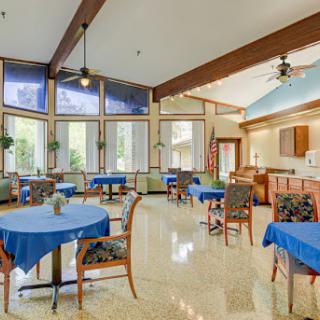
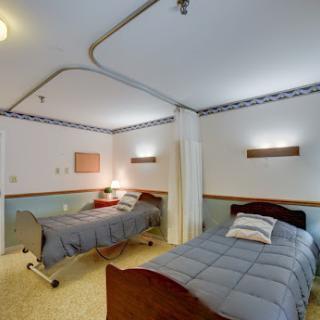
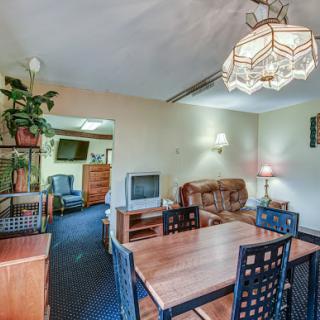
Bryan Center on seniors.fyi includes 13 photos including images showing interior, bedroom, landscaping, living room, decor, dining, natural light, healthcare, and more.
Nearby Communities
Fountain Park
Bryan, OH
4.4 from 5 reviews
$1,085 to $3,315 / month
Friendly staff and active, well-maintained environment that supports independence.
Fountain Park
Bryan, OH
4.1 from 33 reviews
Responsive staff, strong level of care, clean facility, and good meals with engaging activities.
Williams Co Hillside Country
Bryan, OH
4.7 from 7 reviews
24/7 skilled care with extensive on-site amenities and services.
Evergreen Healthcare Center
Montpelier, OH
4 from 59 reviews
Fully furnished private rooms with private bathrooms, restaurant-style dining, medication management, 24-hour supervision, mental wellness program, and transportation coordination.
Park View Nursing Center
Edgerton, OH
4.3 from 40 reviews
Extensive on-site amenities and care services.
Fairlawn Haven
Archbold, OH
4.7 from 40 reviews
Integrated Independent Living and Memory Care with 24/7 supervision, memory programming, restaurant-style dining, and transportation.
GlennPark Senior Living
Defiance, OH
4.4 from 16 reviews
$2,019 to $3,668 / month
Friendly staff, engaging activities, and a bright, clean environment.
Northcrest Rehab And Nursing Center
Napoleon, OH
5 from 2 reviews
Comprehensive rehab therapies and engaging activities in a welcoming facility.
Weight training is vital for seniors to maintain muscle mass, bone density, and overall health, combating age-related declines through customized resistance exercises that enhance balance and well-being. Safe routines should start with realistic goals and proper form, while emphasizing gradual progress and consultations with healthcare providers to ensure safety and effectiveness.
The Sandwich Generation comprises adults managing the dual responsibilities of caring for aging parents and raising children, leading to significant emotional, logistical, and financial challenges. This situation is exacerbated by longer life expectancies and cultural expectations, necessitating effective coping strategies and support resources to alleviate caregiver stress and burnout.
The article highlights eight essential assistive devices that improve the independence and safety of older adults, addressing issues related to mobility, balance, vision, hearing, and dexterity. It emphasizes the importance of proper selection guided by healthcare professionals to enhance seniors' quality of life while allowing them to age in place.
Get PricingAsk A QuestionSchedule A TourContact Senior Advisor
By clicking submit, you agree to our Partner's Terms of Use. You
also consent to receive calls and texts, which may be autodialed, from our Partner. Your consent is not a condition to
using our Partner's service. Please visit our Partner's Privacy Policy for information about their privacy practices.

 159 resident community capacity
 Skilled Nursing Facility
 Air-conditioning
 Beauty salon
 Cable or satellite TV
 Computer center
 Dining room
 Fitness room
 Fully furnished
 Gaming room
 Garden
 Housekeeping services
 Kitchenette
 Move-in coordination
 Outdoor space
 Private bathrooms
 Restaurant-style dining
 Small library
 Telephone
 Wellness center
 Wi-Fi/high-speed internet available
 Community operated transportation
 12-16 hour nursing
 24-hour call system
 Activities of daily living assistance
 Assistance with bathing
 Assistance with dressing
 Assistance with transfers
 Diabetes diet
 Medication management
 Mental wellness program
 Special dietary restrictions
 Concierge services
 Planned day trips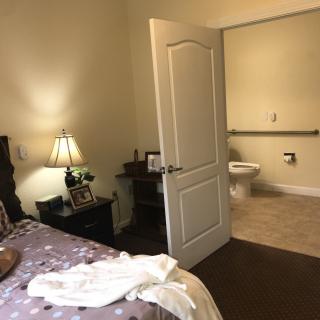
 Friendly staff and active, well-maintained environment that supports independence.



 Weight Training for Seniors: Building Strength and Vitality
 Understanding the Sandwich Generation: Stress and Responsibilities for Multigenerational Caregivers
 8 Essential Assistive Devices for Older Adults