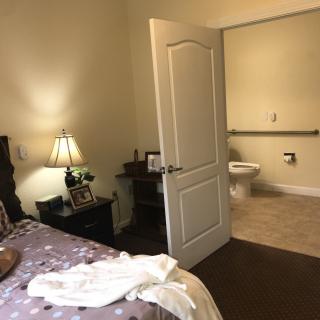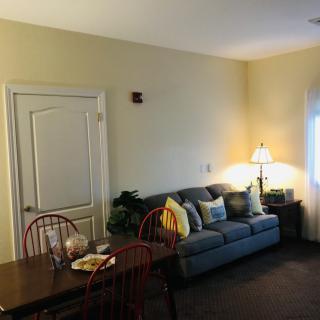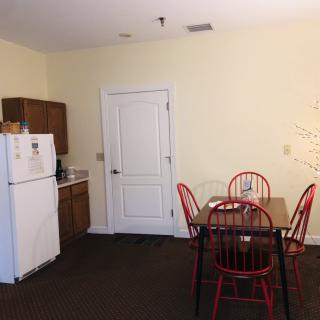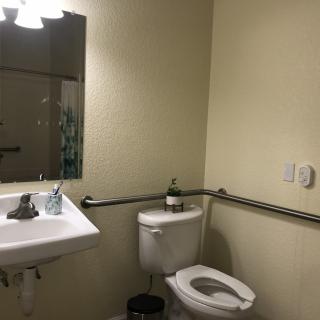
1433 North Main Street, Bryan, OH 43506
For more information about senior living options: (866) 208-4318
Fountain Park Costs & Pricing
Fountain Park offers a competitive range of monthly costs for various room types when compared to both Williams County and the broader state of Ohio. For instance, the 2-bedroom units at Fountain Park are priced at $1,085, significantly lower than the county's average of $1,777 and even more impressive against Ohio's average of $3,501. Semi-private accommodations at Fountain Park cost $1,875, again presenting an attractive option compared to Williams County's $3,558 and Ohio's average of $3,965. Studios are available for $3,210; while this is higher than both the county and state averages - $4,147 and $3,727 respectively - it does reflect a balance between amenities and location. Lastly, the 1-bedroom options are priced at $3,315 - slightly above Williams County but comparable to state figures. Overall, Fountain Park stands out as a cost-effective choice within its locality while maintaining quality living standards.
| Floor plans | Fountain Park | Williams County | Ohio |
|---|---|---|---|
| 2 Bedrooms | $1,085 | $1,777 | $3,501 |
| Semi-Private | $1,875 | $3,558 | $3,965 |
| Studio | $3,210 | $4,147 | $3,727 |
| 1 Bedroom | $3,315 | $3,308 | $3,712 |
Overall Review of Fountain Park
Pros
 They helped him maintain independence and made him feel it was okay to live alone even with a disability because they would be there to help.
- Everyone, staff and residents, had smiles and were friendly.
- The staff offered meals at a later date.
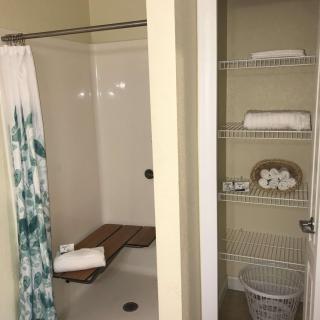
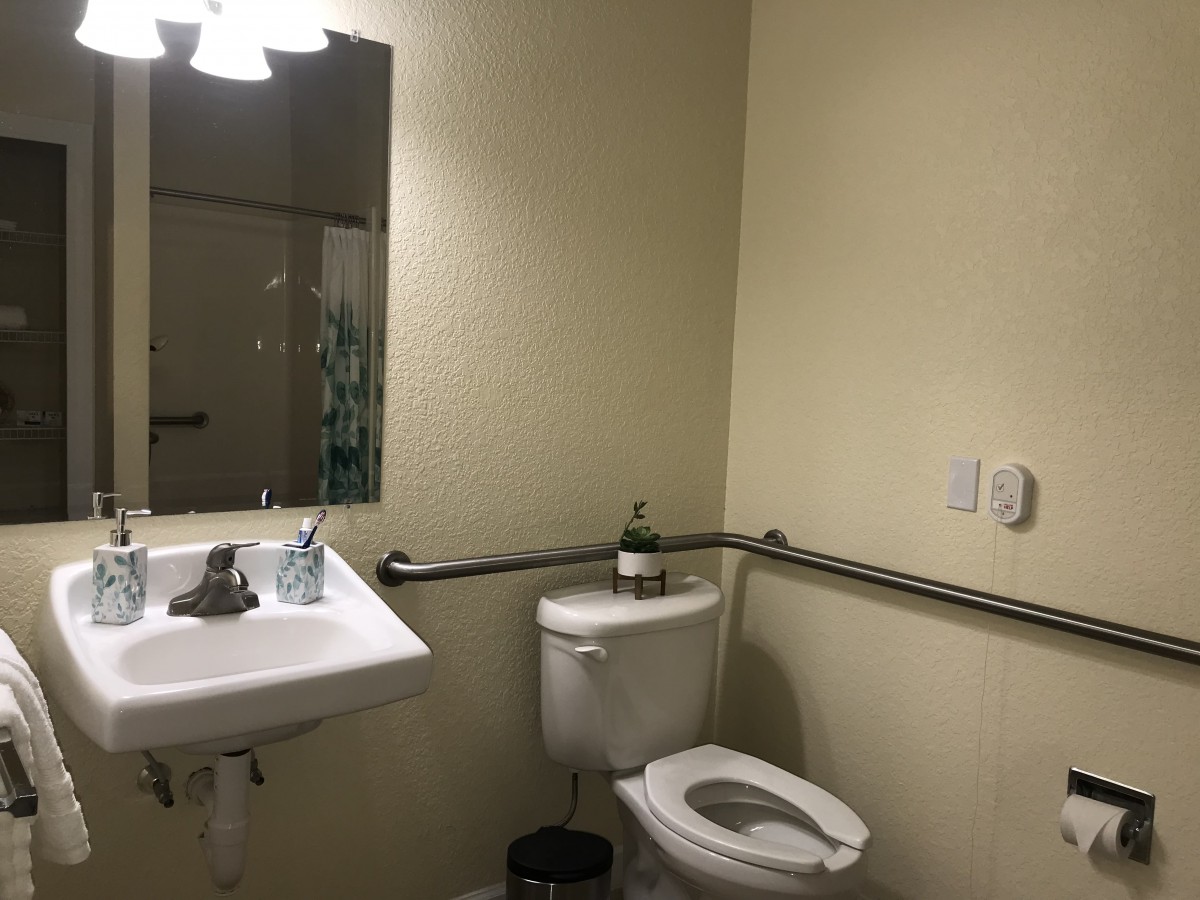
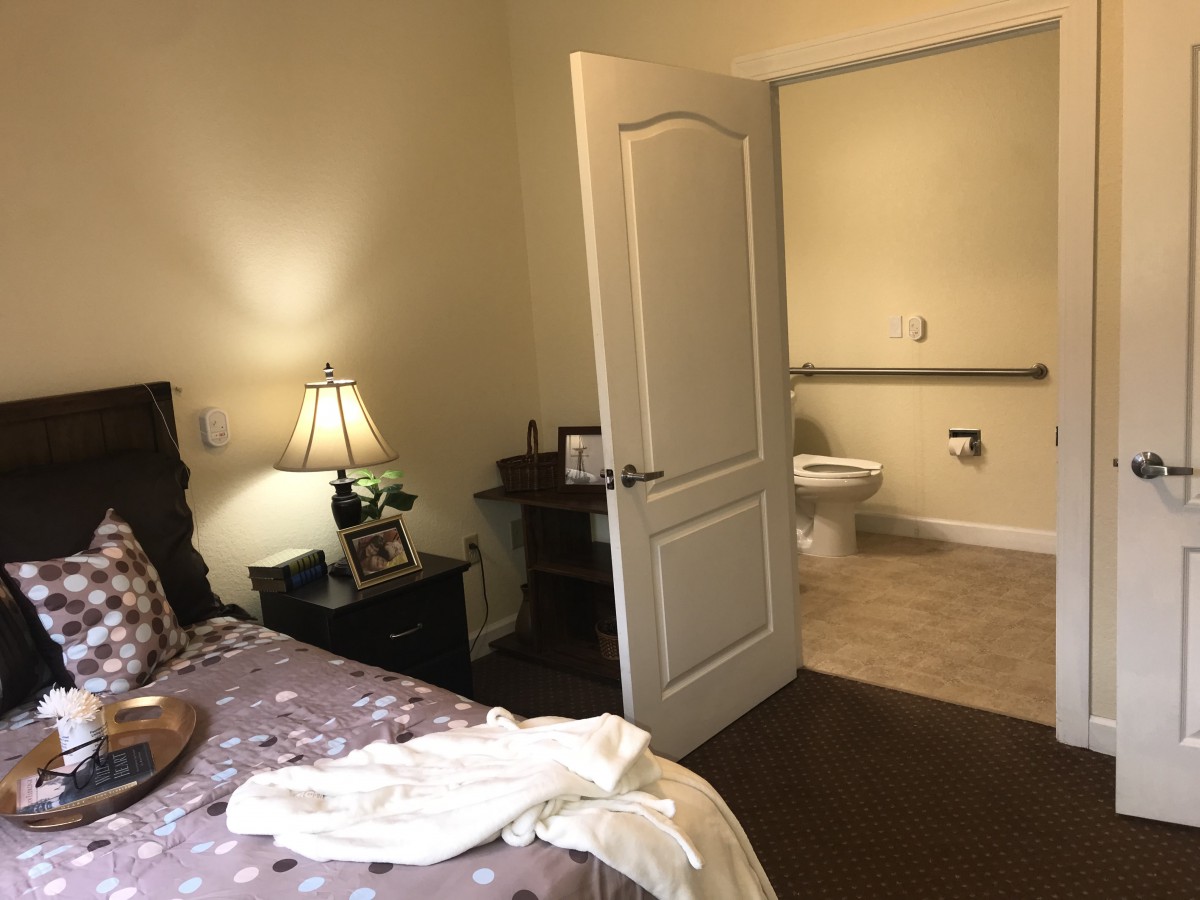
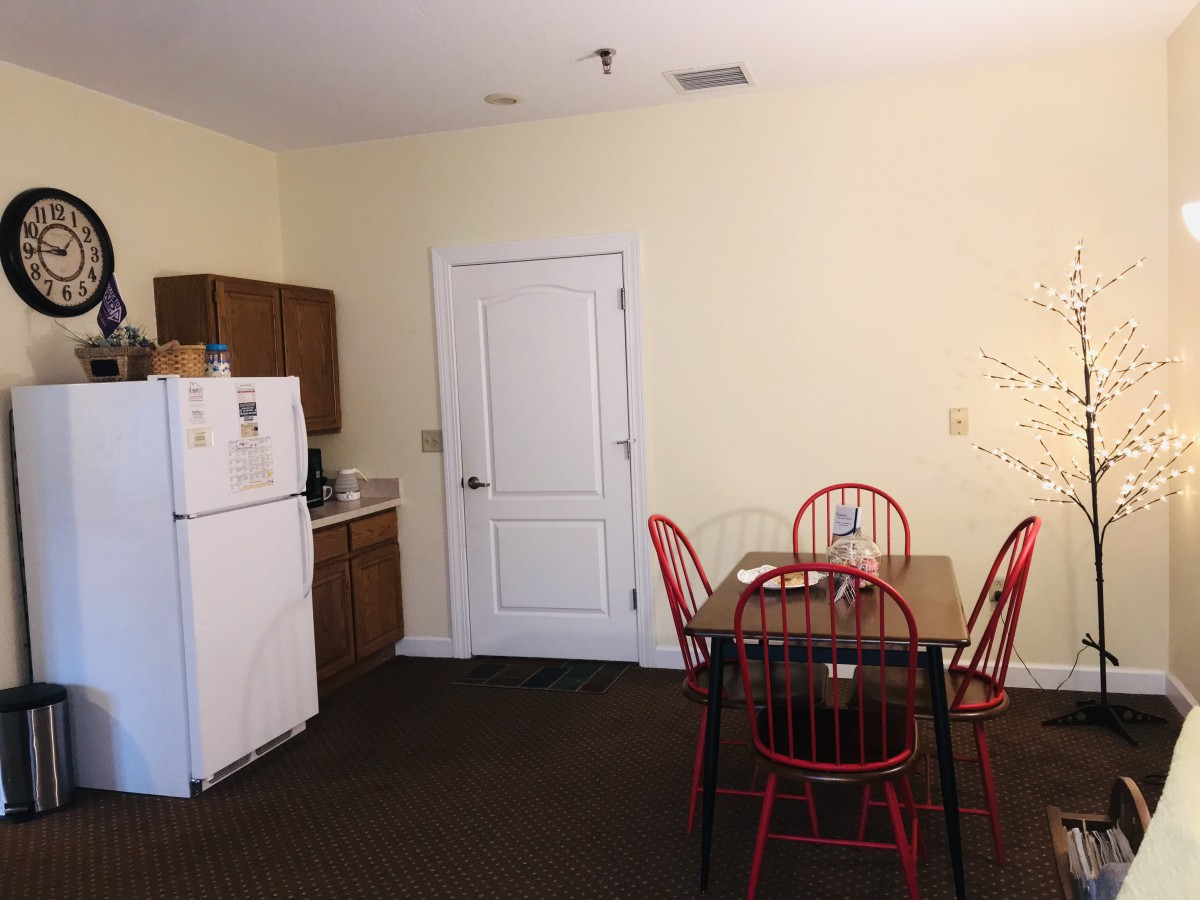
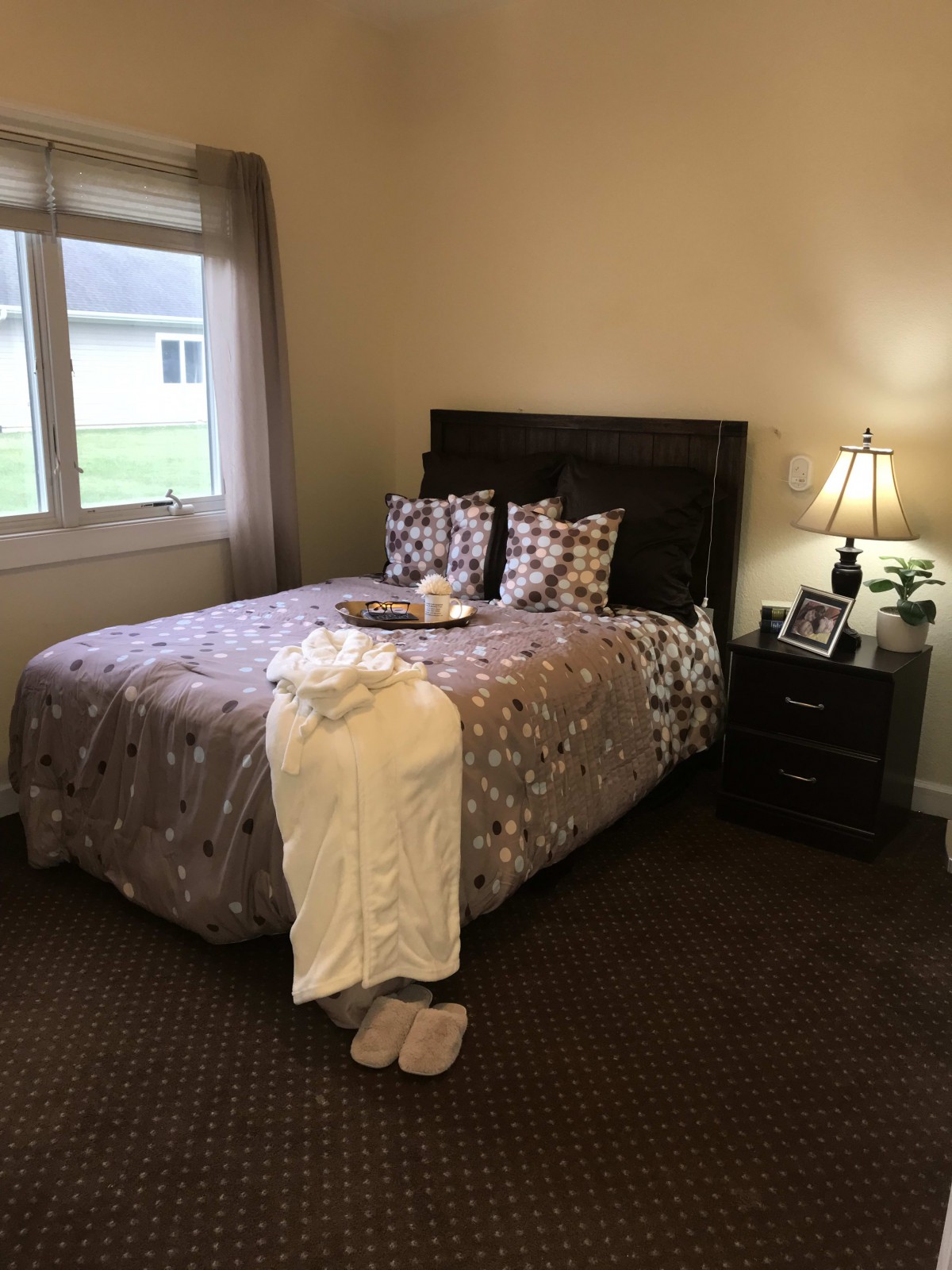
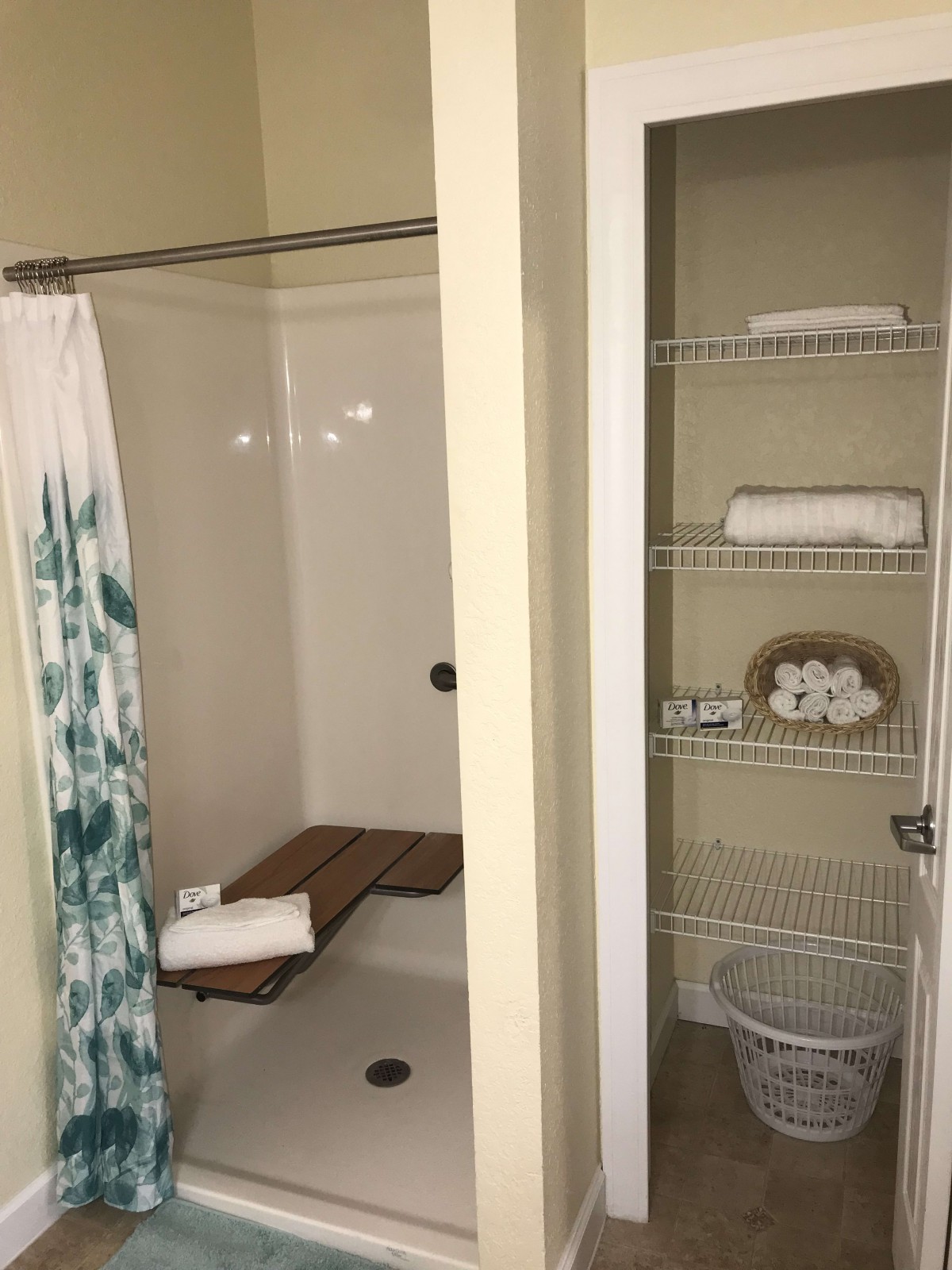
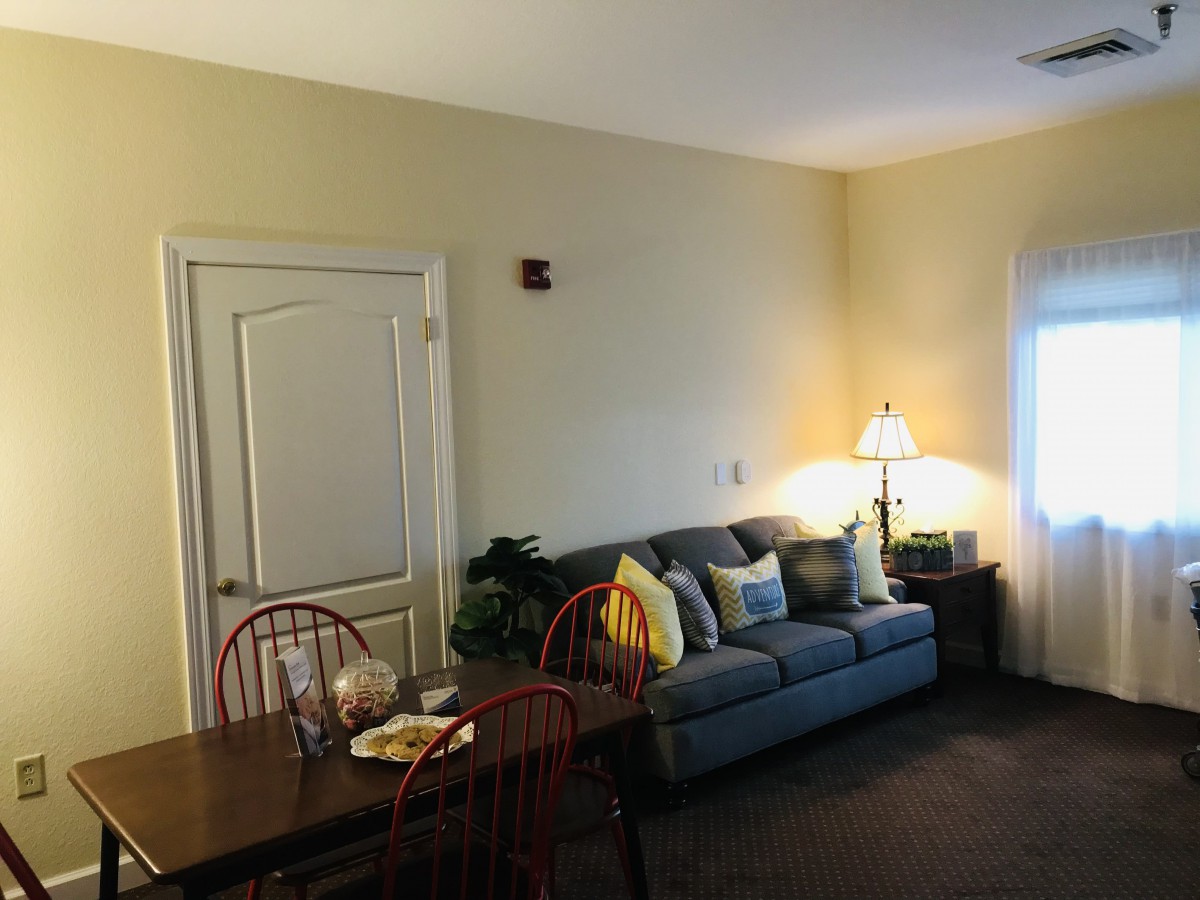
- The facility is nice looking with large, clean rooms and lots of windows.
- The staff is very good and cheerful with all the residents.
- They are really kind and very helpful; they genuinely care for her and look out for her.
Cons
 The facility has enormous employee turnover and inconsistencies in residents' care.
- It wouldn’t be recommended.
- Its nice appearance may mislead prospective residents about the quality of care.
- Most activities are geared toward residents with more advanced dementia, leaving those with less advanced dementia without appropriate activities.
Review
Fountain Park in Bryan, Ohio is best suited for independent-minded seniors who want a neighborly, home-like setting with real autonomy and a safety net of attentive care. The community leans into independence by offering duplex-style living spaces, generous rooms, and a campus vibe where residents can stay connected to activities without surrendering daily control. Reviews consistently describe a warm, welcoming environment, with staff and residents smiling and engaging. For families, the combination of private living spaces plus ready help when needed creates a practical balance between dignity, privacy, and security. In short, Fountain Park serves those who value freedom to manage daily life while knowing assistance is nearby.
That independence-friendly design naturally makes Fountain Park a strong option for many seniors, but potential residents should consider alternatives if two red flags appear: unstable staffing and constrained dementia programming. One review flags enormous employee turnover and inconsistencies in care, which can translate into unpredictable service and gaps in routine. For families prioritizing consistent staffing and predictable caregiving, or residents who require highly individualized, steady attention every shift, exploring other communities with proven staffing stability is prudent. Additionally, while activities are plentiful, one reviewer observed programming skewed toward more advanced dementia, suggesting that earlier-stage memory-care needs may be underserved elsewhere.
On the upside, Fountain Park’s strongest selling points are real: friendly, cheerful staff who appear to genuinely care, large, well-kept rooms with ample natural light, and a cheerful social milieu. Residents benefit from visible warmth in interactions, easy access to group activities, and the option to dine or socialize in a flexible way. The ability to live in a duplex and still be surrounded by purposeful programming helps preserve independence without isolating the resident. When staff are stable and engaged, these pros compound into a confident care environment where family members feel comfortable knowing their loved ones are visible, heard, and connected.
However, turnover and care consistency are a real counterweight to those strengths. The risk is not just occasional staff changes but the ripple effect on daily routines, monitoring, and responsiveness. When care teams shift, families worry about continuity of know-how regarding each resident’s preferences, routines, and medical updates. That risk makes Fountain Park a more suitable fit for families who can tolerate some variability and are proactive about establishing direct lines of communication with the front-line caregivers. It helps to verify current staffing levels, request a dedicated caregiver assignment when possible, and review how care plans are updated and shared with families.
Dementia care adds another layer of nuance. One resident’s family praised how staff look out for mom and show genuine concern, but noted that activities skew toward residents with more advanced dementia. For an individual with early-stage memory loss or mixed needs, the program may feel less tailored. Prospective residents should ask for a day-to-day activities schedule that reflects multiple stages of dementia, and inquire whether memory-care specialists, separate programming, or adaptable activities exist. If the person requires less structured cognitive stimulation, confirm that the calendar includes options that match those needs rather than favoring the more advanced groups.
Bottom line: Fountain Park delivers a practical blend of independence, warmth, and accessible care that makes it a compelling choice for many families. It shines where the resident wants to stay engaged, maintain autonomy, and live in bright, comfortable surroundings with friendly staff. The payoffs come when staffing is steady and the care routines are predictable. For those who prioritize unwavering staffing consistency or highly individualized dementia programming, alternatives should be explored. Before committing, schedule a thorough visit: meet frontline caregivers, review staffing patterns, tour the duplex units, and review a sample activity lineup. Armed with this due diligence, families can decide whether Fountain Park aligns with their loved one’s pace, needs, and expectations.
 21 resident community capacity
 Active Adult Communities (55+)
 Assisted Living
 Memory Care
 Activities off-site
 Beautician on-site
 Cable or satellite TV
 Devotional services off-site
 Dining room
 Fully furnished
 Garden
 Housekeeping services
 Indoor common areas
 Kitchenette
 Move-in coordination
 Outdoor space
 Respite or short term stays offered
 Telephone
 Wi-Fi/high-speed internet available
 24-hour call system
 Assistance with bathing
 Assistance with dressing
 Assistance with transfers
 Diabetes diet
 Diabetic care
 Hospice waiver
 Incontinence care
 Meal preparation and service
 Medication management
 Mental wellness program
 Special dietary restrictions
 Transportation arrangement (medical)
 Transportation to doctors appointments


 Why Do Dementia Patients Sleep So Much? Understanding Oversleeping, Stages, and Care Approaches
 8 Key Indicators That Suggest It May Be Time to Transition from Assisted Living to Skilled Nursing Care
 Nourishing the Mind: Essential Dietary Approaches for Dementia