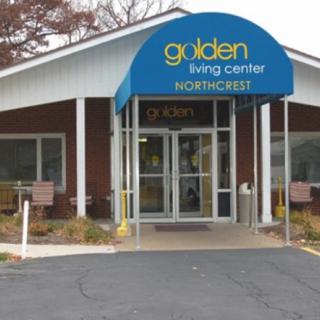
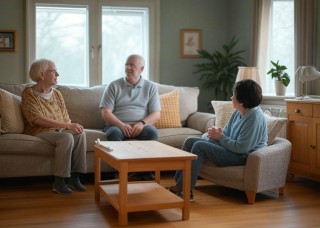
Fountain Park in Bryan, OH

Save
Fountain Park Fountain Park

Fountain Park in Bryan, OH

1391 North Main Street, Bryan, OH 43506

For more information about senior living options: (844) 490-3973

4.1 from 30 reviews
5 stars
20
4 stars
2
3 stars
2
2 stars
2
1 stars
4

Assisted Living Memory Care

What level of care are you interested in?

Assisted Living

Memory Care

Independent Living

Skilled Nursing Facility

Continuing Care Retirement Community (CCRC)CCRC

Other


Request a tour at Fountain Park

    Overall Review of Fountain Park

    Pros

    • pro The facility is described as really great, with super friendly staff and very clean premises.
    • pro The activities are well organized and enjoyable, making it a great place to be part of.
    • pro The staff are kind, patient, and genuinely care for residents.
    • pro Fountain Park staff are wonderful and a blessing to residents and their families.
    • pro Residents would highly recommend Fountain Park after their experience.
    • pro The facility is clean, updated, and considered among the best in the area.
    • pro The staff provide quick responses to residents' needs, including help with meals, bathroom tasks, and safety.
    • pro A resident described Fountain Park as heaven, reflecting high satisfaction.
    • pro The level of care and attention to residents is excellent, with superb cleanliness and emphasis on independence.
    • pro The facility feels welcoming, peaceful, and offers apartment-style living with nursing staff when needed.

    Cons

    • pro The facility is a joke.
    • pro The staff are very slow at getting residents the care they need.
    • pro The staff and administration have no compassion.
    • pro The place is a nightmare.
    • pro Residents have been denied hospice care, and some have died as a result.
    • pro The memory care staff were slow to provide help and failed to arrange wound care, leading to hospitalizations.
    • pro The dining room was crowded and loud, not homey.
    • pro There was an incident where the Director of Nurses was punched by a resident and was subsequently fired.

    Review

    Fountain Park in Bryan is best suited for seniors who want a well-staffed, clean, activity-rich environment where apartment-style living sits alongside nursing support. The community shines for families seeking consistent, attentive care with a strong emphasis on daily programming and social engagement. Residents and families repeatedly point to friendly, patient staff, rapid helps with daily needs, and a calendar of organized activities that genuinely involve guests and loved ones. In short, it works well for those who value supervision and companionship as part of everyday life, without sacrificing the feel of a home rather than a sterile institutional setting. The facility's cleanliness and updated surroundings reinforce its practicality for long-term living where independence is respected but readily supported.

    Those weighing Fountain Park should consider alternatives if memory care needs dominate the care plan or if a smaller, more intimate setting is essential. Several reviewers describe experiences where the care of residents with advanced needs or dementia felt uneven, with a few accounts of delayed responses to medical or wound-care needs and concerns about falls. For families seeking a highly specialized memory-care environment, or for situations requiring very rapid intervention and a stronger, consistently applied medical protocol, other options may prove more reliable. Likewise, households prioritizing a quieter, less bustling atmosphere or a facility that feels more "homelike" in size may find Fountain Park larger and more hospital-like than ideal.

    The strongest positives - staff kindness and patience, dependable assistance, and a robust activity lineup - do substantial work in offsetting some notable drawbacks. Cleanliness and a sense of order run through most reviews, and the nursing presence is consistently described as caring and communicative. When care is smooth, families praise quick response times to routine needs and the ability to involve loved ones in activities and outings. The sense that management is engaged and responsive in day-to-day problem solving also factors into a favorable impression. These assets create real value for residents who require daily assistance but still want meaningful social participation and regular contact with family.

    That said, several reviews underscore real risks that cannot be dismissed. Memory-care experiences vary, with some families reporting slow escalation of care, missed referrals to specialists, and preventable hospitalizations during transitions. Administrative friction - such as gaps in respite care checklists or communication lapses during admissions - also surfaces in the record, along with a few emotionally charged accounts of alleged privacy or consent violations. These inconsistencies matter, especially for families navigating complex care needs or guardianship arrangements. The facility's size and the perception of a high-traffic environment can contribute to an impression that intimate, individualized attention might sometimes be deprioritized in favor of broad programming.

    To navigate Fountain Park effectively, families should approach with a concrete set of questions and a plan for ongoing oversight. Request a clear, written description of memory-care staffing, escalation protocols, and nurse-to-resident ratios by shift. Ask for detailed responses to falls prevention, wound-care procedures, and urgent medical transport timelines. Probe respite-care protocols, checklists, and required documentation, and verify billing practices to avoid surprises. Take the opportunity to speak with multiple staff leaders - nursing, social work, and activity coordinators - and, if possible, with current residents' families about consistency across shifts. A tour that includes the memory-care wing, if appropriate, can reveal how the environment actually feels on a typical day.

    In sum, Fountain Park stands as a solid choice for families seeking dependable care within a lively, well-kept setting. The combination of friendly staff, rigorous cleanliness, and a full slate of activities can deliver a strong quality-of-life experience for many residents, particularly those who do not require highly specialized, rapid-response medical interventions at every hour. However, potential residents with intensive memory-care needs or those who prize a smaller, more intimate setting should evaluate alternative options or demand explicit assurances about care protocols, staffing consistency, and crisis responsiveness. The right decision will hinge on aligning care intensity with the family's expectations for daily life, safety, and ongoing governance.

    Features

    Housing

    • 66 resident community capacity 66 resident community capacity
    • 1-bedroom apartments 1-bedroom apartments1-bedroom apartments are important for seniors because they provide a sense of independence, privacy, and autonomy while still offering the necessary space for comfortable living. These apartments allow seniors to maintain their own personal space and lifestyle preferences in a supportive community setting.
    • 2-bedroom apartments 2-bedroom apartments2-bedroom apartments are important for seniors because they provide extra space for guests, hobbies, and caregivers, as well as potential for additional income through roommates or rental.
    • Studio apartments Studio apartmentsStudio apartments are important for seniors because they offer a smaller, more manageable living space that is easier to navigate and maintain as physical abilities decline. Additionally, studio apartments provide seniors with independence and privacy while still being part of a community that offers support and social opportunities.

    Types of Care

    • Assisted Living Assisted LivingAssisted living facilities provide crucial support and care for seniors who may need help with daily tasks such as medication management, bathing, and meal preparation. These communities offer a safe and comfortable environment where seniors can maintain their independence while receiving the assistance they need to thrive in their golden years.
    • Memory Care Memory CareMemory care is crucial for seniors as it provides specialized support and services for individuals with dementia or Alzheimer's disease. These programs offer a safe and secure environment where residents receive personalized care, cognitive stimulation, and help with daily activities. Memory care helps seniors maintain their independence, quality of life, and dignity while also providing peace of mind for their families.

    Amenities

    • Air-conditioning Air-conditioningAir conditioning is important for seniors as they are more vulnerable to heat-related illnesses and may have underlying health conditions that make it difficult for them to regulate their body temperature. It helps to keep them comfortable, safe, and healthy in hot weather.
    • Beauty salon Beauty salonBeauty salons are important for seniors because they provide a space for them to feel pampered, socialize, and maintain their personal grooming and hygiene. Regular visits to a beauty salon can help boost seniors' self-esteem and overall well-being.
    • Cable or satellite TV Cable or satellite TVCable or satellite TV is important for seniors because it provides entertainment, news, and companionship, helping to combat loneliness and boredom. It also offers a wide range of programming options tailored to different interests and preferences.
    • Computer center Computer centerA computer center is essential for seniors as it provides access to technology, communication tools, and resources that can enhance their daily lives. It allows them to stay connected with loved ones, engage in online activities, and learn new skills, ultimately promoting socialization and mental stimulation.
    • Dining room Dining roomDining rooms are important for seniors as they provide a space for socialization, connection, and nutritious meals. They offer opportunities for residents to bond over shared meals, foster a sense of community, and promote healthy eating habits. Dining rooms also ensure that seniors have access to well-balanced meals tailored to their dietary needs and preferences.
    • Fitness room Fitness roomHaving a fitness room in a senior living community is essential for seniors to stay active, maintain their physical health, and improve their overall well-being. Regular exercise can help prevent falls, reduce the risk of chronic diseases, and promote mental sharpness. It also provides social opportunities for residents to connect with others and enjoy a sense of community.
    • Fully furnished Fully furnishedFully furnished senior living communities are important for seniors because they provide convenience, comfort, and a hassle-free moving experience. Seniors can easily settle into their new living space without the stress of having to buy and move furniture. This allows them to focus on enjoying their new home and community.
    • Gaming room Gaming roomGaming rooms are important for seniors as they provide a fun and engaging environment for socializing, cognitive stimulation, and physical activity. Games can improve memory, problem-solving skills, and overall mental well-being while fostering friendships and reducing feelings of isolation.
    • Garden GardenGardens are important for seniors as they provide a peaceful and therapeutic environment for relaxation, physical activity, and socialization. Being in nature has been shown to reduce stress, improve mood, and promote overall well-being. Gardens also offer opportunities for seniors to engage in gardening activities, which can improve mobility, flexibility, and cognitive function. Additionally, gardens create a sense of community and connection with others who share a passion for plants and outdoor spaces.
    • Housekeeping services Housekeeping servicesHousekeeping services are important for seniors because they help maintain a clean and safe living environment, promote independence, and reduce the risk of accidents or illnesses. Additionally, having assistance with household chores can alleviate physical strain and allow seniors to focus on other aspects of their well-being.
    • Kitchenette KitchenetteKitchenettes are important for seniors living in senior living communities because they provide the convenience and independence of being able to prepare simple meals and snacks in the comfort of their own living space. This can help promote a sense of autonomy and well-being for seniors, allowing them to maintain some level of control over their dietary choices and daily routines.
    • Move-in coordination Move-in coordinationMove-in coordination is important for seniors because it helps ease the transition into their new living environment. It ensures that all logistics, such as packing, organizing movers, and setting up utilities are taken care of, allowing seniors to focus on settling in and adjusting to their new home. Having a smooth move-in process can alleviate stress and anxiety, making the transition smoother and more enjoyable for seniors.
    • Outdoor space Outdoor spaceOutdoor spaces are important for seniors as they provide opportunities for physical activity, social interaction, exposure to natural light and fresh air, and a sense of connection to nature. Having access to outdoor spaces can improve overall well-being and quality of life for older adults living in senior communities.
    • Private bathrooms Private bathroomsPrivate bathrooms are important for seniors in senior living communities because they provide independence, dignity, and comfort. Having a private bathroom allows seniors to maintain their personal hygiene routines without the need for assistance, promoting a sense of autonomy and privacy. Additionally, private bathrooms help prevent the spread of infections and provide a safe and clean environment for seniors to navigate safely.
    • Restaurant-style dining Restaurant-style diningRestaurant-style dining is important for seniors because it allows them to enjoy delicious, nutritious meals in a social and upscale setting. This enhances their dining experience, promotes healthy eating habits, and fosters socialization with fellow residents, ultimately contributing to their overall well-being and quality of life.
    • Small library Small librarySmall libraries are important for seniors as they provide access to a variety of reading materials, including books, newspapers, and magazines. This can help stimulate their minds, keep them engaged, and provide a sense of community through book clubs and other social activities. Additionally, reading has been shown to improve cognitive function and overall mental well-being in older adults.
    • Telephone TelephoneTelephones are important for seniors as they provide a lifeline for communication with loved ones, emergency services, and healthcare providers. They offer a sense of security and independence, enabling seniors to stay connected and access assistance when needed.
    • Wellness center Wellness centerWellness centers are important for seniors because they offer a variety of programs and services that promote physical, mental, and emotional well-being. These centers provide opportunities for exercise, socialization, education, and relaxation, helping seniors maintain their overall health and quality of life.
    • Wi-Fi/high-speed internet available Wi-Fi/high-speed internet availableWi-Fi/high-speed internet is important for seniors to stay connected with loved ones, access online resources, and participate in virtual activities to combat feelings of loneliness and isolation. It also allows them to easily manage healthcare needs, access entertainment, and engage in lifelong learning opportunities.

    Transportation

    • Community operated transportation Community operated transportationCommunity operated transportation is crucial for seniors as it provides them with the means to access essential services, social activities, and medical appointments. It allows seniors to maintain their independence and quality of life by ensuring they can participate in activities outside of their homes. Additionally, community-operated transportation services offer a safe and reliable way for seniors to travel without having to rely on family or friends for assistance.
    • Transportation arrangement Transportation arrangementTransportation arrangements are crucial for seniors as they may face challenges with driving, mobility, or access to public transportation. Having reliable transportation services ensures that seniors can easily attend appointments, social activities, and maintain their independence and quality of life.
    • Transportation arrangement (non-medical) Transportation arrangement (non-medical)Transportation arrangements are essential for seniors as they provide access to essential services, activities, and social interactions outside the home. This service helps maintain independence, mobility, and overall well-being for seniors who may have limited transportation options.
    • Transportation to doctors appointments Transportation to doctors appointmentsTransportation to doctors appointments is crucial for seniors as it ensures they have access to necessary medical care and support, promoting their health and well-being. It allows them to receive timely treatment, monitor existing conditions, and address any new health concerns efficiently. Additionally, transportation services can help seniors maintain their independence and quality of life by enabling them to stay connected with their healthcare providers.

    Care Services

    • 12-16 hour nursing 12-16 hour nursing12-16 hour nursing care is crucial for seniors in order to ensure around-the-clock monitoring, timely medication administration, and prompt response to any health concerns or emergencies. This level of care helps to promote the overall well-being and safety of seniors living in senior living communities.
    • 24-hour call system 24-hour call system24-hour call systems are important for seniors because they provide peace of mind and immediate assistance in case of emergencies. This technology ensures that help is always available, promoting safety and security for elderly individuals living alone or in assisted living facilities.
    • 24-hour supervision 24-hour supervision24-hour supervision is important for seniors to ensure their safety, well-being, and access to immediate assistance in case of emergencies or health issues. This constant support provides peace of mind for both seniors and their loved ones, allowing them to age in place with dignity and security.
    • Activities of daily living assistance Activities of daily living assistanceActivities of daily living assistance are important for seniors because they provide essential support with tasks such as eating, bathing, dressing, and mobility. This assistance helps seniors maintain their independence, dignity, and overall quality of life as they age.
    • Assistance with bathing Assistance with bathingAssistance with bathing is crucial for seniors as it helps maintain personal hygiene, prevents infections, and ensures their overall well-being and comfort. It also provides a sense of dignity and independence for seniors who may struggle with this task on their own.
    • Assistance with dressing Assistance with dressingAssistance with dressing is important for seniors because it helps maintain their independence, promotes personal hygiene, prevents accidents and injuries, and improves overall quality of life. This service ensures that seniors can continue to dress comfortably and confidently, despite any physical limitations they may have.
    • Assistance with transfers Assistance with transfersAssistance with transfers is crucial for seniors as it helps prevent falls and injuries, maintains their independence, and ensures they can safely navigate their living environment. It also provides peace of mind for both seniors and their loved ones.
    • Blood work Blood workRegular blood work is essential for seniors as it allows healthcare providers to monitor and detect any potential health issues early on, such as diabetes, high cholesterol, anemia, and kidney function. This proactive approach helps seniors maintain their overall health and well-being as they age.
    • Diabetes diet Diabetes dietA diabetes diet is crucial for seniors as it helps manage blood sugar levels, reduce risks of complications, and improve overall health and well-being. By following a balanced and nutritious diet tailored to their specific needs, seniors can better control their diabetes and enhance their quality of life.
    • Hospice care Hospice careHospice care is important for seniors as it provides specialized end-of-life support, pain management, and emotional comfort for both the senior and their loved ones. It allows seniors to maintain dignity, receive personalized care, and spend their remaining time in a peaceful and comfortable environment.
    • Meal preparation and service Meal preparation and serviceMeal preparation and service are crucial for seniors as they may have limited mobility or energy to cook nutritious meals. Having access to healthy and convenient food options can ensure they are getting the proper nutrition needed to maintain their overall health and well-being.
    • Medication management Medication managementMedication management is crucial for seniors to ensure they are taking the right medications at the correct dosages and times. This helps prevent adverse drug interactions, reduces the risk of medication errors, and promotes overall health and well-being. Proactive management also allows for adjustments as needed based on changing health conditions or new prescriptions.
    • Mental wellness program Mental wellness programMental wellness programs are essential for seniors as they promote cognitive stimulation, emotional support, and social engagement. These programs help prevent isolation, depression, and cognitive decline, ultimately enhancing the overall quality of life for older adults.
    • Mild cognitive impairment Mild cognitive impairment"Mild cognitive impairment" is important for seniors because it is an early stage of cognitive decline that can potentially progress to more severe conditions such as dementia. Recognizing and addressing mild cognitive impairment can help seniors receive appropriate care and support to maintain their quality of life and independence for as long as possible.
    • Special dietary restrictions Special dietary restrictionsSpecial dietary restrictions are important for seniors because age-related changes in metabolism and health conditions can make it difficult for their bodies to process certain foods. By following a diet tailored to their specific needs, seniors can maintain their overall health and well-being, manage chronic conditions, and reduce the risk of complications such as malnutrition or food interactions with medications.
    • Specialized memory care programming Specialized memory care programmingSpecialized memory care programming is crucial for seniors with cognitive impairments such as dementia or Alzheimer's disease. These programs provide a safe and supportive environment tailored to the unique needs of individuals with memory loss, helping them maintain their independence, dignity, and quality of life.

    Dining

    • Diabetes diet Diabetes dietA diabetes diet is crucial for seniors as it helps manage blood sugar levels, reduce risks of complications, and improve overall health and well-being. By following a balanced and nutritious diet tailored to their specific needs, seniors can better control their diabetes and enhance their quality of life.
    • Special dietary restrictions Special dietary restrictionsSpecial dietary restrictions are important for seniors because age-related changes in metabolism and health conditions can make it difficult for their bodies to process certain foods. By following a diet tailored to their specific needs, seniors can maintain their overall health and well-being, manage chronic conditions, and reduce the risk of complications such as malnutrition or food interactions with medications.

    Activities

    • Community-sponsored activities Community-sponsored activitiesCommunity-sponsored activities are important for seniors as they provide opportunities for social interaction, mental stimulation, and physical activity. These activities can help improve overall well-being, combat loneliness and isolation, and promote a sense of belonging and purpose among older adults.
    • Concierge services Concierge servicesConcierge services are essential for seniors as they provide assistance with daily tasks and errands, enhance their quality of life by offering convenience and personalized care, and promote a sense of safety and security.
    • Fitness programs Fitness programsFitness programs are crucial for seniors as they help improve strength, flexibility, balance, and overall well-being. Staying active can reduce the risk of chronic diseases, improve mental health, and enhance quality of life in older adults.
    • Planned day trips Planned day tripsPlanned day trips are important for seniors because they offer opportunities for socialization, mental stimulation, and physical activity. They provide a change of scenery and help seniors stay engaged and connected to their community, promoting overall well-being and quality of life.
    • Resident-run activities Resident-run activitiesResident-run activities are important for seniors as they encourage social interaction, creativity, and a sense of autonomy. These activities empower seniors to stay engaged and active in their community while fostering meaningful connections with their peers.
    • Scheduled daily activities Scheduled daily activitiesScheduled daily activities are important for seniors because they provide structure, socialization, mental stimulation, and physical activity. Engaging in regular activities can improve overall well-being and quality of life for seniors living in a community setting.

    Description

    Fountain Park in Bryan, OH is an assisted living community that offers a variety of housing options including 2-bedroom and studio apartments. The community specializes in providing memory care for seniors with Alzheimer's or other forms of dementia.

    Residents at Fountain Park enjoy a wide range of amenities to enhance their daily lives. These include a beauty salon, cable or satellite TV, community-operated transportation, a computer center, a dining room, a fitness room, and fully furnished accommodations. There is also a gaming room, garden, housekeeping services, kitchenettes in the apartments, move-in coordination assistance, outdoor spaces for relaxation and socializing, private bathrooms, and restaurant-style dining. For entertainment and mental stimulation, there is a small library and Wi-Fi/high-speed internet access throughout the community.

    Care services at Fountain Park are designed to meet the individual needs of each resident. This includes 24-hour call system availability for emergencies or assistance requests, 24-hour supervision to ensure safety and security, assistance with activities of daily living such as bathing and dressing, help with transfers between different locations (such as from bed to wheelchair), blood work monitoring for residents with specific health conditions like diabetes requiring special diets. Hospice care is also available.

    The dedicated staff at Fountain Park manages medication for residents and provides meal preparation and service according to specialized dietary restrictions. A mental wellness program is offered to support overall emotional well-being. Specialized memory care programming caters specifically to individuals with mild cognitive impairment.

    Transportation arrangements are made for non-medical needs as well as appointments with doctors. A wellness center is on-site to promote physical health through exercise programs and other activities.

    In terms of nearby amenities and services, there are cafes within close proximity for social outings or relaxation outside of the community. There are also several parks nearby for outdoor enjoyment. Accessible pharmacies ensure convenient medication pick-up while numerous physicians provide medical care within reach. Restaurants offer dining options beyond the community and transportation services are available for easy mobility. Places of worship allow residents to continue practicing their faith, and hospitals are conveniently located for any medical emergencies or ongoing healthcare needs.

    Overall, Fountain Park is an assisted living community that strives to provide a comfortable and enriching lifestyle for seniors seeking memory care in Bryan, OH.

    Nearby Places of Interest

    This part of Bryan, Ohio, offers a variety of amenities and services that cater to senior living. With several places of worship nearby, including St Michael's Catholic Church and Wesley United Methodist Church, seniors can find spiritual fulfillment within the community. Access to transportation options like the Bryan Amtrak Station and convenient pharmacies such as CVS and Walgreens make it easy for seniors to run errands or attend medical appointments. Additionally, there are numerous dining options such as Seasons Coffee & Bistro and Grand Plaza Authentic Mexican Grill for socializing or enjoying a meal out. The proximity to hospitals like Community Hospitals & Wellness Centers ensures that medical care is easily accessible in case of emergencies. Parks like Garver Park and Central Park provide opportunities for outdoor activities and relaxation. Overall, this neighborhood offers a supportive and convenient environment for seniors looking to retire in a welcoming community.

    Places of Worship

    • St Michael's Catholic Church (0.6 miles)
    • Southern Baptist Convention (1.5 miles)
    • Wesley United Methodist Church (2 miles)
    • First Assembly of God (2 miles)
    • Zion Lutheran Church (5.7 miles)
    • Union Chapel Church of God (5.8 miles)
    • Jehovahs Witnesss Of Montpelier (6.1 miles)

    Transportation

    • Bryan Amtrak Station (0.7 miles)
    • U-Haul Neighborhood Dealer (12.2 miles)

    Physicians

    • Almario Tantoco, MD (1.1 miles)
    • April Rock NP (1.1 miles)
    • Kevin Park MD (1.1 miles)
    • Lawrence Kennedy, MD (1.1 miles)
    • Parkview Physicians Group - Colon & Rectal Surgery (1.1 miles)
    • Kimberly Dillon MD (1.1 miles)
    • Holli Zeedyk, NP (1.1 miles)

    Restaurants

    • Seasons Coffee & Bistro (1.1 miles)
    • Grand Plaza Authentic Mexican Grill (1.2 miles)
    • Father John's Microbrewery (1.2 miles)
    • Jackie Blu's (1.2 miles)
    • Frankie's (1.3 miles)
    • Blue Berry Hill Pancak (1.4 miles)
    • China Garden (1.5 miles)

    Pharmacies

    • CVS Pharmacy (1.2 miles)
    • Ringer's Drug Store (1.2 miles)
    • Walgreens (1.4 miles)
    • Rite Aid (1.5 miles)
    • Walmart Pharmacy (2.2 miles)
    • Village Apothecary (2.6 miles)
    • Rings Pharmacy (7.2 miles)

    Cafes

    • Kora Brew House and Wine Bar (1.2 miles)
    • Revival Coffee (12.9 miles)

    Hospitals

    • Community Hospitals & Wellness Centers (1.2 miles)
    • Hhc Nwohio (2.1 miles)
    • Montpelier Hospital (7.2 miles)
    • Community Hospitals & Wellness Centers (7.2 miles)
    • Take Time for Yourself (9.4 miles)
    • Ennen Phil - Archbold Hospital (12.1 miles)
    • Community Hospitals & Wellness Centers (12.1 miles)

    Parks

    • Garver Park (1.3 miles)
    • Central Park (1.5 miles)
    • East End Park (1.6 miles)
    • Day In The Park (1.7 miles)
    • Imagination Station (1.7 miles)
    • Montpelier Memorial Park (6.4 miles)
    • Montpelier Park Department (6.5 miles)

    Frequently Asked Questions

    What floor plans and room types does Fountain Park offer?
    Where is Fountain Park?
    Does Fountain Park provide care for residents with dementia or Alzheimer's disease?

    Nearby Communities

    • Fountain Park

      Fountain Park

      Bryan, OH

      4.4 from 5 reviews
      $1,085 to $3,315 / month

      pro Friendly staff and active, well-maintained environment that supports independence.
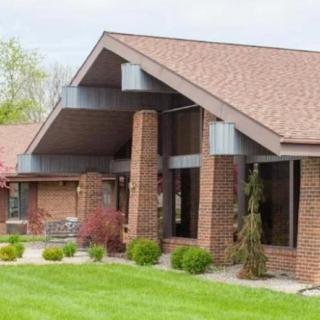

    • Bryan Center

      Bryan Center

      Bryan, OH

      3.7 from 39 reviews
       

      pro Caring staff and extensive on-site amenities.

    • Williams Co Hillside Country

      Williams Co Hillside Country

      Bryan, OH


      pro 24/7 skilled care with extensive on-site amenities and services.

    • Evergreen Healthcare Center

      Evergreen Healthcare Center

      Montpelier, OH


      pro Fully furnished private rooms with private bathrooms, restaurant-style dining, medication management, 24-hour supervision, mental wellness program, and transportation coordination.

    • Park View Nursing Center

      Park View Nursing Center

      Edgerton, OH


      pro Extensive on-site amenities and care services.

    • Fairlawn Haven

      Fairlawn Haven

      Archbold, OH


      pro Integrated Independent Living and Memory Care with 24/7 supervision, memory programming, restaurant-style dining, and transportation.

    • GlennPark Senior Living

      GlennPark Senior Living

      Defiance, OH

      4.4 from 16 reviews
      $2,019 to $3,668 / month

      pro Friendly staff, engaging activities, and a bright, clean environment.

    • Northcrest Rehab And Nursing Center

      Northcrest Rehab And Nursing Center

      Napoleon, OH

      5 from 2 reviews
       

      pro Comprehensive rehab therapies and engaging activities in a welcoming facility.

    • Smith Farms Manor

      Smith Farms Manor

      Auburn, IN

      4.6 from 64 reviews
      $2,650 to $3,570 / month

      pro Caring staff and a warm, home-like community.

    Assisted Living in Nearby Cities

    Related Resources

    • va nursing homeComprehensive Guide to VA Nursing Homes: A Crucial Long-Term Care Resource for Veterans

      VA nursing homes, or Community Living Centers (CLCs), offer tailored long-term care for veterans, featuring medical attention and rehabilitation in a supportive environment. The guide covers facility types, eligibility criteria, financial assistance options, quality of care standards, and alternatives to full-time nursing home placement.

    • in home dementia care costsEstimating the Expenses of At-Home Dementia Care: A Detailed Exploration

      At-home dementia care expenses vary widely based on care levels, location, and caregiver expertise, with monthly costs for home health aides exceeding $4,500 and specialized care potentially surpassing $100,000 annually. While families favor in-home care for its comfort and personalized attention, they must consider financial planning and the challenges of caregiver fatigue.

    • end stage dementiaComprehensive Insights on the Late Stages of Dementia: What to Expect and How to Provide Care

      The article discusses the late stages of dementia, detailing the progression from mild to severe impairment and highlighting key characteristics such as profound cognitive decline and dependency in daily activities. It emphasizes care strategies focused on comfort and dignity, the importance of advance directives, and the emotional support needed for family caregivers facing this challenging journey.


    Get Pricing Ask A Question Schedule A Tour Contact Senior Advisor