Crystal Care Center Of Ashland

Save

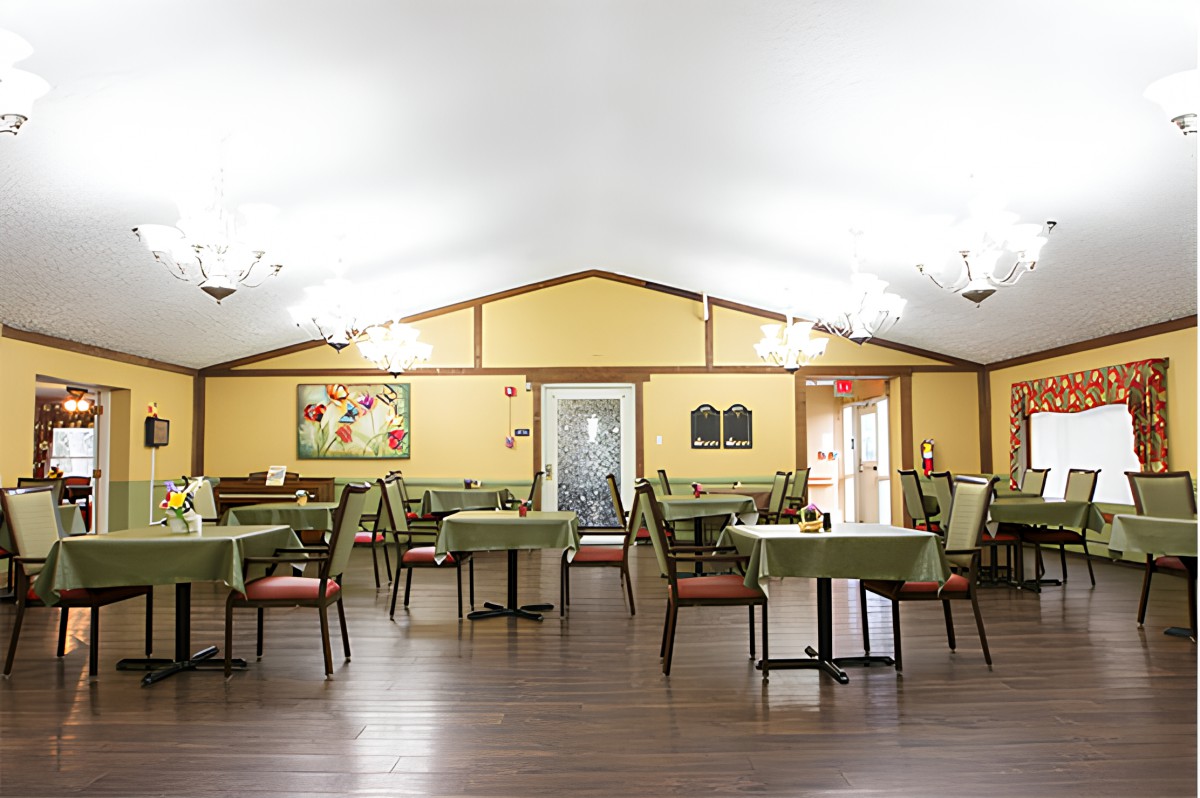
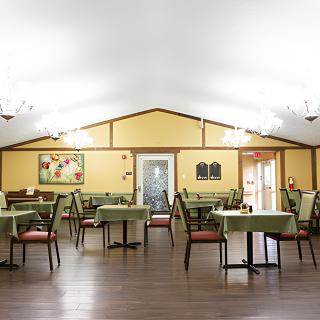
  • Interior

    A well-lit dining area with neatly arranged tables and chairs.
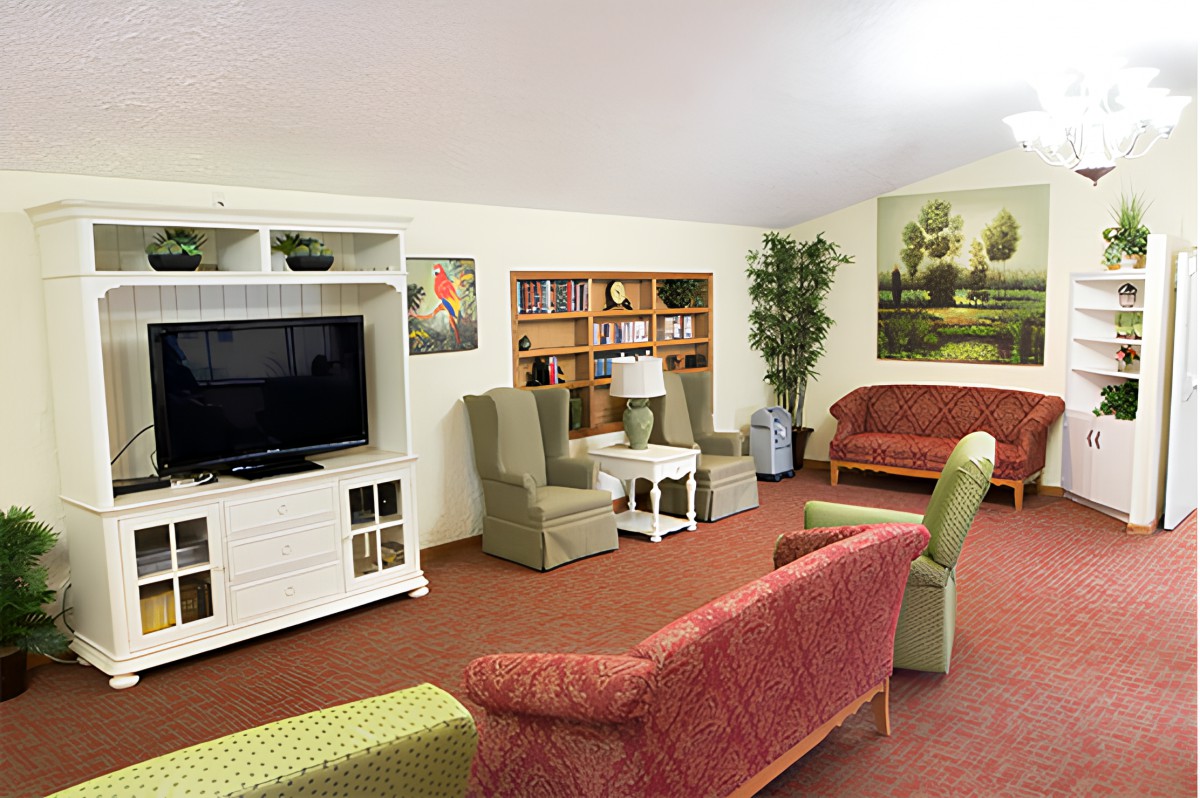
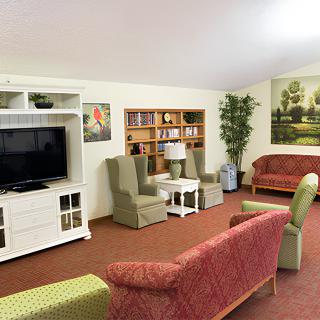
  • Decor

    A cozy living room with a television, sofas, armchairs, and a bookshelf.
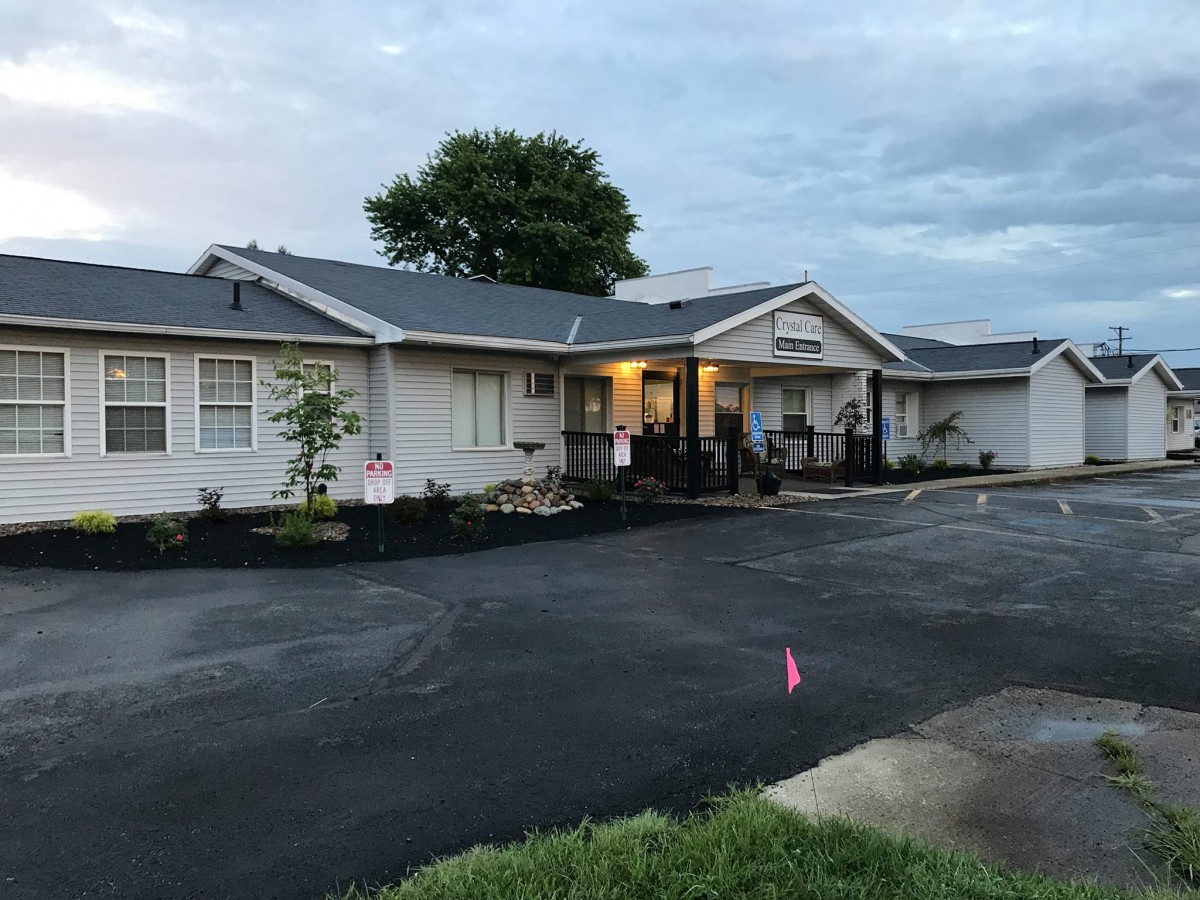
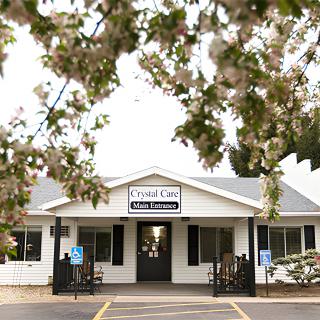
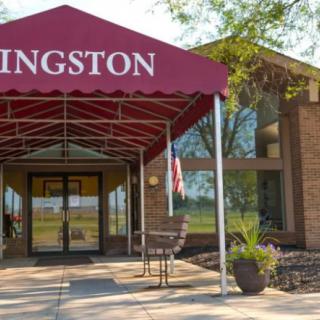
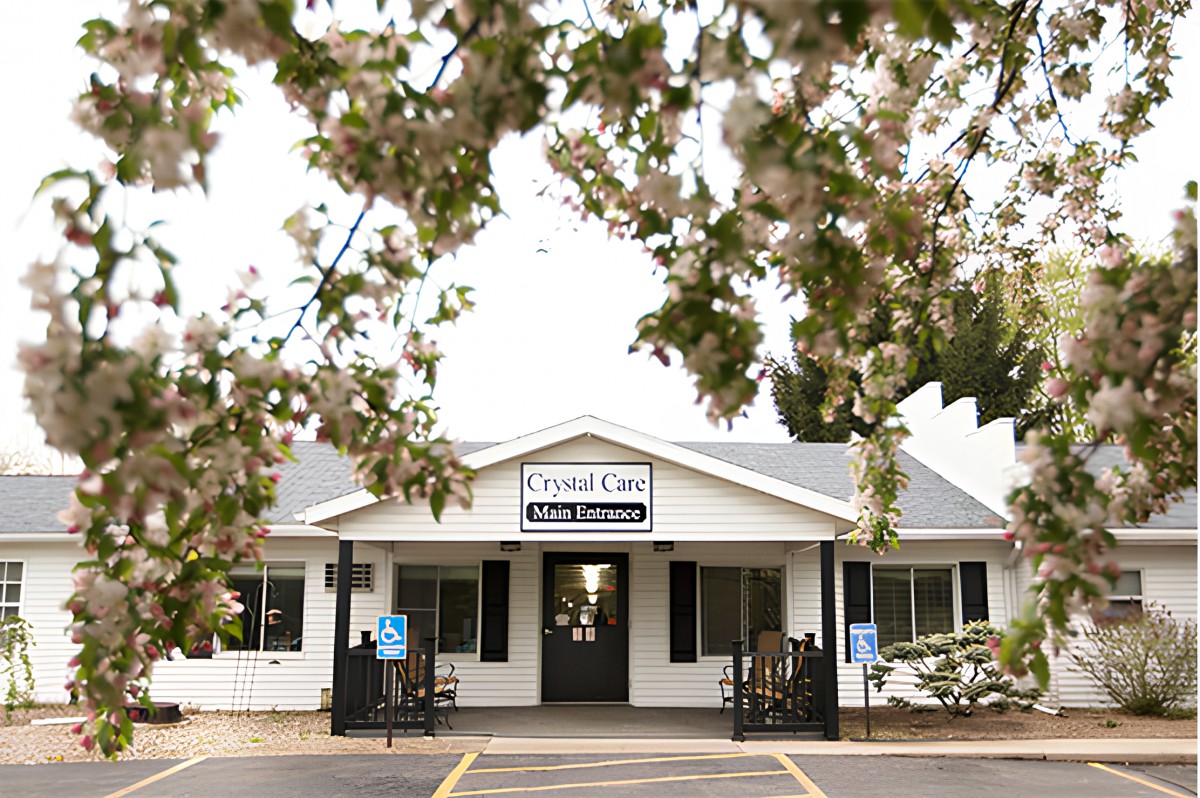
  • Building

    A small clinic building surrounded by blossoming trees.
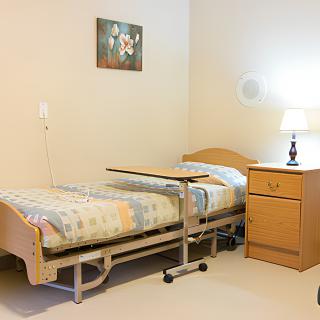
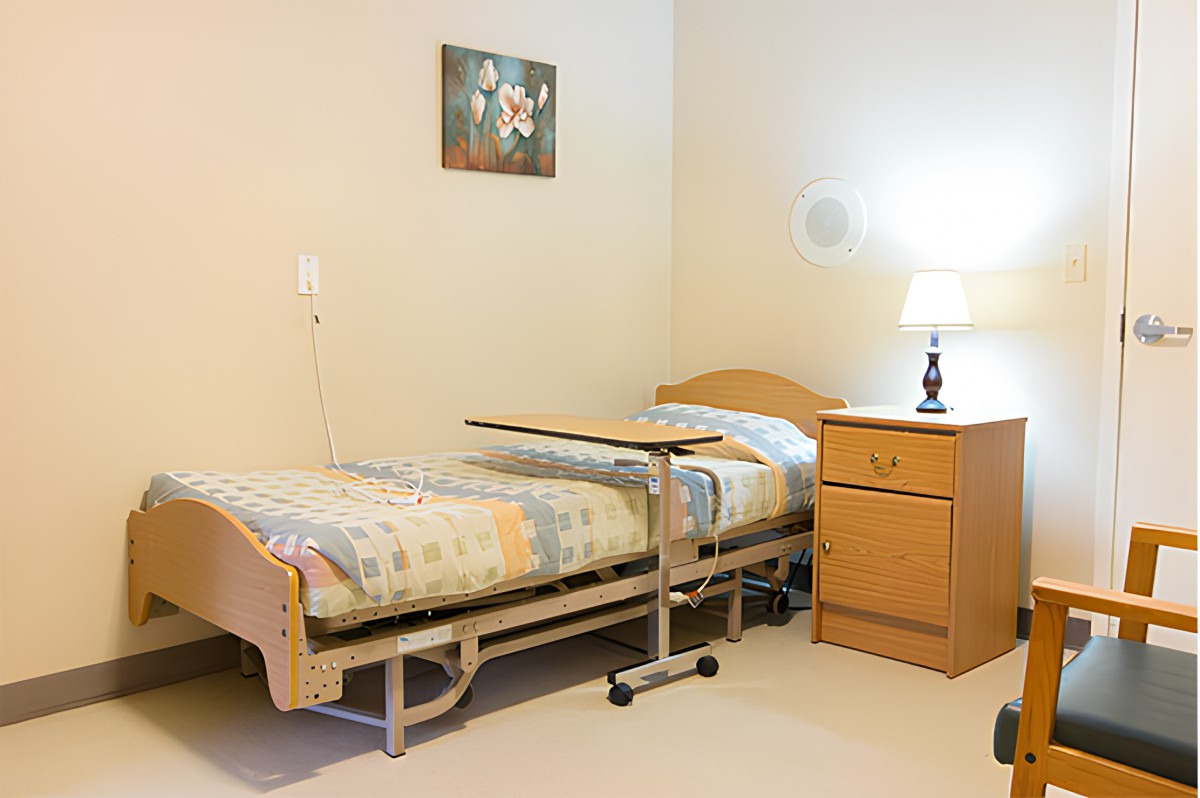
  • Bedroom

    A simple room with a hospital bed, nightstand, and lamp.
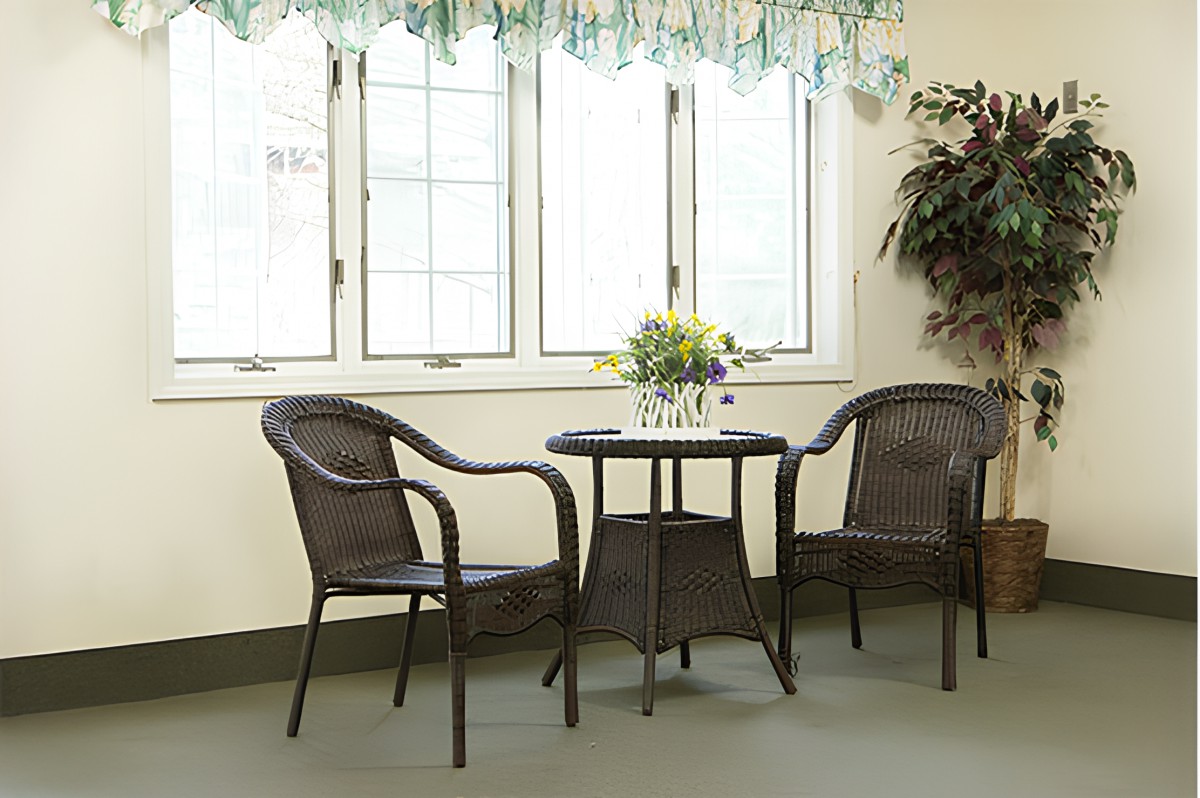
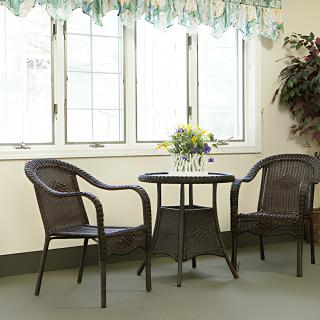
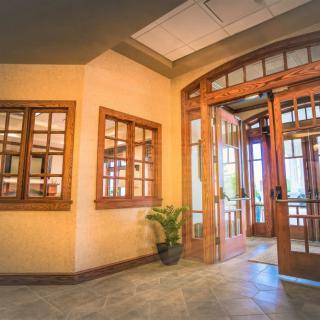
  • Windows

    A cozy indoor seating area with two wicker chairs and a round table, set near large windows and adorned with a vase of flowers.
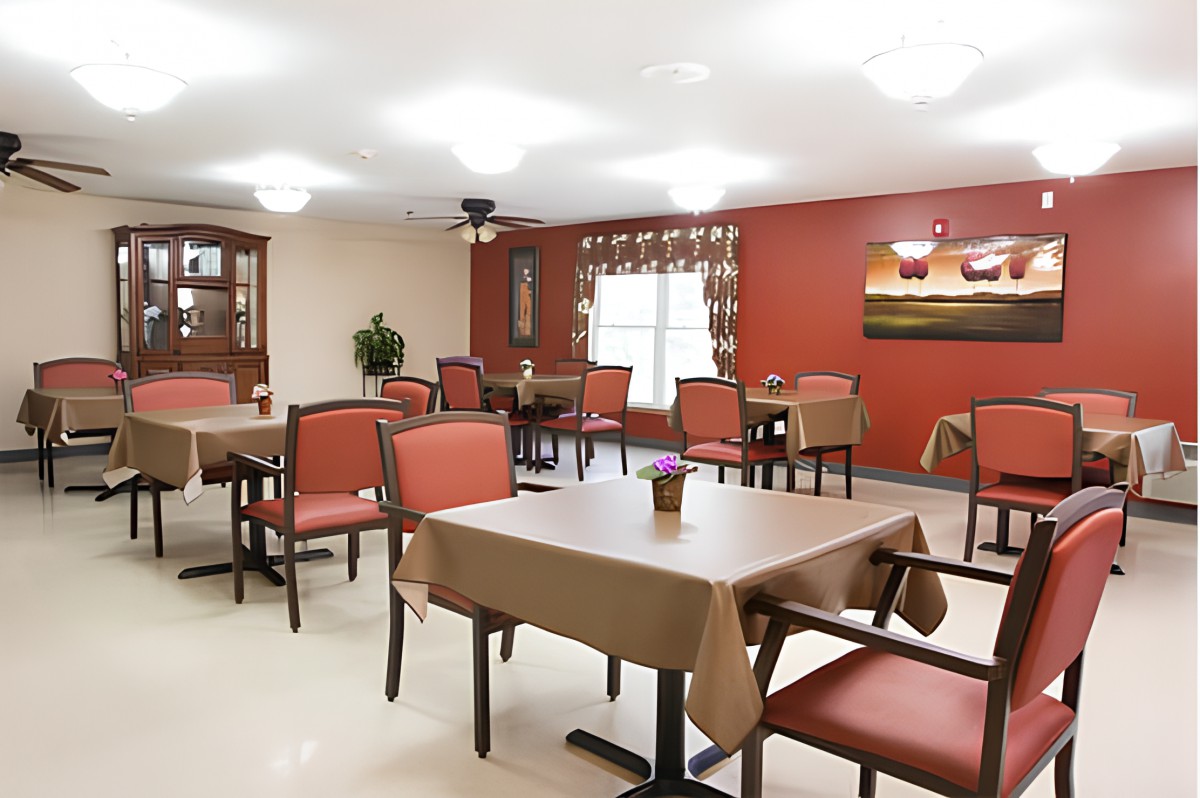
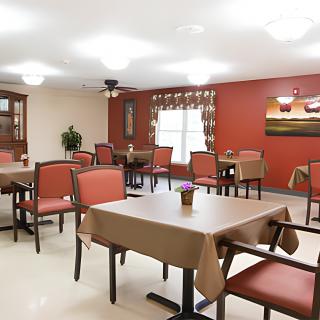
  • Dining

    A neatly arranged dining area with tables and chairs, decorated with artwork on the walls.
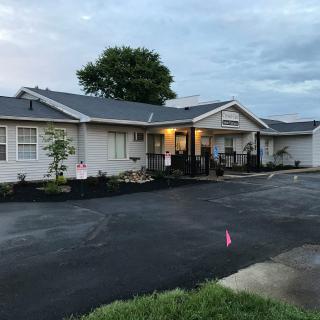
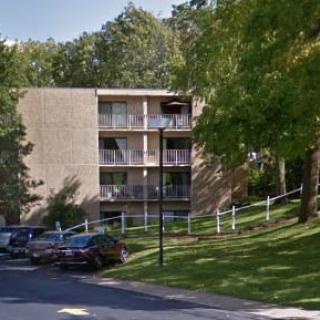
  • Landscaping

    A residential house with a driveway and landscaping at dusk.
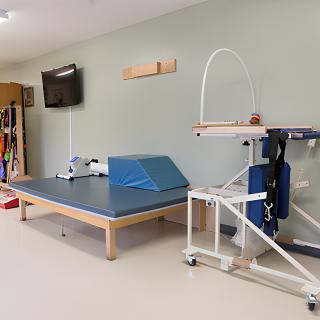
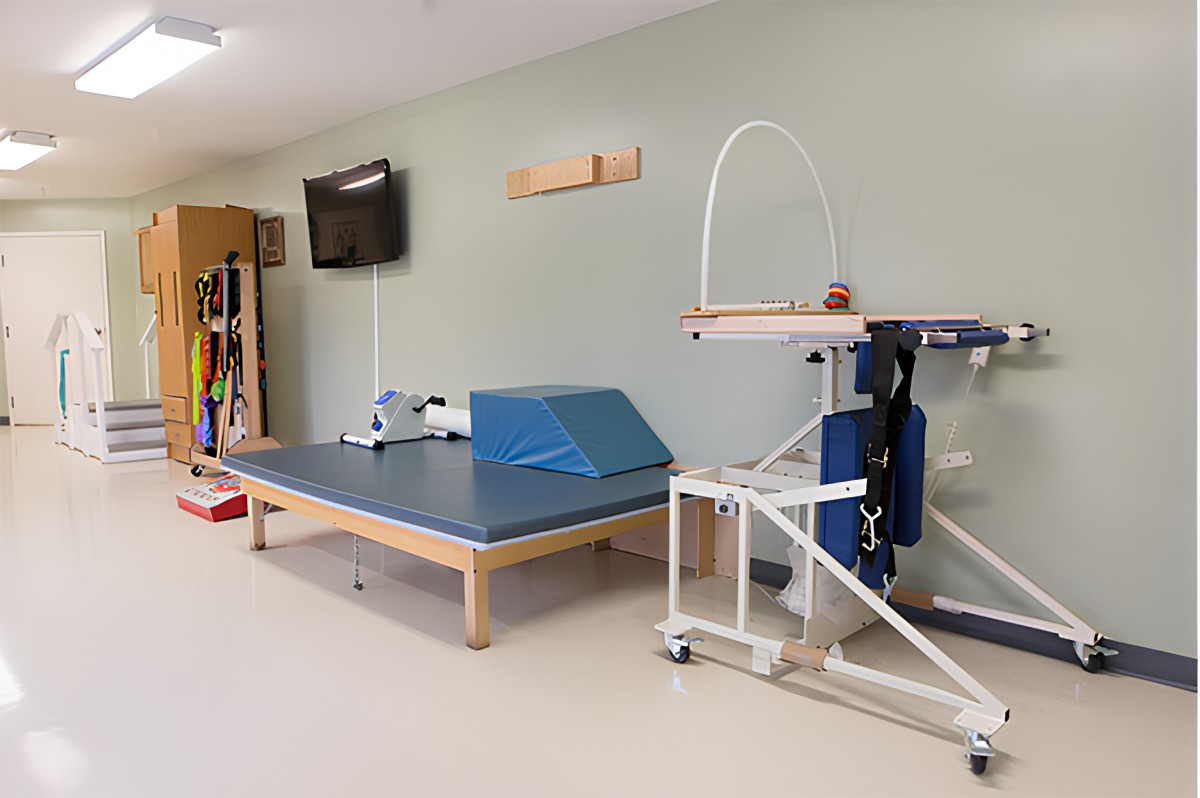
  • Exercise Equipment

    A physical therapy room equipped with exercise equipment and a treatment table.

Crystal Care Center Of Ashland

1251 East Main Street, Ashland, OH 44805

For more information about senior living options: (844) 490-3973

3.3 from 33 reviews
5 stars
18
4 stars
1
3 stars
0
2 stars
0
1 stars
14

Skilled Nursing Facility

Overall Review of Crystal Care Center Of Ashland

Pros

  • pro Billie was fantastic.
  • pro The social services director was sweet and helpful.
  • pro The activities director was a ray of positivity and energy. She truly stood out as someone who brought much-needed enthusiasm to the facility.
  • pro Penny in particular was like my cheerleader.
  • pro My dad has been to a few different nursing homes for therapy and Crystal Care is his favorite.
  • pro The staff took excellent care of a family member.
  • pro They went above and beyond to keep us informed.
  • pro My aunt was in this nursing home, she was so happy with the way she was treated.
  • pro They also do a great job with all the COVID precautions while still making it the best for our loved ones.
  • pro Great place, with incredible staff who truly care about the residents and their co workers.
  • pro My mother had to go for rehab. They took really good care of her there.
  • pro Allie from Crystal Care helped my mom with a spare right foot rest for her wheelchair.

Cons

  • pro The reviewer warns others not to take their loved ones to Crystal Care of Ashland.
  • pro The mother was not properly cared for and had to call an ambulance herself; she was assaulted by a male resident.
  • pro The facility allegedly left a known problematic resident unattended, who could enter the mother's room.
  • pro Crystal Care is described as constantly understaffed with little accountability or remorse.
  • pro The Ohio Department of Health reportedly found multiple deficiencies at Crystal Care across many areas.
  • pro The building is described as outdated, with an overpowering odor and even two mouse traps in a room.
  • pro Communication is poor: after-hours calls go unanswered, there is no voicemail, and responses can be delayed for days.
  • pro The nursing staff are described as overwhelmed, tired, unhappy, and sometimes condescending; call bells can go unanswered for up to 20 minutes.
  • pro There are instances of staff yelling at residents for routine requests (e.g., changing a brief).
  • pro Discharge medications were mishandled, leaving the patient without medications for days.
  • pro The facility is described as dirty, with bathrooms disgusting and sinks overflowing.
  • pro Billing practices are problematic, including late or erroneous final bills and unclear charges.
  • pro The administrator is said to avoid eye contact and not introduce himself.
  • pro Overall, the reviewers state they would not return or recommend Crystal Care.

Review

Crystal Care of Ashland leaves a complicated impression, with voices ranging from sharp condemnation to sincere praise. On one hand, several accounts depict a facility facing serious and ongoing challenges - outdated surroundings, odors that linger, and a sense that staffing is stretched thin. On the other hand, some visitors and residents describe moments of real care, competence, and warmth from particular staff members. Taken together, the experiences paint a picture of a place where care quality appears to swing on a knife edge between moments of genuine support and persistent systemic strains.

One of the most alarming narratives centers on a resident who needed urgent care and safety oversight. A mother was allegedly assaulted by a male resident in a room that the facility had previously knew was problematic. The reviewer asserts the facility left him unattended and able to enter the room, despite prior knowledge of the risk. The account goes further to claim consistent under-staffing and a lack of accountability and remorse from leadership. The complainant emphasizes that the Ohio Department of Health had investigated Crystal Care and found several deficiencies, urging readers not to take such accounts at face value but to do their homework. The same review notes systemic issues: long call-light delays (up to 20 minutes), overwhelmed nursing staff caring for 30 or more residents with only one or two aides, and aggressive or dismissive responses from staff when asked for help or basic needs. Discharge and medication problems are highlighted - three prescriptions supposedly never called in, leaving the resident to go two days without essential meds, with the nurse who discharged them reportedly rude until a nursing director apologized but did not immediately fix the issue. The review also mentions rudimentary communication barriers, including no voicemail and limited after-hours responsiveness.

Alongside this grave concern, other perspectives offer a far more nuanced or even favorable view of parts of Crystal Care. A separate, longer narrative from the same setting describes a different reality. After a brain bleed led to admission somewhere else, a patient spent a week recovering at Crystal Care and then returned home with home health support. In this account, the patient's week in rehabilitation felt guided by the therapists who pushed for progress, with Penny singled out as a particularly encouraging and motivating presence. The writer concedes that wait times for nurses could occur, recognizing that the caseload was heavy and some days were tougher than others. The sentiment here is that the effort and care from a subset of staff mattered a great deal, even if the overall daily experience involved some frustration with how quickly help arrived. The patient still rated the experience highly in contrast to the frustrations around staffing during busy periods.

A separate negative thread within the collective narrative focuses on the physical environment and daily safety. Reviewers report a smell that is stronger than what they might expect in a nursing facility, and in some views, the building appears dated. One account mentions two mouse traps found in a patient's room, contributing to a sense of neglect or insufficient housekeeping. There are also criticisms about the reliability of safety features (a light outside a patient's door, for example, that should illuminate but does not) and concerns about rehab frequency not meeting expectations. The frustrations are tied to broader impressions of disorganization: calls for help that don't surface promptly, and communication gaps between front-line staff, social services, and administrators. The social services director is described as sweet but overwhelmed, while the administrator is portrayed as not engaging or avoiding eye contact in hallways, adding to perceptions of a disconnect between leadership and daily patient care.

Amid these stark contrasts, several accounts highlight instances of warmth, attentiveness, and competence. Positive notes frequently center on specific staff members who made meaningful differences in residents' days. Billie, described as fantastic, is remembered fondly for creating a supportive and encouraging atmosphere for a resident who valued her therapy sessions. The activities director is praised for bringing energy and positivity, contributing to a brighter atmosphere in what could otherwise feel like a monotone routine. A caregiver named Allie is thanked for assisting with practical needs, such as helping a resident with a spare foot rest for a wheelchair. In another vein, a family member who had a loved one in rehab at Crystal Care emphasizes that the staff attempted to be helpful, responsive, and proactive, even if the overall facility experience included stiff challenges. A family member notes that the facility could be very clean at times and that certain staff made efforts to answer questions and advocate for the patient.

The mixed experiences extend to billing and administrative matters as well. One review complains about a "terrible" billing department, including a second bill received more than a year later and claims of "bold-faced liars" in response to what was described as poor management. Conversely, another account describes Crystal Care as a "great place" with incredible staff who genuinely care about residents and coworkers, and another reviewer positively highlights how staff supported a family through the rehab journey, going above and beyond to keep the family informed. These contradictory financial and administrative impressions further underscore how much residents' and families' experiences can diverge within the same facility.

Several reviewers also comment on how the facility handled infection control and pandemic-era precautions. One account praises the aunt's rehab experience as being managed with strong covid precautions while still prioritizing the resident's well-being, suggesting that, in some scenarios, Crystal Care can balance safety protocols with compassionate care. The overall tone suggests that when the right staff are present and when communication channels happen to be clear, Crystal Care can deliver meaningful rehabilitation and personal attention. But when staffing is stretched, communication falters, and leadership is perceived as disengaged, the experience shifts toward frustration and concern.

Taken together, the collection of voices about Crystal Care of Ashland reflects a facility with significant variability in care quality and daily operations. Some residents and families describe dangerous lapses in safety, delays in basic care, and disorganization that affects medication management and post-discharge planning. Others recount moments of strong clinical care, effective therapy, and personal connections with dedicated staff who went out of their way to help. The Ohio Department of Health's findings add a note of formal concern to the mix, signaling that there have been recognized deficiencies that prospective residents and families should weigh carefully alongside individual staff experiences. For anyone considering Crystal Care, the accounts urge thorough due diligence: visit in person, ask detailed questions about staffing levels and safety protocols, review the most recent state findings, and speak to multiple staff and residents to gauge the consistency of care and communication over time.

Features

Housing

  • 72 resident community capacity 72 resident community capacity

Types of Care

  • Skilled Nursing Facility Skilled Nursing FacilitySkilled Nursing Facilities are crucial for seniors as they provide round-the-clock medical care, rehabilitation services, and assistance with daily activities. These facilities ensure that seniors receive the specialized care they need to maintain their health and well-being as they age.

Amenities

  • Air-conditioning Air-conditioningAir conditioning is important for seniors as they are more vulnerable to heat-related illnesses and may have underlying health conditions that make it difficult for them to regulate their body temperature. It helps to keep them comfortable, safe, and healthy in hot weather.
  • Beauty salon Beauty salonBeauty salons are important for seniors because they provide a space for them to feel pampered, socialize, and maintain their personal grooming and hygiene. Regular visits to a beauty salon can help boost seniors' self-esteem and overall well-being.
  • Cable or satellite TV Cable or satellite TVCable or satellite TV is important for seniors because it provides entertainment, news, and companionship, helping to combat loneliness and boredom. It also offers a wide range of programming options tailored to different interests and preferences.
  • Computer center Computer centerA computer center is essential for seniors as it provides access to technology, communication tools, and resources that can enhance their daily lives. It allows them to stay connected with loved ones, engage in online activities, and learn new skills, ultimately promoting socialization and mental stimulation.
  • Dining room Dining roomDining rooms are important for seniors as they provide a space for socialization, connection, and nutritious meals. They offer opportunities for residents to bond over shared meals, foster a sense of community, and promote healthy eating habits. Dining rooms also ensure that seniors have access to well-balanced meals tailored to their dietary needs and preferences.
  • Fitness room Fitness roomHaving a fitness room in a senior living community is essential for seniors to stay active, maintain their physical health, and improve their overall well-being. Regular exercise can help prevent falls, reduce the risk of chronic diseases, and promote mental sharpness. It also provides social opportunities for residents to connect with others and enjoy a sense of community.
  • Fully furnished Fully furnishedFully furnished senior living communities are important for seniors because they provide convenience, comfort, and a hassle-free moving experience. Seniors can easily settle into their new living space without the stress of having to buy and move furniture. This allows them to focus on enjoying their new home and community.
  • Gaming room Gaming roomGaming rooms are important for seniors as they provide a fun and engaging environment for socializing, cognitive stimulation, and physical activity. Games can improve memory, problem-solving skills, and overall mental well-being while fostering friendships and reducing feelings of isolation.
  • Garden GardenGardens are important for seniors as they provide a peaceful and therapeutic environment for relaxation, physical activity, and socialization. Being in nature has been shown to reduce stress, improve mood, and promote overall well-being. Gardens also offer opportunities for seniors to engage in gardening activities, which can improve mobility, flexibility, and cognitive function. Additionally, gardens create a sense of community and connection with others who share a passion for plants and outdoor spaces.
  • Housekeeping services Housekeeping servicesHousekeeping services are important for seniors because they help maintain a clean and safe living environment, promote independence, and reduce the risk of accidents or illnesses. Additionally, having assistance with household chores can alleviate physical strain and allow seniors to focus on other aspects of their well-being.
  • Kitchenette KitchenetteKitchenettes are important for seniors living in senior living communities because they provide the convenience and independence of being able to prepare simple meals and snacks in the comfort of their own living space. This can help promote a sense of autonomy and well-being for seniors, allowing them to maintain some level of control over their dietary choices and daily routines.
  • Move-in coordination Move-in coordinationMove-in coordination is important for seniors because it helps ease the transition into their new living environment. It ensures that all logistics, such as packing, organizing movers, and setting up utilities are taken care of, allowing seniors to focus on settling in and adjusting to their new home. Having a smooth move-in process can alleviate stress and anxiety, making the transition smoother and more enjoyable for seniors.
  • Outdoor space Outdoor spaceOutdoor spaces are important for seniors as they provide opportunities for physical activity, social interaction, exposure to natural light and fresh air, and a sense of connection to nature. Having access to outdoor spaces can improve overall well-being and quality of life for older adults living in senior communities.
  • Private bathrooms Private bathroomsPrivate bathrooms are important for seniors in senior living communities because they provide independence, dignity, and comfort. Having a private bathroom allows seniors to maintain their personal hygiene routines without the need for assistance, promoting a sense of autonomy and privacy. Additionally, private bathrooms help prevent the spread of infections and provide a safe and clean environment for seniors to navigate safely.
  • Restaurant-style dining Restaurant-style diningRestaurant-style dining is important for seniors because it allows them to enjoy delicious, nutritious meals in a social and upscale setting. This enhances their dining experience, promotes healthy eating habits, and fosters socialization with fellow residents, ultimately contributing to their overall well-being and quality of life.
  • Small library Small librarySmall libraries are important for seniors as they provide access to a variety of reading materials, including books, newspapers, and magazines. This can help stimulate their minds, keep them engaged, and provide a sense of community through book clubs and other social activities. Additionally, reading has been shown to improve cognitive function and overall mental well-being in older adults.
  • Telephone TelephoneTelephones are important for seniors as they provide a lifeline for communication with loved ones, emergency services, and healthcare providers. They offer a sense of security and independence, enabling seniors to stay connected and access assistance when needed.
  • Wellness center Wellness centerWellness centers are important for seniors because they offer a variety of programs and services that promote physical, mental, and emotional well-being. These centers provide opportunities for exercise, socialization, education, and relaxation, helping seniors maintain their overall health and quality of life.
  • Wi-Fi/high-speed internet available Wi-Fi/high-speed internet availableWi-Fi/high-speed internet is important for seniors to stay connected with loved ones, access online resources, and participate in virtual activities to combat feelings of loneliness and isolation. It also allows them to easily manage healthcare needs, access entertainment, and engage in lifelong learning opportunities.

Transportation

  • Community operated transportation Community operated transportationCommunity operated transportation is crucial for seniors as it provides them with the means to access essential services, social activities, and medical appointments. It allows seniors to maintain their independence and quality of life by ensuring they can participate in activities outside of their homes. Additionally, community-operated transportation services offer a safe and reliable way for seniors to travel without having to rely on family or friends for assistance.
  • Transportation arrangement Transportation arrangementTransportation arrangements are crucial for seniors as they may face challenges with driving, mobility, or access to public transportation. Having reliable transportation services ensures that seniors can easily attend appointments, social activities, and maintain their independence and quality of life.
  • Transportation arrangement (non-medical) Transportation arrangement (non-medical)Transportation arrangements are essential for seniors as they provide access to essential services, activities, and social interactions outside the home. This service helps maintain independence, mobility, and overall well-being for seniors who may have limited transportation options.
  • Transportation to doctors appointments Transportation to doctors appointmentsTransportation to doctors appointments is crucial for seniors as it ensures they have access to necessary medical care and support, promoting their health and well-being. It allows them to receive timely treatment, monitor existing conditions, and address any new health concerns efficiently. Additionally, transportation services can help seniors maintain their independence and quality of life by enabling them to stay connected with their healthcare providers.

Care Services

  • 12-16 hour nursing 12-16 hour nursing12-16 hour nursing care is crucial for seniors in order to ensure around-the-clock monitoring, timely medication administration, and prompt response to any health concerns or emergencies. This level of care helps to promote the overall well-being and safety of seniors living in senior living communities.
  • 24-hour call system 24-hour call system24-hour call systems are important for seniors because they provide peace of mind and immediate assistance in case of emergencies. This technology ensures that help is always available, promoting safety and security for elderly individuals living alone or in assisted living facilities.
  • 24-hour supervision 24-hour supervision24-hour supervision is important for seniors to ensure their safety, well-being, and access to immediate assistance in case of emergencies or health issues. This constant support provides peace of mind for both seniors and their loved ones, allowing them to age in place with dignity and security.
  • Activities of daily living assistance Activities of daily living assistanceActivities of daily living assistance are important for seniors because they provide essential support with tasks such as eating, bathing, dressing, and mobility. This assistance helps seniors maintain their independence, dignity, and overall quality of life as they age.
  • Assistance with bathing Assistance with bathingAssistance with bathing is crucial for seniors as it helps maintain personal hygiene, prevents infections, and ensures their overall well-being and comfort. It also provides a sense of dignity and independence for seniors who may struggle with this task on their own.
  • Assistance with dressing Assistance with dressingAssistance with dressing is important for seniors because it helps maintain their independence, promotes personal hygiene, prevents accidents and injuries, and improves overall quality of life. This service ensures that seniors can continue to dress comfortably and confidently, despite any physical limitations they may have.
  • Assistance with transfers Assistance with transfersAssistance with transfers is crucial for seniors as it helps prevent falls and injuries, maintains their independence, and ensures they can safely navigate their living environment. It also provides peace of mind for both seniors and their loved ones.
  • Diabetes diet Diabetes dietA diabetes diet is crucial for seniors as it helps manage blood sugar levels, reduce risks of complications, and improve overall health and well-being. By following a balanced and nutritious diet tailored to their specific needs, seniors can better control their diabetes and enhance their quality of life.
  • Meal preparation and service Meal preparation and serviceMeal preparation and service are crucial for seniors as they may have limited mobility or energy to cook nutritious meals. Having access to healthy and convenient food options can ensure they are getting the proper nutrition needed to maintain their overall health and well-being.
  • Medication management Medication managementMedication management is crucial for seniors to ensure they are taking the right medications at the correct dosages and times. This helps prevent adverse drug interactions, reduces the risk of medication errors, and promotes overall health and well-being. Proactive management also allows for adjustments as needed based on changing health conditions or new prescriptions.
  • Mental wellness program Mental wellness programMental wellness programs are essential for seniors as they promote cognitive stimulation, emotional support, and social engagement. These programs help prevent isolation, depression, and cognitive decline, ultimately enhancing the overall quality of life for older adults.
  • Special dietary restrictions Special dietary restrictionsSpecial dietary restrictions are important for seniors because age-related changes in metabolism and health conditions can make it difficult for their bodies to process certain foods. By following a diet tailored to their specific needs, seniors can maintain their overall health and well-being, manage chronic conditions, and reduce the risk of complications such as malnutrition or food interactions with medications.

Dining

  • Diabetes diet Diabetes dietA diabetes diet is crucial for seniors as it helps manage blood sugar levels, reduce risks of complications, and improve overall health and well-being. By following a balanced and nutritious diet tailored to their specific needs, seniors can better control their diabetes and enhance their quality of life.
  • Special dietary restrictions Special dietary restrictionsSpecial dietary restrictions are important for seniors because age-related changes in metabolism and health conditions can make it difficult for their bodies to process certain foods. By following a diet tailored to their specific needs, seniors can maintain their overall health and well-being, manage chronic conditions, and reduce the risk of complications such as malnutrition or food interactions with medications.

Activities

  • Community-sponsored activities Community-sponsored activitiesCommunity-sponsored activities are important for seniors as they provide opportunities for social interaction, mental stimulation, and physical activity. These activities can help improve overall well-being, combat loneliness and isolation, and promote a sense of belonging and purpose among older adults.
  • Concierge services Concierge servicesConcierge services are essential for seniors as they provide assistance with daily tasks and errands, enhance their quality of life by offering convenience and personalized care, and promote a sense of safety and security.
  • Fitness programs Fitness programsFitness programs are crucial for seniors as they help improve strength, flexibility, balance, and overall well-being. Staying active can reduce the risk of chronic diseases, improve mental health, and enhance quality of life in older adults.
  • Planned day trips Planned day tripsPlanned day trips are important for seniors because they offer opportunities for socialization, mental stimulation, and physical activity. They provide a change of scenery and help seniors stay engaged and connected to their community, promoting overall well-being and quality of life.
  • Resident-run activities Resident-run activitiesResident-run activities are important for seniors as they encourage social interaction, creativity, and a sense of autonomy. These activities empower seniors to stay engaged and active in their community while fostering meaningful connections with their peers.
  • Scheduled daily activities Scheduled daily activitiesScheduled daily activities are important for seniors because they provide structure, socialization, mental stimulation, and physical activity. Engaging in regular activities can improve overall well-being and quality of life for seniors living in a community setting.

Description

The Crystal Care Center Of Ashland in Ashland, OH is a vibrant and comfortable assisted living community offering a wide range of amenities and care services. Residents will feel pampered with the convenience of an on-site beauty salon, fully furnished accommodations, and housekeeping services to ensure their living spaces are always clean and tidy. They can relax and socialize in various common areas such as the gaming room, small library, or outdoor spaces like the garden.

The community also features a dining room where residents can enjoy delicious restaurant-style meals prepared by the staff, with special dietary restrictions taken into consideration. For those who prefer to cook for themselves, there is a kitchenette available. In addition to providing nutritious meals, the staff at Crystal Care Center assist residents with activities of daily living including bathing, dressing, and transfers.

Residents' well-being is also prioritized through various wellness programs and fitness activities offered in the fitness room or organized day trips. Mental wellness programs are available to ensure that residents are provided with emotional support and assistance when needed. The center also boasts modern technology conveniences like Wi-Fi/high-speed internet access and a computer center.

Transportation arrangements are provided for both non-medical needs and medical appointments to ensure that residents have easy access to nearby cafes, parks, pharmacies, restaurants, places of worship, physicians' offices, as well as hospitals.

Overall, Crystal Care Center Of Ashland strives to create a warm and welcoming environment where residents can enjoy independence while receiving high-quality care and enjoying a fulfilling lifestyle in the heart of Ashland.

Videos

Nearby Places of Interest

Restaurants

  • Bob Evans (0.1 miles)
  • Casa Fiesta (0.2 miles)
  • Ashland-Wooster Drive In (0.2 miles)
  • KFC (0.3 miles)
  • Burger King (0.4 miles)
  • Chipotle Mexican Grill (1 miles)
  • McDonald's (1.3 miles)

Cafes

  • Tim Hortons (0.2 miles)
  • Starbucks (1.5 miles)
  • Keats Coffee (1.6 miles)
  • Grandpa's Cheesebarn (2 miles)
  • Tim Hortons (11.4 miles)
  • Open Door Cafe (13.1 miles)

Parks

  • Jamieson Creek Nature Preserve (0.4 miles)
  • Freer Field (1.1 miles)
  • Brookside Park (2.1 miles)
  • Brookside West Park (3.1 miles)
  • Gilliom-Cherp Nature Park (3.7 miles)
  • Byers Woods (4.5 miles)
  • Jeromesville Central Park (6.6 miles)

Physicians

  • Farrar Edwin L DDS (0.4 miles)
  • Sugarbush Eye and Laser Center (0.4 miles)
  • Cleveland Clinic Cole Eye Institute (0.4 miles)
  • Akron Children's Hospital Pediatrics (0.7 miles)
  • Mid-Ohio Orthopaedics Wellness Center (0.8 miles)
  • Mid Ohio Orthopaedics & Sports Medicine (0.8 miles)
  • Ashland Surgical Care (1 miles)

Places of Worship

  • Genesis (0.6 miles)
  • First Church Of The Brethren (1.3 miles)
  • Jehovah's Witnesses-Ashland (1.5 miles)
  • Jack and Deb Miller Chapel (1.6 miles)
  • Grace Brethren Church (2.4 miles)
  • Pursuit Student Ministries (2.4 miles)
  • Nankin Federated Church (4 miles)

Pharmacies

  • CVS Pharmacy (0.9 miles)
  • Samaritan Retail Pharmacy (1.1 miles)
  • Good Neighbor Pharmacy (2.1 miles)
  • Rite Aid (2.1 miles)

Hospitals

  • Samaritan Regional Health System (1.1 miles)
  • Kindred Healthcare (14.6 miles)
  • Medcentral Health System (14.6 miles)
  • Kindred Hospital Central Ohio (14.6 miles)

Transportation

  • Ashland County Airport (3G4) (3 miles)

Frequently Asked Questions

Where is Crystal Care Center Of Ashland?
What photos are available for Crystal Care Center Of Ashland in Ashland, Ohio?

Nearby Communities

Skilled Nursing Facility in Nearby Cities

Related Resources

  • elderly fall preventionComprehensive Insights and Practical Strategies to Help Older Adults Avoid Falls

    The article highlights the high risk of falls among older adults due to factors like muscle weakness, vision issues, and environmental hazards, with one in four experiencing a fall annually. It advocates for a comprehensive prevention approach that includes exercise, home safety modifications, medication management, social support, and caregiver involvement.

  • what does an elder law attorney do6 Crucial Ways an Elder Law Attorney Assists Families

    Elder law attorneys assist older adults and their families with legal matters such as estate planning, Medicaid eligibility, and guardianships, while also providing protection against elder abuse. They help navigate complex regulations to safeguard financial resources, ensure well-being, and maintain autonomy for seniors.

  • tax implications of parent living with youNavigating the Tax Landscape of Caregiving: Credits, Deductions, and Beyond
    Caregiving for an aging parent entails emotional and financial responsibilities accompanied by significant tax implications, including potential benefits from claiming them as dependents and deductions for medical expenses and caregiving costs. Caregivers must understand eligibility requirements, maintain thorough documentation, and consider consulting a tax professional to navigate these complexities effectively.