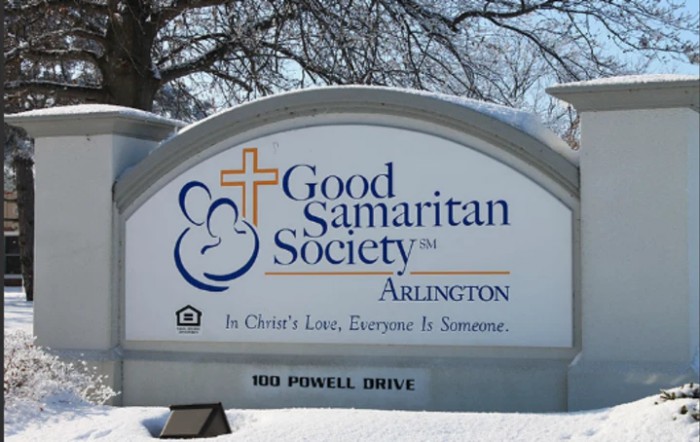
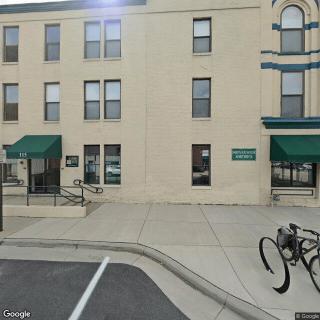
100 Powell Drive, Arlington, OH 45814
For more information about senior living options: (866) 208-4318
Overall Review of Arlington Good Samaritan Cente
Pros
 They are doing very well at Good Samaritan Society.
- The staff is very nice and courteous to both the guardian and the resident.
- It is a very clean facility.
- The staff is very professional.
- The food there is very good.
Cons
 The facility does not appear to be Christian.
 - Religious engagement is limited to Sunday evening services and a pastor visiting, which the reviewer views as the extent of it.
- Call buttons for help are not connected to an alarm and only light up above the room door, so staff may not know when a resident needs assistance.
- Most of the aides are lazy and indifferent to residents' needs.
- The facility is not clean; room and bathroom floors are not cleaned, with only the center area cleaned.
- The food has occasional bad meals.
Review
Arlington Good Samaritan Center in Arlington, Ohio is best suited for families that want a steady, professional environment with courteous staff, reliable daily routines, and respectable meal service. The right fit is a resident who values predictable interactions and a facility that feels like a solid, everyday home rather than a high-end destination. The branding and tone may carry faith-based overtones, and that can be appealing to some families, though one reviewer questioned the strength of the Christian identity. In short, this community works for those who prioritize dependable operation and thoughtful, respectful treatment over niche luxuries or a tightly branded religious experience.
Those who may want to consider alternatives include families with non-negotiable safety features and pristine, consistently clean surroundings. The strongest caveat here is the inconsistency users report in care responsiveness and environment. If 24/7, alarm-connected call bells and absolute cleanliness in every room are must-haves, this campus may fall short. Additionally, for residents or families seeking a clearly expressed and uninterrupted faith-based program, the mixed signals about religious presence could be a deciding factor, some tours or conversations may reveal more or less emphasis on spiritual programming than expected. In short, options with more uniform safety systems and a visibly active, purpose-built religious life may be preferable.
The positives do present a meaningful balance for the right resident. Courteous, professional staff who demonstrate respectful interactions with both residents and families can make daily care feel considerate and dependable. When meals land well, they provide one of the most tangible daily comforts, contributing to overall satisfaction and a sense of normalcy. Cleanliness can be good in areas that receive consistent attention, and resident life can feel organized and predictable. For families prioritizing dignity, courtesy, and reliable meal quality, these strengths can offset some everyday frustrations, especially when coupled with a calm, routine atmosphere that minimizes confusion for a resident who values structure.
Yet the most consequential drawbacks cannot be dismissed. A call system that lights only above the door and does not actively alert staff down the hallway represents a significant safety risk for residents needing timely assistance. Reports of aides who seem disengaged or slow to respond amplify concerns about day-to-day safety and comfort. Cleanliness is described as uneven, with some areas appearing well-kept while others look neglected; this inconsistency undermines trust in the facility’s ability to maintain a safe and sanitary living space. Taken together, these issues weigh heavily against the brighter notes in staff courtesy and meal quality, particularly for residents who require prompt help and meticulous housekeeping.
For families evaluating this campus, practical due diligence is essential. During visits, insist on testing the call-bell system in multiple rooms and zones, noting response times and whether staff acknowledge alarms quickly. Inspect the cleanliness of resident rooms, bathrooms, and common areas beyond the most visible spaces; ask for recent housekeeping schedules and maintenance logs to gauge ongoing attention. Speak with several staff members about typical daytime and evening shifts to understand staffing levels and how often aides are redeployed. Probe the religious programming and confirm what actively happens on Sundays and throughout the week if faith engagement is important. Finally, request candid conversations with current residents or guardians to hear firsthand about responsiveness, cleanliness, and overall satisfaction.
In conclusion, Arlington Good Samaritan Center can be a solid choice for families who prize courteous staff, dependable meals, and a stable, respectful living environment, provided patience is exercised with the realities of variable cleanliness and safety systems. The key decision hinges on tolerating the risk of non-connected call bells and uneven housekeeping against the value of professional care and predictable routines. If these flaws feel too limiting or if a consistently connected alarm system and uniformly pristine conditions are non-negotiable, exploring alternatives, whether other Good Samaritan campuses with stronger safety features or different assisted living options, will be prudent. The path forward should be guided by a thorough, in-person assessment that tests safety, cleanliness, staffing reliability, and the authenticity of any faith-based programming.
 50 resident community capacity
 Continuing Care Retirement Community (CCRC)
 Skilled Nursing Facility
 Beauty salon
 Cable or satellite TV
 Dining room
 Fully furnished
 Garden
 Housekeeping services
 Kitchenette
 Move-in coordination
 Outdoor space
 Restaurant-style dining
 Small library
 Telephone
 Wi-Fi/high-speed internet available
 24-hour call system
 Activities of daily living assistance
 Assistance with bathing
 Assistance with dressing
 Assistance with transfers
 Diabetes diet
 Medication management
 Mental wellness program
 Special dietary restrictions



 In-Home Care Costs in 2025: A Detailed State-by-State Exploration
 Understanding Home Health Care: A Comprehensive Guide
 Home Health Care Demystified: A Comprehensive Guide for Families and Caregivers