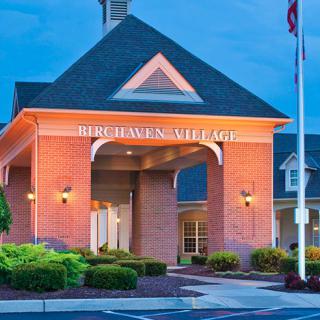
Legacy of St Catherine's

8345 County Road 140, Findlay, OH 45840

For more information about senior living options: (844) 490-3973

3 from 2 reviews
Independent Living

Overall Review of Legacy of St Catherine's

Pros

  • pro It is described as a great place to live.
  • pro The community is for residents who are 55 and older or handicapped.
  • pro Rent is based on income, providing affordability for residents.

Cons

  • pro The property constantly floods and nothing is done about it.
  • pro The elder community is left homeless while the on-site manager stays in her apartment.
  • pro Flood damage is patched with band-aids or left unfinished.
  • pro Tenants have no choice but to leave their homes.
  • pro Many tenants lack family nearby to fall back on.
  • pro Maintenance is offered with poor excuses and little real action.
  • pro The situation calls into question whether this is truly a community for elders.

Review

The place described reads like two halves of a single story, each half offering a starkly different testament to what life is like there for seniors and disabled residents. On one side, the atmosphere is dominated by worry and upheaval - the kind that makes a home feel more like a temporary shelter than a lasting refuge. The word "floods" recurs with alarming regularity, painting a picture of water intrusions that seem to be constant rather than occasional. The sense left by these accounts is not just damp walls or soggy floors, but a persistent reminder that the environment itself is unreliable and threatening to the very people this community is meant to serve.

From these critiques, a troubling sequence of events unfolds. The problem is described as ongoing and unaddressed, with superficial fixes serving as little more than short-term patches. The most painful consequences are borne by the elderly residents, who are said to be left homeless as the due process or support systems fail to provide a stable resolution. The tone suggests a breakdown in leadership and accountability: the on-site manager, rather than addressing the crisis, is portrayed as comfortably housed in her own apartment, a detail that fuels feelings of neglect and disconnect from the residents' hardships. It's a narrative of misaligned priorities, where urgent needs - such as preventing flood damage and safeguarding livability - appear to be postponed or minimized.

The imagery of "band-aids" over flood damage evokes a culture of stopgap measures rather than durable solutions. When maintenance is described as a poor or inconsistent excuse, the implications extend beyond water in the halls to a broader erosion of trust. Tenants, many of whom may lack family in the area to assist them, are depicted as bearing the brunt of these shortcomings. The sense of helplessness is palpable: people are told there is no real recourse beyond leaving their homes, not because they want to, but because the infrastructure and management are not delivering the basic, ongoing care that a community for elders should provide. The emotional weight of such experiences - fear of displacement, disruption of routines, and the fragility of one's housing - creates a lasting impression of insecurity.

Yet alongside these troubling accounts sits a contrasting perspective that casts the same place in a very different light. This other view speaks of a community that can truly function as a home, particularly for those who are 55 and older or disabled. The emphasis here is on the structure that makes housing affordable: rent is based on income, a feature that can transform a frightening, precarious situation into something more stable and predictable. For residents who qualify, the cost of living is tethered to the capacity to pay, which can relieve financial pressures and enable a sense of normalcy and security that seems otherwise elusive in the flood-prone narrative.

The juxtaposition raises important questions about what counts as a "great place to live" in a senior housing context. For some, the affordability and targeted eligibility create a welcoming environment where residents can thrive without being overwhelmed by rent or by uncertainty about basic housing rights. For others, the same environment feels precarious and even unsafe, with natural disasters like floods compounding the already demanding realities of aging or living with a disability. The two voices together suggest that the quality of life in this community is not monolithic; it depends heavily on individual experiences, the state of the facilities, and how responsive the management is to real, day-to-day needs.

Taken together, these reviews paint a complex, sometimes contradictory portrait of life in this housing setting. There is clearly potential for a supportive, affordable home that prioritizes elder and disabled residents, especially for those who rely on income-based rent to maintain stability. However, the same place is also described as prone to recurrent flooding and ongoing maintenance problems that leave residents feeling exposed and underserved. The underlying message is not simply one of good or bad leadership, but of a system with uneven performance: when it works, it can be a lifeline; when it falters, it can rapidly destabilize the lives of the people who depend on it the most.

For anyone considering moving there, the takeaways are practical as well as emotional. Prospective residents should weigh the real benefits of affordable, age- or disability-based eligibility against the lived experiences of current residents who describe flood-prone conditions and inconsistent maintenance. It would be wise to seek out firsthand conversations with tenants, request up-to-date records on repairs and flood mitigation, and observe how the on-site management engages with residents during a crisis. This dual reality - where a place can feel like a welcoming home to some and a fragile shelter to others - highlights the importance of transparency, consistent maintenance, and a responsive leadership that can reconcile the needs of vulnerable elders with the resources necessary to keep them safe and secure.

Features

Types of Care

  • Independent Living Independent LivingIndependent living communities are important for seniors because they offer a safe and supportive environment where older adults can live independently while still having access to amenities and services that enhance their quality of life. These communities provide social opportunities, recreational activities, and assistance with daily tasks, promoting overall well-being and allowing seniors to maintain their independence for as long as possible.

Description

Welcome to St. Catherine's Assisted Living Community in Findlay, OH, where comfort meets care in a vibrant and engaging environment. Nestled within a thriving neighborhood, St. Catherine's offers residents a warm and inviting atmosphere that promotes independence while providing the necessary support for daily living.

Our community is ideally situated near an array of amenities to enhance your lifestyle. Within close proximity, you’ll find three charming cafes perfect for a casual outing or catching up with friends over coffee. For those who enjoy the outdoors, there are six beautiful parks nearby, offering scenic walking paths, tranquil picnic spots, and opportunities for recreational activities.

Healthcare needs are easily addressed with seven pharmacies and two hospitals located nearby, ensuring that medical assistance is always within reach. With 29 physicians in the vicinity, residents can feel secure knowing they have access to quality healthcare services right at their doorstep.

Dining options abound with 42 restaurants in the area, catering to a variety of tastes and cuisines—ideal for social gatherings or family visits. Our community also understands the importance of spirituality and connection; thus, we boast nine places of worship nearby that serve various denominations.

Cultural entertainment is made easy with one theater just around the corner, providing an opportunity for residents to enjoy films and live performances without traveling far from home. Additionally, our location includes convenient transportation options to facilitate outings and appointments.

At St. Catherine's Assisted Living Community, we prioritize creating an enriching experience filled with fellowship and support. We invite you to become part of our family where every day can be enjoyed at your own pace amidst caring staff and like-minded neighbors.

Nearby Places of Interest

Restaurants

  • Fricker's (0.7 miles)
  • Tony's Restaurant (0.9 miles)
  • Waffle House (1.2 miles)
  • Chipotle Mexican Grill (1.2 miles)
  • Bob Evans (1.2 miles)
  • Denny's (1.2 miles)
  • Cracker Barrel (1.3 miles)

Pharmacies

  • Walmart Pharmacy (1 miles)
  • Rite Aid (2 miles)
  • Rite Aid (2.2 miles)
  • CVS Pharmacy (2.4 miles)
  • Kroger Pharmacy (2.6 miles)
  • Scarbrough Pharmacy (2.7 miles)
  • Bundes Research Chemicals Shop (3.5 miles)

Physicians

  • Plastic Surgery & Aesthetics of Northwest Ohio (1.1 miles)
  • ENT & Allergy Specialists of Northwest Ohio (1.1 miles)
  • John D. Seng O.D. (1.9 miles)
  • Eyes on Main - Findlay (2 miles)
  • Cascades Women's Health (2.5 miles)
  • Cascades Urology Center (2.5 miles)
  • Century Health (2.5 miles)

Places of Worship

  • Gateway Church (1.3 miles)
  • Saint Michael the Archangel (1.5 miles)
  • Connections Church (1.7 miles)
  • College First Church of God, Winebrenner Service (1.9 miles)
  • Tabernacle Church of Christ (2.5 miles)
  • Howard United Methodist Church (3.1 miles)
  • St John's Evangelical Luth Church ELCA (3.7 miles)

Parks

  • Emory Adams Park (1.4 miles)
  • Swale Park (1.6 miles)
  • Mound Park (2.1 miles)
  • Riverside Park (2.9 miles)
  • Firestine Park (3 miles)
  • Findlay Recreation Department (3.1 miles)

Theaters

  • AMC CLASSIC Findlay 12 (1.6 miles)

Transportation

  • U-Haul Neighborhood Dealer (1.9 miles)

Hospitals

  • Blanchard Valley Hospital (2 miles)
  • Tele-Care (2.8 miles)

Cafes

  • We Serve. Coffee (2.1 miles)
  • Fern Cafe (2.4 miles)
  • Fort Findlay Coffee & Doughnut Shoppe (2.9 miles)

Frequently Asked Questions

Where is Legacy of St Catherine's?

Nearby Communities

Related Resources

  • palliative care at homeComprehensive Insights into Palliative Home Care: What It Is and What to Expect

    Palliative home care focuses on improving the quality of life for individuals with serious illnesses by providing comfort, symptom management, and emotional support in their own homes. This approach includes personalized care plans, regular assessments, and resources for family caregivers, all while prioritizing person-centered treatment that aligns with patients' goals.

  • skilled nursing facility vs nursing homeSkilled Nursing Facilities vs. Nursing Homes: Making Sense of the Differences

    Skilled nursing facilities (SNFs) provide high-level medical care and rehabilitation for short-term recovery, typically covered by Medicare after hospitalization, while nursing homes focus on ongoing custodial care for chronic conditions, mainly funded by Medicaid or private payments. The staffing and regulatory structures differ significantly between the two, necessitating clarity for families in choosing appropriate long-term care options.

  • nursing home costsA Detailed Examination of Nursing Home Costs Across the U.S.

    Nursing home care costs in the U.S. vary significantly based on location, level of care, and amenities, with private room prices ranging from approximately $6,700 to over $30,000 monthly. Families need to explore various payment options and conduct thorough research to manage these expenses effectively.