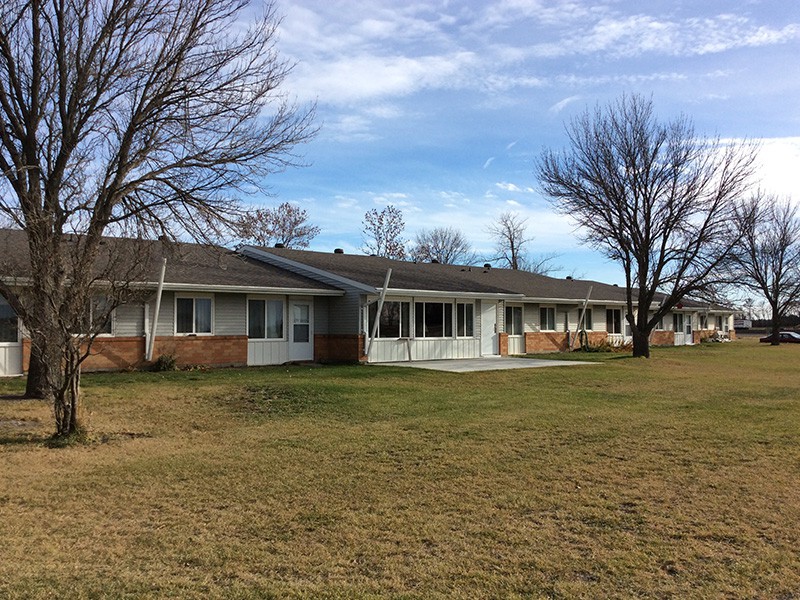



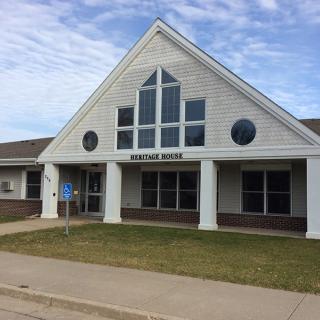

1226 1St Avenue N, New Rockford, ND 58356
For more information about senior living options: (866) 208-4318
Overall Review of Lutheran Home Of The Good Shepherd
Pros
 The facility is nice.
- The staff are very caring and kind.
- The care is wonderful.
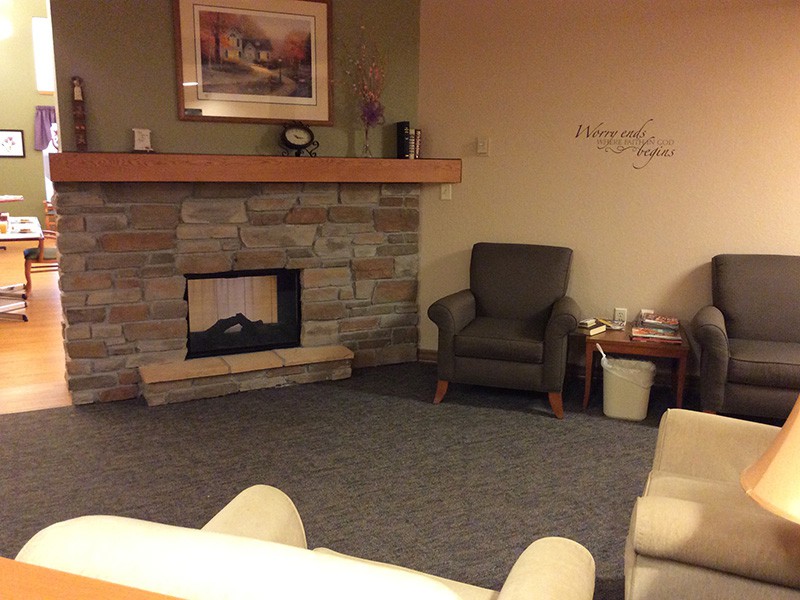
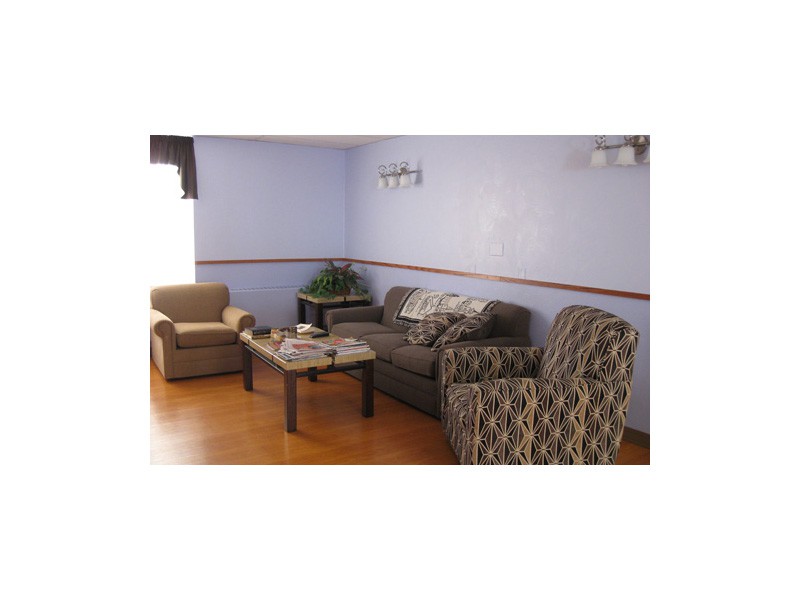
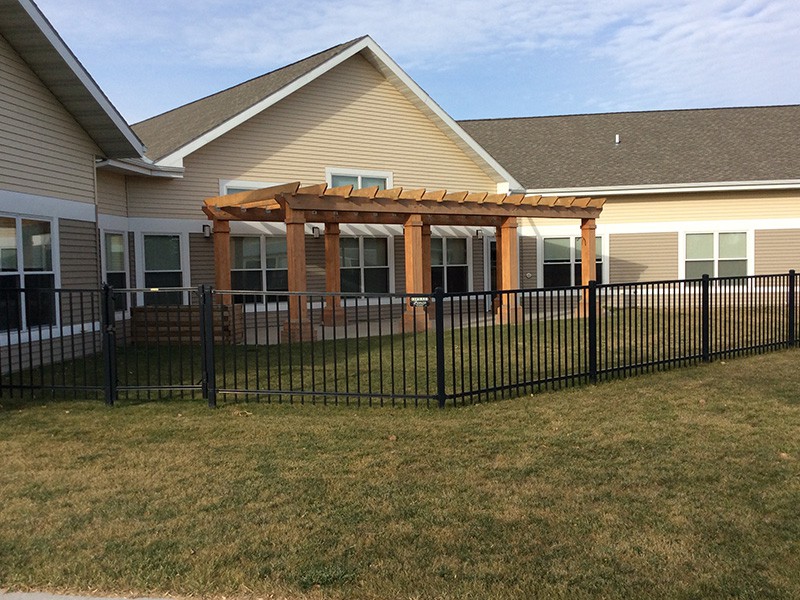
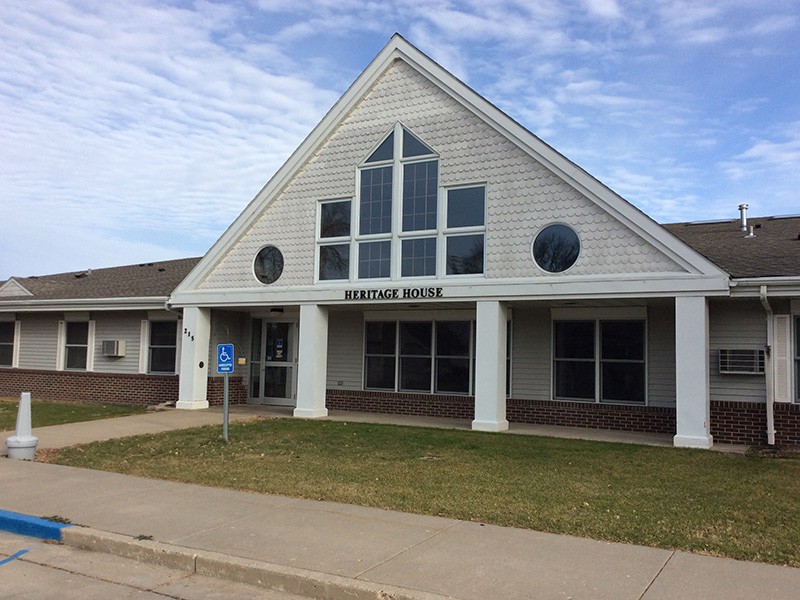
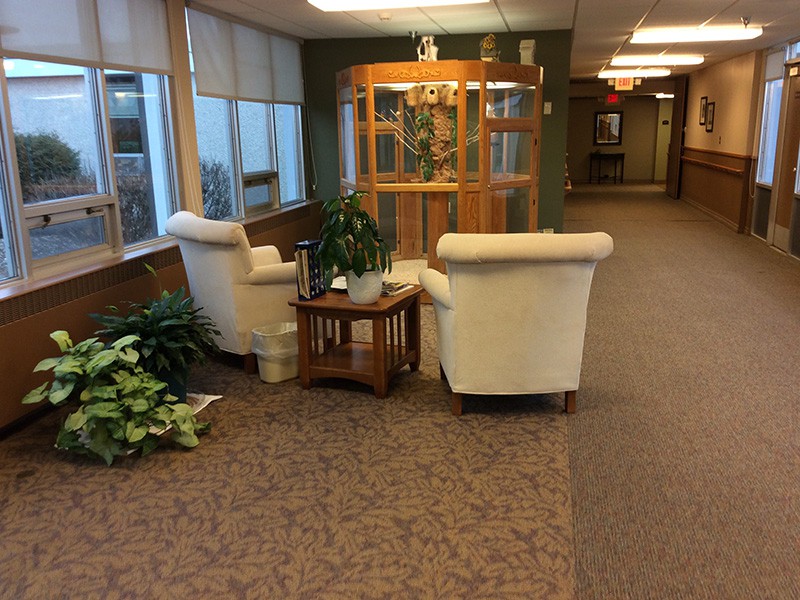
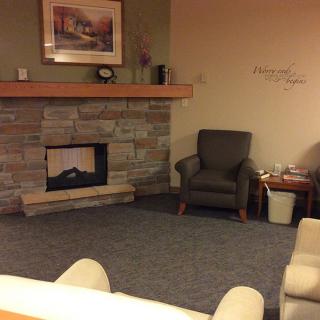
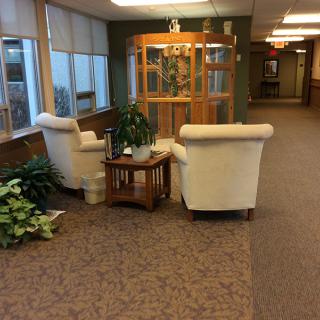
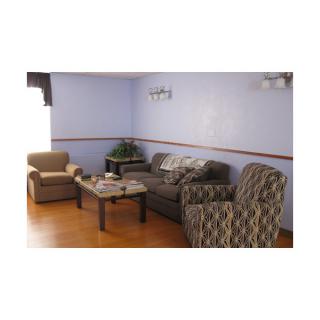
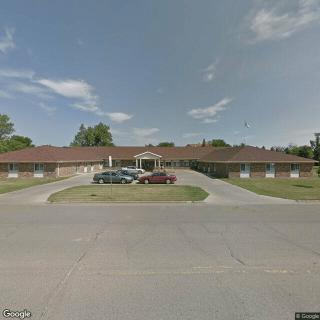
- The home is beautiful and feels more like a home.
- The aides are great and feel like family to residents.
- The home provides conveniences like a hairdresser and supportive recovery services.
Review
Lutheran Home Of The Good Shepherd in New Rockford is best suited for seniors who want a warm, home-like environment with consistently caring staff and reliable rehab support after procedures. The community excels when a gentle, family-centered atmosphere matters most, where aides are described as wonderful and where residents and their families feel treated as part of a larger caregiving team. It suits couples or siblings seeking care for one another in a setting that feels intimate rather than institutional, with a beauty of place that reinforces comfort during recovery or ongoing assistance.
Those who should consider alternatives are residents chasing a broader range of services or a more extensive programming calendar. If independence is a primary goal, if a need exists for highly specialized memory care, or if a larger campus with diverse medical resources, travel-time options, or more varied social activities is essential, exploring other communities may yield better fit. The small-town footprint and the strong emphasis on a homelike pace work wonderfully for many, but may fall short for those with complex, highly variable medical needs or a desire for more urban convenience.
Pros are clear and compelling: the care is described as wonderful, with staff who are not only competent but genuinely kind and approachable. The facility’s atmosphere is repeatedly characterized as home-like and beautiful, which matters for mood, appetite, and overall satisfaction. Rehab after surgery, evidenced by at least one resident’s two shoulder procedures, appears well integrated, with on-site support that helps residents regain strength without frequent transfers. A hairdresser on site and the sense that staff and “aids” treat residents like family further reinforce the practical advantages of choosing this community for daily life and recuperation.
The main limitations that emerge from the experience data are more subtle and situational than dramatic. While the overall rating is strong (4.2 out of 5 with multiple five-star voices and only one low rating), the existence of a single 1-star review suggests that not every resident or family will share the same level of satisfaction. The most tangible trade-offs are inherent in a smaller, faith-centered facility in a rural setting: fewer pockets of specialized programming, potentially slower access to a broader spectrum of services, and less variety in activities than larger urban communities. Families should be aware that if the schedule and array of amenities matter as much as personal attention, a broader campus might be worth evaluating.
In weighing pros against cons, the decisive factors tilt strongly toward compassion and stability. The standout caregiving culture and the home-like environment offset the relatively narrower service menu because for many families the priority is steady, attentive care and emotional security, especially during recovery or during the transfer of a loved one’s health trajectory. The ability to receive rehab on site, paired with the presence of familiar staff and a supportive atmosphere during difficult moments (such as a loved one passing), delivers value that is difficult to reproduce in a more expansive, impersonal setting. For residents who prize trust, continuity, and a sense of belonging, these positives deeply outweigh the potential downsides.
For families evaluating options, the recommended next steps are practical: arrange in-person visits to assess staff interactions and the daily rhythm, verify the level of medical oversight and rehab availability, and ask detailed questions about room options, dining, and transportation for appointments. Confirm the community’s approach to memory care or long-term medical needs if those become relevant, and obtain a clear understanding of cost structures and what is included. If the goal is a supportive, family-like environment with strong hands-on care and an emphasis on recovery and emotional well-being, Lutheran Home Of The Good Shepherd stands out as a sensible, well-regarded choice. If, instead, independence, breadth of programming, or urban access are non-negotiable, exploring alternatives will be prudent.
 74 resident community capacity
 Skilled Nursing Facility
 Air-conditioning
 Beauty salon
 Cable or satellite TV
 Computer center
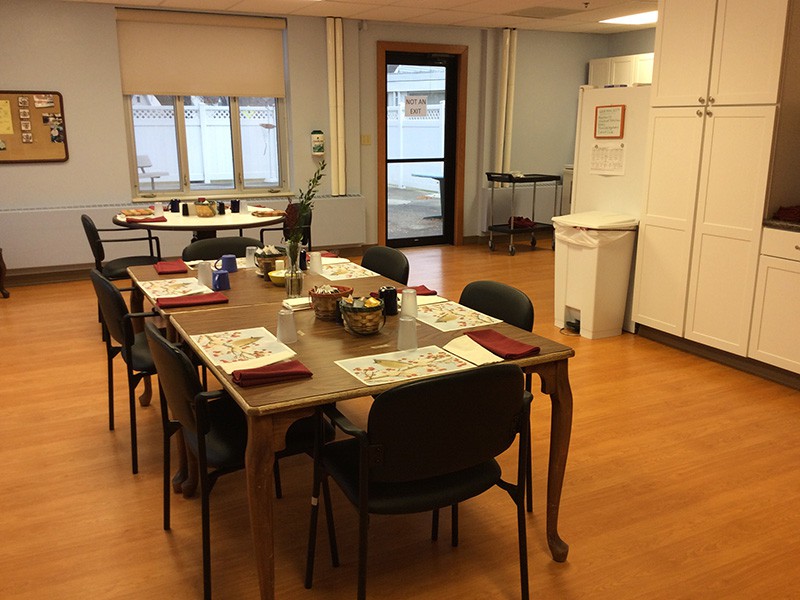
 Dining room
 Fitness room
 Fully furnished
 Gaming room
 Garden
 Housekeeping services
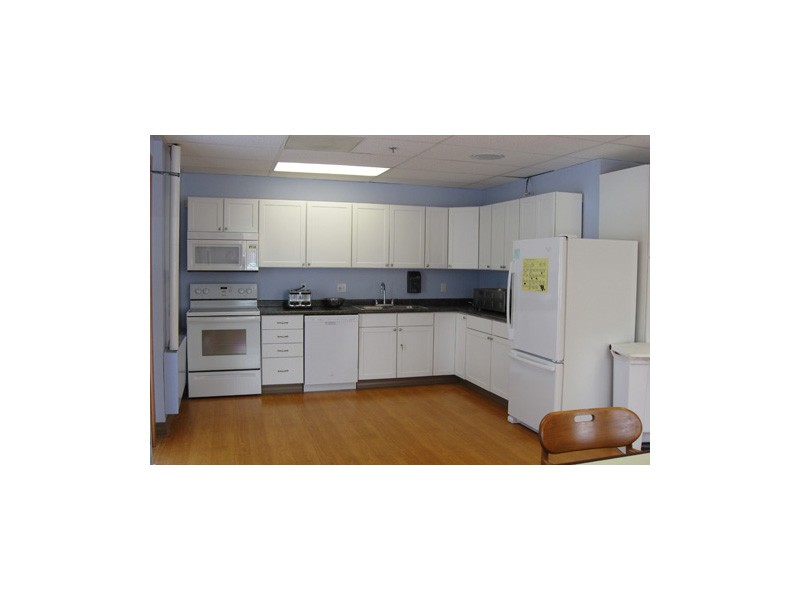
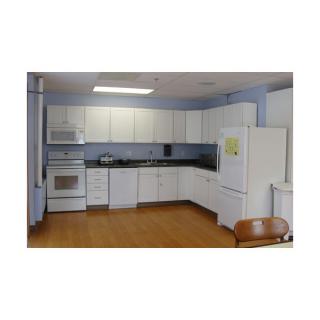
 Kitchenette
 Move-in coordination
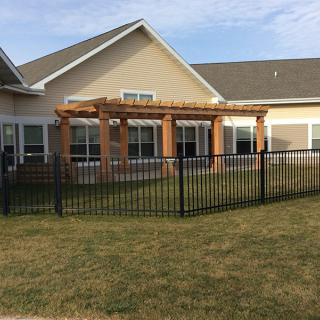
 Outdoor space
 Private bathrooms
 Restaurant-style dining
 Small library
 Telephone
 Wellness center
 Wi-Fi/high-speed internet available
 Community operated transportation
 12-16 hour nursing
 24-hour call system
 Activities of daily living assistance
 Assistance with bathing
 Assistance with dressing
 Assistance with transfers
 Diabetes diet
 Medication management
 Mental wellness program
 Special dietary restrictions
 Concierge services
 Planned day trips

 Ten Vital Duties of a Senior Caregiver: A Comprehensive Guide
 9 Stimulating Memory Activities for Seniors: Puzzles, Cards, and Much More
 Managing Nursing Home Expenses After Medicare Coverage Ends