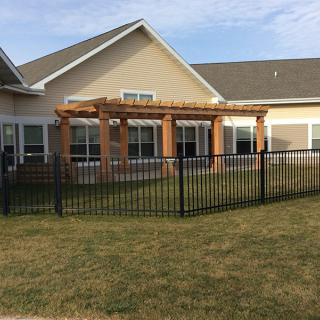
Golden Acres Estates

50 Poplar Avenue, Carrington, ND 58421

For more information about senior living options: (844) 490-3973

2 from 4 reviews
5 stars
1
4 stars
0
3 stars
0
2 stars
0
1 stars
3

Assisted Living Independent Living

What level of care are you interested in?

Assisted Living

Memory Care

Independent Living

Skilled Nursing Facility

Continuing Care Retirement Community (CCRC)CCRC

Other


Request a tour at Golden Acres Estates

    Overall Review of Golden Acres Estates

    Pros

    • pro The administration is very nice.
    • pro He treats everyone the same.
    • pro It's a nice place to put your loved ones.
    • pro He takes care of his residents and his staff.
    • pro He helps out on the floor.

    Cons

    • pro The staff neglected and abused the grandmother.
    • pro She was left unattended for over 16 hours when she needed to use the bathroom.
    • pro She fell after attempting to get up to use the bathroom and was left there.
    • pro Staff were rough with her and did not listen to her.
    • pro Bruises were seen on the grandmother's side.
    • pro When these concerns were raised, the facility director claimed to know nothing about them.
    • pro The facility is horribly run and dirty.
    • pro Long-time staff are rude, dishonest, and lazy.
    • pro The doctor and the administrator are corrupt.
    • pro It is a dirty and very noisy facility.

    Review

    A number of residents' families describe a facility that left them with deep, unsettled feelings about care, safety, and dignity. Across several reviews, the common thread is a pattern of neglect, rough handling, and a sense that the needs of residents were routinely overlooked. One family recounts a grandmother who was in rehabilitation for three weeks and, tragically, passed away after what they believe was preventable neglect. In this account, the elder was left unattended for extended periods - more than 16 hours at a time when she needed assistance to use the bathroom - and when she attempted to get up herself, she fell and was left on the floor. The account emphasizes not only the physical risks but also the perception that staff were dismissive of her needs and did not listen to her or respond promptly when she sought help. Bruising on her body was photographed by family members, who say the facility director denied any knowledge of the incidents when initially raised.

    Several reviews push the concern from possible one-off incidents to a broader criticism of the facility's safety culture and record-keeping. The same family notes that there should have been formal incident reports filed and forwarded to the director and the registered nurse, implying a systemic lapse in accountability. Beyond the immediate risk of falls, reviewers describe the environment as dirty, dusty, and poorly run, with a long-standing impression of unsafe conditions. A sense is conveyed that the combination of neglect, poor sanitation, and a noisy atmosphere contributed to an overall feeling that residents were not protected or properly supervised.

    The quality and attitude of staff emerge as a major point of contention in multiple accounts. One reviewer characterizes the long-time staff as rude, dishonest, and lazy, with the implication that their attitude directly affected the level of care. The medical team, including the doctor, and the facility administration are described in harsh terms - accused of corruption and contributing to a climate where residents' well-being could be neglected. The negative portrayal extends to everyday interactions, with references to rough handling and a lack of responsiveness to residents' requests, underscoring a perceived disconnect between staff actions and residents' comfort and safety.

    Interwoven with the negative evaluations is a particularly jarring sentiment from one reviewer who describes a patient's terminal decline and suggests that ending suffering would have been preferable. The comment - expressing a desire to "take him behind the barn and end his suffering" - is alarming and starkly contrasts with any call for compassionate care. While it reflects a highly emotional, individual reaction, it reinforces the severity of the reviewer's distress and their perception of the facility as failing to provide humane, appropriate end-of-life care.

    Another facet of the reviews depicts a facility with a complicated reputation among visitors. A separate account from a traveling staff member or temporary worker describes a hostile first impression: dirty looks from staff upon arrival, and a sense of discomfort about how staff interacted with visitors. The reviewer notes a pattern of what they perceived as discriminatory behavior - comments about culture and anti-cultural remarks overheard among staff - yet they also acknowledge that the administration can be "very nice" and that the administrator "treats everyone the same" and the residents seem to be well taken care of on some floors. This juxtaposition creates a nuanced picture in which experiences vary by unit or shift, or perhaps by individual staff members, with some interactions described as unprofessional or offensive, while others are framed as respectful and supportive.

    Taken together, these reviews paint a troubling portrait of a facility that many families believe failed to provide safe, attentive, and dignified care. The narratives emphasize real harms - neglect during essential activities, falls resulting from insufficient assistance, unexplained bruising, rough treatment, and a lack of accountability in incident reporting. They also suggest a culture clash within the staff and administration, where positive interactions may occur in some contexts but are undermined by persistent complaints about corruption, dirty conditions, and disrespectful or discriminatory behavior. While one account hints at a more favorable view of the administration on staffing and nighttime care, the prevailing tone across the collection is deeply negative, highlighting urgent concerns about resident safety, quality of care, and the overall environment of the facility.

    Features

    Housing

    • 16 resident community capacity 16 resident community capacity

    Types of Care

    • Assisted Living Assisted LivingAssisted living facilities provide crucial support and care for seniors who may need help with daily tasks such as medication management, bathing, and meal preparation. These communities offer a safe and comfortable environment where seniors can maintain their independence while receiving the assistance they need to thrive in their golden years.
    • Independent Living Independent LivingIndependent living communities are important for seniors because they offer a safe and supportive environment where older adults can live independently while still having access to amenities and services that enhance their quality of life. These communities provide social opportunities, recreational activities, and assistance with daily tasks, promoting overall well-being and allowing seniors to maintain their independence for as long as possible.

    Amenities

    • Cable or satellite TV Cable or satellite TVCable or satellite TV is important for seniors because it provides entertainment, news, and companionship, helping to combat loneliness and boredom. It also offers a wide range of programming options tailored to different interests and preferences.
    • Dining room Dining roomDining rooms are important for seniors as they provide a space for socialization, connection, and nutritious meals. They offer opportunities for residents to bond over shared meals, foster a sense of community, and promote healthy eating habits. Dining rooms also ensure that seniors have access to well-balanced meals tailored to their dietary needs and preferences.
    • Fully furnished Fully furnishedFully furnished senior living communities are important for seniors because they provide convenience, comfort, and a hassle-free moving experience. Seniors can easily settle into their new living space without the stress of having to buy and move furniture. This allows them to focus on enjoying their new home and community.
    • Garden GardenGardens are important for seniors as they provide a peaceful and therapeutic environment for relaxation, physical activity, and socialization. Being in nature has been shown to reduce stress, improve mood, and promote overall well-being. Gardens also offer opportunities for seniors to engage in gardening activities, which can improve mobility, flexibility, and cognitive function. Additionally, gardens create a sense of community and connection with others who share a passion for plants and outdoor spaces.
    • Housekeeping services Housekeeping servicesHousekeeping services are important for seniors because they help maintain a clean and safe living environment, promote independence, and reduce the risk of accidents or illnesses. Additionally, having assistance with household chores can alleviate physical strain and allow seniors to focus on other aspects of their well-being.
    • Move-in coordination Move-in coordinationMove-in coordination is important for seniors because it helps ease the transition into their new living environment. It ensures that all logistics, such as packing, organizing movers, and setting up utilities are taken care of, allowing seniors to focus on settling in and adjusting to their new home. Having a smooth move-in process can alleviate stress and anxiety, making the transition smoother and more enjoyable for seniors.
    • Outdoor space Outdoor spaceOutdoor spaces are important for seniors as they provide opportunities for physical activity, social interaction, exposure to natural light and fresh air, and a sense of connection to nature. Having access to outdoor spaces can improve overall well-being and quality of life for older adults living in senior communities.
    • Telephone TelephoneTelephones are important for seniors as they provide a lifeline for communication with loved ones, emergency services, and healthcare providers. They offer a sense of security and independence, enabling seniors to stay connected and access assistance when needed.
    • Wi-Fi/high-speed internet available Wi-Fi/high-speed internet availableWi-Fi/high-speed internet is important for seniors to stay connected with loved ones, access online resources, and participate in virtual activities to combat feelings of loneliness and isolation. It also allows them to easily manage healthcare needs, access entertainment, and engage in lifelong learning opportunities.

    Care Services

    • 24-hour supervision 24-hour supervision24-hour supervision is important for seniors to ensure their safety, well-being, and access to immediate assistance in case of emergencies or health issues. This constant support provides peace of mind for both seniors and their loved ones, allowing them to age in place with dignity and security.
    • Activities of daily living assistance Activities of daily living assistanceActivities of daily living assistance are important for seniors because they provide essential support with tasks such as eating, bathing, dressing, and mobility. This assistance helps seniors maintain their independence, dignity, and overall quality of life as they age.
    • Assistance with bathing Assistance with bathingAssistance with bathing is crucial for seniors as it helps maintain personal hygiene, prevents infections, and ensures their overall well-being and comfort. It also provides a sense of dignity and independence for seniors who may struggle with this task on their own.
    • Assistance with dressing Assistance with dressingAssistance with dressing is important for seniors because it helps maintain their independence, promotes personal hygiene, prevents accidents and injuries, and improves overall quality of life. This service ensures that seniors can continue to dress comfortably and confidently, despite any physical limitations they may have.
    • Assistance with transfers Assistance with transfersAssistance with transfers is crucial for seniors as it helps prevent falls and injuries, maintains their independence, and ensures they can safely navigate their living environment. It also provides peace of mind for both seniors and their loved ones.
    • Coordination with health care providers Coordination with health care providersCoordination with health care providers is crucial for seniors to ensure proper medical care, medication management, and overall well-being. This collaboration helps prevent overlapping treatments, track progress more effectively, and provide comprehensive support tailored to individual needs.
    • Diabetes diet Diabetes dietA diabetes diet is crucial for seniors as it helps manage blood sugar levels, reduce risks of complications, and improve overall health and well-being. By following a balanced and nutritious diet tailored to their specific needs, seniors can better control their diabetes and enhance their quality of life.
    • Meal preparation and service Meal preparation and serviceMeal preparation and service are crucial for seniors as they may have limited mobility or energy to cook nutritious meals. Having access to healthy and convenient food options can ensure they are getting the proper nutrition needed to maintain their overall health and well-being.
    • Medication management Medication managementMedication management is crucial for seniors to ensure they are taking the right medications at the correct dosages and times. This helps prevent adverse drug interactions, reduces the risk of medication errors, and promotes overall health and well-being. Proactive management also allows for adjustments as needed based on changing health conditions or new prescriptions.
    • Special dietary restrictions Special dietary restrictionsSpecial dietary restrictions are important for seniors because age-related changes in metabolism and health conditions can make it difficult for their bodies to process certain foods. By following a diet tailored to their specific needs, seniors can maintain their overall health and well-being, manage chronic conditions, and reduce the risk of complications such as malnutrition or food interactions with medications.
    • Transportation arrangement (medical) Transportation arrangement (medical)Transportation arrangements for medical purposes are essential for seniors as they may have difficulty driving themselves to appointments or accessing public transportation. Having reliable and safe transportation options ensures that seniors can receive timely medical care and maintain their health and well-being.
    • Transportation to doctors appointments Transportation to doctors appointmentsTransportation to doctors' appointments is crucial for seniors as it ensures they have access to necessary medical care and support for their health needs. Without reliable transportation, seniors may struggle to attend important appointments, leading to potential delays in treatment and health complications. Providing transportation services helps seniors maintain their overall well-being and quality of life.
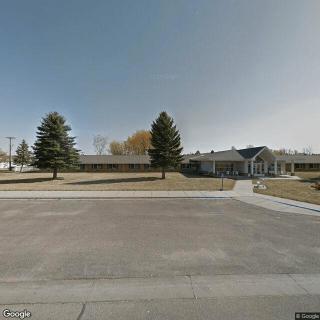
    Dining

    • Diabetes diet Diabetes dietA diabetes diet is crucial for seniors as it helps manage blood sugar levels, reduce risks of complications, and improve overall health and well-being. By following a balanced and nutritious diet tailored to their specific needs, seniors can better control their diabetes and enhance their quality of life.
    • Special dietary restrictions Special dietary restrictionsSpecial dietary restrictions are important for seniors because age-related changes in metabolism and health conditions can make it difficult for their bodies to process certain foods. By following a diet tailored to their specific needs, seniors can maintain their overall health and well-being, manage chronic conditions, and reduce the risk of complications such as malnutrition or food interactions with medications.

    Activities

    • Community-sponsored activities Community-sponsored activitiesCommunity-sponsored activities are important for seniors as they provide opportunities for social interaction, mental stimulation, and physical activity. These activities can help improve overall well-being, combat loneliness and isolation, and promote a sense of belonging and purpose among older adults.
    • Scheduled daily activities Scheduled daily activitiesScheduled daily activities are important for seniors because they provide structure, socialization, mental stimulation, and physical activity. Engaging in regular activities can improve overall well-being and quality of life for seniors living in a community setting.

    Description

    Golden Acres Estates in Carrington, ND is an assisted living community that offers a comfortable and independent lifestyle for seniors. Our community provides various care services to support residents with their daily activities, including assistance with bathing, dressing, transfers, and medication management. We also offer coordination with healthcare providers and transportation arrangements for medical appointments.

    At Golden Acres Estates, we prioritize the well-being of our residents by providing special dietary restrictions and diabetes diet options in our dining room. Our dedicated staff takes care of all meal preparation and service to ensure that our residents receive delicious and nutritious meals.

    Residents can enjoy a range of amenities at Golden Acres Estates. Our fully furnished accommodations provide a cozy and home-like environment. We also have a beautiful garden and outdoor space where residents can relax and enjoy the fresh air. In addition, we offer housekeeping services to maintain cleanliness and orderliness within the community.

    For convenience, Golden Acres Estates provides move-in coordination assistance to make transitioning into our community seamless. Residents can stay connected with friends and family through telephone access as well as Wi-Fi/high-speed internet availability.

    To enhance the quality of life for our residents, we organize scheduled daily activities to keep them engaged and entertained. Nearby attractions such as cafes, parks, pharmacies, restaurants, transportation options, and places of worship offer additional opportunities for socialization and engagement within the wider community.

    Golden Acres Estates is committed to providing exceptional care while promoting independence and overall well-being for seniors in Carrington, ND.

    Nearby Places of Interest

    Places of Worship

    • Bethel Chapel (0 miles)
    • Bethel Assembly of God (0.1 miles)
    • Trinity Lutheran Church (0.1 miles)
    • Grace Lutheran Church (0.1 miles)
    • Nazarene Carrington Community Church (0.4 miles)
    • Faith Baptist Church (0.5 miles)
    • Sacred Heart Catholic Church (0.5 miles)

    Restaurants

    • The Jockey Club (0.1 miles)
    • Hiway Drive In (0.3 miles)
    • Subway (0.6 miles)
    • Harley's Place (0.6 miles)
    • Shamrock Bar & Lounge (0.7 miles)
    • Cb's Bar & Grill (0.7 miles)
    • CBS' Bar and Grill - the Old Vets Club (0.7 miles)

    Transportation

    • Koenig Taxidermy (0.3 miles)
    • Red River Valley & Western Railroad (0.6 miles)
    • Bnsf Railway Co. (15.9 miles)
    • Tomlinson Field (16.2 miles)
    • Risovi Taxidermy Studio (16.3 miles)

    Cafes

    • Simple Coffee & Espresso (0.3 miles)

    Pharmacies

    • UPS Authorized Shipping Provider (0.3 miles)
    • Carrington Drug (0.3 miles)
    • Health Mart Pharmacy (0.7 miles)
    • Seaburg Drug (0.7 miles)
    • Central Pharmacy (16 miles)

    Parks

    • Carrington Park (0.4 miles)

    Physicians

    • Community Health Center (15.9 miles)

    Theaters

    • Rockford Theater (16 miles)

    Frequently Asked Questions

    Where is Golden Acres Estates?

    Nearby Communities

    Related Resources

    • activities of daily livingComprehensive Insights into Activities of Daily Living (ADLs) and Their Assessment

      Activities of Daily Living (ADLs) are fundamental tasks vital for an individual's independence, particularly in older adults over 85, and include functions like bathing and dressing; assessing ADLs alongside Instrumental Activities of Daily Living (IADLs) helps determine the level of required assistance due to age-related health challenges. Tailored support plans, involving family and community resources, are essential for maintaining dignity and autonomy in assisted living environments.

    • does medicare pay for assisted livingMedicare Coverage for Assisted Living: An In-Depth Exploration

      Medicare does not cover assisted living costs, as it focuses on acute medical needs and short-term care, with exceptions for certain medically necessary services like physical therapy. Individuals must explore other options such as Medicaid, veterans' benefits, or long-term care insurance to manage these expenses effectively.

    • assisted living vs nursing homeChoosing the Right Senior Care: A Detailed Exploration of Assisted Living and Nursing Homes

      Choosing between assisted living and nursing homes involves evaluating emotional and financial factors, with assisted living offering independence and support for daily activities at a lower cost, while nursing homes provide intensive medical care for individuals with significant health needs. The decision is influenced by personal preferences, health status, cognitive function, and varying Medicaid coverage across states.


    Get Pricing Ask A Question Schedule A Tour Contact Senior Advisor