
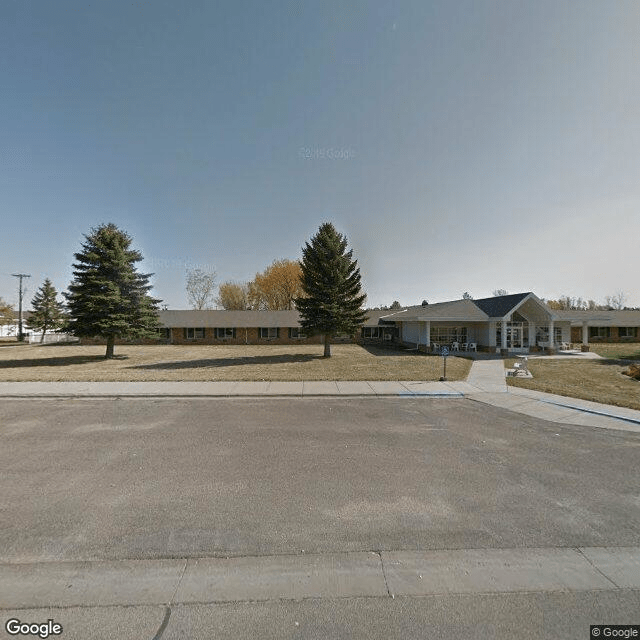
1 East Main Street, Carrington, ND 58421
For more information about senior living options: (866) 208-4318
Overall Review of Golden Acres Manor
Pros
 The administration is very nice and treats everyone the same.
- It is a nice place to put a loved one.
- Golden Acres Manor had good exercise facilities and therapists.
- The therapists helped him, and there were friendly people in the cafeteria.
- The place was kept nice, clean, and professionally run.
Cons
 The facility neglected and abused the grandmother.
- The grandmother was left unattended for over 16 hours when she needed the bathroom.
- Staff were rough with her and did not listen to her.
- There were bruises on her side.
- The facility was horribly run and dirty.
- The longtime staff were rude, dishonest, and lazy.
- The doctor and the administrator are corrupt.
- The staff treated visitors with hostility and made racist remarks.
Review
Golden Acres Manor in Carrington, ND is best suited for families seeking a low-cost, small-town option with a real emphasis on rehabilitation services, so long as vigilant oversight is possible and expectations for consistent staff reliability are tempered. The community can work for those who value a therapy-forward milieu, where daily exercise and therapy sessions are a centerpiece, and who can allocate hands-on advocacy to ensure safety and responsiveness. It is not the right fit for families requiring uniformly high-quality, consistently attentive care across all shifts without close supervision.
On the positive side, the facility earns traction for its rehab and therapy infrastructure. Several residents benefited from daily therapy routines and exercise programs that were meaningful for rehabilitation, especially after injuries or surgeries. The campus also comes across as relatively clean and orderly at times, with a sense of professional operation in the more routine, day-to-day flow. For families prioritizing accessible, on-site therapy as part of recovery, these elements can be meaningful, and some staff members are described as friendly or supportive in the cafeteria and on the floor. In a small-town setting, the administration is sometimes seen as approachable and capable of taking residents’ needs into account, which can create moments of genuine, practical care.
Yet the downsides are stark and frequent enough to tilt the balance for most decision-makers. The most troubling concerns center on safety and staff reliability: accusations of neglect and rough treatment, long delays in basic assistance, and even injuries that allegedly resulted from inadequate supervision. Reports of bruising and incidents that were not properly documented or communicated to leadership are especially alarming for families weighing senior-care options. The facility is described as dirty and loud by multiple reviewers, raising questions about housekeeping standards and overall environmental quality. The combination of these safety and cleanliness issues undermines any positive impressions drawn from therapy gains and administrative politeness.
These cons are not easily offset by the few brighter notes. The therapy program and cleanliness do offer tangible value for residents who need rehabilitation and who can tolerate a degree of variability in service. However, the recurring themes of mismanagement, inconsistent staff behavior, and perceived indifference from some clinicians and administrators weigh heavily. When a community is accused of neglect or poor incident handling, those risks tend to eclipse the benefits of therapy access or a well-run cafeteria, and families must consider whether a comparable facility could deliver more consistent safety and respect. The mixed travel-staff encounter, including reports of racial insensitivity in some interactions, further complicates the picture and signals a broader culture issue that would require significant improvement before confidence can be restored.
Alternatives should be strongly considered for residents with complex medical needs, high sensitivity to staffing disruptions, or a priority on unwavering safety. Families prioritizing aggressive advocacy, transparent incident reporting, and consistently kind, reliable care should look elsewhere. Even in a small town, several facilities that consistently demonstrate strong staffing stability, thorough nursing oversight, and a culture of respectful treatment may better safeguard a loved one’s wellbeing. For those who still pursue Golden Acres Manor, a concrete plan is essential: arrange a candid tour with leadership, request recent incident logs and licensing records, speak directly with current residents and their families, and set up a trial period if possible. Establish clear escalation channels and appoint a dedicated family advocate to monitor daily care, response times, and environment.
In the end, Golden Acres Manor offers potential value for rehab-focused residents within a modest budget and a small-town atmosphere, but the persistent safety concerns and questions about staffing integrity create a high-stakes risk profile. Families should enter with a clear contingency plan, strict expectations for accountability, and a readiness to pursue alternatives if demonstrated safety and respect cannot be consistently upheld. The balance tilts toward caution: measure care quality against safety assurances, and insist on transparent documentation before committing to care that will anchor a loved one’s daily life.
 64 resident community capacity
 Assisted Living
 Skilled Nursing Facility
 Activities on-site
 Air-conditioning
 Beauty salon
 Cable or satellite TV
 Computer center
 Devotional services off-site
 Dining room
 Fitness room
 Fully furnished
 Gaming room
 Garden
 Housekeeping services
 Indoor common areas
 Kitchenette
 Move-in coordination
 Outdoor space
 Private bathrooms
 Restaurant-style dining
 Small library
 Telephone
 Wellness center
 Wi-Fi/high-speed internet available
 Community operated transportation
 12-16 hour nursing
 24-hour call system
 Ambulatory care
 Assistance with bathing
 Assistance with dressing
 Assistance with transfers
 Diabetes diet
 Diabetic care
 Medication management
 Mental wellness program
 Special dietary restrictions
 Concierge services
 Planned day trips

 Medicare Coverage for Assisted Living: An In-Depth Exploration
 Choosing the Right Senior Care: A Detailed Exploration of Assisted Living and Nursing Homes
 Understanding the True Cost of Assisted Living in 2025: A Comprehensive Guide