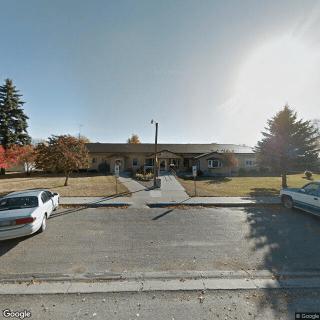
Eventide Devils Lake Care Center

302 7Th Avenue Ne, Devils Lake, ND 58301

For more information about senior living options: (844) 490-3973

2.6 from 9 reviews
5 stars
0
4 stars
2
3 stars
3
2 stars
2
1 stars
2

Skilled Nursing Facility

What level of care are you interested in?

Assisted Living

Memory Care

Independent Living

Skilled Nursing Facility

Continuing Care Retirement Community (CCRC)CCRC

Other


Request a tour at Eventide Devils Lake Care Center

    Overall Review of Eventide Devils Lake Care Center

    Pros

    • pro It is a good place to work.
    • pro The Good Samaritan Center takes good care of its patients.

    Cons

    • pro The staff told the reviewer's sister that they were harassing them after inquiring about the vaccines.
    • pro They described the facility as a bad place.
    • pro They stated they do not want to go there.

    Review

    A mixture of care and concern circulates around the experiences described at The Good Samaritan Center, as one observer recounts a sequence of events tied to a family member's COVID-19 vaccination and the communication that followed. The core of the account centers on a confrontation over information: questions about which vaccine was administered to the reviewer's mother, with doses reportedly given in late December and again in late January. What starts as a routine request for transparency quickly devolves into a clash of expectations and boundaries between family members and the center's staff. The reviewer makes it clear that an inquiry about the specific vaccine and other related concerns was not welcomed as a normal part of care, but rather framed by staff as harassment.

    The incident as described unfolds with a striking claim about how staff handled the situation. According to the reviewer, when the sister sought clarification, staff told her that the reviewer was harassing them. This accusation of harassment appears to be tied to basic questions about the vaccination itself and perhaps other unspecified concerns about the mother's care. The reviewer emphasizes that there was no explicit communication from anyone at the center about this being inappropriate or inappropriate to raise these questions; rather, the response came in the form of an assertion that the reviewer's inquiries were harassment. The fear and frustration embedded in that moment reflect a sense of being dismissed or unfairly labeled rather than engaged with in a constructive, information-seeking way.

    In the narrative, a discernible tension emerges between the desire for open, specific information about the patient's vaccination and the staff's perceived boundaries around how such information is discussed. The reviewer notes that inquiries about which vaccine was administered and other concerns were treated as off-limits, or worse, as harassment. The lack of a clear, proactive channel of communication - especially regarding timetables, vaccine types, or changes in the patient's plan - contributes to a sense of distrust and poor service. The sentiment conveyed is not simply one of disagreement about a particular fact; it is a reflection on the posture of the facility toward family members who are trying to participate in and understand their loved one's care.

    Amid these negative notes, the reviewer also makes a split judgment about the place. On the surface, there are terse expressions that carry strong critique: "Bad place" and "Get place to work." These lines suggest concerns about the overall environment, culture, or operations at the center - perhaps hinting at issues with morale, responsiveness, or the manner in which staff interact with patients and families. The phrasing implies a desire for improvement, either in the workplace atmosphere or in how the center is run, in order to better support those who rely on its services and to reassure families who seek answers and reassurance.

    Yet the review does not collapse into a wholly negative verdict. The closing line offers a more tempered, even paradoxical, assessment: "The Good Samaritan Center takes good care of it's patients. It is just a place that I do not care going to." Here the reviewer acknowledges that the center may deliver solid patient care in its own right, while simultaneously expressing a personal reluctance to return or to engage with the place again. This juxtaposition highlights a common real-world pattern for many care facilities: strong clinical or caregiving performance can exist alongside communication gaps, restrictive perceptions of what questions are appropriate, or a perceived atmosphere that makes continued visits uneasy.

    Taken together, the account presents a layered portrait of a care setting where good patient care may coexist with friction in communication and in the treatment of family inquiries. The insistence on asking about vaccine details and the reaction of staff to those questions point to a need for clearer, more respectful channels for information sharing between families and the care team. The reviewer's experience suggests that even when medical care is capable and attentive, the experience of navigating questions and asserting a loved one's rights to information can be fraught if staff interpret such inquiries as harassment rather than as legitimate, engaged participation in care.

    In the end, the narrative reflects a mixed impression: a facility that may care well for its patients, but one that can feel unwelcoming or unresponsive to family members who seek straightforward information. For others considering care at The Good Samaritan Center, the takeaway is twofold. First, there is value in ensuring that questions about vaccinations and treatment plans are met with clear, respectful responses, with a defined pathway for obtaining information. Second, the overall environment - staff morale, communication culture, and how concerns are received - matters just as much as clinical outcomes. The reviewer's experience embodies both respect for credible care and caution about how information is managed and how interactions with staff are experienced by families.

    Features

    Housing

    • 48 resident community capacity 48 resident community capacity

    Types of Care

    • Skilled Nursing Facility Skilled Nursing FacilitySkilled Nursing Facilities are crucial for seniors as they provide round-the-clock medical care, rehabilitation services, and assistance with daily activities. These facilities ensure that seniors receive the specialized care they need to maintain their health and well-being as they age.

    Amenities

    • Beauty salon Beauty salonBeauty salons are important for seniors because they provide a space for them to feel pampered, socialize, and maintain their personal grooming and hygiene. Regular visits to a beauty salon can help boost seniors' self-esteem and overall well-being.
    • Cable or satellite TV Cable or satellite TVCable or satellite TV is important for seniors because it provides entertainment, news, and companionship, helping to combat loneliness and boredom. It also offers a wide range of programming options tailored to different interests and preferences.
    • Dining room Dining roomDining rooms are important for seniors as they provide a space for socialization, connection, and nutritious meals. They offer opportunities for residents to bond over shared meals, foster a sense of community, and promote healthy eating habits. Dining rooms also ensure that seniors have access to well-balanced meals tailored to their dietary needs and preferences.
    • Fully furnished Fully furnishedFully furnished senior living communities are important for seniors because they provide convenience, comfort, and a hassle-free moving experience. Seniors can easily settle into their new living space without the stress of having to buy and move furniture. This allows them to focus on enjoying their new home and community.
    • Garden GardenGardens are important for seniors as they provide a peaceful and therapeutic environment for relaxation, physical activity, and socialization. Being in nature has been shown to reduce stress, improve mood, and promote overall well-being. Gardens also offer opportunities for seniors to engage in gardening activities, which can improve mobility, flexibility, and cognitive function. Additionally, gardens create a sense of community and connection with others who share a passion for plants and outdoor spaces.
    • Housekeeping services Housekeeping servicesHousekeeping services are important for seniors because they help maintain a clean and safe living environment, promote independence, and reduce the risk of accidents or illnesses. Additionally, having assistance with household chores can alleviate physical strain and allow seniors to focus on other aspects of their well-being.
    • Kitchenette KitchenetteKitchenettes are important for seniors living in senior living communities because they provide the convenience and independence of being able to prepare simple meals and snacks in the comfort of their own living space. This can help promote a sense of autonomy and well-being for seniors, allowing them to maintain some level of control over their dietary choices and daily routines.
    • Move-in coordination Move-in coordinationMove-in coordination is important for seniors because it helps ease the transition into their new living environment. It ensures that all logistics, such as packing, organizing movers, and setting up utilities are taken care of, allowing seniors to focus on settling in and adjusting to their new home. Having a smooth move-in process can alleviate stress and anxiety, making the transition smoother and more enjoyable for seniors.
    • Outdoor space Outdoor spaceOutdoor spaces are important for seniors as they provide opportunities for physical activity, social interaction, exposure to natural light and fresh air, and a sense of connection to nature. Having access to outdoor spaces can improve overall well-being and quality of life for older adults living in senior communities.
    • Restaurant-style dining Restaurant-style diningRestaurant-style dining is important for seniors because it allows them to enjoy delicious, nutritious meals in a social and upscale setting. This enhances their dining experience, promotes healthy eating habits, and fosters socialization with fellow residents, ultimately contributing to their overall well-being and quality of life.
    • Small library Small librarySmall libraries are important for seniors as they provide access to a variety of reading materials, including books, newspapers, and magazines. This can help stimulate their minds, keep them engaged, and provide a sense of community through book clubs and other social activities. Additionally, reading has been shown to improve cognitive function and overall mental well-being in older adults.
    • Telephone TelephoneTelephones are important for seniors as they provide a lifeline for communication with loved ones, emergency services, and healthcare providers. They offer a sense of security and independence, enabling seniors to stay connected and access assistance when needed.
    • Wi-Fi/high-speed internet available Wi-Fi/high-speed internet availableWi-Fi/high-speed internet is important for seniors to stay connected with loved ones, access online resources, and participate in virtual activities to combat feelings of loneliness and isolation. It also allows them to easily manage healthcare needs, access entertainment, and engage in lifelong learning opportunities.

    Transportation

    • Devils Lake Municipal-Knoke (2 miles away) Devils Lake Municipal-Knoke (2 miles away)

    Care Services

    • 24-hour call system 24-hour call system24-hour call systems are important for seniors because they provide peace of mind and immediate assistance in case of emergencies. This technology ensures that help is always available, promoting safety and security for elderly individuals living alone or in assisted living facilities.
    • 24-hour supervision 24-hour supervision24-hour supervision is important for seniors to ensure their safety, well-being, and access to immediate assistance in case of emergencies or health issues. This constant support provides peace of mind for both seniors and their loved ones, allowing them to age in place with dignity and security.
    • Activities of daily living assistance Activities of daily living assistanceActivities of daily living assistance are important for seniors because they provide essential support with tasks such as eating, bathing, dressing, and mobility. This assistance helps seniors maintain their independence, dignity, and overall quality of life as they age.
    • Assistance with bathing Assistance with bathingAssistance with bathing is crucial for seniors as it helps maintain personal hygiene, prevents infections, and ensures their overall well-being and comfort. It also provides a sense of dignity and independence for seniors who may struggle with this task on their own.
    • Assistance with dressing Assistance with dressingAssistance with dressing is important for seniors because it helps maintain their independence, promotes personal hygiene, prevents accidents and injuries, and improves overall quality of life. This service ensures that seniors can continue to dress comfortably and confidently, despite any physical limitations they may have.
    • Assistance with transfers Assistance with transfersAssistance with transfers is crucial for seniors as it helps prevent falls and injuries, maintains their independence, and ensures they can safely navigate their living environment. It also provides peace of mind for both seniors and their loved ones.
    • Diabetes diet Diabetes dietA diabetes diet is crucial for seniors as it helps manage blood sugar levels, reduce risks of complications, and improve overall health and well-being. By following a balanced and nutritious diet tailored to their specific needs, seniors can better control their diabetes and enhance their quality of life.
    • Meal preparation and service Meal preparation and serviceMeal preparation and service are crucial for seniors as they may have limited mobility or energy to cook nutritious meals. Having access to healthy and convenient food options can ensure they are getting the proper nutrition needed to maintain their overall health and well-being.
    • Medication management Medication managementMedication management is crucial for seniors to ensure they are taking the right medications at the correct dosages and times. This helps prevent adverse drug interactions, reduces the risk of medication errors, and promotes overall health and well-being. Proactive management also allows for adjustments as needed based on changing health conditions or new prescriptions.
    • Mental wellness program Mental wellness programMental wellness programs are essential for seniors as they promote cognitive stimulation, emotional support, and social engagement. These programs help prevent isolation, depression, and cognitive decline, ultimately enhancing the overall quality of life for older adults.
    • Special dietary restrictions Special dietary restrictionsSpecial dietary restrictions are important for seniors because age-related changes in metabolism and health conditions can make it difficult for their bodies to process certain foods. By following a diet tailored to their specific needs, seniors can maintain their overall health and well-being, manage chronic conditions, and reduce the risk of complications such as malnutrition or food interactions with medications.

    Dining

    • Diabetes diet Diabetes dietA diabetes diet is crucial for seniors as it helps manage blood sugar levels, reduce risks of complications, and improve overall health and well-being. By following a balanced and nutritious diet tailored to their specific needs, seniors can better control their diabetes and enhance their quality of life.
    • Special dietary restrictions Special dietary restrictionsSpecial dietary restrictions are important for seniors because age-related changes in metabolism and health conditions can make it difficult for their bodies to process certain foods. By following a diet tailored to their specific needs, seniors can maintain their overall health and well-being, manage chronic conditions, and reduce the risk of complications such as malnutrition or food interactions with medications.

    Activities

    • Community-sponsored activities Community-sponsored activitiesCommunity-sponsored activities are important for seniors as they provide opportunities for social interaction, mental stimulation, and physical activity. These activities can help improve overall well-being, combat loneliness and isolation, and promote a sense of belonging and purpose among older adults.
    • Resident-run activities Resident-run activitiesResident-run activities are important for seniors as they encourage social interaction, creativity, and a sense of autonomy. These activities empower seniors to stay engaged and active in their community while fostering meaningful connections with their peers.
    • Scheduled daily activities Scheduled daily activitiesScheduled daily activities are important for seniors because they provide structure, socialization, mental stimulation, and physical activity. Engaging in regular activities can improve overall well-being and quality of life for seniors living in a community setting.

    Description

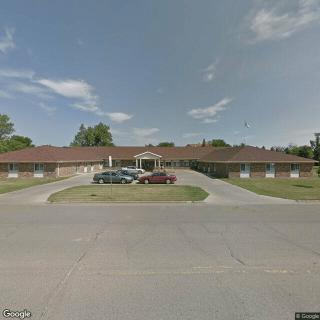
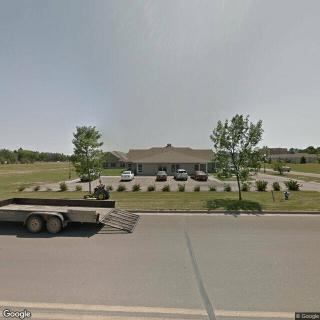
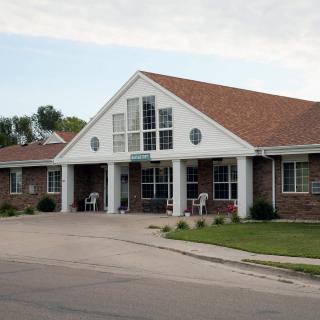
    Welcome to Eventide Devils Lake Care Center, located in the beautiful town of Devils Lake, ND. Our assisted living community offers a wide range of amenities and care services to ensure that our residents live a comfortable and fulfilling life.

    For our residents' entertainment and relaxation, we provide cable or satellite TV in each apartment. Our dining room is perfect for enjoying meals with fellow residents, and our restaurant-style dining ensures delicious and nutritious food options. Residents can also make use of our fully furnished apartments, outdoor spaces, and small library for their leisure activities.

    We understand the importance of maintaining cleanliness and hygiene in our community, which is why we offer housekeeping services to keep our residents' living spaces tidy. Each apartment also includes a kitchenette for those who prefer to prepare their own meals.

    Our dedicated staff is available around the clock to provide 24-hour supervision and assistance with activities of daily living such as bathing, dressing, and transfers. Medication management is also provided for those who require it. We prioritize mental wellness through our specialized program tailored to meet individual needs.

    We take dietary restrictions seriously and accommodate special dietary needs, including diabetes diet plans. Our meals are prepared with care by our experienced staff to ensure that they are both healthy and enjoyable.

    In addition to providing excellent care services, we ensure that our residents have access to nearby amenities. With 2 cafes, 4 parks, 5 pharmacies, 2 physicians, 7 restaurants, and 7 transportation options nearby, there is always something to explore or enjoy within a short distance from the community. For those seeking spiritual fulfillment or additional medical support, we have 12 places of worship and 2 hospitals conveniently located nearby.

    At Eventide Devils Lake Care Center, we strive to create a warm and supportive environment where each resident can thrive physically, mentally, and socially. Come join our community today!

    Nearby Places of Interest

    Places of Worship

    • Dial-A-Devotion (0.1 miles)
    • First United Methodist Church (0.2 miles)
    • St Joseph's Catholic Church (0.2 miles)
    • St Peter's Lutheran Church (0.2 miles)
    • St Olaf Lutheran Church (0.2 miles)
    • Episcopal Church Of The Advent (0.3 miles)
    • Hope Center (0.3 miles)

    Parks

    • Devils Lake State Parks (0.2 miles)
    • Sullys Hill National Game Preserve (0.6 miles)
    • Roosevelt Park (0.6 miles)
    • Ruger Park (0.7 miles)

    Restaurants

    • Liquid Bean (0.2 miles)
    • Nellie's Bar & Lounge (0.3 miles)
    • Thirsty's (0.3 miles)
    • First Buffet House (0.3 miles)
    • Proz End Of The Line (0.5 miles)
    • Cedar Inn Family Restaurant (0.7 miles)
    • Burger King (1.1 miles)

    Transportation

    • Devils Lake Transit (0.2 miles)
    • U-Haul (0.2 miles)
    • Amtrak (0.3 miles)
    • U-Haul Neighborhood Dealer (0.5 miles)
    • Trac Auto Rental (0.6 miles)
    • BNSF Railway Co. (0.7 miles)
    • U-Haul (0.8 miles)

    Pharmacies

    • Bell Pharmacy (0.3 miles)
    • Clinic Pharmacy (0.3 miles)
    • Ramsey Drug (0.6 miles)
    • Thrifty White Pharmacy (0.6 miles)
    • White Drug (0.7 miles)

    Hospitals

    • Mercy Hospital Of Devils Lake Foundation (0.4 miles)
    • Chi Mercy Hospital (0.4 miles)

    Cafes

    • Devils Lake Doughnuts (0.5 miles)
    • North Dakota Coffee Connection (0.7 miles)

    Physicians

    • Remmick Family Dentistry (0.7 miles)
    • Sears Hearing Aid Service Center by Miracle-Ear (0.8 miles)

    Frequently Asked Questions

    Where is Eventide Devils Lake Care Center?

    Nearby Communities

    Related Resources

    • tax implications of parent living with youNavigating the Tax Landscape of Caregiving: Credits, Deductions, and Beyond

      Caregiving for an aging parent entails emotional and financial responsibilities accompanied by significant tax implications, including potential benefits from claiming them as dependents and deductions for medical expenses and caregiving costs. Caregivers must understand eligibility requirements, maintain thorough documentation, and consider consulting a tax professional to navigate these complexities effectively.

    • low impact exercises for seniorsHighly Beneficial Low-Impact Exercises for Senior Living Residents

      Low-impact exercises are vital for seniors as they promote health, independence, and social interaction while reducing joint strain. These adaptable activities, guided by healthcare professionals, enhance strength, flexibility, and emotional well-being.

    • is home health care tax deductibleIs In-Home Healthcare Tax Deductible? Your Comprehensive Guide

      The guide details the tax deductibility of in-home healthcare expenses according to IRS guidelines, differentiating between medically necessary services and non-medical assistance, while emphasizing the need for proper documentation and itemization requirements. It also highlights state-level variations, the importance of record-keeping, and encourages seeking professional tax help to understand evolving regulations.


    Get Pricing Ask A Question Schedule A Tour Contact Senior Advisor