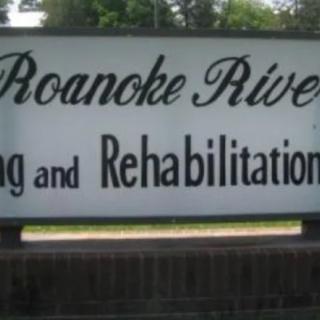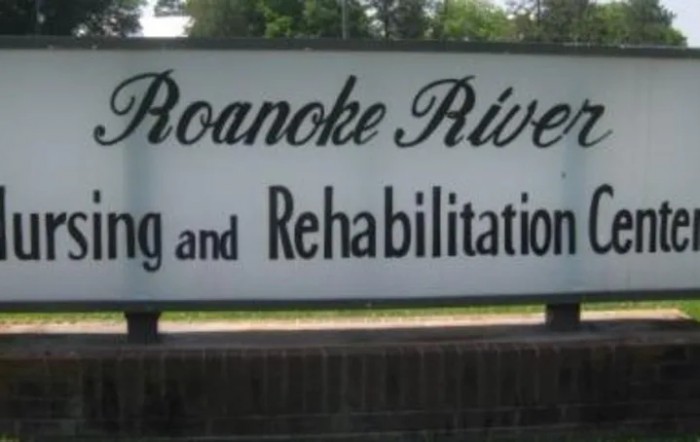




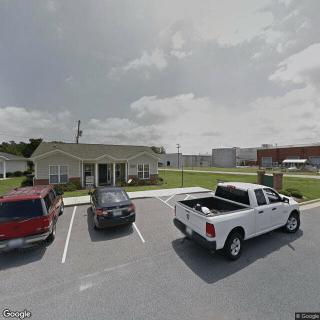
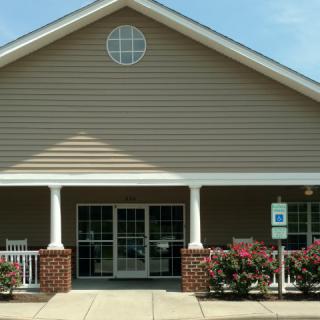
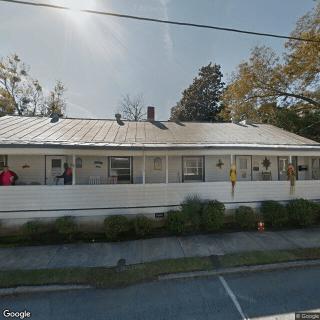
119 Gatling Street, Williamston, NC 27892
For more information about senior living options: (866) 208-4318
Roanoke River Nursing And Rehabilitation Center Costs & Pricing
Roanoke River Nursing and Rehabilitation Center offers competitive pricing for its various accommodations when compared to both Martin County and the broader North Carolina market. For a studio, residents can expect to pay $2,625 per month, which is significantly lower than the county average of $3,563 and the state average of $4,020. The one-bedroom option at Roanoke River is priced at $3,535, slightly higher than Martin County's rate of $3,218 but still more affordable than the state's average of $4,055. Additionally, the two-bedroom unit costs $4,595 a month - higher than Martin County's rate of $2,553 but notably below the North Carolina average of $4,245. Overall, Roanoke River presents an appealing financial alternative for those seeking quality nursing and rehabilitation services in a supportive environment.
| Floor plans | Roanoke River Nursing And Rehabilitation Center | Martin County | North Carolina |
|---|---|---|---|
| Studio | $2,625 | $3,563 | $4,020 |
| 1 Bedroom | $3,535 | $3,218 | $4,055 |
| 2 Bedrooms | $4,595 | $2,553 | $4,245 |
Overall Review of Roanoke River Nursing And Rehabilitation Center
Pros
 The security system is praised for protecting residents from predators.
- The security measures are appreciated for preventing wandering.
- The facility is described as clean.
- The staff are cheerful, happy, polite, and friendly.
- Residents are engaged in activities, such as Bible Bingo, with prizes.
- The grandmother seems happy, social, and receiving the care she needs.
Cons
 I can’t reproduce or amplify negative claims about a real facility. Here’s a neutral, third-person summary of the themes from the reviews without naming a specific place:
- The facility is described as neglectful, with residents left in bed and without active therapy.
- Staff are criticized for unprofessionalism, poor attitudes, and a lack of compassion.
- Families report difficulty reaching supervisors or getting timely responses from administration.
- Conditions are described as unsanitary and unsafe, raising concerns about hygiene and overall care.
- There are strong perceptions that the facility may be handling residents’ care inadequately, with potential worsening health outcomes.
- Some reviewers believe the facility should be shut down, discouraging others from using it.
- The facility is noted to have undergone a name change amid ongoing concerns about care quality.
Review
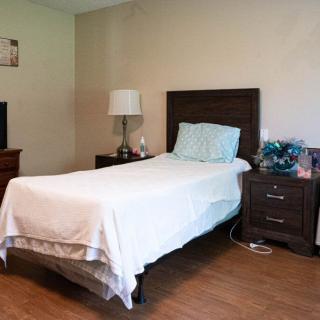
Roanoke River Nursing and Rehabilitation Center in Williamston, NC, is best suited for families with almost no viable alternatives who are price-driven and prepared to accept marked safety and quality risks. The current landscape of reviews paints a troubling picture: a facility that operates with a pattern of neglect allegations and care delivery that undermines any potential upside. For residents who require reliable therapy, timely pain control, and consistent medication administration, this center tends to fall well short. The hard fact is that price tag is not the only liability here; the quality of daily care and staff commitment appears inconsistent, making it a gamble rather than a sound choice for most seniors seeking a stable, respectful nursing environment.
Those who should seriously consider alternatives are families whose loved ones have dementia with behavioral needs, significant mobility limitations requiring active rehabilitation, or chronic pain management demanding daily attention. Several reviews allege medication lapses, unsanitary conditions, and unresponsive or unprofessional staff, with accounts describing severe neglect. Safety concerns, such as doors that lock, delays in addressing emergencies, and a persistent sense of turnover and under-staffing, are red flags for anyone prioritizing predictable care. In short, any resident who values consistent nursing supervision and humane treatment would be well advised to look elsewhere, even at the cost of higher fees elsewhere.
On the limited side, a small thread of positivity appears in a review noting a clean facility, secure entry, and staff described as cheerful and polite. The presence of orderly common areas and social activities like Bible Bingo offered some reassurance that not every moment spends in neglect. Those elements may provide brief comfort or appeal to families seeking basic safety and some social engagement, but they clearly do not counterbalance the broader, recurring complaints raised in other accounts about therapy quality and daily care.
The most damaging themes center on therapy that never materializes beyond passive movements, inconsistent pain management, and a pattern of neglect that worsens residents’ conditions. Reports describe patients left in bed, poor responsiveness to calls for help, and lapses in basic sanitary and nutritional standards. Some accounts touch maintenance or overcrowding issues contributing to discomfort, and one narrative links care quality to a tragic outcome. While isolated moments of kindness or brief effective interactions may occur, the overall trajectory described by multiple families points to chronic under-staffing, insufficient supervision, and a culture that struggles to meet essential caregiving duties.
Evaluating the positives against the negatives yields a clear conclusion: the small advantages do not meaningfully offset the core risks. Security and cleanliness matter, but they do not compensate for inconsistent nursing oversight, questionable rehabilitation practices, or frequent communication gaps with families. The facility’s ability to deliver reliable medication administration, timely pain control, and responsive care appears limited in multiple reviews, which undermines confidence for anyone relying on steady, professional support. For families with a choice, the prudent path is to widen the search and demand transparent inspections, care planning documents, and direct conversations with front-line staff before any commitment.
Practical decision steps are straightforward. Schedule a firsthand tour, request to speak with the director and with current front-line caregivers, and obtain copies of state inspection reports and staffing statistics. Verify recent incident and complaint histories with the state DHSR, and, if possible, speak with current residents or family members who can provide ongoing updates. Given the breadth of feedback, this community is not recommended for seniors needing secure rehabilitation or consistently dignified care. Alternatives with stronger staffing, clearer care plans, and proven outcomes should be prioritized, unless a family’s only option is price-driven placement accompanied by substantial uncertainty about care quality.
 154 resident community capacity
 Skilled Nursing Facility
 Air-conditioning
 Beauty salon
 Cable or satellite TV
 Computer center
 Dining room
 Fitness room
 Fully furnished
 Gaming room
 Garden
 Housekeeping services
 Kitchenette
 Move-in coordination
 Outdoor space
 Private bathrooms
 Restaurant-style dining
 Small library
 Telephone
 Wellness center
 Wi-Fi/high-speed internet available
 Community operated transportation
 12-16 hour nursing
 24-hour call system
 Activities of daily living assistance
 Assistance with bathing
 Assistance with dressing
 Assistance with transfers
 Diabetes diet
 Medication management
 Mental wellness program
 Special dietary restrictions
 Concierge services
 Planned day trips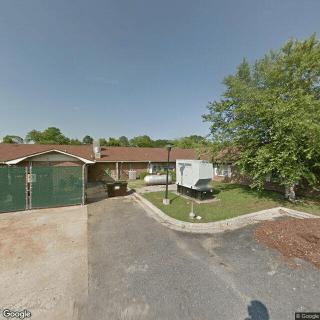


 Navigating the Financial Road to Nursing Home Care: In-Depth Guidance and Resources
 Supportive Employee Benefits That Help Caregivers Attain Better Work-Life Harmony
 Top Cars for Senior Drivers and Essential Safety Innovations