
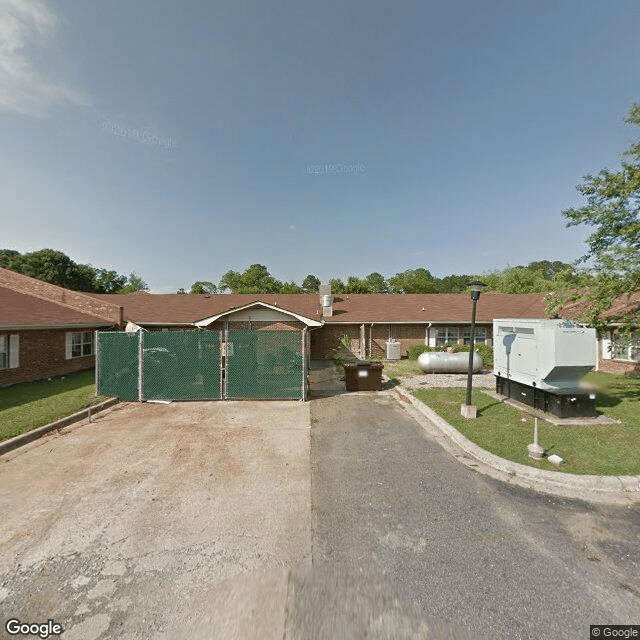
826 East Boulevard, Williamston, NC 27892
To contact a resident: (252) 792-8311
For more information about senior living options: (866) 208-4318
Overall Review of Vintage Inn of Williamston
Pros
 The place is getting better, with good food and improved staff.
- It is a nice place.
- The administrator is really nice and helpful.
- The staff is great.
- The amenities, including the dining hall, game room, and TV room, are great.
- The meals look and smell good, and snacks are readily available.
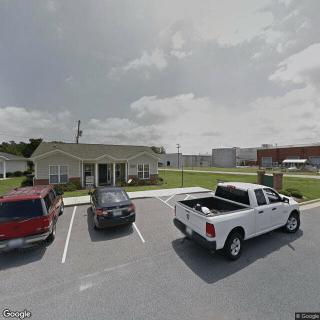
- The outside grounds are well cared for.
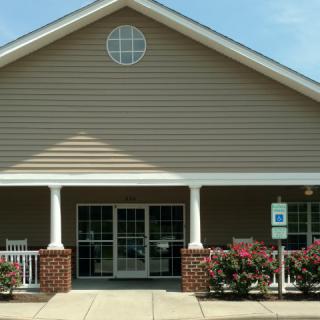
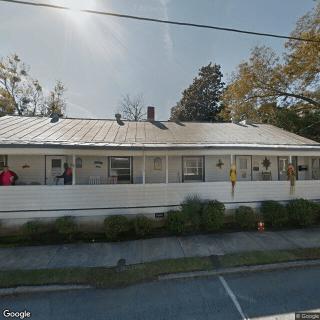
- There is ample porch seating for residents to sit in.
- The facilities are clean and well maintained.
- The people are very nice and willing to provide answers.
Cons
 The staff seem to be only collecting a paycheck.
- The room reeked of urine and the sheets were always dirty.
- The bedding isn’t fit for a dog.
- The place is the worst home ever and residents will be neglected.
- Bed bugs are present, and mice and rats overrun the place.
- Management and administration are trash; they don’t care about residents or their belongings.
- There are no bath towels or rags to wash residents with; they offer excuses for everything.
- The facility is nasty and the staff don’t care; it’s advised to relocate a family member.
- The establishment is short-staffed with too many residents per caregiver.
- The beds are old, ripped, and hard as rocks.
Review
Vintage Inn of Williamston is best suited for families with tight budgets who need a very affordable living option and who can tolerate a facility that may feel largely unimproved and intermittently well-run. It works as a low-cost choice for residents who don’t require high-touch care every hour and who are comfortable with a building that some reviewers describe as dated and crowded. Those who prioritize price over modern amenities and flawless operation may find value here, especially if the administrator is approachable and willing to work with families. However, this is not a fit for everyone, and those with higher care expectations should look elsewhere.
The strongest real-world positives are modest but real: when staff are present and engaged, residents can experience dignified treatment and responsive assistance. Administrators who communicate openly and appear committed to resident welfare can make a meaningful difference in daily life, and the on-site amenities, dining, activity spaces, and a central common area, offer opportunities for social engagement without leaving the building. Meals, while not uniformly praised, are included, and the ability to gather in a shared dining hall or activity room can sustain a sense of community even amid other shortcomings. In short, there is a core of workable care here when operations are adequately staffed and directed by a capable leadership team.
The list of significant drawbacks, however, is long and consequential. Multiple reviews allege neglect and under-staffing, with residents sometimes left waiting for assistance or experiencing inconsistent routines and care delivery. Serious safety and hygiene concerns recur: bed bugs, pests, odors in bathrooms, and aging, hard-to-clean furnishings. There are troubling reports of weight-keeping inaccuracies and care gaps that led families to urge relocation after troubling signs of deterioration. Personal belongings and towels going missing, along with complaints about rude or disengaged responses from some staff, compound a sense that the facility’s culture can drift toward indifference rather than consistent accountability. Taken together, these issues undermine safety, dignity, and predictability of daily life.
Pros can offset cons only to a limited degree. The warmth of certain staff interactions and the presence of a proactive administrator can boost resident morale and make visits reassuring, but they do not erase systemic problems like pest control failures, maintenance of essential bedding, or the risk of neglect during busy shifts. Cleanliness and odor control appear variable; even in otherwise favorable tours, some areas feel tired and inadequately updated. The affordability and accessible amenities matter, yet they are seldom enough to compensate for the potential for decline in medical or personal care quality if staffing remains lean or management is inconsistent. Families must weigh the emotional relief of a friendly welcome against the practical reality of episodic care lapses.
For families evaluating options, a disciplined, critical approach is essential. Visit unannounced, speak with multiple staff members and residents, and request current care schedules and incident logs. Inspect living spaces for cleanliness, odor, and furniture condition; test how quickly staff respond to routine needs during a tour; review pest control history and maintenance work orders. Confirm staffing ratios on every shift and ask how weight or health-related measurements are tracked and audited. Compare this community’s price and included services to nearby options with stronger staffing guarantees, better pest management, and more modern facilities. If Vintage Inn is pursued, couple the move with explicit expectations, regular oversight, and a formal plan to monitor care quality.
Bottom line: Vintage Inn of Williamston may serve as a budgeting vehicle for families willing to trade modern comforts and airtight reliability for affordability, but it comes with substantial caveats. It is not suitable for residents with significant medical or safety needs that require consistent, high-level supervision. Alternatives should be strongly considered for those prioritizing dependable care, rigorous cleanliness, and stronger management accountability. If choosing this path, proceed with aggressive oversight, a clear care plan, and an exit strategy in case the daily reality diverges from expectations.
 1-bedroom apartments
 Assisted Living
 Activities on-site
 Beautician on-site
 Cable or satellite TV
 Devotional services off-site
 Dining room
 Financing advice
 Guest parking
 Housekeeping services
 Indoor common areas
 Laundry
 Party space
 Respite or short term stays offered
 Transportation & parking
 Ambulatory care
 Diabetic care
 Medication management
 Meals provided
 Arts and crafts
 Book club
 Cooking club
 Educational speakers / life long learning
 Fitness programs
 Games
Games Gardening club
 Live musical performances
 Wii bowling


 Understanding the Distinctions: Assisted Living and Memory Care Explained
 Guiding Elderly Parents Who Refuse Assisted Living: 6 Practical Steps
 Your Comprehensive Guide to Luxury Assisted Living: Elevated Facilities, Amenities, and Costs