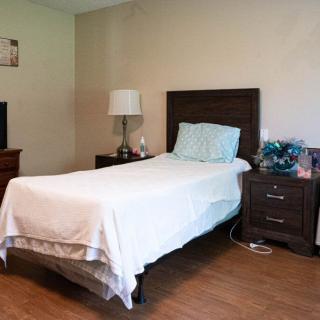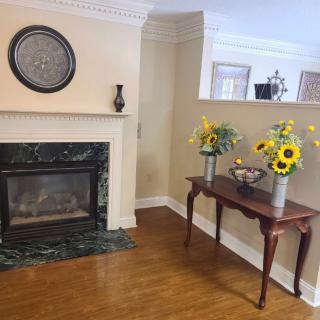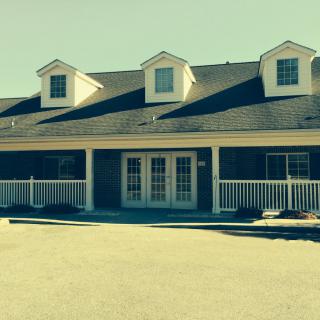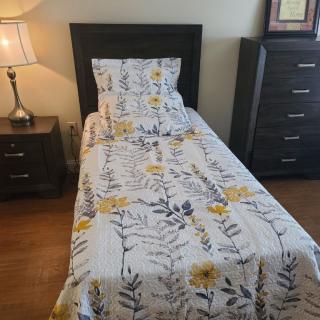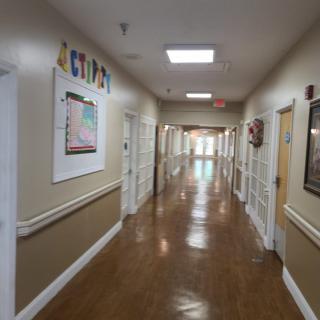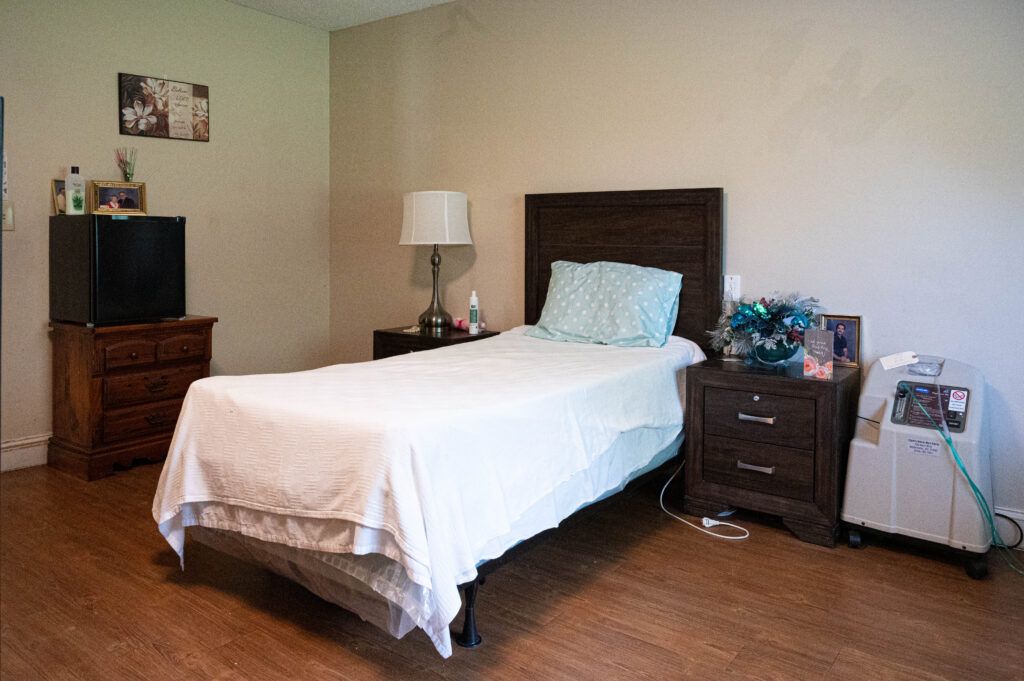
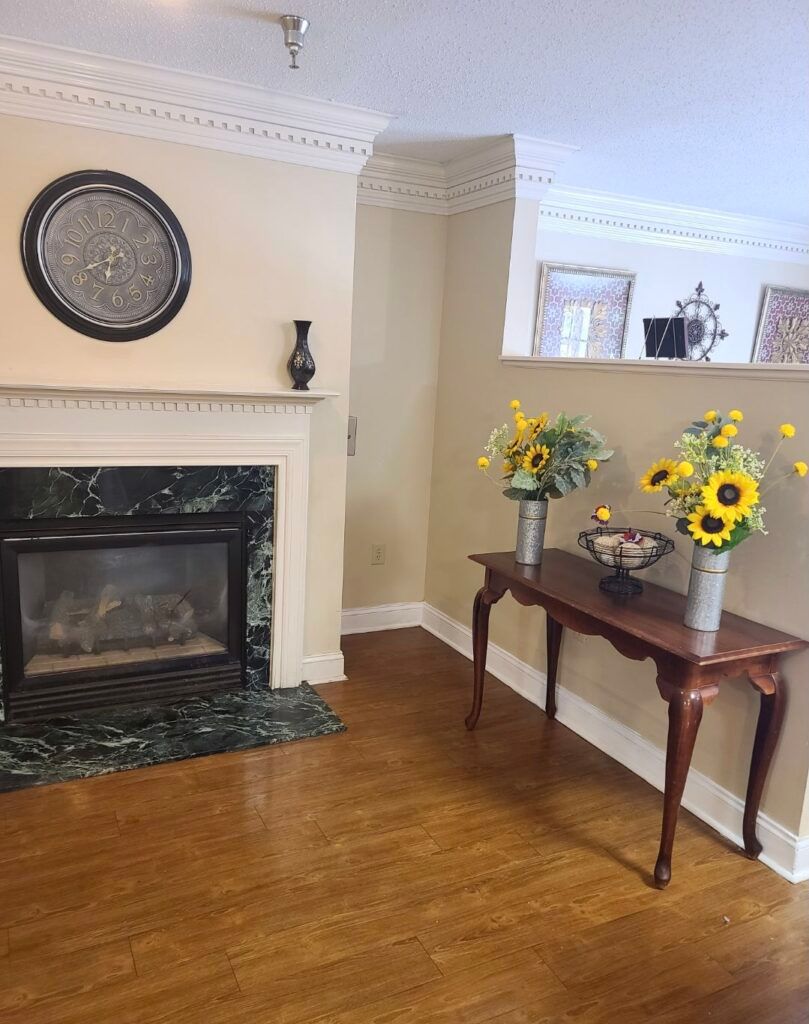
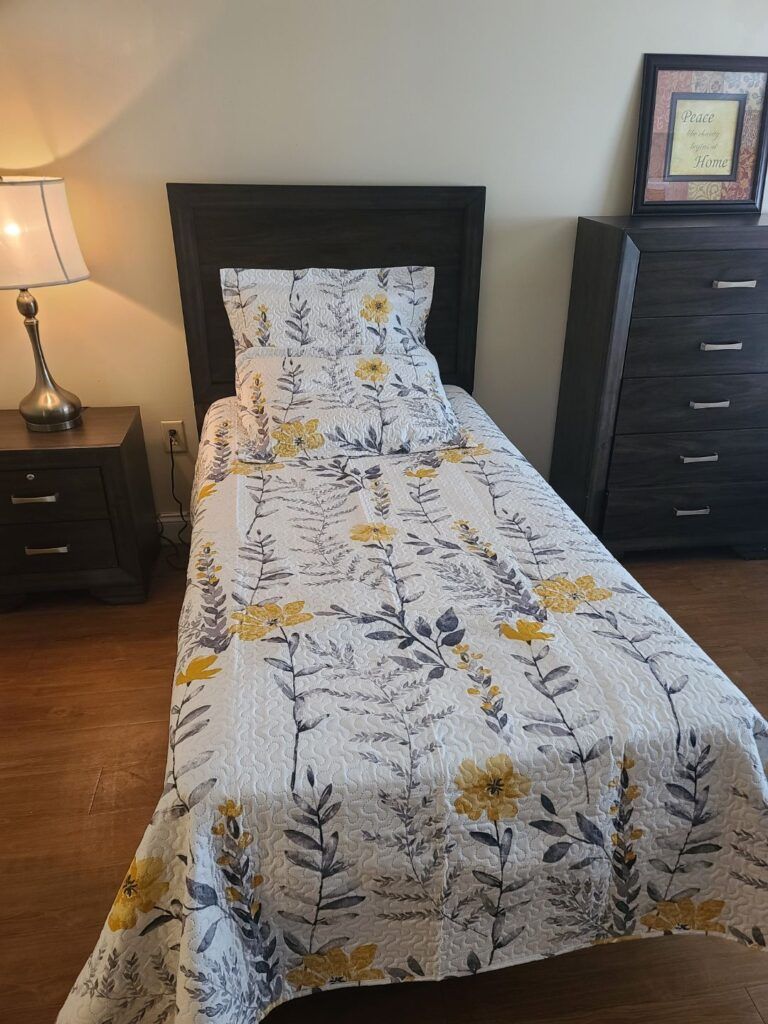
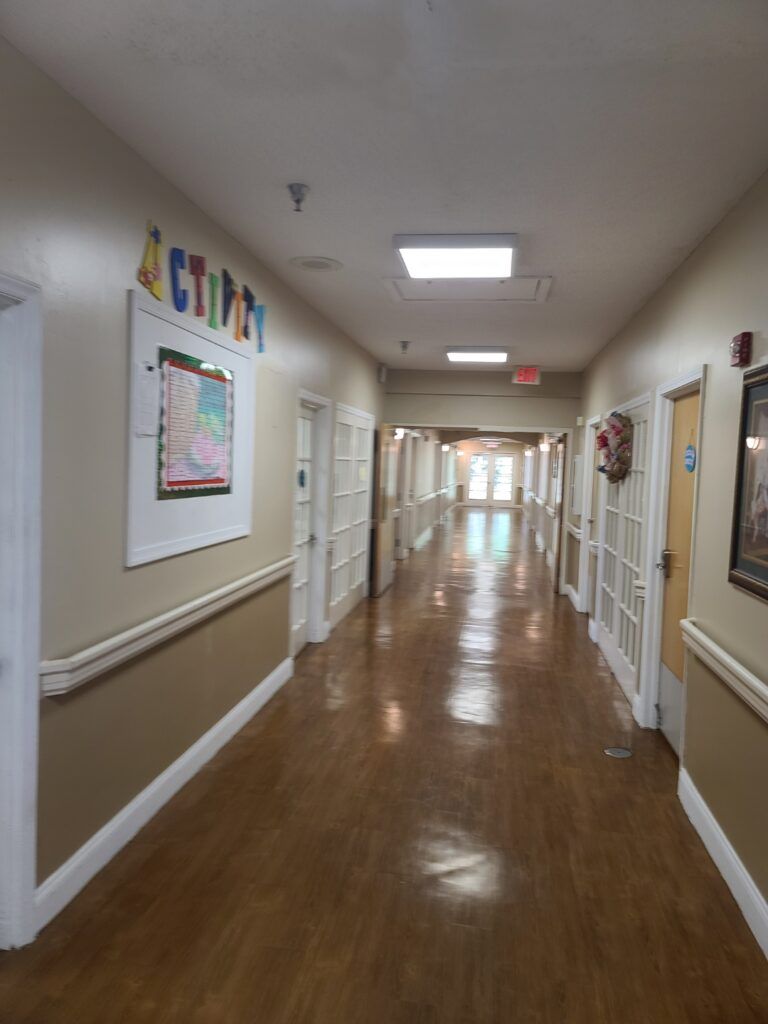
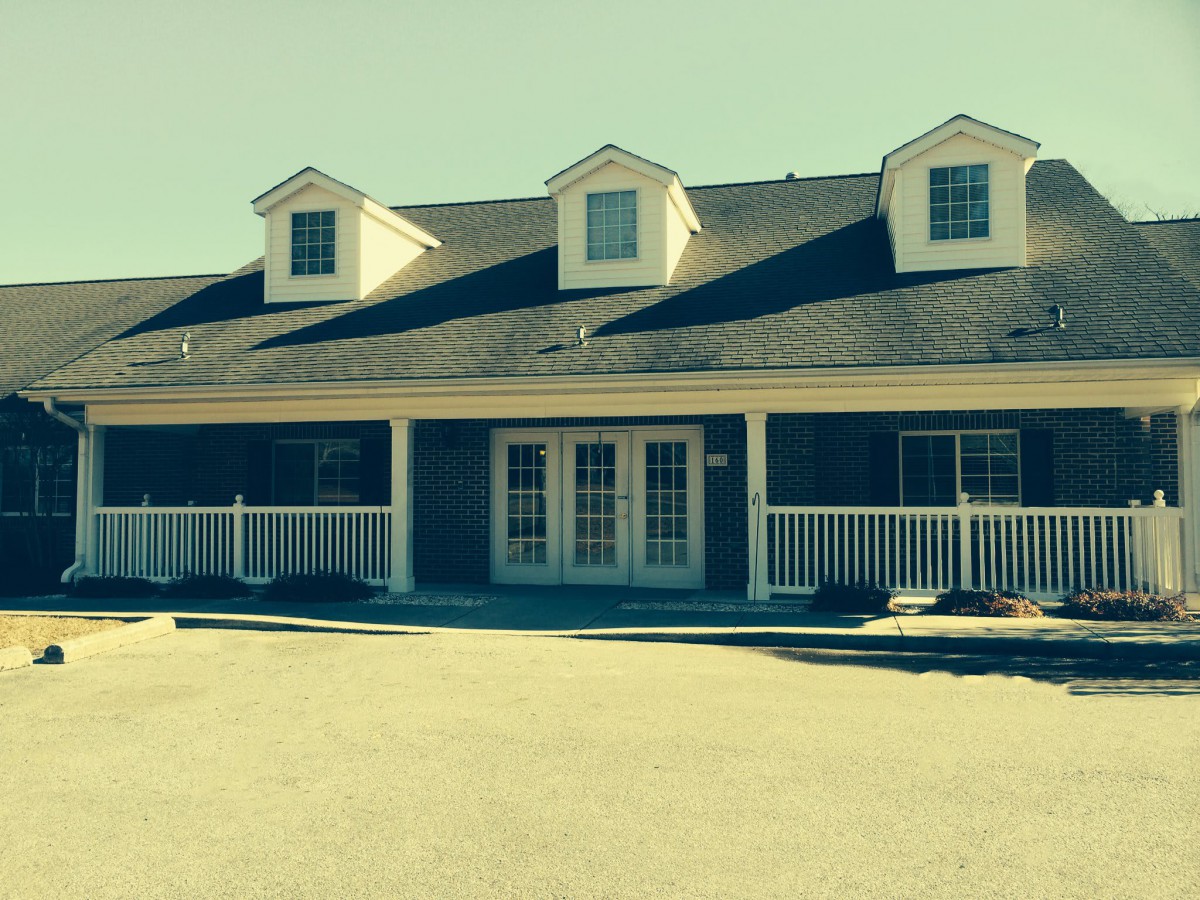
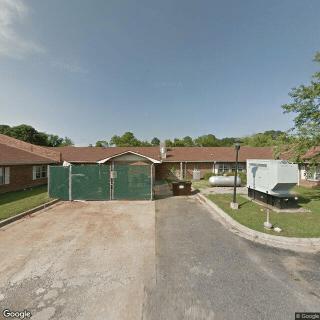
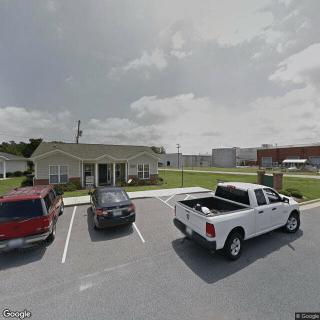
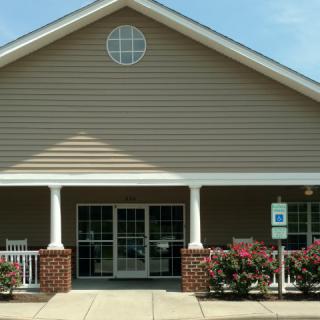
160 Santree Drive, Williamston, NC 27892
For more information about senior living options: (866) 208-4318
Williamston House Costs & Pricing
Williamston House offers competitive pricing for its residents, particularly in the context of Martin County and North Carolina as a whole. For a semi-private room, the monthly cost at Williamston House is $2,400, which is slightly more affordable than the county average of $2,500 and significantly lower than the state average of $3,584. Additionally, the studio rate at Williamston House is set at $4,500 - higher than Martin County's average of $3,563 but still within a reasonable range compared to North Carolina's statewide average of $4,020. These pricing structures reflect an attractive option for those seeking quality care in a comfortable environment while remaining mindful of their budget.
| Floor plans | Williamston House | Martin County | North Carolina |
|---|---|---|---|
| Semi-Private | $2,400 | $2,500 | $3,584 |
| Studio | $4,500 | $3,563 | $4,020 |
Assisted Living communities with a similar price nearby
-
from +$200 / mo
Vintage Inn Retirement Community
$2,600 to $2,900 / month1.7 miles away -
from -$215 / mo
Winston Gardens
$2,185 to $2,855 / month13.2 miles away
Overall Review of Williamston House
Pros
 The director and the RCC are very engaged and dedicated to providing the best care.
- Williamston is lucky to have a facility like this in its town.
- The community is described as great.
- Williamston House is under new management and is a great place to live and work.
- It is a great place to work and live, and many would recommend Williamston House.
Cons
 The reviewer notes that no one answers the phone and calls automatically disconnect, making it impossible to contact the place.
- The phone disconnects calls after four rings, despite assurances that a glitch had been fixed.
- They claim the reviews may be fake and describe the facility as a hellhole, noting a state inspection with 114 pages of errors and money owed.
- The reviewer reports that their relative suffered severe bed sores and tooth loss, indicating poor care.
- They label the facility as the worst assisted living in Williamston.
- They worry about a family member staying there due to no open beds nearby and the distance being hard to manage.
Review
Williamston House is best suited for families who want a locally anchored, caregiver-focused community where leadership is visible and residents seem to benefit from a real sense of town connection. It works well for households that can be closer to the facility, or at least committed to regular on-site oversight, so care decisions aren’t left entirely to chance. For seniors who appreciate an engaged director and a resident care coordinator who are actively involved in daily life, this setting can feel approachable and practical, especially for those who value relationships with staff and a recognizable community routine.
Those weighing alternatives should note a clear caveat: remote or highly hands-off oversight will be strained here. The most persistent friction in the reviews is a phone system that repeatedly disconnects calls, a problem that makes remote monitoring and quick updates difficult. For families living out of state, the gaps in communication can feel like a barrier to peace of mind, because timely check-ins are a cornerstone of confidence in care. If dependable remote communication isn’t negotiable, it is prudent to compare other communities with more reliable, responsive channels for family updates and faster access to staff.
On the upside, several reviews emphasize leadership accountability and a strong sense of community when one is on site. The director and the resident care coordinator are described as engaged and dedicated to delivering the best care, with comments that Williamston is fortunate to have such leadership. Other notes describe the facility as a great place to live and a community that supports both staff and residents. In practical terms, these elements tend to translate into more consistent attention to daily routines, personal connections, and a culture that may be more resident-centered than in some larger campuses.
Yet the cons carry serious weight. Care quality and safety are called into question by multiple accounts, including a resident who reportedly endured bed sores and other injuries, and another who needed teeth removed after an incident at the facility. Alarming claims of a state inspection finding a large volume of errors further muddy the picture, as do reports of outstanding billing issues. With such allegations, the core question becomes: can the facility consistently demonstrate reliable, high-quality care and transparent operations, or do these warnings predict recurring problems? The combination of alleged care lapses, financial friction, and credible concerns about oversight cannot be dismissed.
In weighing pros against cons, a clear decision rule emerges. If local leadership, a recognizable community atmosphere, and the chance to build a close, on-site relationship with caregivers are the primary priorities, and if family members are prepared to actively supervise care and scrutinize daily practices, Williamston House can be a viable choice. However, for families that require steady remote access, a spotless safety and care record, and frictionless financial accountability, alternatives are advisable. Prospective residents should insist on an in-person tour, ask to meet both the director and RCC, request recent QA or inspection documents, and probe wound care, infection control, and fall prevention practices. The path to a confident choice lies in corroborating these claims with firsthand observation and comparing with other nearby options known for transparent communication and proven safety.
 60 resident community capacity
 Assisted Living
 Activities on-site
 Air-conditioning
 Beauty salon
 Cable or satellite TV
 Computer center
 Devotional services off-site
 Dining room
 Fitness room
 Fully furnished
 Gaming room
 Garden
 Housekeeping services
 Indoor common areas
 Kitchenette
 Move-in coordination
 Outdoor space
 Private bathrooms
 Restaurant-style dining
 Small library
 Telephone
 Wellness center
 Wi-Fi/high-speed internet available
 Community operated transportation
 12-16 hour nursing
 24-hour call system
 Assistance with bathing
 Assistance with dressing
 Assistance with transfers
 Diabetes diet
 Diabetic care
 Incontinence care
 Medication management
 Mental wellness program
 Special dietary restrictions
 Concierge services
 Planned day trips


 Social Security Benefits and Assisted Living: Navigating Options Across the U.S.
 An Extensive Exploration of the VA Aid and Attendance Benefit
 Senior Transition Services: Understanding Their Role, Cost, and Importance