Therapy teams are frequently described as helpful, encouraging, and focused on progress.
Several residents or families describe strong rehab therapy support, including speech, physical, and occupational therapy. Multiple reviewers also mention therapists encouraging them through challenging moments and supporting goals to return home. In addition to therapy, some reviewers describe nursing and CNA support working alongside the rehab plan during their stay.
caveat6 reviews mention this
Cleanliness gets mixed reviews
Cleanliness is inconsistent, with both strong praise and serious complaints.
Some reviewers say the facility and rooms were clean and well-maintained. Others describe the opposite, including an extremely dirty environment and unpleasant odors. Because the comments range from “spacious, clean, and bright” to “disgusting” and “stinky,” prospective residents and families may want to ask how cleanliness is handled during daily routines.
A recurring complaint is difficulty connecting with loved ones by phone, including stories about missed access and inconsistent availability. Several reviewers also describe broader communication problems, including requests not being handled as expected or documentation advice to “get everything…in writing.” In at least one account, a family describes major communication breakdowns that delayed outreach and worsened anxiety during a medical decline.
caveat4 reviews mention this
Supervision and care are questioned
Residents’ supervision and day-to-day care are sometimes described as inadequate.
A handful of reviews describe neglect-related issues, including lack of monitoring and delayed attention to declining conditions. One reviewer says a loved one was often left wet and not watched during meals despite dementia-related swallowing risks. Others mention serious complications, such as an injury that progressed and a medical decline that required hospital-level care. Taken together, these comments suggest families should ask specific questions about supervision, reporting, and how promptly concerns are escalated.
How we summarize
Counts show how many written reviews mention each theme; a review can touch several themes, and only frequently mentioned themes are displayed.
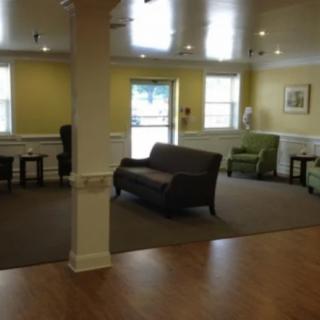
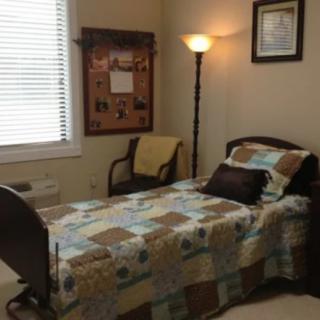
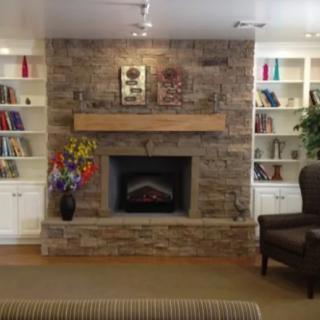
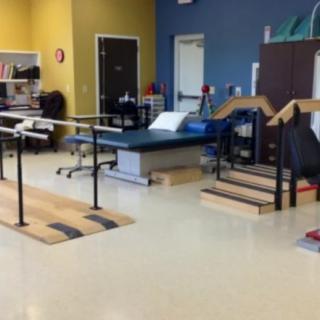
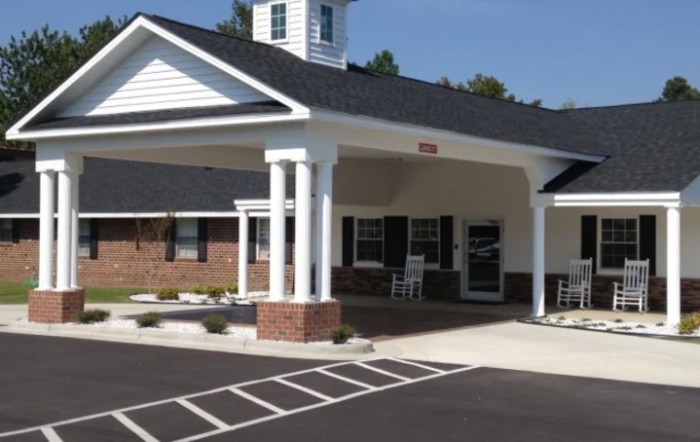
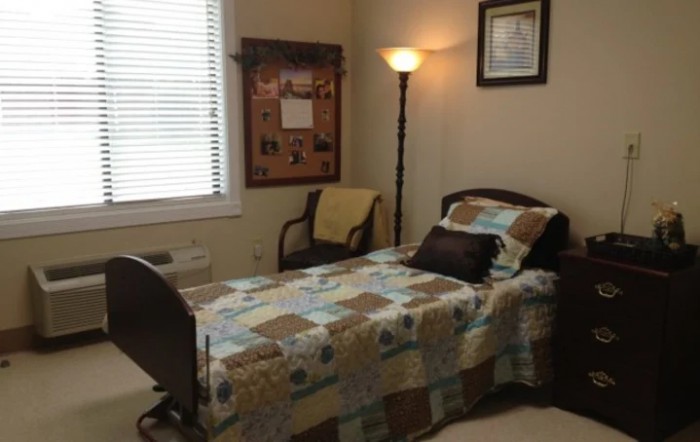
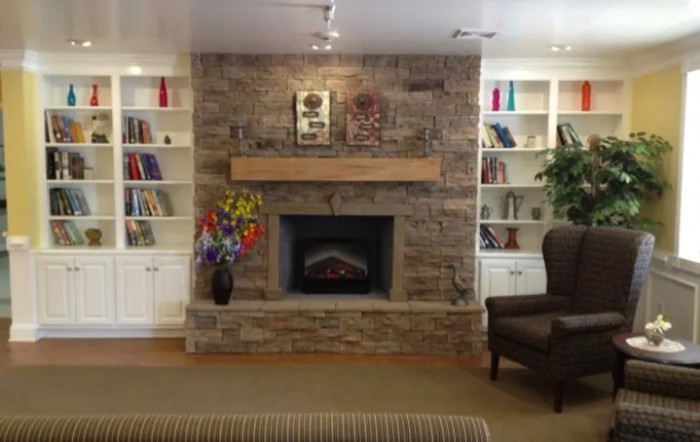
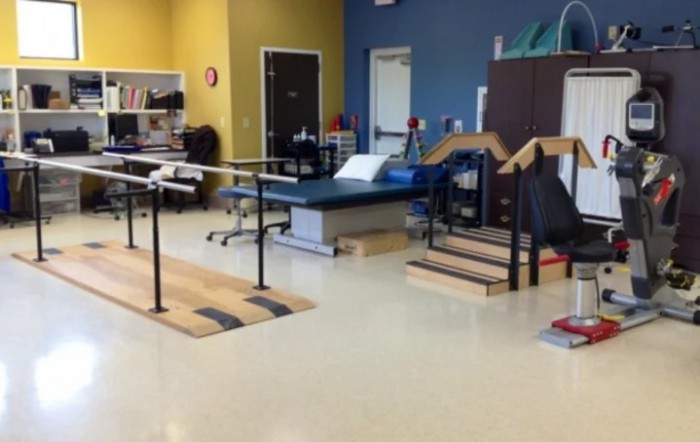
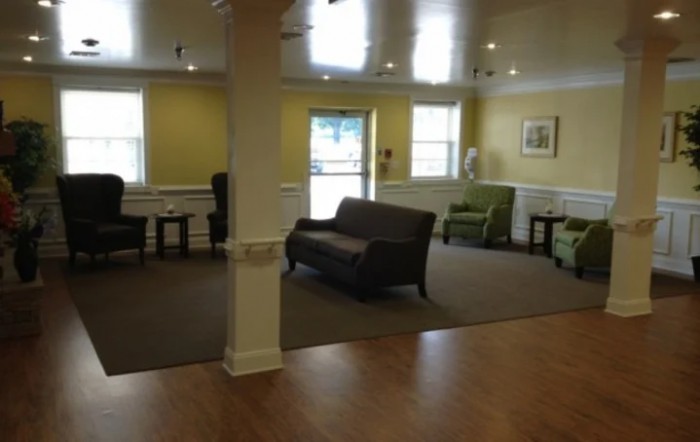
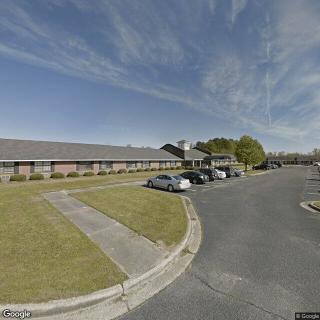
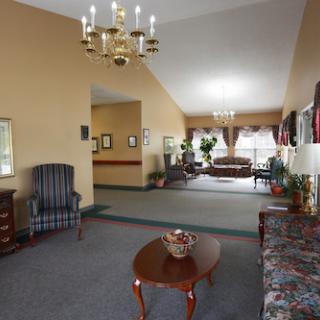
Prodigy Transitional Rehab on seniors.fyi includes 5 photos including images showing bedroom, decor, windows, living room, fireplace, stone wall, bookshelves, home interior, and more.
Nearby Communities
Edgecombe Health And Rehab Center
Tarboro, NC
3.6 from 14 reviews
$7,500 / month
Comprehensive, all-in-one care with private furnished rooms, restaurant-style dining, wellness and fitness programs, beauty salon, outdoor spaces, and robust daily activities, plus 24/7 supervision and medication management.
The Fountains at The Albemarle
Tarboro, NC
4.6 from 145 reviews
$1,995 to $5,430 / month
Friendly staff with an active social life in a clean, welcoming setting.
Open Fields Assisted Living
Tarboro, NC
3.8 from 6 reviews
Clean, comfortable rooms with attentive staff and a welcoming, sociable community.
Fountain Adult Home Care
Tarboro, NC
5 from 1 review
Small, personalized board-and-care with 24-hour supervision, diabetes-friendly meals, and transportation to medical appointments.
Autumn Summers Rocky Mount
Rocky Mount, NC
$1,625 / month
Affordable relative to North Carolina state average.
Open Arms Family Services 2
Rocky Mount, NC
Comprehensive board-and-care with meals, ADL support, medication management, and medical transport.
Brekenridge Retirement Center
Rocky Mount, NC
4.4 from 10 reviews
Well-decorated, inviting, home-like atmosphere with engaging resident activities.
Oak Haven Assisted Living
Greenville, NC
3 from 7 reviews
$1,850 to $4,000 / month
Pricing is competitive, with semi-private and studio options offered at well below Pitt County and NC state averages.
Autumn Care Of Nash
Nashville, NC
3.8 from 39 reviews
Caring staff, clean facility, and engaging activities
Hospice care focuses on providing comfort and support for individuals nearing the end of life, with Medicare Part A covering services like nursing care and counseling for patients with a terminal illness and a life expectancy of six months or less. While most hospice services are low-cost for eligible patients, families should be aware that certain expenses, such as room and board, may not be covered.
Caregiver burnout is a common issue resulting from the intense physical, emotional, and mental demands of caregiving, leading to symptoms like fatigue and social withdrawal. To prevent burnout, caregivers should recognize early warning signs and implement self-care strategies, seek support, and prioritize their own well-being alongside that of those they care for.
Caregiver exhaustion, or burnout, stems from the relentless demands of caregiving, leading to emotional and physical depletion characterized by stress, frustration, and neglect of personal needs. Addressing this burden is essential to prevent long-term consequences, with early recognition and support being crucial for caregivers to maintain balance and implement self-care.
Fireplace, Bookshelves, Stone Wall, and Home Interior
Exercise Equipment, Rehabilitation, Physical Therapy, and Therapy Room
Get PricingAsk A QuestionSchedule A TourContact Senior Advisor
By clicking submit, you agree to our Partner's Terms of Use. You
also consent to receive calls and texts, which may be autodialed, from our Partner. Your consent is not a condition to
using our Partner's service. Please visit our Partner's Privacy Policy for information about their privacy practices.

 118 resident community capacity
 Skilled Nursing Facility
 Air-conditioning
 Beauty salon
 Cable or satellite TV
 Computer center
 Dining room
 Fitness room
 Fully furnished
 Gaming room
 Garden
 Housekeeping services
 Kitchenette
 Move-in coordination
 Outdoor space
 Private bathrooms
 Restaurant-style dining
 Small library
 Telephone
 Wellness center
 Wi-Fi/high-speed internet available
 Community operated transportation
 12-16 hour nursing
 24-hour call system
 Activities of daily living assistance
 Assistance with bathing
 Assistance with dressing
 Assistance with transfers
 Diabetes diet
 Medication management
 Mental wellness program
 Special dietary restrictions
 Concierge services
 Planned day trips
 Comprehensive, all-in-one care with private furnished rooms, restaurant-style dining, wellness and fitness programs, beauty salon, outdoor spaces, and robust daily activities, plus 24/7 supervision and medication management.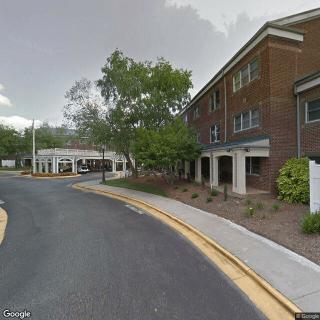



 Comprehensive Guide to Medicare Coverage for Hospice Care
 Caring for Those Who Care: Recognizing, Understanding, and Overcoming Caregiver Burnout
 Caregiver Exhaustion: Recognizing the Signs and Restoring Your Well-Being