
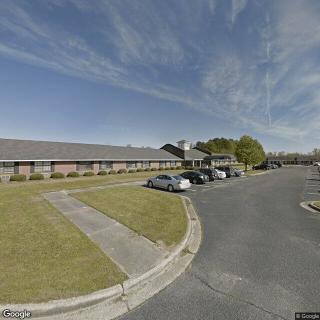
3210 Western Boulevard, Tarboro, NC 27886
For more information about senior living options: (866) 208-4318
Overall Review of Open Fields Assisted Living
Pros
 The staff are friendly and very considerate of their residents.
- The staff are very concerned about each individual and always look out for their well-being.
- The facility is awesome.
- The facility is a great place for residents to stay.
- The dad's room is a very nice size with a soft and comfortable bed.
- The residents are cool and fun to talk to.
- The resident rooms are extremely clean.
- The staff and residents make him feel at home.
Cons
 The facility was awful, from the smell to the people who lived there.
- Residents were hanging out front and smoking outside the lobby.
- There were no staff members supervising the Wii room with the residents.
- Some residents screamed for help at the top of their lungs, and no staff member was around.
- Staff left visitors in the hall to go help someone and then finished the tour, leaving them hanging.
- The organization is very unorganized and does not have the residents' documentation needed.
Review
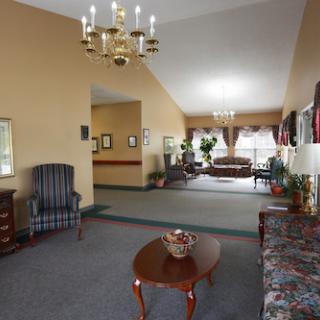
Open Fields Assisted Living in Tarboro is best suited for seniors who want a compact, homey community where neighbors know each other and staff appear genuinely invested in daily well-being. It fits residents who thrive on social activity, cards, porch time, and casual conversations, and who do not require intensive, hospital-grade medical oversight. Families should recognize this setting emphasizes everyday living and companionship over formal care structures. Those seeking pristine, odor-free environments with unwavering administrative rigor and ironclad documentation should consider alternatives.
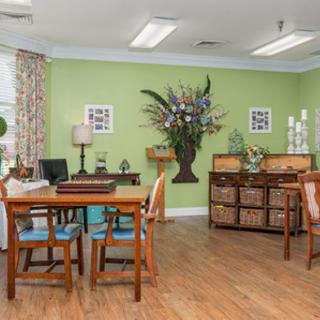
The strongest positives are the human connections: staff described as friendly and considerate, with a palpable focus on individual residents’ welfare. Residents often seem engaged, forming friendships and enjoying each other’s company, which can translate into meaningful daily meaning for those who value a family-like atmosphere. Rooms are reported to be nicely sized, with amenities such as personal refrigerators, contributing to a sense of independence and personal comfort. The overall vibe in some accounts is a welcoming, homey atmosphere where residents feel at ease and neighbors become part of a social circle.
Yet the drawbacks are persistent and tangible. Several reviews flag a sense of disorganization that touches daily operations, resident documentation, and even routine tours. Conditions cited include odor and cleanliness concerns, with alarms raised about food trays not being in a presentable or ready state during lunch hours. The care environment can feel lax at times, staff may be distracted or unavailable in common activity spaces, and moments of private assistance can be missed as staff shift attention elsewhere. There are also troubling impressions of residents smoking outside near entrances and lapses in supervision that undermine the perceived safety and dignity of the setting.
These competing forces create a clear calculation: the warmth and attentiveness of the staff and the social advantages can offset some downsides when management is consistently stable and operations don’t drift into chaos. For residents who prize companionship and a comfortable, neighborly feel, the pros can deliver genuine quality of life. However, the serious concerns around organization, supervision, cleanliness, and food execution tilt the balance decisively against those with higher expectations for reliability, safety, and professional oversight. In short, the positives are real but do not fully cancel the risk of operational gaps.
Alternatives should be strongly considered for residents with greater care needs, dementia or memory care requirements, or those who demand tighter procedural controls and meticulous documentation. Families who value predictability in staffing, rapid response in shared spaces, and consistently clean, well-maintained surroundings may find other communities offer a more stable standard of daily operation. Additionally, those who must rely on regular medical oversight or who are sensitive to odor and environmental quality may find the environment less suitable for long-term comfort.
Practical next steps: during a visit, probe staffing patterns in key times (mealtimes, afternoons, and evenings), request to review current care plans and recent documentation, and observe how staff interact in common areas and with residents in need of assistance. Speak with multiple residents and their families to gauge consistency of care across shifts, and check recent inspections or citations that reflect the facility’s accountability. Open Fields can be a good fit for a social, approachable senior who needs a lighter touch on medical supervision, but it warrants cautious scrutiny by families prioritizing reliability, cleanliness, and formal care protocols before making a decision.
 130 resident community capacity
 Assisted Living
 Air-conditioning
 Beauty salon
 Cable or satellite TV
 Computer center
 Dining room
 Fitness room
 Fully furnished
 Gaming room
 Garden
 Housekeeping services
 Kitchenette
 Move-in coordination
 Outdoor space
 Private bathrooms
 Restaurant-style dining
 Small library
 Telephone
 Wellness center
 Wi-Fi/high-speed internet available
 Community operated transportation
 12-16 hour nursing
 24-hour call system
 Activities of daily living assistance
 Assistance with bathing
 Assistance with dressing
 Assistance with transfers
 Diabetes diet
 Medication management
 Mental wellness program
 Special dietary restrictions
 Concierge services
 Planned day trips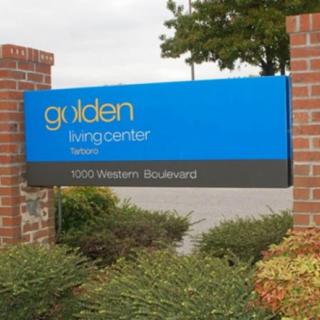

 Vibrant Senior Living: A Comprehensive Guide for Active Older Adults
 When to Transition from Assisted Living to Memory Care: Key Indicators, Steps, and Finding the Right Community
 Assisted Living and Memory Care: Understanding Their Core Differences