Siler City Care and Rehabilitation Center Costs & Pricing
Siler City Care and Rehabilitation Center's pricing reflects the specialized services provided in comparison to both Randolph County and the wider North Carolina market. For a semi-private room, the cost at Siler City is $5,710 per month, which notably exceeds the county average of $4,316 and the state average of $3,584. Similarly, for a private room, residents can expect to pay $7,130 monthly - substantially higher than Randolph County's rate of $6,372 and North Carolina's average of $4,425. These figures suggest that while Siler City Care and Rehabilitation Center may be positioned at a premium price point within its regional context, it likely offers enhanced amenities or specialized care that justifies these elevated costs.
Floor plans
Siler City Care and Rehabilitation Center
Randolph County
North Carolina
Semi-Private
$5,710
$4,316
$3,584
Private
$7,130
$6,372
$4,425
Skilled Nursing Facilities with a similar price nearby
Overall Review of Siler City Care and Rehabilitation Center
common24 reviews mention this
Care experiences split by staffing
Residents and families describe both attentive care and moments when care feels slow or inadequate.
Many reviews mention nurses and CNAs as kind, caring, and responsive, including therapists helping residents regain mobility. Several also describe gaps in care—like delayed or missed help, unanswered call lights, and trouble getting timely pain medication. A few reviews also criticize communication or how staff manage ongoing needs, while others say families were kept informed about condition and medication updates.
caveat9 reviews mention this
Cleanliness and pest concerns recur
Some families report strong cleanliness and pest problems that affected comfort and trust.
A recurring theme in negative reviews is unpleasant odors and reported roaches, along with concerns that rooms and the overall building need better upkeep. Some reviewers say they saw residents waiting longer than expected for assistance, which they connect to unanswered calls and delayed responses. Other reviews do mention cleaning and refurbishing activity, but the complaints about hygiene appear often enough to stand out.
caveat7 reviews mention this
Rehabilitation access and timing issues
Rehab and therapy timing is a point of concern in some reviews.
Some reviews report progress with therapy and describe staff helping residents regain walking ability. Others describe rehabilitation problems like limited weekend therapy, delays in pain-med administration, and PT not happening as expected. A few reviews also mention missed appointments or insufficient transport, which affected recovery and care follow-through.
common4 reviews mention this
Activities are mixed across reviews
Activities are discussed both positively and as something residents want more of.
Some families and visitors describe enjoying activities and recreation staff, including support during periods when in-person visits were limited. Other reviewers say activities were lacking or that specific Sunday preaching was no longer offered. One review also ties the lower rating to mismatched roommate needs, alongside concerns about what was available day to day.
caveat
Pricing runs above county averages
Pricing information suggests the facility costs more than county averages for some room types.
The available pricing ranges indicate a higher level of cost for semi-private rooms compared with county and state benchmarks. Private room pricing is shown as below the county average but still above the state benchmark. Reviews do not provide a consistent theme about cost, so this section focuses on the published pricing comparisons.
How we summarize
We summarize when many written reviews mention each theme; a review can touch several themes, and only frequently mentioned themes are displayed.
Features
Types of Care
Skilled Nursing Facility
Amenities
Activities off-site
Activities on-site
Bath tubs
Beautician on-site
Devotional services off-site
Devotional services on-site
Indoor common areas
Outdoor common areas
Private
Respite or short term stays offered
Wheelchair accessible showers
Care Services
High acuity care
Incontinence care
Dining
Meals provided
Vegetarian
Activities
Activities off-site
Activities on-site
Devotional activities offsite
Devotional activities on-site
Nearby Places of Interest
This part of Siler City, North Carolina offers a variety of amenities and services that may be appealing to seniors looking for a convenient and comfortable living environment. With multiple restaurants, cafes, and pharmacies within close proximity, residents have easy access to dining options as well as healthcare essentials. Additionally, there are several physicians' offices in the area, providing convenient medical care options. The presence of parks and places of worship also offer opportunities for recreation and spiritual fulfillment. Overall, this part of Siler City provides a well-rounded community with essential services for seniors seeking a vibrant yet peaceful neighborhood to call home.
Restaurants
The Phoenix Bakery Market Cafe (16 miles)
The City Tap (16.7 miles)
Wendy's (17.4 miles)
Carolina Brewery & Grill (17.4 miles)
Mi Cancun (17.6 miles)
McDonald's (17.6 miles)
Chick-Fil-A (17.7 miles)
Physicians
Community Family Medicine (16.1 miles)
All Womens Health Care (16.6 miles)
Central Carolina Orthopaedic Associates (17.6 miles)
Central Carolina Women's Center (19 miles)
White Oak Family Physicians (19.1 miles)
Renuka Shiv Harsh (19.1 miles)
Asheboro Urology Clinic PA (19.1 miles)
Cafes
Café Diem (16.7 miles)
Aromatic Roasters (16.8 miles)
Breakaway Cafe (22.9 miles)
Starbucks (24.4 miles)
Biggby Coffee (24.5 miles)
Starbucks (24.8 miles)
Parks
Rock Ridge Park (16.7 miles)
Briar Commons (21.8 miles)
Springwood Park (24.5 miles)
Hospitals
Unc Chapel Hill (16.8 miles)
Cone Health Alamance Regional Medical Center (23.8 miles)
Siler City Care and Rehabilitation Center's pricing reflects the specialized services provided in comparison to both Randolph County and the wider North Carolina market. For a semi-private room, the cost at Siler City is $5,710 per month, which notably exceeds the county average of $4,316 and the state average of $3,584. Similarly, for a private room, residents can expect to pay $7,130 monthly - substantially higher than Randolph County's rate of $6,372 and North Carolina's average of $4,425. These figures suggest that while Siler City Care and Rehabilitation Center may be positioned at a premium price point within its regional context, it likely offers enhanced amenities or specialized care that justifies these elevated costs.
Seniors benefit from ride-hailing services like Uber and Lyft, which provide convenient and accessible transportation options that promote independence and social engagement, while addressing mobility challenges. These platforms have adapted to meet senior needs with user-friendly features and safety measures, although costs can be a concern; community programs may help subsidize rides for older adults.
The guide outlines the eligibility criteria for home health care services, emphasizing clinical requirements, insurance options, and application processes. It distinguishes between Medicare's strict and Medicaid's flexible qualifications while addressing challenges families may face in securing necessary care at home.
Elder abuse affects many older adults worldwide and includes physical, emotional, neglectful, and financial harm, with about one in six individuals over 60 experiencing abuse annually. Prevention and intervention strategies focus on awareness, support for caregivers, and mandatory reporting, while recovery necessitates comprehensive support for both physical and emotional needs.
Get PricingAsk A QuestionSchedule A TourContact Senior Advisor
By clicking submit, you agree to our Partner's Terms of Use. You
also consent to receive calls and texts, which may be autodialed, from our Partner. Your consent is not a condition to
using our Partner's service. Please visit our Partner's Privacy Policy for information about their privacy practices.



 Skilled Nursing Facility
 Activities off-site
 Bath tubs
 Beautician on-site
 Devotional services off-site
 Indoor common areas
 Outdoor common areas
 Private
 Respite or short term stays offered
 Wheelchair accessible showers
 High acuity care
 Incontinence care
 Meals provided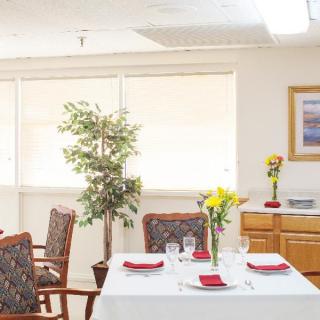
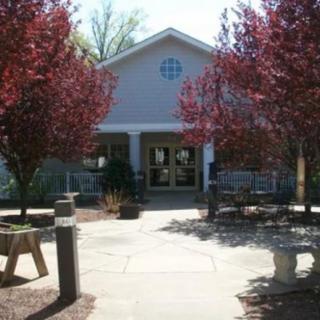
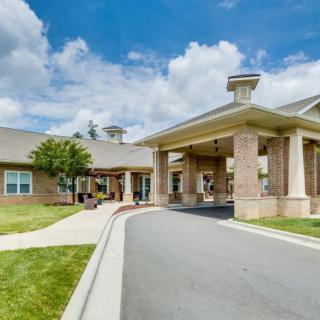
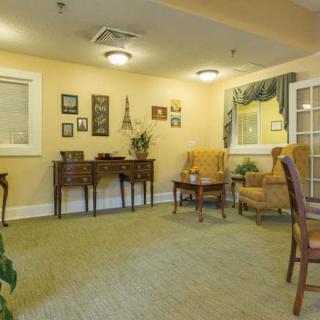
 Spacious, fully furnished rooms with dining, outdoor spaces and 24-hour supervision.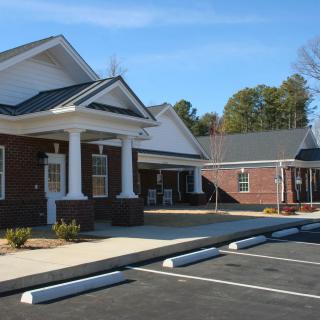
 Seniors and Modern Transportation: Exploring Uber, Lyft, and Other Ride-Hailing Options
 Comprehensive Guide to Qualifying for Home Health Care Services
 Powerful Realities of Elder Abuse and the Most Effective Ways to Report It