
219 Village Lake Road, Siler City, NC 27344
To contact a resident: (919) 663-1245
For more information about senior living options: (866) 208-4318
Village Lake Inn Costs & Pricing
The Village Lake Inn offers competitive monthly rates compared to both Randolph County and the broader North Carolina market. For a studio, guests can expect to pay $1,780, which is significantly lower than the county average of $4,089 and the state average of $4,020. Similarly, for a one-bedroom unit priced at $1,995, the cost remains attractive against Randolph County's average of $3,911 and North Carolina's average of $4,055. This positioning not only highlights the affordability of accommodations at Village Lake Inn but also suggests a compelling value proposition for those seeking comfortable living in this region.
| Floor plans | Village Lake Inn | Randolph County | North Carolina |
|---|---|---|---|
| Studio | $1,780 | $4,089 | $4,020 |
| 1 Bedroom | $1,995 | $3,911 | $4,055 |
Overall Review of Village Lake Inn
Pros
 The staff are attentive and ensure residents have everything they need.
- The community is clean and well-maintained.
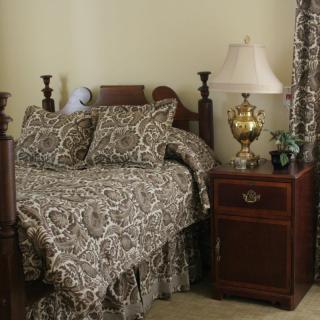
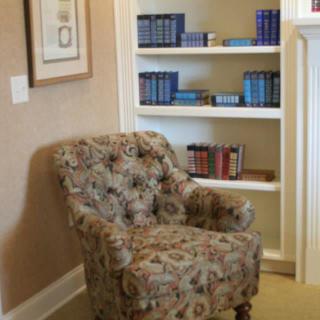
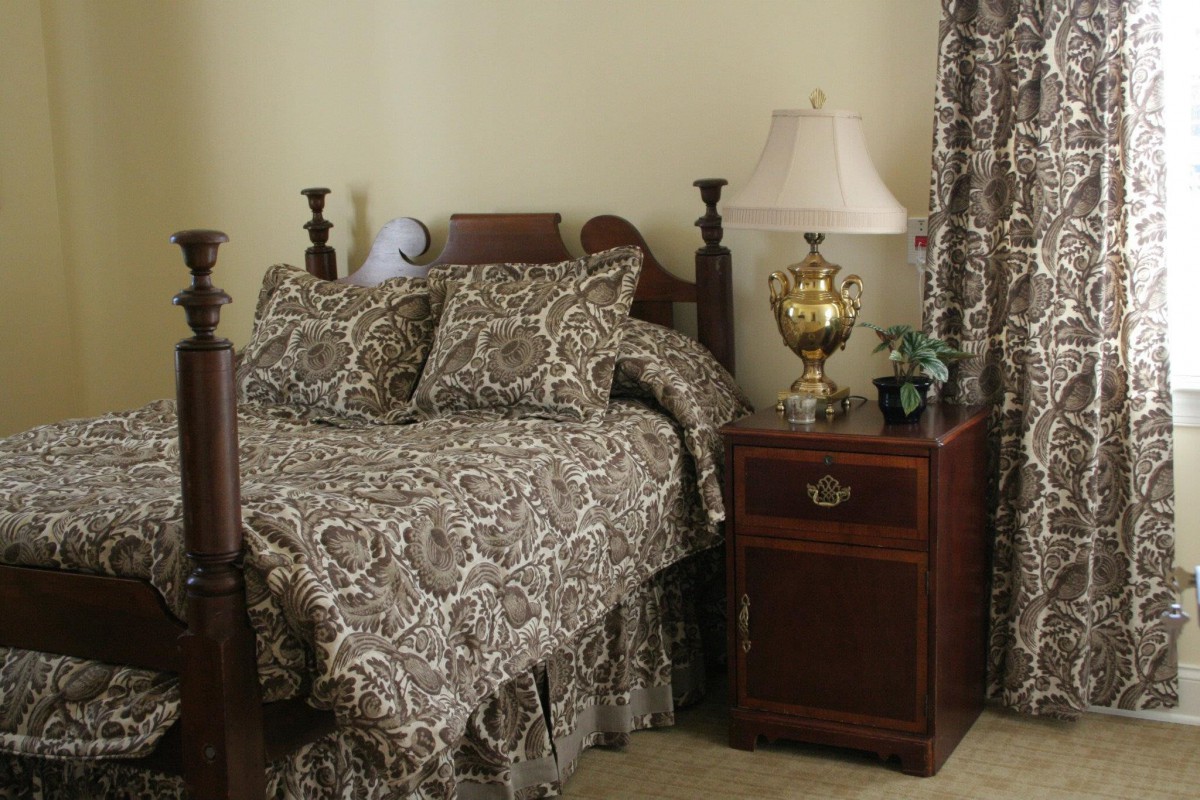
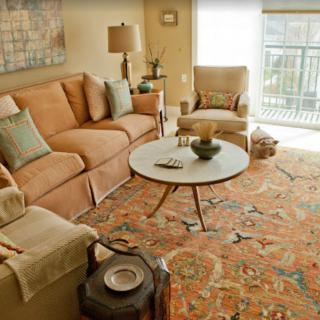
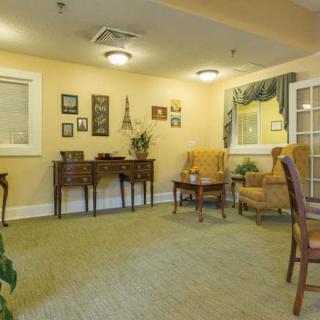
- It feels welcoming and down-to-earth, with pleasant decor.
- Residents can participate in activities and make friends.
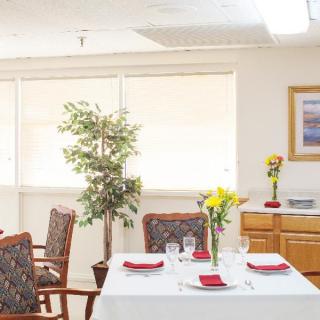
- The dining area offers a variety of food choices and daily options.
- There is an on-site salon and regular activities for residents to choose from.
- The staff are wonderful and caring, and the community is highly recommended.
Cons
 The only thing she complains about is the food.
- The food has been an issue.
- It would be nice if they could offer a few more activities.
- It could have more organized activities.
- They restricted wheelchair use, allowing walkers only because wheelchairs would occupy too much hallway space.
Review
Village Lake Inn in Siler City is best suited for seniors who want a small, neighborly atmosphere where staff know residents by name, cleanliness is consistently prioritized, and social connection feels organic rather than forced. This community shines for families seeking a warm, home-like setting rather than a campus-scale operation. It appeals to those who value a tidy, well-maintained environment, a pleasant front porch and garden vibe, and the sense that staff are readily available to assist with daily needs. Residents who appreciate a modest but comforting layout, where the focus is on relationship-building, will find Village Lake Inn a reassuring fit. It is particularly strong for someone who prefers manageable pace, predictable routines, and the emotional comfort of a familiar staff presence.
Those considering alternatives should be mindful of several realities that may not align with every senior’s priorities. The community’s size and design prioritize intimacy over expansive programming, so families seeking a wide slate of daily activities or highly varied amenities may prefer larger, more activity-driven campuses. For residents who desire more private living space, or whose needs demand frequent, specialized programming, the current layout, where a bedroom is the primary private area and most living space is shared, may feel restrictive. Additionally, the dining experience and meal variety can be uneven, which matters to food-centric residents or families with strict dietary expectations. If mobility equipment options are a priority, the hallway space constraint that nudges walkers over wheelchairs is another factor to weigh.
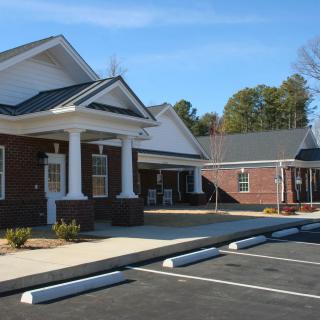
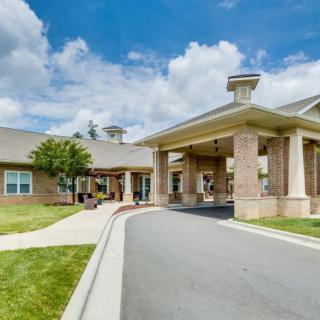
On the upside, the strongest selling points consistently register as durable advantages. The staff’s attentiveness stands out; transitions to increased independence are handled with patience, and caregivers are described as genuinely helpful and responsive to both daily needs and safety concerns. Cleanliness and a calm, well-kept environment reinforce a sense of security and comfort, while the decor and the brick, porch-front aesthetic contribute to a homey, welcoming feel. Residents repeatedly form relationships with staff and peers, and the small-community dynamic fosters meaningful social connections, without the impersonality that sometimes accompanies larger facilities. Even when drawbacks surface, the overall experience tends to lean toward stability and reassurance.
The main drawbacks, most notably food consistency, a desire for more structured activities, and the confinement of private space, do not disappear, but they are not fatal, either. Food quality has appeared as a recurring concern in several reviews, with staff sometimes responding by adjusting offerings, demonstrating a willingness to address what matters to diners. Activity calendars are present and include individual events, with new entertainers occasionally visiting; still, families should anticipate a preference for simpler, organized programming rather than a calendar packed with choice. The “one bedroom, everything else common area” arrangement can feel limiting for residents who crave more personal privacy or a larger living footprint, yet for many, the intimacy and easy access to shared spaces compensate by fostering closer daily interactions.
To make a well-founded decision, prospective families should conduct a practical, targeted visit strategy. Observe the quiet areas and the pace of day-to-day living, and speak with residents about how staff respond to concerns. Review the weekly activity schedule and sample meals to gauge alignment with expectations, and request details about upcoming menu adjustments or dining options. Inspect mobility layouts with a potential resident’s needs in mind, and confirm what flexible accommodations exist if a walker becomes insufficient and a wheelchair is needed. Ask about private space options, potential for room personalization, and whether there are plans to broaden private accommodations or extend programming. A candid tour will reveal how the warm atmosphere translates into daily life.
In the end, Village Lake Inn offers a compelling value for families prioritizing safety, cleanliness, and a personable staff in a compact, welcoming setting. It delivers on emotional warmth, dependable care, and social integration, which can reduce caregiver stress during transitions and ongoing management of daily living. However, for those who prize extensive activities, private living space, or expansive mobility-friendly design, alternatives may better align with expectations. If the objective is a low-stress, friendly, and reliable home-like environment, with improvements actively pursued in dining and programming, this community warrants serious consideration. The right fit hinges on balancing the comfort of a tight-knit community against the nonnegotiables of private space, meal consistency, and activity variety.
 Studio apartments
 Independent Living
 Cats allowed
 Dogs allowed
 Activities off-site
 Air-conditioning
 Beautician on-site
 Cable or satellite TV
 Devotional services off-site
 Dining room
 Financing advice
 Garden
 Guest parking
 Handicap accessible
 Housekeeping services
 Indoor common areas
 Kitchenette
 Laundry
 Outdoor common areas
 Party space
 Respite or short term stays offered
 Wi-Fi/high-speed internet available
 Transportation & parking
 Medication management
 Guest meals
 Arts and crafts
 Bible study group
 Cooking club
 Day trips and outings
 Educational speakers / life long learning
 Fitness programs
 Games
Games Live dance or theater performances
 Live musical performances
 Live well programs
 Stories
 Wii bowling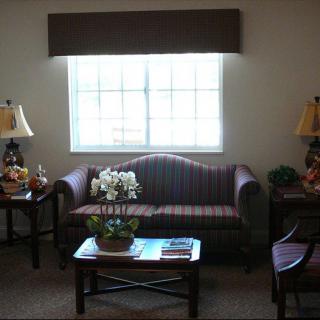



 Highly Beneficial Low-Impact Exercises for Senior Living Residents
 Is In-Home Healthcare Tax Deductible? Your Comprehensive Guide
 Nurturing Well-Being Through Gardening: A Detailed Guide for Senior Enthusiasts