For more information about senior living options: (866) 208-4318
3.7 from 94 reviews
5 stars
58
4 stars
5
3 stars
1
2 stars
1
1 stars
29
Overall Review of Wilora Lake Health Care Ctr
caveat16 reviews mention this
Cleanliness and odors are mixed
Reviews describe both very clean spaces and strong odor complaints.
Some reviewers say the building is very clean and they notice no strong odors. Others report urine-like smells, an overall “dirty” feeling, and dirty laundry or unclean areas. A few comments also tie cleanliness concerns to care tasks not being completed as expected. Overall, cleanliness seems inconsistent across resident experiences.
caveat5 reviews mention this
Food quality divides residents
Food is a frequent point of contention in the reviews.
Several reviewers say the meals are poor or not as expected, including mentions of limited choices and meals they found inedible. Some also report dietary needs not being addressed well. On the other hand, a smaller number of comments describe the food positively, including country-style meals that taste good. Dining appears to vary depending on what residents or families experienced.
common12 reviews mention this
Staff kindness is often praised
Many reviewers describe staff members as kind and helpful.
Across multiple reviews, families and visitors describe nurses and CNAs as approachable, patient, and attentive. Several comments mention staff going out of their way during rehab or long-term stays, including help with comfort and ongoing communication. A number of positive notes also highlight specific staff members when describing care or advocacy. This theme is strong, even though other reviews describe serious staffing and care failures.
caveat9 reviews mention this
Care responsiveness raises concerns
Some residents report delayed or inadequate help when needed.
Several negative reviews mention call-light delays and times when help did not come promptly. Others describe problems with hygiene care, wound or diaper changes, and missed assistance needs. A few reviews also describe understaffing and communication issues during visits or when families tried to get answers. While there are also strong positive care stories, the responsiveness complaints are consistent enough to be a recurring concern.
common4 reviews mention this
Therapy is a notable bright spot
Physical and occupational therapy come up repeatedly in reviews.
Some reviewers single out physical therapy and occupational therapy as effective and attentive, with comments describing good progress during rehab. A different set of reviews also mentions therapy more generally, sometimes contrasting it with other care concerns. Taken together, therapy feedback stands out as one of the more consistently discussed parts of the experience. The strongest stories describe therapy teams as patient and supportive.
How we summarize
Counts show how many written reviews mention each theme; a review can touch several themes, and only frequently mentioned themes are displayed.
Features
Types of Care
Skilled Nursing Facility
Amenities
Activities on-site
Devotional services off-site
Indoor common areas
Transportation
Charlotte Douglas International (11 miles away)
Care Services
Ambulatory care
Diabetic care
Dining
Meals provided
Activities
Activities on-site
Devotional activities offsite
Nearby Places of Interest
This particular area of Charlotte, North Carolina, offers a convenient and vibrant community for senior living. With multiple pharmacies within a few miles radius, residents have easy access to healthcare essentials. A variety of restaurants provide diverse dining options, and nearby physicians offer specialized medical care. Public transportation options are also available for those who prefer not to drive. In addition, the area features several cafes for relaxing outings and places of worship for spiritual fulfillment. For leisure and outdoor activities, there are several parks within a short distance, providing opportunities for recreation and social engagement. Overall, this area provides a well-rounded environment with essential amenities for seniors looking to settle in a lively yet comfortable neighborhood in Charlotte.
Pharmacies
Walgreens (1.2 miles)
Family Care Specialty Pharmacy (1.3 miles)
Walgreens (1.4 miles)
Walgreens (1.8 miles)
CVS Pharmacy (2.2 miles)
CVS Pharmacy (3.3 miles)
Walgreens (3.6 miles)
Restaurants
Chick-Fil-A (3 miles)
Noda Bodega (3.7 miles)
Common Market (3.9 miles)
The Workman's Friend (3.9 miles)
Divine Barrel Brewing (4 miles)
Haberdish (4.3 miles)
Hawthorne's NY Pizza & Bar (4.4 miles)
Physicians
Paviol Dermatology (3.8 miles)
Carolina Asthma & Allergy Center (3.8 miles)
Cotswold Medical Clinic (3.8 miles)
Perry Orthopedics & Sports Medicine (3.9 miles)
Dermatologic Laser Center (4.3 miles)
Center For Wellness (6.2 miles)
Carolina Asthma & Allergy (6.4 miles)
Transportation
Sugar Creek Station (3.9 miles)
LYNX University City Boulevard Station (5.4 miles)
LYNX UNC Charlotte - Main Station (6.6 miles)
Cafes
Villanis Bakery (4 miles)
Smelly Cat Cof (4.2 miles)
Hex Coffee (5.6 miles)
Panera Bread (6.3 miles)
Jeni's Splendid Ice Creams (6.6 miles)
Starbucks (6.6 miles)
The Collective Cafe (6.8 miles)
Places of Worship
St John's Baptist Church (4.5 miles)
St Gabriels Catholic Church (4.6 miles)
First Baptist Of Charlotte: Family Life Center (5.5 miles)
In-home care is increasingly sought after by older adults for maintaining independence, with average private home care rates in 2025 varying by state and service type, reflecting geographical and local labor market influences. As demand rises, families are considering funding options like Medicaid waivers and long-term care insurance to manage costs effectively while ensuring quality care.
Home health care has become essential for supporting independence among the aging population, offering diverse services such as skilled nursing and rehabilitation in familiar environments, while also incorporating technology for personalized care. Despite its benefits, including improved recovery rates and emotional well-being, challenges like safety, staff availability, and insurance navigation must be managed for effective implementation.
Home health care offers a range of clinical services provided in a patient's home, including nursing and therapy, tailored to individual needs, particularly for aging seniors with chronic conditions. This approach enhances patient independence, promotes better disease management, and utilizes technology for real-time monitoring while fostering collaboration among healthcare providers and family members.
Get PricingAsk A QuestionSchedule A TourContact Senior Advisor
By clicking submit, you agree to our Partner's Terms of Use. You
also consent to receive calls and texts, which may be autodialed, from our Partner. Your consent is not a condition to
using our Partner's service. Please visit our Partner's Privacy Policy for information about their privacy practices.

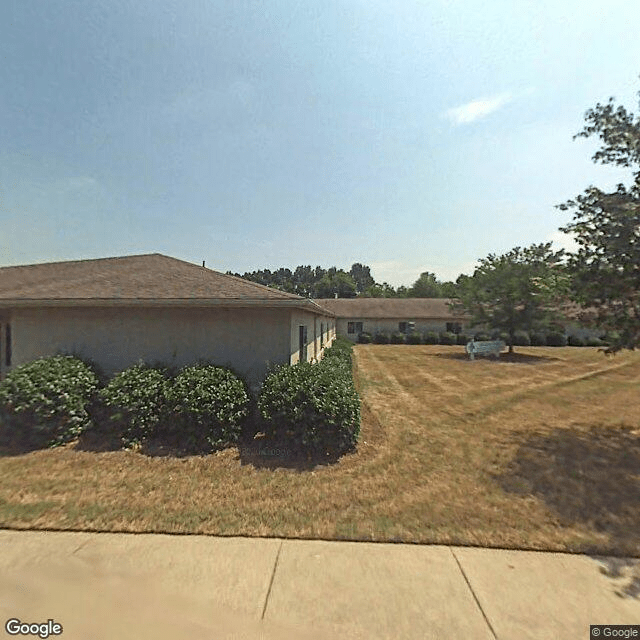
 Skilled Nursing Facility
 Activities on-site
 Devotional services off-site
 Indoor common areas
 Charlotte Douglas International (11 miles away)
 Ambulatory care
 Diabetic care
 Meals provided
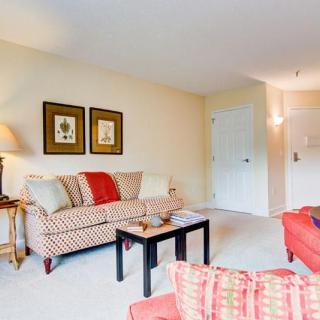
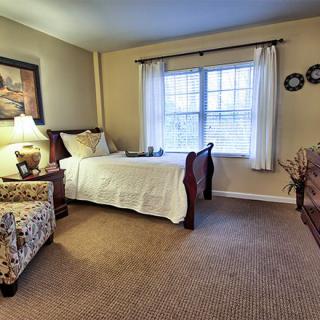
 Clean facility with attentive physical therapy staff and neat dining hall.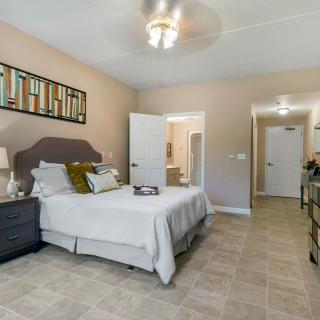



 In-Home Care Costs in 2025: A Detailed State-by-State Exploration
 Understanding Home Health Care: A Comprehensive Guide
 Home Health Care Demystified: A Comprehensive Guide for Families and Caregivers