Overall Review of Charlotte Health & Rehabilitation Center
caveat7 reviews mention this
Odor and cleanliness are mixed
Odor—often described as urine-related—is a recurring concern in some reviews.
Several reviewers describe strong urine odors or a bad smell during visits or stays, including comments that the odor was difficult to tolerate. A few also mention rooms smelling like urine, urine-related cleanliness issues, or urine being present for long stretches. At the same time, other reviews describe the facility as clean, neat, and not having offensive smells. Overall, cleanliness and odor come across as inconsistent across resident experiences.
caveat2 reviews mention this
Food quality earns complaints
Some residents and families report problems with the food.
Two reviewers directly criticize the food, saying it was terrible or horrible, with meals described as cold and not fully cooked. One review also notes spending extra money on takeout because the on-site meals did not meet expectations. Other reviews mention cleanliness and friendliness but do not focus on dining, so the food feedback clusters more on the negative side.
common5 reviews mention this
Therapy support is a focus
Residents and families frequently highlight the therapy team.
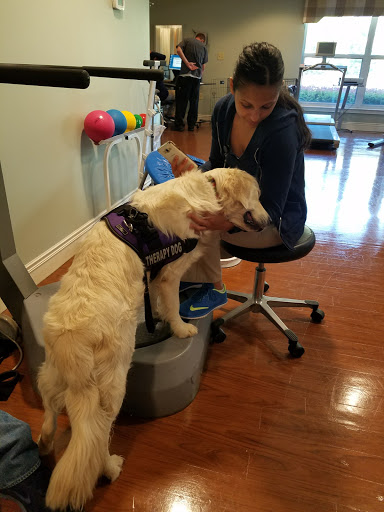
Multiple reviews talk about therapy as a major part of the experience, including praise for the therapy team and rehab gym. Some describe therapists being attentive, understanding resident needs, and helping with mobility progress. At least one review, however, says the therapy received felt minimal during a stay. Taken together, therapy comes through as a meaningful part of recovery, with outcomes described both positively and negatively.
differentiator2 reviews mention this
Call-bell response varies
Residents’ ability to get help through call bells is described as inconsistent.
One reviewer says staff respond to call bells fairly quickly, while another describes CNAs as not responsive, leading to delays when help was needed. That contrast aligns with the community offering a 24-hour call system and 24-hour supervision for care needs. In day-to-day experiences, however, the speed of help appears to depend on the situation and the staff on hand.
common10 reviews mention this
Staff compassion is widely mentioned
Compassionate, professional staff are a frequent theme in reviews.
Many reviewers describe staff members as friendly, kind, professional, and attentive, including recognition for nurses, CNAs, therapists, and managers. Several family members mention staff taking time to answer questions, checking on residents, and helping make transitions feel easier. While most feedback is positive, a small number of reviews raise concerns about empathy, neglect, or poor communication—often paired with other complaints like odor or delayed assistance. Overall, the dominant pattern is supportive, caring staff, though not every experience matched that expectation.
How we summarize
Counts show how many written reviews mention each theme; a review can touch several themes, and only frequently mentioned themes are displayed.
Features
Housing
90 resident community capacity
Types of Care
Skilled Nursing Facility
Amenities
Air-conditioning
Beauty salon
Cable or satellite TV
Computer center
Dining room
Fitness room
Fully furnished
Gaming room
Garden
Housekeeping services
Kitchenette
Move-in coordination
Outdoor space
Private bathrooms
Restaurant-style dining
Small library
Telephone
Wellness center
Wi-Fi/high-speed internet available
Transportation
Charlotte Douglas International (3 miles away)
Community operated transportation
Transportation arrangement
Transportation arrangement (non-medical)
Transportation to doctors appointments
Care Services
12-16 hour nursing
24-hour call system
24-hour supervision
Activities of daily living assistance
Assistance with bathing
Assistance with dressing
Assistance with transfers
Diabetes diet
Meal preparation and service
Medication management
Mental wellness program
Special dietary restrictions
Dining
Diabetes diet
Special dietary restrictions
Activities
Community-sponsored activities
Concierge services
Fitness programs
Planned day trips
Resident-run activities
Scheduled daily activities
Nearby Places of Interest
Physicians
Northwest Family Physicians (1.3 miles)
Mecklenburg County Health Department (3.9 miles)
Riverbend Family Practice-Mt. Holly (5.7 miles)
Charlotte Eye Ear Nose & Throat Associates, P.A. (6.1 miles)
South Point Family Practice PA (6.2 miles)
Dermatologic Laser Center (7 miles)
Carolina Asthma & Allergy Center (7.4 miles)
Restaurants
South 21 Family Restaurant (2 miles)
1897 Market (3.1 miles)
Bad Daddy's Burger Bar (3.1 miles)
Tequileria (3.7 miles)
Clutch Kitchen & Pour House (4.5 miles)
Sonic Drive-In (4.6 miles)
VBGB Beer Hall & Garden (4.6 miles)
Pharmacies
Walgreens (2 miles)
CVS Pharmacy (2.3 miles)
CVS Pharmacy (2.8 miles)
CVS Pharmacy (6.1 miles)
CVS Pharmacy (6.2 miles)
CVS Pharmacy (6.5 miles)
CVS Pharmacy (7.1 miles)
Transportation
Concourse E (2.8 miles)
Concourse D (2.9 miles)
American Express Centurion Lounge (3 miles)
CLT Car Rental Center (3 miles)
Security Checkpoint E (3 miles)
Security Checkpoint D (3 miles)
Charlotte Douglas International Airport (CLT) (3 miles)
Cafes
Panera Bread (3 miles)
Jeni's Splendid Ice Creams (4.9 miles)
Hex Coffee (5.2 miles)
Smelly Cat Cof (6.7 miles)
Villanis Bakery (6.8 miles)
Panera Bread (7.3 miles)
Starbucks (7.9 miles)
Parks
Romare Bearden Park (4.9 miles)
Fourth Ward Park (5 miles)
Little Sugar Creek Greenway (5.2 miles)
First Ward Park (5.3 miles)
Sedgefield Neighborhood Park (5.7 miles)
Overlook Neighborhood (6 miles)
Places of Worship
First Baptist Of Charlotte: Family Life Center (5.4 miles)
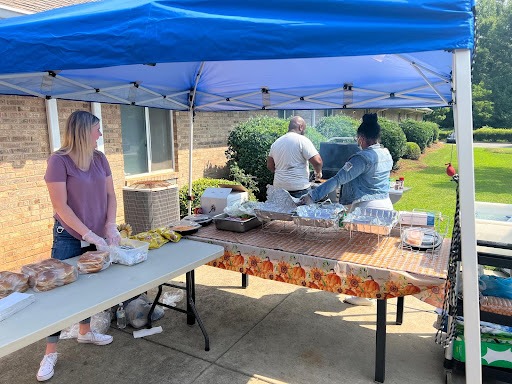
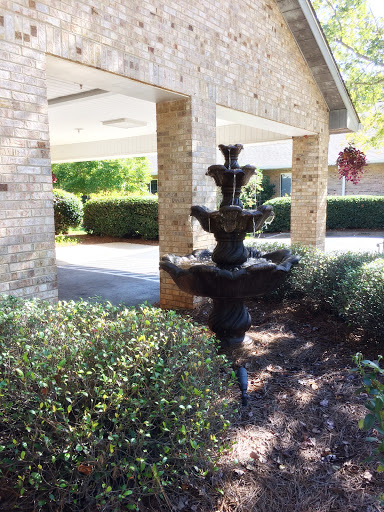
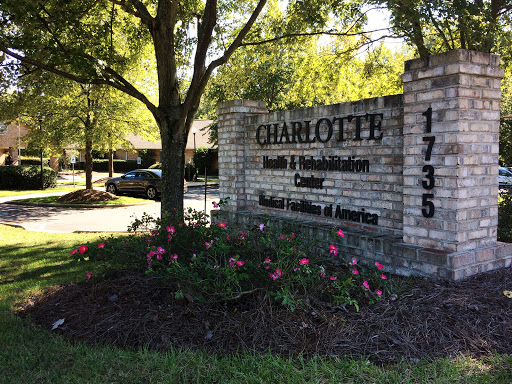
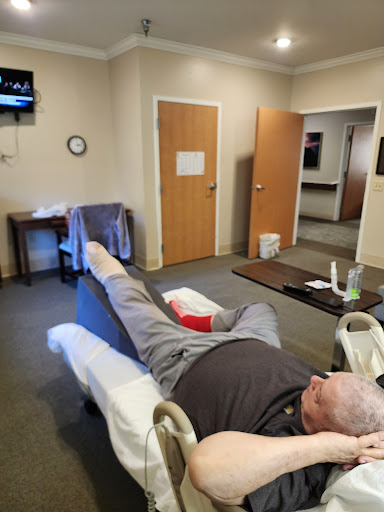
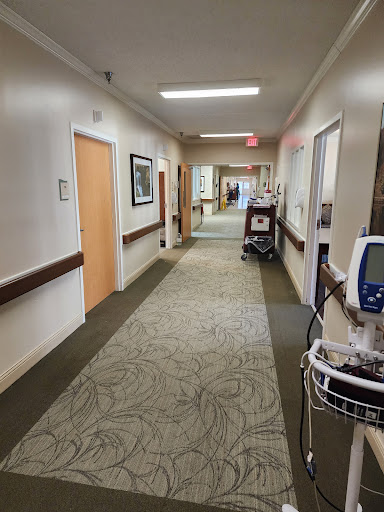
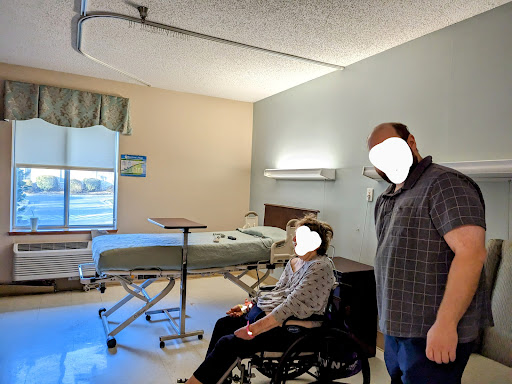
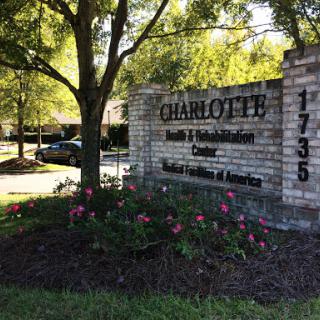
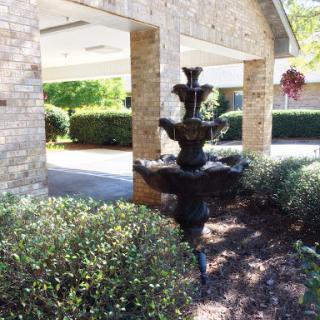
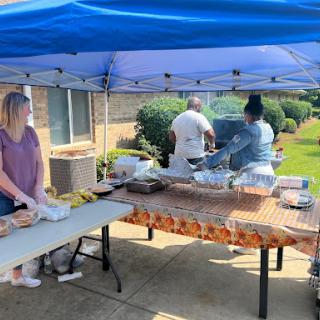
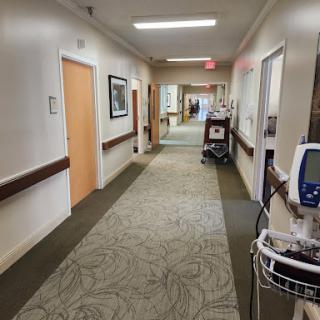
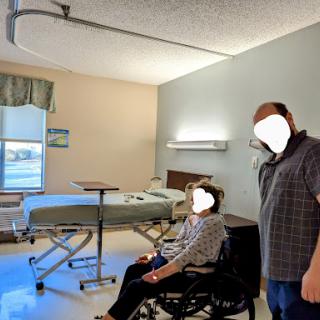
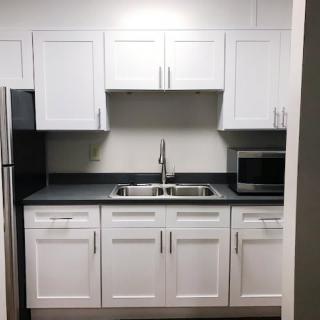
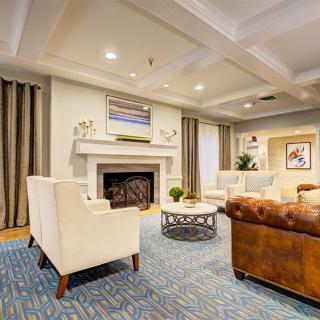
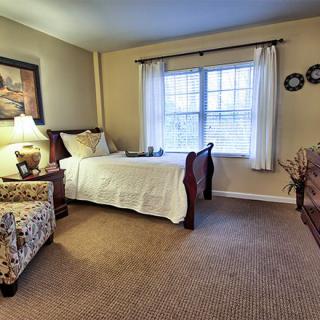
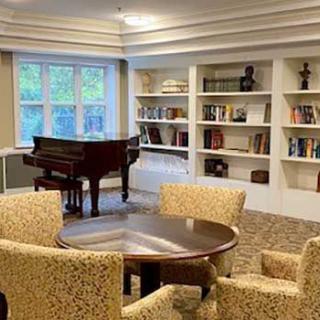
Charlotte Health & Rehabilitation Center on seniors.fyi includes 9 photos including images showing healthcare, interior, landscaping, outdoor, rehabilitation, trees, exercise, hallway, and more.
Nearby Communities
Senior Villages
Charlotte, NC
3.5 from 37 reviews
$900 / month
Affordable, spacious apartments with responsive maintenance in a safe, convenient gated community.
Madison Saints Paradise South
Charlotte, NC
4.7 from 53 reviews
$1,400 to $1,900 / month
Friendly staff and supportive, faith-based community.
At Home Loving Care
Charlotte, NC
$3,200 / month
Affordable private rooms with a convenient location near a park, pharmacies, physicians, and dining.
The Vineyards on Lake Wylie
Charlotte, NC
4.4 from 56 reviews
Nutritious meals with dietary accommodations and medication management.
Home Instead - Charlotte, NC
Charlotte, NC
4.9 from 63 reviews
Compassionate, personalized care that provides peace of mind for families.
Poplar Grove Apartments
Charlotte, NC
3.1 from 21 reviews
$1,237 to $1,341 / month
MerryWood on Park
Charlotte, NC
4.5 from 155 reviews
$2,745 to $4,995 / month
Strong community, caring staff, engaging activities, and good dining; welcoming ambassador program.
Charter Senior Living of Charlotte
Charlotte, NC
4.2 from 152 reviews
$4,750 to $5,695 / month
Genuine, caring staff in a welcoming, community-focused environment with engaging activities.
Low-impact exercises are vital for seniors as they promote health, independence, and social interaction while reducing joint strain. These adaptable activities, guided by healthcare professionals, enhance strength, flexibility, and emotional well-being.
The guide details the tax deductibility of in-home healthcare expenses according to IRS guidelines, differentiating between medically necessary services and non-medical assistance, while emphasizing the need for proper documentation and itemization requirements. It also highlights state-level variations, the importance of record-keeping, and encourages seeking professional tax help to understand evolving regulations.
Gardening provides seniors with physical exercise, mental and emotional support, and social interaction opportunities, while accommodating their needs through raised beds and ergonomic tools. It promotes health benefits like improved dexterity and cardiovascular health, encourages sustainable practices, and allows for manageable upkeep with low-maintenance plants.
Get PricingAsk A QuestionSchedule A TourContact Senior Advisor
By clicking submit, you agree to our Partner's Terms of Use. You
also consent to receive calls and texts, which may be autodialed, from our Partner. Your consent is not a condition to
using our Partner's service. Please visit our Partner's Privacy Policy for information about their privacy practices.




 90 resident community capacity
 Skilled Nursing Facility
 Air-conditioning
 Beauty salon
 Cable or satellite TV
 Computer center
 Dining room
 Fitness room
 Fully furnished
 Gaming room
 Garden
 Housekeeping services
 Kitchenette
 Move-in coordination
 Outdoor space
 Private bathrooms
 Restaurant-style dining
 Small library
 Telephone
 Wellness center
 Wi-Fi/high-speed internet available
 Charlotte Douglas International (3 miles away)
 Community operated transportation
 12-16 hour nursing
 24-hour call system
 Activities of daily living assistance
 Assistance with bathing
 Assistance with dressing
 Assistance with transfers
 Diabetes diet
 Medication management
 Mental wellness program
 Special dietary restrictions
 Concierge services
 Planned day trips
 Affordable, spacious apartments with responsive maintenance in a safe, convenient gated community.

 Highly Beneficial Low-Impact Exercises for Senior Living Residents
 Is In-Home Healthcare Tax Deductible? Your Comprehensive Guide
 Nurturing Well-Being Through Gardening: A Detailed Guide for Senior Enthusiasts