The Laurels Of Greentree Ridge in Asheville, NC

Save

  • Interior

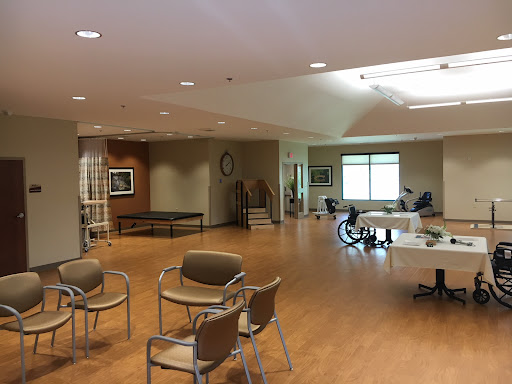
    A spacious and well-lit rehabilitation center waiting area, designed for comfort and accessibility.
  • Decor

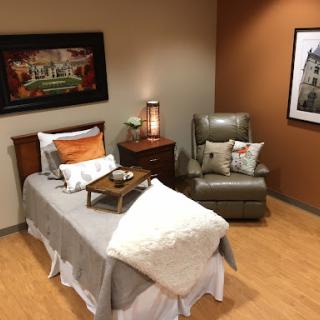
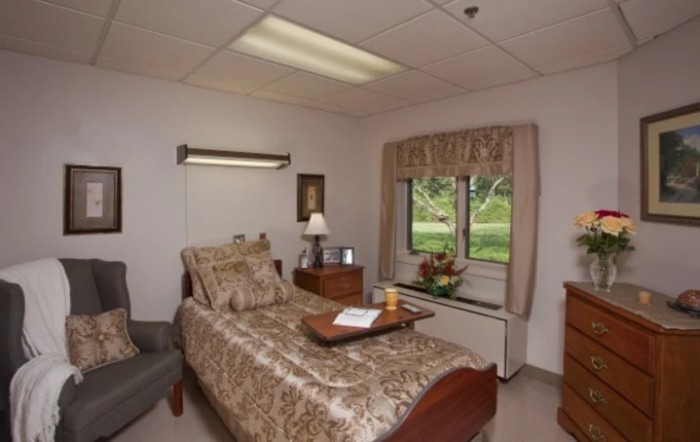
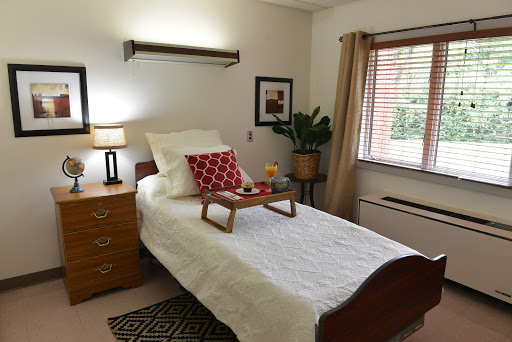
    A cozy and well-decorated bedroom featuring a single bed, bedside table with a lamp, and a houseplant by the window.
  • Building

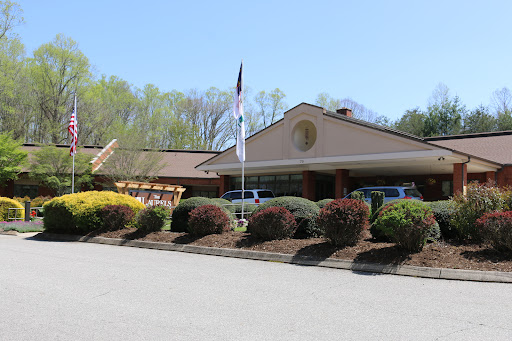
    A school entrance with a flagpole and well-maintained gardens.
  • Architecture

    A modern building with large windows surrounded by well-maintained landscaping.
  • Bedroom

    A comfortable hospital room with a single bed, bedside table, and window view.
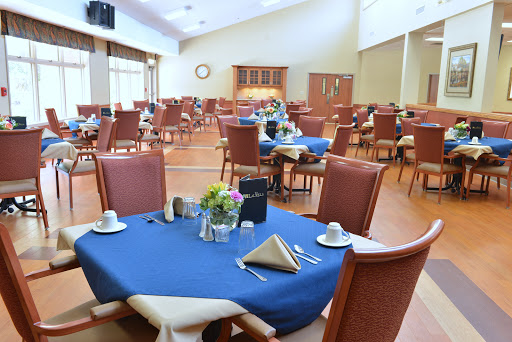
  • Dining

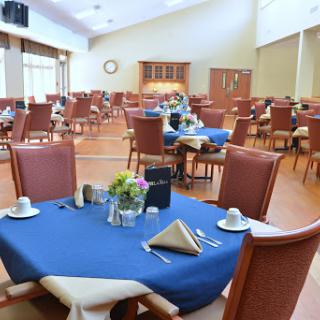
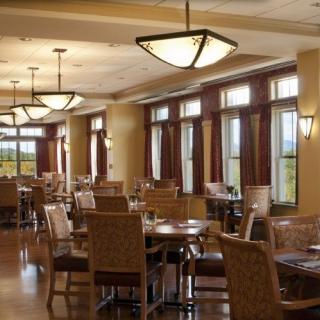
    A spacious dining area with neatly arranged tables and chairs, featuring blue tablecloths, ready for guests.
  • Landscaping

    A well-maintained building surrounded by colorful bushes and a clear blue sky.
  • Garden

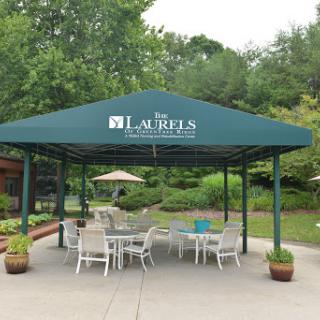
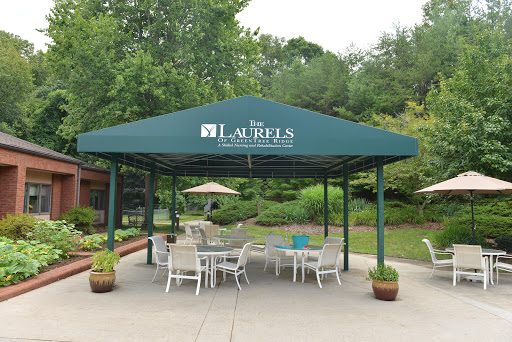
    A serene outdoor pavilion with seating, surrounded by lush greenery.
  • Entrance

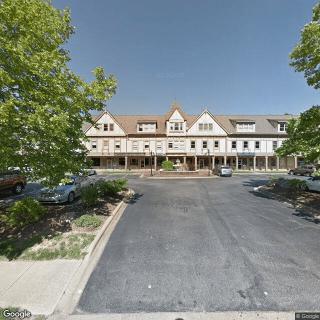
    A building with a landscaped entrance, surrounded by greenery and under a partly cloudy sky.
  • Artwork

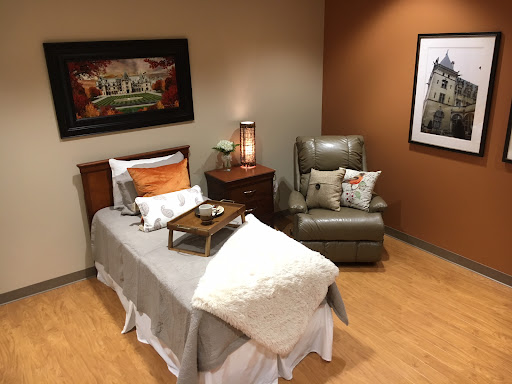
    A cozy and well-decorated bedroom featuring a comfortable bed and inviting seating area.
  • Outdoor

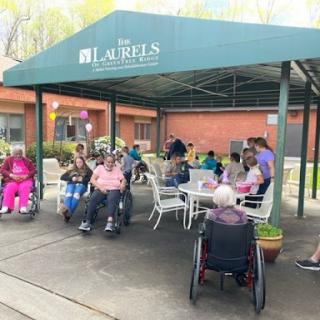
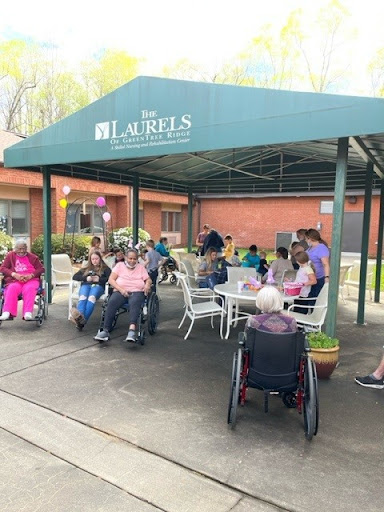
    Residents enjoying a sunny day outdoors at the community center.
  • Bathroom

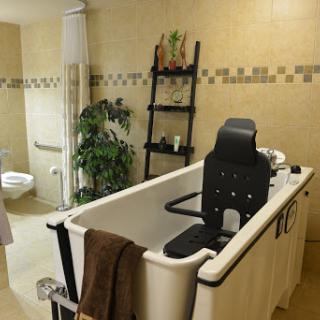
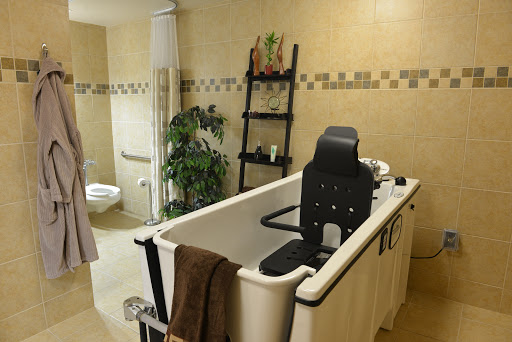
    A serene bathroom featuring a comfortable bathtub, plants for decoration, and a simple yet elegant design.
  • Exercise Equipment

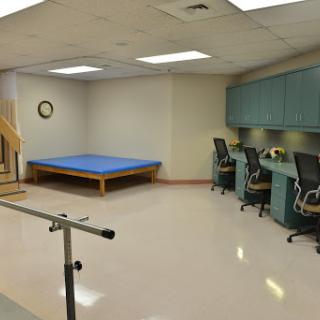
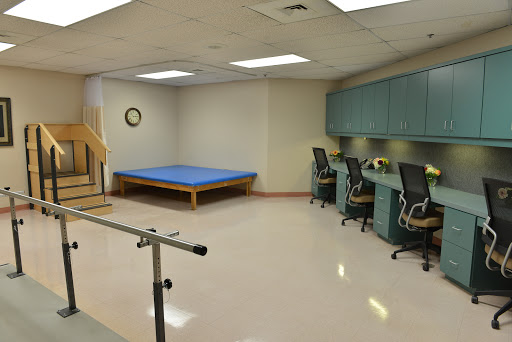
    A rehabilitation therapy room featuring a blue exercise mat, support bar, and workstations.
  • Healthcare

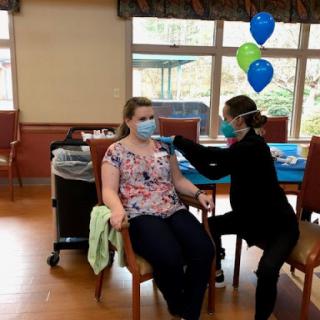
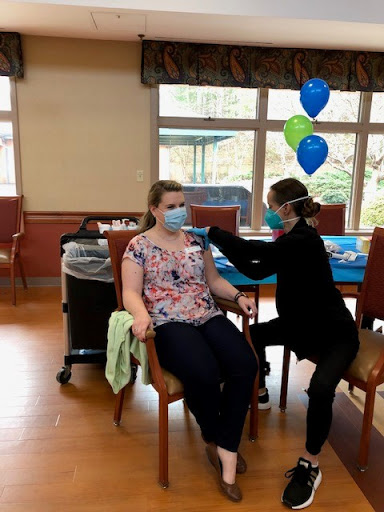
    A nurse administers a vaccine to a patient in a healthcare setting, surrounded by decorations.

The Laurels Of Greentree Ridge in Asheville, NC

Information last verified:

70 Sweeten Creek Road, Asheville, NC 28803

For more information about senior living options: (844) 490-3973

3.9 from 152 reviews
5 stars
93
4 stars
14
3 stars
7
2 stars
13
1 stars
25

Overall Review of The Laurels Of Greentree Ridge

Pros

  • pro Reviewers say the staff are kind, attentive, and genuinely caring.
  • pro The facility is clean, well-maintained, and smells pleasant.
  • pro The rehabilitation team (PT/OT) is outstanding and effective.
  • pro Families feel confident their loved ones are safe and well cared for.
  • pro The environment feels like a family, with staff greeting residents by name.
  • pro Therapy services are available seven days a week in many cases.
  • pro The dining service is praised for good meals and dining experiences.
  • pro The atmosphere is welcoming with engaging activities and a positive vibe.
  • pro Management and leadership are described as caring, responsive, and supportive.
  • pro Many reviewers express gratitude and would highly recommend the Laurels to others.

Cons

  • pro One reviewer described the experience as absolutely terrifying, noting the patient did not receive pain medication all night and staff ignored the distress call bell.
  • pro Neglect was reported, with a family member remaining in bed for hours, soiled and wet, with delays in assistance after requests.
  • pro A nurse allegedly handed pills without knowing what they were and had another patient’s chart open, signaling unsafe care.
  • pro The facility was described as dirty and with strong odors, and rooms were not properly cleaned.
  • pro Understaffing was a common complaint, causing long delays in care and call bells often going unanswered.
  • pro The food was described as horrible or inedible, frequently overcooked, dry, or served cold.
  • pro Laundry issues and missing clothing items were reported, with items sometimes misallocated or lost.
  • pro Administration and management were criticized for poor communication and for blaming patients rather than addressing concerns.
  • pro There were serious safety concerns raised, including unaddressed pressure sores and missed medications, leaving patients unattended.

Review

The Laurels of Greentree Ridge is most suitable for families seeking robust post-acute rehab in a warm, home-like setting, with the expectation that dedicated therapy teams can drive meaningful recovery. The facility earns frequent marks for cleanliness, pleasant surroundings, and a staff that patients and families repeatedly describe as caring and responsive. When rehab goals are the priority, hip or knee surgery, strokes, or other major procedures, the center can deliver impressive gains, particularly through aggressive physical and occupational therapy and a bedside, personal touch from nurses and aides. The upside rests on a foundation of visible compassion, strong therapy programs, and a generally approachable atmosphere that helps residents feel treated as individuals. Yet this favorable picture is tempered by a real-world variance in day-to-day operations, driven largely by staffing patterns and management responsiveness. The best-fit families will enter with a plan to supervise care actively and to mobilize resources quickly if needs shift, because outcomes hinge as much on reliable execution as on skilled hands.

The strongest positives center on rehab effectiveness and day-to-day warmth. Multiple reviews highlight highly skilled therapists who craft creative, goal-oriented plans and push residents to regain balance, strength, and independence. The therapy department is repeatedly praised for its dedication and its ability to translate gains into real function, with residents often leaving with notably improved mobility and confidence. Nursing staff and aides are lauded for their kindness and professionalism when the team is operating smoothly, and the overall environment is described as clean, well-maintained, and welcoming. Families frequently mention social workers, activity coordinators, and front-desk staff who help navigate insurance, discharge planning, and daily routines, contributing to a sense that this is a place where residents are valued and engaged. When the stars align, staffing is sufficient, shifts are well-supported, and communication is proactive, The Laurels can feel like a real, supportive partner in recovery.

The most troubling notes revolve around consistency and capacity. A recurring thread in the reviews centers on under-staffing and uneven nurse-to-patient ratios, especially during nights and weekends, which translates into delayed call-bell responses, gaps in basic care like toileting and bathing, and inconsistent medication administration. Several families recount experiences of nights when pain management or routine hygiene was delayed, or where essential care was not delivered in a timely fashion, sometimes resulting in concerns about safety and comfort. Food and dining also emerge as a mixed bag: praised in some stories as a pleasant, varied menu, but criticized in others for being overcooked, bland, or difficult to chew, with reports of cold meals and missing or unreliable kitchen equipment. Laundry mishaps and room cleanliness fluctuate in some accounts, underscoring the reality that the same building can feel pristine on one visit and threadbare on another, depending on staffing and daily priorities. The most severe complaints, claims of neglect or severe communication failures, serve as red flags for any family evaluating long-term placement.

Balancing these pros and cons, the care story at Greentree Ridge leans toward compelling potential when therapy-driven recovery is the objective and when families are prepared to stay closely involved. The strong rehab outcomes, combined with a generally caring staff and a clean, attractive environment, can offset some organizational gaps if seen through the lens of individualized attention and targeted goal-setting. However, the intensity of some negative reports cannot be ignored: chronic understaffing, inconsistent response times, and serious lapses in medication and basic daily care can erode trust and derail progress. Families should not wait for problems to become visible; proactive monitoring is essential, with clear expectations set around call-bell response times, medication schedules, and daily familiarization with the care plan. When those systems function well, residents often experience notable improvement and a sense of dignity that reinforces recovery and well-being.

For families making a decision, practical steps matter as much as soft impressions. During tours, ask about nurse-to-patient ratios on each shift, the pace of call-bell response, and how quickly care plans are updated and communicated to families. Inquire about the consistency of therapy schedules, the availability of weekend sessions, and how therapists coordinate with nursing staff to prevent delays in transfers, transfers and safety procedures. Probe the dining program: who oversees menus, how meals are prepared for residents with chewing or swallowing difficulties, and what steps are taken to ensure meals arrive hot and appetizing. Observe the facility’s cleanliness, laundry handling, and room maintenance, and request recent quality and safety metrics. Most importantly, speak with the admissions or social work team about discharge planning and how progress is tracked, so expectations for rehab length of stay and post-acute support are aligned from the start.

In the end, The Laurels of Greentree Ridge should be strongly considered for families prioritizing rehabilitation outcomes and a compassionate, personable care culture, provided there is vigilant oversight and a plan to mitigate staffing variability. When the focus is on seamless operations, unwavering reliability in medication administration, and consistently high-quality meals, alternatives with proven, steadier staffing and stricter management controls may serve better. This community can be outstanding for those who value a family-like atmosphere and measurable rehab progress, and who are prepared to be active participants in daily care. For others, especially those with high sensitivity to call-bell delays, nutrition concerns, or persistent administrative gaps, exploring other options, with a tighter staffing model and clearer accountability, would be a prudent next step.

Features

Housing

  • 98 resident community capacity 98 resident community capacity

Types of Care

  • Skilled Nursing Facility Skilled Nursing FacilitySkilled Nursing Facilities are crucial for seniors as they provide round-the-clock medical care, rehabilitation services, and assistance with daily activities. These facilities ensure that seniors receive the specialized care they need to maintain their health and well-being as they age.

Amenities

  • Air-conditioning Air-conditioningAir conditioning is important for seniors as they are more vulnerable to heat-related illnesses and may have underlying health conditions that make it difficult for them to regulate their body temperature. It helps to keep them comfortable, safe, and healthy in hot weather.
  • Beauty salon Beauty salonBeauty salons are important for seniors because they provide a space for them to feel pampered, socialize, and maintain their personal grooming and hygiene. Regular visits to a beauty salon can help boost seniors' self-esteem and overall well-being.
  • Cable or satellite TV Cable or satellite TVCable or satellite TV is important for seniors because it provides entertainment, news, and companionship, helping to combat loneliness and boredom. It also offers a wide range of programming options tailored to different interests and preferences.
  • Computer center Computer centerA computer center is essential for seniors as it provides access to technology, communication tools, and resources that can enhance their daily lives. It allows them to stay connected with loved ones, engage in online activities, and learn new skills, ultimately promoting socialization and mental stimulation.
  • Dining room Dining roomDining rooms are important for seniors as they provide a space for socialization, connection, and nutritious meals. They offer opportunities for residents to bond over shared meals, foster a sense of community, and promote healthy eating habits. Dining rooms also ensure that seniors have access to well-balanced meals tailored to their dietary needs and preferences.
  • Fitness room Fitness roomHaving a fitness room in a senior living community is essential for seniors to stay active, maintain their physical health, and improve their overall well-being. Regular exercise can help prevent falls, reduce the risk of chronic diseases, and promote mental sharpness. It also provides social opportunities for residents to connect with others and enjoy a sense of community.
  • Fully furnished Fully furnishedFully furnished senior living communities are important for seniors because they provide convenience, comfort, and a hassle-free moving experience. Seniors can easily settle into their new living space without the stress of having to buy and move furniture. This allows them to focus on enjoying their new home and community.
  • Gaming room Gaming roomGaming rooms are important for seniors as they provide a fun and engaging environment for socializing, cognitive stimulation, and physical activity. Games can improve memory, problem-solving skills, and overall mental well-being while fostering friendships and reducing feelings of isolation.
  • Garden GardenGardens are important for seniors as they provide a peaceful and therapeutic environment for relaxation, physical activity, and socialization. Being in nature has been shown to reduce stress, improve mood, and promote overall well-being. Gardens also offer opportunities for seniors to engage in gardening activities, which can improve mobility, flexibility, and cognitive function. Additionally, gardens create a sense of community and connection with others who share a passion for plants and outdoor spaces.
  • Housekeeping services Housekeeping servicesHousekeeping services are important for seniors because they help maintain a clean and safe living environment, promote independence, and reduce the risk of accidents or illnesses. Additionally, having assistance with household chores can alleviate physical strain and allow seniors to focus on other aspects of their well-being.
  • Kitchenette KitchenetteKitchenettes are important for seniors living in senior living communities because they provide the convenience and independence of being able to prepare simple meals and snacks in the comfort of their own living space. This can help promote a sense of autonomy and well-being for seniors, allowing them to maintain some level of control over their dietary choices and daily routines.
  • Move-in coordination Move-in coordinationMove-in coordination is important for seniors because it helps ease the transition into their new living environment. It ensures that all logistics, such as packing, organizing movers, and setting up utilities are taken care of, allowing seniors to focus on settling in and adjusting to their new home. Having a smooth move-in process can alleviate stress and anxiety, making the transition smoother and more enjoyable for seniors.
  • Outdoor space Outdoor spaceOutdoor spaces are important for seniors as they provide opportunities for physical activity, social interaction, exposure to natural light and fresh air, and a sense of connection to nature. Having access to outdoor spaces can improve overall well-being and quality of life for older adults living in senior communities.
  • Private bathrooms Private bathroomsPrivate bathrooms are important for seniors in senior living communities because they provide independence, dignity, and comfort. Having a private bathroom allows seniors to maintain their personal hygiene routines without the need for assistance, promoting a sense of autonomy and privacy. Additionally, private bathrooms help prevent the spread of infections and provide a safe and clean environment for seniors to navigate safely.
  • Restaurant-style dining Restaurant-style diningRestaurant-style dining is important for seniors because it allows them to enjoy delicious, nutritious meals in a social and upscale setting. This enhances their dining experience, promotes healthy eating habits, and fosters socialization with fellow residents, ultimately contributing to their overall well-being and quality of life.
  • Small library Small librarySmall libraries are important for seniors as they provide access to a variety of reading materials, including books, newspapers, and magazines. This can help stimulate their minds, keep them engaged, and provide a sense of community through book clubs and other social activities. Additionally, reading has been shown to improve cognitive function and overall mental well-being in older adults.
  • Telephone TelephoneTelephones are important for seniors as they provide a lifeline for communication with loved ones, emergency services, and healthcare providers. They offer a sense of security and independence, enabling seniors to stay connected and access assistance when needed.
  • Wellness center Wellness centerWellness centers are important for seniors because they offer a variety of programs and services that promote physical, mental, and emotional well-being. These centers provide opportunities for exercise, socialization, education, and relaxation, helping seniors maintain their overall health and quality of life.
  • Wi-Fi/high-speed internet available Wi-Fi/high-speed internet availableWi-Fi/high-speed internet is important for seniors to stay connected with loved ones, access online resources, and participate in virtual activities to combat feelings of loneliness and isolation. It also allows them to easily manage healthcare needs, access entertainment, and engage in lifelong learning opportunities.

Transportation

  • Asheville Regional (9 miles away) Asheville Regional (9 miles away)
  • Community operated transportation Community operated transportationCommunity operated transportation is crucial for seniors as it provides them with the means to access essential services, social activities, and medical appointments. It allows seniors to maintain their independence and quality of life by ensuring they can participate in activities outside of their homes. Additionally, community-operated transportation services offer a safe and reliable way for seniors to travel without having to rely on family or friends for assistance.
  • Transportation arrangement Transportation arrangementTransportation arrangements are crucial for seniors as they may face challenges with driving, mobility, or access to public transportation. Having reliable transportation services ensures that seniors can easily attend appointments, social activities, and maintain their independence and quality of life.
  • Transportation arrangement (non-medical) Transportation arrangement (non-medical)Transportation arrangements are essential for seniors as they provide access to essential services, activities, and social interactions outside the home. This service helps maintain independence, mobility, and overall well-being for seniors who may have limited transportation options.
  • Transportation to doctors appointments Transportation to doctors appointmentsTransportation to doctors appointments is crucial for seniors as it ensures they have access to necessary medical care and support, promoting their health and well-being. It allows them to receive timely treatment, monitor existing conditions, and address any new health concerns efficiently. Additionally, transportation services can help seniors maintain their independence and quality of life by enabling them to stay connected with their healthcare providers.

Care Services

  • 12-16 hour nursing 12-16 hour nursing12-16 hour nursing care is crucial for seniors in order to ensure around-the-clock monitoring, timely medication administration, and prompt response to any health concerns or emergencies. This level of care helps to promote the overall well-being and safety of seniors living in senior living communities.
  • 24-hour call system 24-hour call system24-hour call systems are important for seniors because they provide peace of mind and immediate assistance in case of emergencies. This technology ensures that help is always available, promoting safety and security for elderly individuals living alone or in assisted living facilities.
  • 24-hour supervision 24-hour supervision24-hour supervision is important for seniors to ensure their safety, well-being, and access to immediate assistance in case of emergencies or health issues. This constant support provides peace of mind for both seniors and their loved ones, allowing them to age in place with dignity and security.
  • Activities of daily living assistance Activities of daily living assistanceActivities of daily living assistance are important for seniors because they provide essential support with tasks such as eating, bathing, dressing, and mobility. This assistance helps seniors maintain their independence, dignity, and overall quality of life as they age.
  • Assistance with bathing Assistance with bathingAssistance with bathing is crucial for seniors as it helps maintain personal hygiene, prevents infections, and ensures their overall well-being and comfort. It also provides a sense of dignity and independence for seniors who may struggle with this task on their own.
  • Assistance with dressing Assistance with dressingAssistance with dressing is important for seniors because it helps maintain their independence, promotes personal hygiene, prevents accidents and injuries, and improves overall quality of life. This service ensures that seniors can continue to dress comfortably and confidently, despite any physical limitations they may have.
  • Assistance with transfers Assistance with transfersAssistance with transfers is crucial for seniors as it helps prevent falls and injuries, maintains their independence, and ensures they can safely navigate their living environment. It also provides peace of mind for both seniors and their loved ones.
  • Diabetes diet Diabetes dietA diabetes diet is crucial for seniors as it helps manage blood sugar levels, reduce risks of complications, and improve overall health and well-being. By following a balanced and nutritious diet tailored to their specific needs, seniors can better control their diabetes and enhance their quality of life.
  • Meal preparation and service Meal preparation and serviceMeal preparation and service are crucial for seniors as they may have limited mobility or energy to cook nutritious meals. Having access to healthy and convenient food options can ensure they are getting the proper nutrition needed to maintain their overall health and well-being.
  • Medication management Medication managementMedication management is crucial for seniors to ensure they are taking the right medications at the correct dosages and times. This helps prevent adverse drug interactions, reduces the risk of medication errors, and promotes overall health and well-being. Proactive management also allows for adjustments as needed based on changing health conditions or new prescriptions.
  • Mental wellness program Mental wellness programMental wellness programs are essential for seniors as they promote cognitive stimulation, emotional support, and social engagement. These programs help prevent isolation, depression, and cognitive decline, ultimately enhancing the overall quality of life for older adults.
  • Special dietary restrictions Special dietary restrictionsSpecial dietary restrictions are important for seniors because age-related changes in metabolism and health conditions can make it difficult for their bodies to process certain foods. By following a diet tailored to their specific needs, seniors can maintain their overall health and well-being, manage chronic conditions, and reduce the risk of complications such as malnutrition or food interactions with medications.

Dining

  • Diabetes diet Diabetes dietA diabetes diet is crucial for seniors as it helps manage blood sugar levels, reduce risks of complications, and improve overall health and well-being. By following a balanced and nutritious diet tailored to their specific needs, seniors can better control their diabetes and enhance their quality of life.
  • Special dietary restrictions Special dietary restrictionsSpecial dietary restrictions are important for seniors because age-related changes in metabolism and health conditions can make it difficult for their bodies to process certain foods. By following a diet tailored to their specific needs, seniors can maintain their overall health and well-being, manage chronic conditions, and reduce the risk of complications such as malnutrition or food interactions with medications.

Activities

  • Community-sponsored activities Community-sponsored activitiesCommunity-sponsored activities are important for seniors as they provide opportunities for social interaction, mental stimulation, and physical activity. These activities can help improve overall well-being, combat loneliness and isolation, and promote a sense of belonging and purpose among older adults.
  • Concierge services Concierge servicesConcierge services are essential for seniors as they provide assistance with daily tasks and errands, enhance their quality of life by offering convenience and personalized care, and promote a sense of safety and security.
  • Fitness programs Fitness programsFitness programs are crucial for seniors as they help improve strength, flexibility, balance, and overall well-being. Staying active can reduce the risk of chronic diseases, improve mental health, and enhance quality of life in older adults.
  • Planned day trips Planned day tripsPlanned day trips are important for seniors because they offer opportunities for socialization, mental stimulation, and physical activity. They provide a change of scenery and help seniors stay engaged and connected to their community, promoting overall well-being and quality of life.
  • Resident-run activities Resident-run activitiesResident-run activities are important for seniors as they encourage social interaction, creativity, and a sense of autonomy. These activities empower seniors to stay engaged and active in their community while fostering meaningful connections with their peers.
  • Scheduled daily activities Scheduled daily activitiesScheduled daily activities are important for seniors because they provide structure, socialization, mental stimulation, and physical activity. Engaging in regular activities can improve overall well-being and quality of life for seniors living in a community setting.

Description

The Laurels Of Greentree Ridge in Asheville, NC is an exceptional assisted living community offering a wide range of amenities and care services to ensure the comfort and well-being of its residents. Our residents can enjoy the convenience of having a beauty salon on-site for their hair and grooming needs, as well as cable or satellite TV in their fully furnished apartments for entertainment.

We understand the importance of social engagement and transportation, which is why we provide community-operated transportation for our residents to easily access various locations, such as doctors' appointments or nearby attractions. For those looking to stay connected, we have a computer center with Wi-Fi/high-speed internet available.

Mealtimes are a delight at The Laurels Of Greentree Ridge, with our restaurant-style dining offering delicious meals prepared by our skilled chefs. We accommodate special dietary restrictions to ensure that all residents can enjoy their meals without any worries.

Staying physically active is also encouraged at our community. Our fitness room allows residents to engage in exercise programs tailored to their needs and abilities. Additionally, we offer scheduled daily activities and planned day trips for our residents' entertainment and enjoyment.

Our care services are designed to provide around-the-clock support for our residents. We have a 24-hour call system and supervision in place to ensure that help is always readily available. Assistance with daily activities such as bathing, dressing, and transfers is provided by our caring staff members. Medication management is also offered to ensure proper dosage schedules are followed.

At The Laurels Of Greentree Ridge, mental wellness is a priority. We offer a mental wellness program aimed at promoting emotional well-being among our residents.

With numerous cafes, parks, pharmacies, physicians' offices, restaurants, places of worship, theaters, and hospitals located nearby, convenience and access to essential services are assured for our residents.

When you choose The Laurels Of Greentree Ridge as your assisted living community in Asheville, NC, you can rest assured knowing that your loved ones will receive the care, amenities, and services they need to live a fulfilling and comfortable life.

Nearby Places of Interest

Physicians

  • Cancer Centers of North Carolina (0.5 miles)
  • Mission Health (0.5 miles)
  • Asheville Eye Associates (0.6 miles)
  • Clinic (0.7 miles)
  • Cataloochee Dental Group-Asheville (1.3 miles)
  • Forest Dermatology (1.8 miles)
  • Carolina Hand Surgery (1.8 miles)

Restaurants

  • Hillman Beer (0.6 miles)
  • Apollo Flame Bistro (0.7 miles)
  • Juicy Lucy's Burger Bar and Grill (0.8 miles)
  • Corner Kitchen (0.8 miles)
  • El Chapala (1.2 miles)
  • Highland Brewing Company (1.9 miles)
  • Biscuit Head (1.9 miles)

Cafes

  • Starbucks (1 miles)
  • Vortex Doughnuts (2.5 miles)
  • Starbucks (2.5 miles)
  • Pollen (2.8 miles)
  • Green Sage Cafe Downtown (2.8 miles)
  • High Five Coffee (2.8 miles)
  • Taco Billy (2.9 miles)

Pharmacies

  • Ingles Market (1.1 miles)
  • Walgreens (1.4 miles)
  • CVS Pharmacy (1.6 miles)
  • Blue Ridge Pharmacy (2.6 miles)
  • Blue Ridge Long Term Care Phrm (2.9 miles)
  • Ingles (2.9 miles)
  • Good Neighbor Pharmacy (3.2 miles)

Hospitals

  • Mission St Joseph's (1.3 miles)
  • Mission Hospital Operating Room (1.6 miles)
  • Highland Hospital (4.1 miles)
  • Mission Childrens Hospital (4.6 miles)

Parks

  • Memorial Stadium (2.1 miles)
  • Blue Ridge Parkway (2.5 miles)

Places of Worship

  • St John's Episcopal Church (2.9 miles)
  • Biltmore Baptist Church (5.4 miles)

Theaters

  • Cinemark (3.3 miles)

Frequently Asked Questions

Where is The Laurels Of Greentree Ridge?
What photos are available for The Laurels Of Greentree Ridge in Asheville, North Carolina?

Nearby Communities

  • Holmes Family Care Home

    Holmes Family Care Home

    Asheville, NC


    pro Small, intimate setting with comprehensive care and daily activities.


  • Premier Home Health Care - Asheville

    Premier Home Health Care - Asheville

    Asheville, NC

    3 from 2 reviews
     

    pro Excellent access to healthcare and nearby amenities (pharmacies, physicians, hospitals, restaurants, parks, cafes).

  • St. Mary Rosa's Family Care Home

    St. Mary Rosa's Family Care Home

    Asheville, NC

    4.7 from 12 reviews
     

    pro Small, home-like setting with personalized 24-hour supervision and tailored meals.

  • Home Care Free

    Home Care Free

    Ashville, NC


    pro Vibrant, wellness-focused community with strong independence support and abundant nearby amenities.

  • Stonecreek Health And Rehabilitation - Asheville

    Stonecreek Health And Rehabilitation - Asheville

    Asheville, NC

    3.4 from 45 reviews
     

    pro Comprehensive on-site care with 24/7 nursing and a wide range of amenities.

  • StoneCreek Health and Rehab

    StoneCreek Health and Rehab

    Asheville, NC

    3.4 from 45 reviews
     

    pro Clean, well-maintained facility with attentive staff, engaging activities, and restaurant-style dining.

  • Deerfield Episcopal Retirement Community

    Deerfield Episcopal Retirement Community

    Asheville, NC

    4.4 from 25 reviews
     

    pro Personalized apartments with attentive staff and strong amenities.

  • The Laurels of Summit Ridge

    The Laurels of Summit Ridge

    Asheville, NC

    4.4 from 109 reviews
    $2,550 to $5,520 / month

    pro Caring staff, clean facility, and engaging activities.

  • Maxim Healthcare Services Asheville

    Maxim Healthcare Services Asheville

    Asheville, NC

    4.6 from 34 reviews
     

    pro Prime Asheville location with ready access to cafes, parks, pharmacies, doctors, restaurants, places of worship, and hospitals.

Related Resources

  • adult day careEncouraging Participation in Adult Day Care: A Guide to Supporting a Hesitant Parent

    Adult day care programs offer essential support and activities for older adults, yet many hesitate to participate due to concerns about independence and stigma. To alleviate these apprehensions, families should facilitate open discussions, explore financial resources, suggest trial visits, and collaborate with healthcare providers to highlight the benefits of such services for both the participants and their caregivers.

  • living will definitionComprehensive Exploration of Living Wills and Other Advance Directives

    Living wills and advance directives are crucial legal documents that outline an individual's healthcare preferences when they cannot make decisions themselves, enhancing patient autonomy and alleviating family stress during medical crises. The article emphasizes the need for these documents to be personalized, legally valid, and regularly updated, while also encouraging communication about end-of-life wishes among family members and healthcare providers.

  • living will definitionA Detailed Exploration of Living Wills and Advance Directives
    The article examines living wills and advance directives, highlighting their significance in expressing healthcare preferences for those unable to communicate due to illness or incapacity. It discusses their historical development, legal components, limitations, practical drafting advice, and the importance of clear communication among families and healthcare professionals regarding end-of-life decisions.