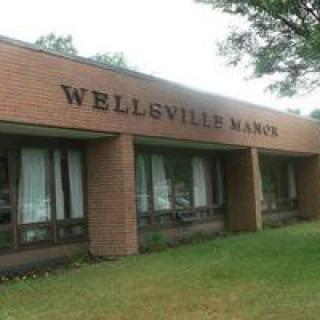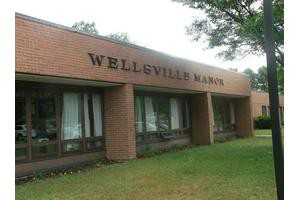


4192A Bolivar Road, Wellsville, NY 14895
For more information about senior living options: (866) 208-4318
Overall Review of Wellsville Manor Care Center
Pros
 The Wellsville Manor Care Center is described as a wonderful facility, with staff who go out of their way to take care of residents and make them feel like a VIP.
 - The place is portrayed as warm and caring, with staff who always put residents first and will do anything for them; there is no other place the reviewer would trust with their family.
- The staff are amazing, friendly and personable, and the facility is clean and inviting.
- There are tons of activities and the lunch was wonderful, contributing to a positive experience.
- The entryway is warm and inviting, and staff make residents feel welcome; the environment is clean and home-like.
- The reviewer notes that grandma loved her roommate and staff, and that her personal wants and needs were considered when choosing a room and roommate.
- Overall, it is described as a great experience for a family member needing long-term placement.
Cons
 The staff lie to patients and refuse to provide medical equipment.
- Residents’ wallets and personal property are stolen or go missing.
- Help is not provided when needed, leaving residents waiting for hours in pain.
- Staffing is severely inadequate, resulting in poor quality of care.
- Treatments are not consistently performed even when documented, and residents have no advocacy or freedom.
- The facility feels prison-like with isolation and inhumane conditions, and the dining experience is poor.
- Showers occur only once a week, and the environment is poorly maintained (including issues like lack of air conditioning).
Review
Wellsville Manor Care Center is best suited for families in a rural, upstate New York setting who want a local option with a traditional nursing-home atmosphere and proximity to home. When the goal is rehab or longer-term placement in a familiar, community-centric environment, this community can feel appropriate, especially for those who are willing to participate actively in care planning and are not dependent on consistently flawless staffing. The facility’s strengths show up most clearly when first impressions are positive: a clean, home-like entry, a calm atmosphere, and staff that can feel warm and supportive on good days.
Those who may want to consider alternatives are a must for anyone prioritizing reliable, around-the-clock responsiveness, transparent updates, and rigorous safety protocols. Chronic understaffing and uneven care emerge repeatedly in the feedback, including delays in pain relief, missed medications, and insufficient hands-on assistance. Families that require steady communication with administrators, predictable daily routines, and a strong emphasis on resident advocacy will likely encounter mismatches here. Also note the range of resident experiences; some families report warmth and effectiveness, while others describe dismissive or overwhelmed staff and even troubling allegations.
In weighing the pros against the cons, the strongest offsetting factor is the facility’s ability to deliver a positive rehab or short-term stay when staffed adequately and when residents mesh well with available aides. Several reviews highlight clean, welcoming common areas, pleasant dining experiences, and a variety of activities that keep residents engaged. When care teams function smoothly, residents appear to receive respectful attention, and families praise moments of genuine compassion and personal focus on individual preferences. The presence of clean rooms, accessible courtyards, and a generally homey environment can make a real difference in daily quality of life, especially for families prioritizing a local option with a familiar routine.
However, the more persistent and troubling concerns cannot be ignored. The most recurring red flag is staffing instability: reports of one aide per shift, on-call delays, and limited support that leaves residents waiting hours for help. Medication timing and medical problem management are described as inconsistent, with some residents experiencing neglect or delays that compromise comfort and safety. Financial and personal property concerns surface in multiple accounts, including theft and questions about accountability. Communication breakdowns, lost messages, unanswered calls, and delayed updates to families, compound the frustration and erode trust. These dynamics disproportionately affect long-term residents who depend on dependable care and constant supervision.
The decision to choose Wellsville Manor should be grounded in practical expectations and a clear plan to mitigate risk. Prospective families should demand transparent staffing levels, concrete routines, and detailed explanations of how care plans are monitored and adjusted. A visit at varying times, direct conversations with frontline staff as well as administration, and requests for recent survey results or state-level findings can illuminate whether the current operation matches the ideal of steady, compassionate care. For those who prioritize a strong social environment and local access, the positive notes on activities and welcoming atmosphere are persuasive, but they must be weighed against the potential for inconsistent care.
Bottom line: Wellsville Manor Care Center can work as a local option for rehab or longer-term placement when staffing is sufficient and communications are reliable, and when families remain actively engaged in oversight. For families that demand consistently proactive care, immediate responsiveness, and unambiguous accountability, alternatives deserve serious consideration. Informed decisions will come from direct, recent observations, candid conversations with staff about ratios and response times, and a careful comparison of costs with the level of safety and quality that is non-negotiable. The key is aligning expectations with the reality of day-to-day operations, and prioritizing a living situation where reliable care is guaranteed as much as possible.
 120 resident community capacity
 Skilled Nursing Facility
 Air-conditioning
 Beauty salon
 Cable or satellite TV
 Computer center
 Dining room
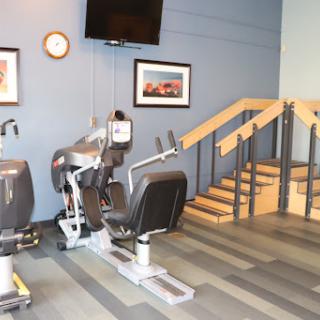
 Fitness room
 Fully furnished
 Gaming room
 Garden
 Housekeeping services
 Kitchenette
 Move-in coordination
 Outdoor space
 Private bathrooms
 Restaurant-style dining
 Small library
 Telephone
 Wellness center
 Wi-Fi/high-speed internet available
 Community operated transportation
 12-16 hour nursing
 24-hour call system
 Activities of daily living assistance
 Assistance with bathing
 Assistance with dressing
 Assistance with transfers
 Diabetes diet
 Medication management
 Mental wellness program
 Special dietary restrictions
 Concierge services
 Planned day trips





 Top Canine Companions for Older Adults
 Comprehensive Guide to Blood Pressure Charts for Older Adults: Understanding Normal and High Readings by Age
 Financing Long-Term Nursing Home Care Through Social Security: A Thorough Exploration