For more information about senior living options: (866) 208-4318
3.3 from 107 reviews
5 stars
54
4 stars
8
3 stars
3
2 stars
1
1 stars
41
Overall Review of Diamond Hill Nursing And Rehabilitation Center
common22 reviews mention this
Staff care feels inconsistent
Residents and families describe both very caring staff and moments when staff feel unavailable.
Many reviews praise staff members as friendly, caring, and responsive, including specific praise for nurses, CNAs, and therapy support. A smaller set of reviews paints the opposite picture, describing rude or condescending interactions and trouble getting help when needed. Some reviewers also say issues improved after speaking with administration, suggesting a pattern that can vary by shift or circumstance.
caveat18 reviews mention this
Cleanliness is a major concern
Multiple reviews raise serious concerns about cleanliness and odors inside the facility.
Several residents and visitors describe dirty conditions, unpleasant smells, and laundry or linen that did not appear clean. Other comments mention specific areas such as rooms, floors, and privacy curtains, and some describe stronger issues like reports of urine odors. Because these comments recur across different reviews, cleanliness stands out as the biggest recurring negative theme.
common7 reviews mention this
Therapy support gets praise
Physical and occupational therapy is frequently described as helpful and patient.
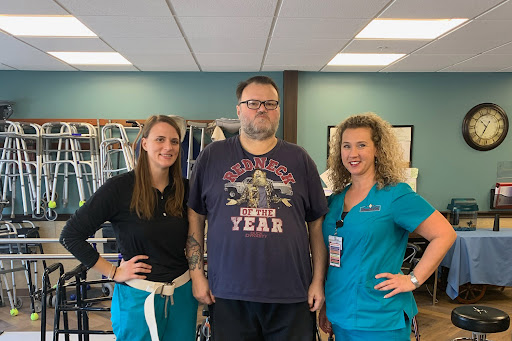
A number of reviews credit PT and OT teams with helping residents make progress, including people recovering from orthopedic issues and other stays for rehab. Reviewers describe therapists as thorough, consistent, and encouraging, and some say sessions went well. While not every review discusses therapy, the ones that do are largely positive.
common5 reviews mention this
Food quality is mixed
Dining reviews are split between praise for meals and complaints about what was served.
Some reviewers describe the food as delicious or say dining needs were handled without major dietary problems. Others report the food being bad or not meeting expectations, and one mentions menu items not being available. The community is positioned as offering restaurant-style dining, and reviews reflect that the experience can vary day to day.
caveat5 reviews mention this
Staffing and call-bell delays
Some reviews say call-bell response and staffing levels can be slow.
A few reviews describe short staffing and longer waits when calling for nurses or asking for help. One visitor reports a long delay for responding to a call bell, and another review describes being short-staffed during a weekend period. Even among otherwise positive reviews, the negative mentions focus on being unable to get timely assistance.
How we summarize
Counts show how many written reviews mention each theme; a review can touch several themes, and only frequently mentioned themes are displayed.
Features
Housing
120 resident community capacity
Types of Care
Skilled Nursing Facility
Amenities
Air-conditioning
Beauty salon
Cable or satellite TV
Computer center
Dining room
Fitness room
Fully furnished
Gaming room
Garden
Housekeeping services
Kitchenette
Move-in coordination
Outdoor space
Private bathrooms
Restaurant-style dining
Small library
Telephone
Wellness center
Wi-Fi/high-speed internet available
Transportation
Albany Cty (8 miles away)
Community operated transportation
Transportation arrangement
Transportation arrangement (non-medical)
Transportation to doctors appointments
Care Services
12-16 hour nursing
24-hour call system
24-hour supervision
Activities of daily living assistance
Assistance with bathing
Assistance with dressing
Assistance with transfers
Diabetes diet
Meal preparation and service
Medication management
Mental wellness program
Special dietary restrictions
Dining
Diabetes diet
Special dietary restrictions
Activities
Community-sponsored activities
Concierge services
Fitness programs
Planned day trips
Resident-run activities
Scheduled daily activities
Nearby Places of Interest
Pharmacies
CVS Pharmacy (1.7 miles)
Marra's Pharmacy (2.4 miles)
Rite Aid (3.8 miles)
Walgreens (4.7 miles)
Rite Aid (4.9 miles)
Walgreens (5.1 miles)
CVS Pharmacy (5.8 miles)
Physicians
Cohoes Family Health Center (2.2 miles)
Northeast Health (4 miles)
Troy Medical Group (4.1 miles)
Ophthalmic Consultants of The Captial Region (4.1 miles)
Capital Imaging (4.7 miles)
Shaker Pediatrics PC (4.9 miles)
Kansas Eye Surgery Associates (5.1 miles)
Restaurants
BYE-i Brewing (2.3 miles)
Sonic Drive-In (3.8 miles)
Brown's Brewing Company (4.1 miles)
Guptill's Coney Express (4.2 miles)
Rare Form Brewing Company (4.6 miles)
Country Drive-In (4.8 miles)
McDonald's (4.9 miles)
Hospitals
Seton Auxiliary (3.5 miles)
Samaritan Hospital (4.1 miles)
The Eddy (9 miles)
The Pain Management Center At Albany Memorial Hospital (9.3 miles)
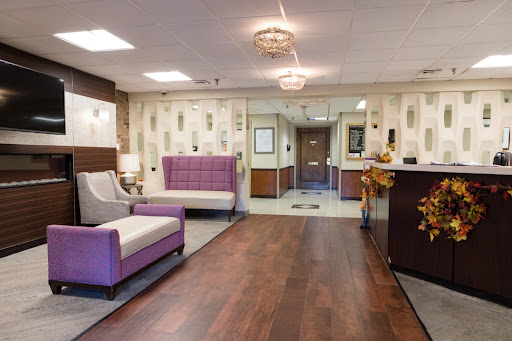
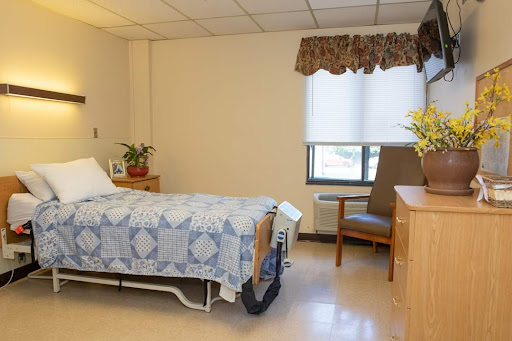
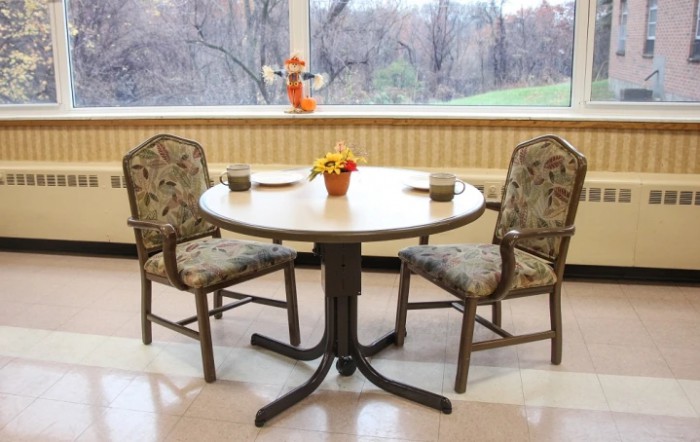
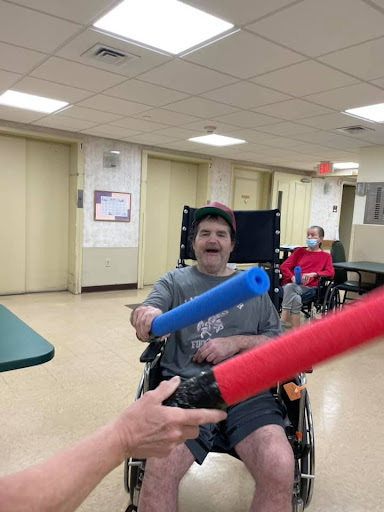
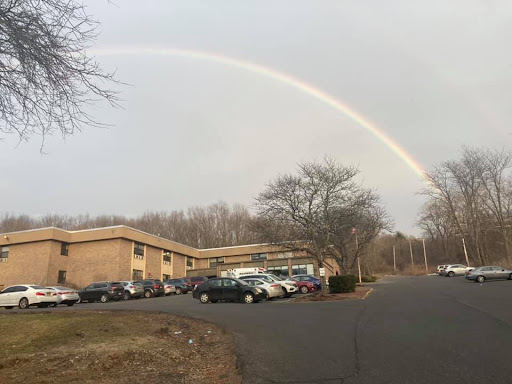
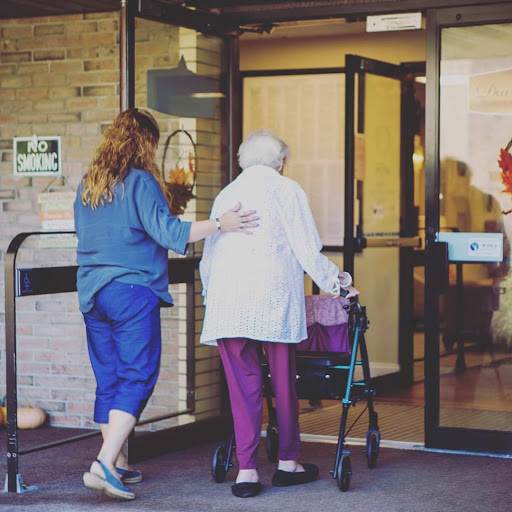
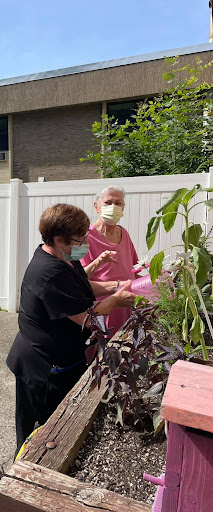
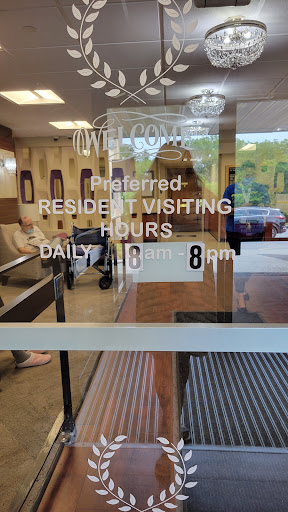
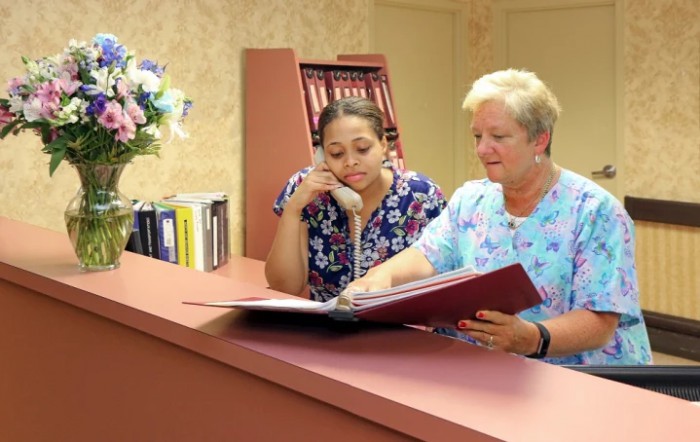
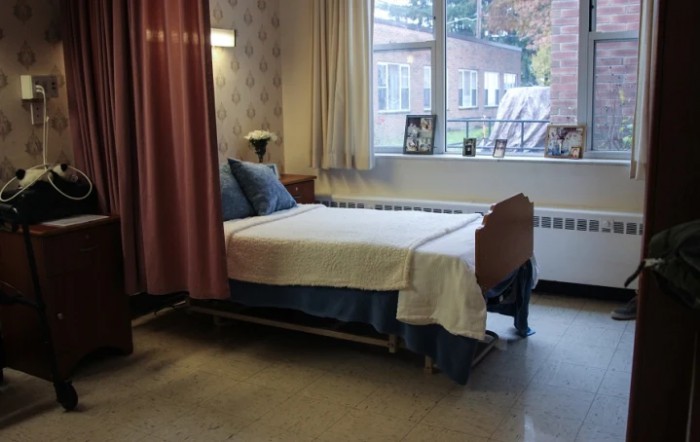
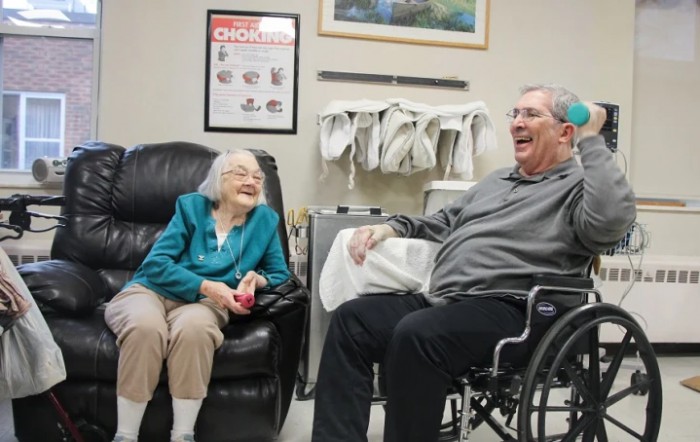
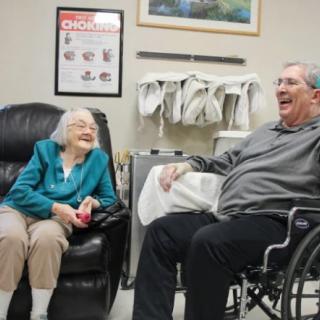
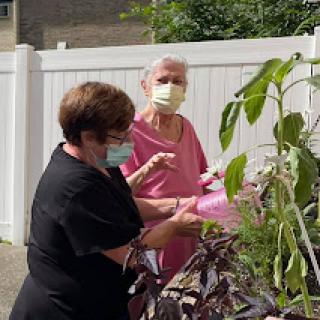
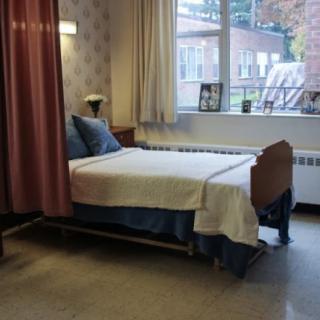
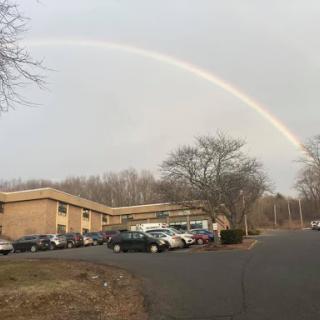
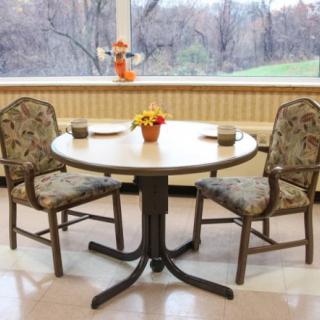
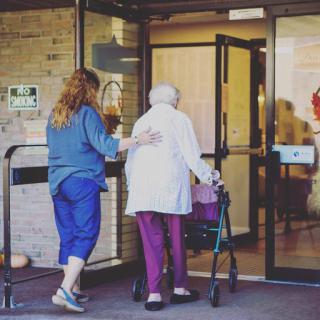
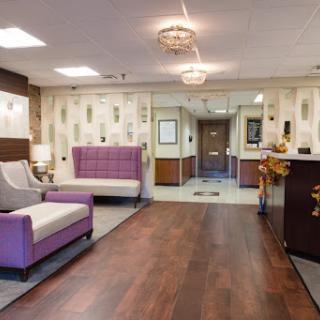
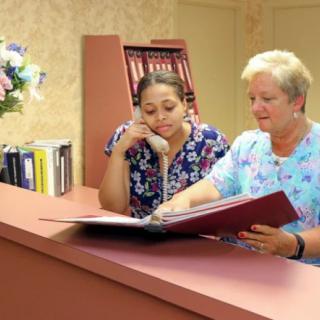
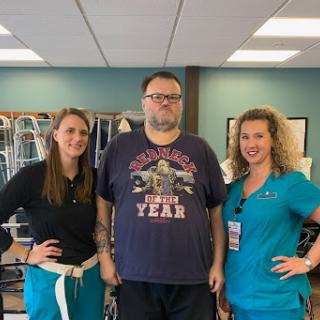
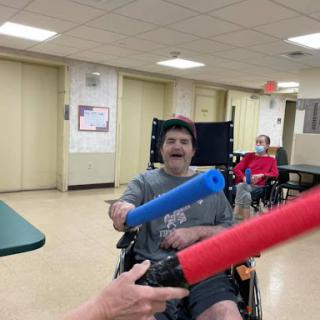
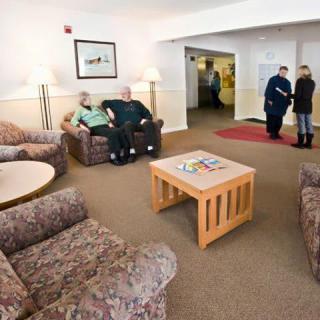
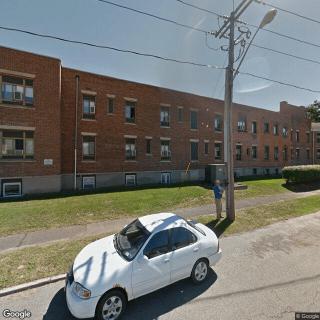
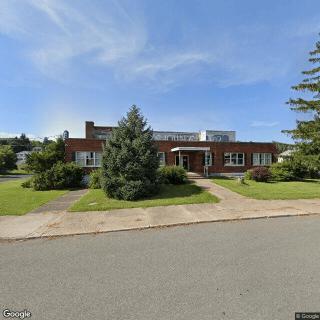
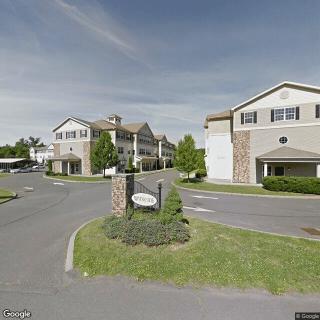
Diamond Hill Nursing And Rehabilitation Center on seniors.fyi includes 14 photos including images showing interior, decor, healthcare, reception, wheelchair, lobby, waiting area, building, and more.
Nearby Communities
Holiday Diamond Ridge
Troy, NY
4.1 from 150 reviews
$2,259 to $3,619 / month
Affordably priced independent living with spacious apartments, extensive amenities (dining, salon, activities) and friendly staff.
Ahana House
Waterford, NY
3.3 from 3 reviews
Small, home-like setting with attentive staff and good meals.
Diamond Rock Terrace
Troy, NY
4 from 73 reviews
$847 to $1,009 / month
Caring staff, active community, and spacious, affordable apartments.
Lansingburgh Apartments
Troy, NY
1.6 from 7 reviews
Prime location with easy access to cafes, parks, pharmacies, physicians' offices, restaurants, places of worship, and hospitals.
Mill View Adult Home
Waterford, NY
3.6 from 5 reviews
Active assisted living with on-site social spaces and ample nearby amenities
Waterside
Cohoes, NY
3.5 from 8 reviews
Beautiful landscaped outdoor areas and convenient access to healthcare and local amenities.
The Cornerstone
Troy, NY
4.3 from 3 reviews
$900 to $3,700 / month
Prime location with convenient transit access and nearby amenities.
Beechwood at Eddy Memorial
Troy, NY
4.7 from 39 reviews
$1,912 to $2,612 / month
Friendly, close-knit community with attentive staff, good meals, and a secure, convenient location in Troy.
Pinnacle Living at Forts Ferry
Latham, NY
4.5 from 28 reviews
$1,850 to $2,350 / month
Friendly staff and engaging activities in a well-maintained community.
The overview of blood pressure management for seniors emphasizes the importance of monitoring and interpreting blood pressure readings, noting that normal ranges can vary due to age-related factors and individual health conditions. It highlights tailored guidelines for systolic and diastolic levels, the necessity of early detection and consistent management to prevent serious health complications, and advocates for personalized care strategies that incorporate lifestyle changes and medication adherence.
Dogs can greatly improve the lives of older adults by offering emotional support and encouraging physical activity, with factors such as size, temperament, and grooming needs being crucial in selecting a suitable breed. Senior dogs often make ideal companions for this demographic, promoting social connections and requiring care routines that align with seniors' capabilities.
The guide on blood pressure charts for older adults stresses the importance of understanding normal and high blood pressure readings influenced by age, genetics, and lifestyle, while emphasizing regular monitoring and lifestyle modifications to prevent serious health issues. It provides insights into blood pressure categories, dietary recommendations, medication considerations, and the role of caregivers in supporting healthy habits.
Diamond Hill Nursing And Rehabilitation Center photos
×
Interior
Outdoors
Decor
Building
Dining
Outdoor
Lobby
Office
Healthcare
Recreation
Interior
Decor
Bedroom and Windows
Dining
Building, Trees, and Parking
Outdoor, Caregiver, and Assistance
Outdoors and Gardening
Lobby and Waiting Area
Healthcare
Office
Rehabilitation and Physical Therapy
Reception
Wheelchair
Recreation
Additional Photos
Get PricingAsk A QuestionSchedule A TourContact Senior Advisor
By clicking submit, you agree to our Partner's Terms of Use. You
also consent to receive calls and texts, which may be autodialed, from our Partner. Your consent is not a condition to
using our Partner's service. Please visit our Partner's Privacy Policy for information about their privacy practices.


 120 resident community capacity
 Skilled Nursing Facility
 Air-conditioning
 Beauty salon
 Cable or satellite TV
 Computer center
 Dining room
 Fitness room
 Fully furnished
 Gaming room
 Garden
 Housekeeping services
 Kitchenette
 Move-in coordination
 Outdoor space
 Private bathrooms
 Restaurant-style dining
 Small library
 Telephone
 Wellness center
 Wi-Fi/high-speed internet available
 Albany Cty (8 miles away)
 Community operated transportation
 12-16 hour nursing
 24-hour call system
 Activities of daily living assistance
 Assistance with bathing
 Assistance with dressing
 Assistance with transfers
 Diabetes diet
 Medication management
 Mental wellness program
 Special dietary restrictions
 Concierge services
 Planned day trips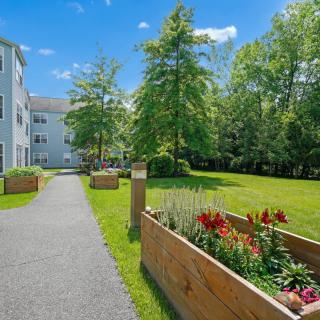
 Affordably priced independent living with spacious apartments, extensive amenities (dining, salon, activities) and friendly staff.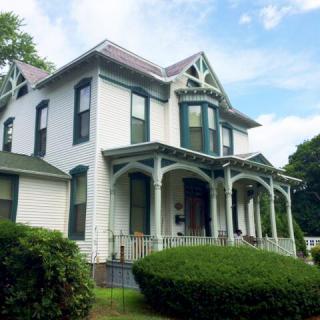
 Comprehensive Look at Senior Blood Pressure Charts: Normal and Elevated Levels by Age
 Top Canine Companions for Older Adults
 Comprehensive Guide to Blood Pressure Charts for Older Adults: Understanding Normal and High Readings by Age