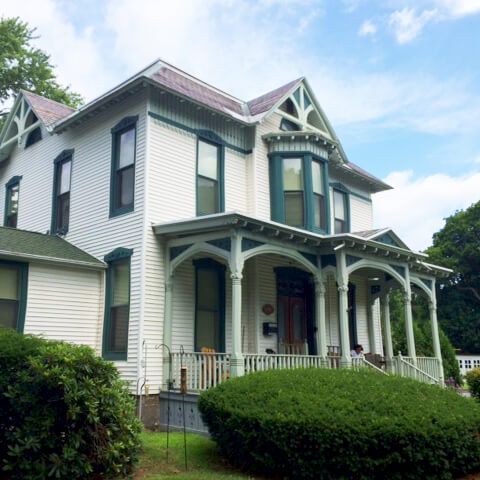
31 Sixth Street, Waterford, NY 12188
For more information about senior living options: (866) 208-4318
Overall Review of Ahana House
Pros
 The facility provides exceptional care for residents.
- The staff are attentive and dedicated to residents’ well-being.
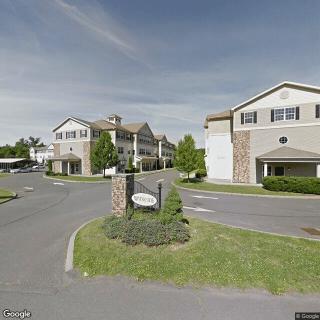
- The facility is beautiful, small, quaint, and very well kept in a nice Waterford neighborhood.
- The nurses are friendly, knowledgeable, and respond promptly.
- The food is excellent and can cater to dietary needs.
- Group meetings foster a strong sense of community among residents.
Cons
 They don’t answer the phone.
- The only complaint is that it can be difficult to schedule a visit and consistently meet with the same staff due to rotating nursing schedules.
Review
Ahana House in Waterford is best suited for families seeking a small, home-like assisted living experience where residents receive hands-on attention from a stable care team. It works well for individuals who want a warm, neighborly atmosphere rather than a clinical campus, and for families that value responsive support when daily needs arise. The setting is quaint, well kept, and situated in a safe, walkable neighborhood that supports routine outings and social activities. This is not a generic chain facility; it feels intimate, with staff who know residents personally. Those who prioritize predictable staffing and comprehensive on-site medical oversight, however, may want to consider alternative options with a larger scale and more defined specialist coverage.
From the family perspectives, the care quality stands out as the strongest asset. Residents benefit from friendly, knowledgeable nurses who respond promptly, and from aides who stay attentive to daily needs. The dining program earns high marks: cooks can cater to dietary restrictions and even picky eaters, and the kitchen seems willing to adjust to individual preferences. The facility itself supports community through regular group meetings on Mondays, which foster social bonds among residents. The positive impressions are reinforced by a long-standing sense among families that the care team is genuinely devoted, and that the facility keeps a close eye on well-being.
Yet there are clear friction points that families should weigh. A persistent concern is how visits are scheduled; several accounts note that arranging a time to meet staffing or management can be challenging, which can feel like a barrier for concerned relatives. An even more pointed issue is inconsistent contact access: a line about not always getting calls answered speaks to a friction in responsiveness that cannot be ignored when care questions arise. The rotating nursing schedule, while contributing to a homey vibe, also makes it hard to meet the same nurse consistently, which can complicate care planning and continuity.
Despite these drawbacks, the core advantages tend to offset them for families prioritizing everyday quality of life and personal attention. The intimate size means staff can monitor subtle changes in mood, appetite, and mobility with a level of familiarity that larger campuses struggle to match. The social framework, the Monday group meetings and the sense of community, helps residents stay engaged, reducing isolation and preserving routines that matter. Food quality and the flexibility to accommodate dietary needs directly support daily health and satisfaction. In short, Ahana House delivers warmth, attentiveness, and culinary responsiveness that often justify the trade-offs of scheduling quirks.
For families evaluating this community, the practical test revolves around access and consistency. Ask for a designated point person or a named care coordinator to minimize the impact of rotating staff. Seek clarity on how visit times are scheduled, who can be available for impromptu questions, and what assurances exist for weekend or evening communication. Verify the actual routine of care, who checks meds, how often assessments occur, and what happens if a resident’s needs escalate. Also confirm how the facility handles outings, family involvement, and special occasions. Knowing these operational details helps determine whether the perceived warmth translates into reliable, predictable care.
Overall, Ahana House serves as a compelling choice for families who want a small, personable setting with strong day-to-day care, excellent dining, and a community feel. It is less suitable for those who require perfectly stable staffing without rotation, or who expect consistently effortless phone access and seamless scheduling. Alternatives worth considering include larger assisted-living campuses with steadier nurse assignments, broader on-site medical support, or dedicated memory-care options that emphasize continuity and predictable visitation. For the right resident and family, the combination of attentiveness, community, and culinary responsiveness makes Ahana House a decision worth pursuing with measured confidence.
 17 resident community capacity
 Assisted Living
 Board and Care Home
 Cable or satellite TV
 Dining room
 Fully furnished
 Garden
 Housekeeping services
 Move-in coordination
 Outdoor space
 Telephone
 Wi-Fi/high-speed internet available
 Albany Cty (7 miles away)
 24-hour supervision
 Activities of daily living assistance
 Assistance with bathing
 Assistance with dressing
 Assistance with transfers
 Diabetes diet
 Meal preparation and service
 Medication management
 Special dietary restrictions
 Transportation arrangement (medical)
 Transportation to doctors appointments

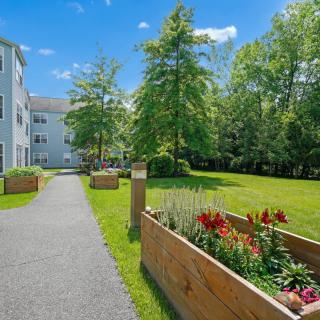
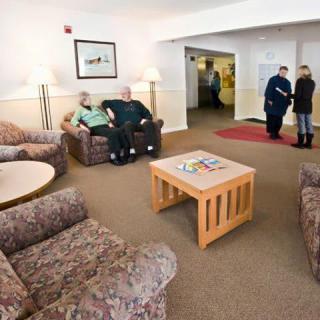



 Funding and Affording Assisted Living: A Thorough Overview
 Assisted Living Expenses and Long-Term Care Insurance: A Comprehensive Exploration
 Securing Financial Support for Assisted Living: A Comprehensive Overview