







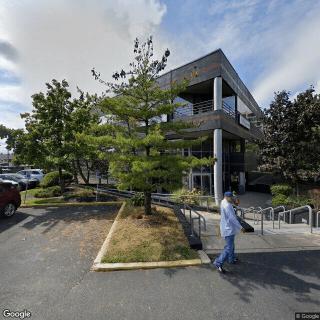
460 Brielle Avenue, Staten Island, NY 10314
For more information about senior living options: (866) 208-4318
Overall Review of Sea View Hospital Rehabilitation Center And Home
Pros
 Sea View has enough staff to take care of its residents.
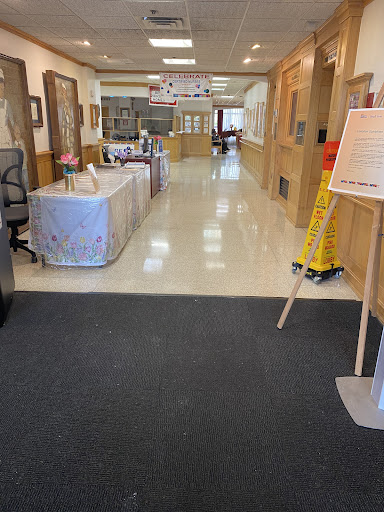
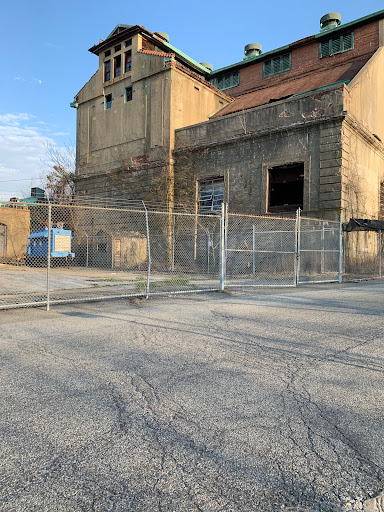
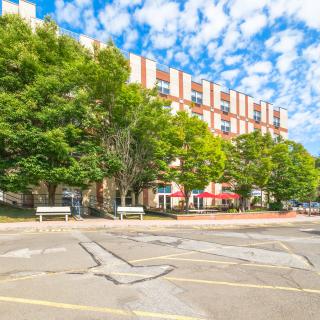
- The building is kept up very nicely.
- The tour was great, and the care looked to be pretty good.
- The staff were extremely friendly, very accommodating, and caring.
- The food was very good.
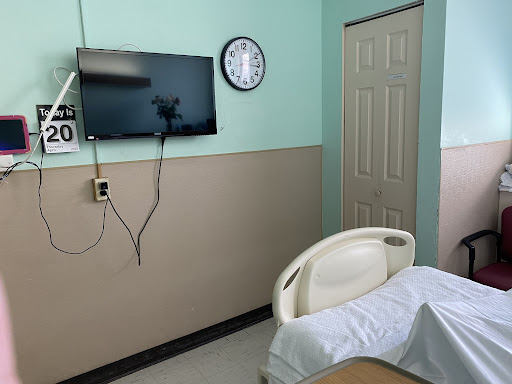
- The rooms were adequate.
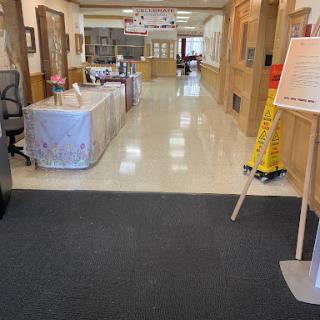
- The facility is very clean, and everyone is very helpful and friendly.
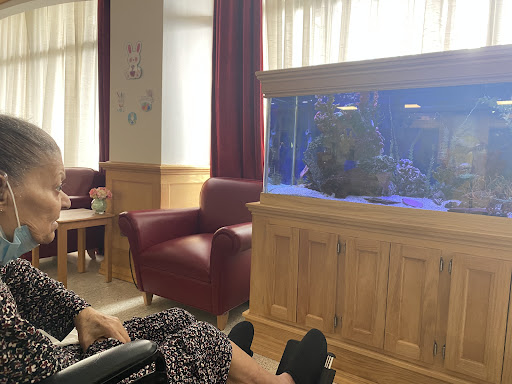
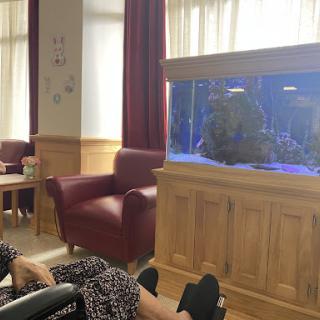
- They have many activities to keep the patients engaged and social.
- Michele the charge nurse really cares about her residents and family.
Cons
 The center was very short-staffed and could not accommodate all its patients.
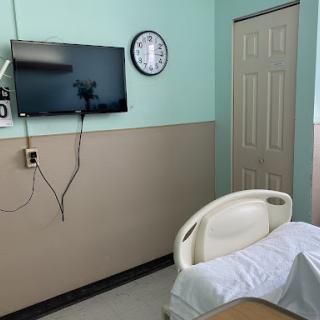
- The rooms were tiny, with two in them and residents almost on top of each other.
- The food was horrible.
- Nurses and aides were not always available to assist.
- Dr. Montalbano seemed incompetent and nasty.
- Families were not kept informed, with no updates on patients.
- Residents were left in their own waste for hours, dirty and unshaved.
- Legionella bacteria were found in the water system and a patient died, with the issue not properly disclosed to relatives.
- Call buttons often went unanswered for long periods.
Review
Sea View Hospital Rehabilitation Center And Home in Staten Island is best suited for families pursuing skilled rehab in a hospital-style setting, where nursing oversight is available around the clock and where active family participation is encouraged. It serves residents who need Speech, Occupational and Physical Therapy after a hospital stay, and who can tolerate an older, hospital-like building while expecting clear, ongoing communication about care. Those prioritizing a modern clinical campus with pristine privacy and ultra-responsive service may want to explore alternatives with newer layouts, higher staffing ratios, and more contemporary amenities.
Pros run through the core rehab mission and the staffing structure. Several reviews underscore that the facility maintains a substantial, capable caregiving presence, including nurses and aides who are caring and attentive when they’re available. A long-tenured staffer or two can be a stabilizing force, and families repeatedly note that care conferences and updates help them stay informed about what is happening with a resident. The rehab program itself, covering speech, OT and PT, shows enough energy to support recovery for many residents, and there are programs designed to keep patients engaged, from music and bingo to arts and crafts. The building’s cleanliness and a general sense that staff work hard to keep patients involved provide real relief to families navigating a difficult transition.
Yet the landscape is marred by significant, persistent drawbacks. The most damaging pattern across multiple accounts is perceived understaffing and the resulting impact on daily care. Families describe long waits for assistance, routine tasks delayed, and patients who can’t rely on timely help, sometimes with alarming consequences for dignity and comfort. The physical plant, dated and compact, amplifies these pressures: while maintained, rooms remain small and hospital-like, with private rooms not always the norm. Reports of inconsistent clinical leadership, including experiences with physicians who were perceived as dismissive or unprepared, compound the sense that care quality can fluctuate widely by unit and shift. Food quality is also inconsistent; at times it’s praised, at others it’s criticized as part of a wider dissatisfaction with daily routines.
These strengths and weaknesses do not cancel each other out; they offset in rough equilibrium depending on a family’s priorities. For families who value transparency and structured involvement, Sea View’s practice of family meetings and open channels for feedback can help mitigate some concerns when staffing is adequate. The dedicated rehab focus, the presence of a 24/7 nursing backbone, and the ongoing activities offer meaningful opportunities for recovery and engagement. However, when care needs spike, pain management, rapid changes in cognition, or complex medical monitoring, the gaps become more pronounced, and the emotional and logistical toll on families grows, especially in cases where residents are not easily communicative or mobile.
Alternative considerations become strong when the primary goal is consistently high-quality outcomes with minimal friction. If private rooms and a modern ambiance matter, or if infection control and meticulous end-of-life care are non-negotiable, other facilities may be a safer match. Families weighing dementia care, advanced rehabilitation with predictable scheduling, or highly attentive palliative services should compare options with stronger staffing ratios, clearer care plans, and demonstrably quieter patient-flow dynamics. Sea View’s mixed track record means it can still work for some, but it requires careful selection of unit, shift, and caregiving teams, paired with aggressive oversight from families.
The practical next steps are clear. Schedule a candid tour focused on the specific units your loved one would use, and talk directly to frontline staff about typical call-bell response times, therapy schedules, and daily routines. Ask for current staffing levels by shift and unit, and request to meet the floor nurse manager on duty during a time when your loved one would typically be cared for. Review the most recent survey or state inspection notes, and seek out recent families for unfiltered anecdotes about care quality, pain management, and discharge planning. In the end, Sea View is a pragmatic choice for rehab incumbents who value engagement and nurse presence, but it demands vigilant oversight, clear expectations, and a readiness to consider alternatives if reliability and comfort are non-negotiable priorities.
 304 resident community capacity
 Skilled Nursing Facility
 Air-conditioning
 Beauty salon
 Cable or satellite TV
 Computer center
 Dining room
 Fitness room
 Fully furnished
 Gaming room
 Garden
 Housekeeping services
 Kitchenette
 Move-in coordination
 Outdoor space
 Private bathrooms
 Restaurant-style dining
 Small library
 Telephone
 Wellness center
 Wi-Fi/high-speed internet available
 Newark International (7 miles away)
 Community operated transportation
 12-16 hour nursing
 24-hour call system
 Activities of daily living assistance
 Assistance with bathing
 Assistance with dressing
 Assistance with transfers
 Diabetes diet
 Medication management
 Mental wellness program
 Physical therapy
 Special dietary restrictions
 Concierge services
 Planned day trips
 English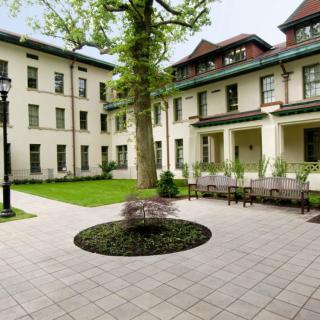




 In-Depth Look at the VA Aid and Attendance Program
 Nurturing Our Loved Ones: A Daughter's Journey in Caring for Her Mother
 Nurturing Our Elders: Linda's Journey of Supporting Her Mother