For more information about senior living options: (866) 208-4318
2.6 from 38 reviews
5 stars
11
4 stars
5
3 stars
0
2 stars
0
1 stars
22
Overall Review of The Highlands At Brighton
common14 reviews mention this
Staff care is described both ways
Residents and families describe a mix of caring help and serious lapses from staff.
Many reviewers say staff were kind, attentive, and professional, including accounts praising daily care, cleanliness, and willingness to work with patients during recovery. A separate group of reviews describes the opposite experience, including rude or indifferent attitudes, difficulty getting help, and care that did not feel consistent. Several mentions also point to how experiences can vary by unit and by shift, even within the same facility.
common10 reviews mention this
Cleanliness and upkeep come up often
Cleanliness is mentioned frequently, ranging from immaculate rooms to complaints about poor upkeep.
Some residents and families describe the facility as clean or immaculate, and connect that with confidence in daily care. Others characterize the building as outdated, a “dump,” or not well kept, and a few describe unsanitary conditions. In the more mixed reviews, the overall impression seems tied to what a family member directly observed on-site rather than one consistent report.
caveat10 reviews mention this
Getting help can be slow
Several reviewers report trouble reaching staff when help was needed.
Negative reviews include stories of unanswered calls or delayed responses, including call bells not being answered and long waits for toileting and cleanup. Other accounts add examples like patients being left in bed or left sitting too long, and families describing the need to repeatedly call to get basic assistance. In contrast, positive reviewers also mention staff providing support promptly, which suggests responsiveness may not be consistent for everyone.
caveat8 reviews mention this
Food quality is a split point
Dining feedback runs both positive and negative across residents and families.
Some reviewers say meals arrived on time and were nutritious, with a few describing the food as good or better than expected for a facility. Others complain that food was awful or not what was ordered, and describe issues with replacements. Taken together, dining satisfaction appears to vary widely from one person’s experience to the next.
caveat5 reviews mention this
Rooms feel too institutional
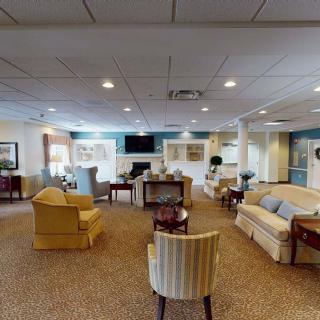
A subset of reviews complains that rooms and common areas feel outdated or institutional.
One reviewer mentions rooms that were drab and not warm enough, and another describes the facility as outdated. Other negative comments go further, describing the atmosphere as prison-like and describing the overall look and feel as unacceptable. While some reviewers mention cleanliness, the comfort and style of the spaces are where complaints cluster.
How we summarize
Counts show how many written reviews mention each theme; a review can touch several themes, and only frequently mentioned themes are displayed.
Features
Housing
145 resident community capacity
Types of Care
Skilled Nursing Facility
Amenities
Air-conditioning
Beauty salon
Cable or satellite TV
Computer center
Dining room
Fitness room
Fully furnished
Gaming room
Garden
Housekeeping services
Kitchenette
Move-in coordination
Outdoor space
Private bathrooms
Restaurant-style dining
Small library
Telephone
Wellness center
Wi-Fi/high-speed internet available
Transportation
Greater Rochester International (4 miles away)
Community operated transportation
Transportation arrangement
Transportation arrangement (non-medical)
Transportation to doctors appointments
Care Services
12-16 hour nursing
24-hour call system
24-hour supervision
Activities of daily living assistance
Assistance with bathing
Assistance with dressing
Assistance with transfers
Diabetes diet
Meal preparation and service
Medication management
Mental wellness program
Special dietary restrictions
Dining
Diabetes diet
Special dietary restrictions
Activities
Community-sponsored activities
Concierge services
Fitness programs
Planned day trips
Resident-run activities
Scheduled daily activities
Nearby Places of Interest
Physicians
Clinton Crossings (0.1 miles)
Urology Associates of Rochester (0.1 miles)
Doctors Office (0.1 miles)
Sanders James O MD (0.1 miles)
University of Rochester Neurology (0.2 miles)
University Otolaryngology (0.2 miles)
Haben Practice for Voice & Laryngeal Laser Surgery (0.2 miles)
Hospitals
URMC Sawgrass Surgical Center (0.8 miles)
James P Wilmot Cancer Center (1.6 miles)
Strong Memorial Hospital - Cardiology (1.6 miles)
SMH Nicu (1.7 miles)
Neuro ICU 8-1200 (1.7 miles)
Highland Hospital (1.7 miles)
University Of Rochester Medical Center Surg/Path Lab (1.8 miles)
Pharmacies
Southside Apothecary (0.8 miles)
Walgreens (0.9 miles)
CVS Pharmacy (1.4 miles)
Highland Hospital Pharmacy (1.8 miles)
CVS Pharmacy (1.8 miles)
Highland South Wedge Pharmacy (2.1 miles)
CVS Pharmacy (2.6 miles)
Restaurants
McDonald's (1.4 miles)
The Beer Market (1.4 miles)
Wendy's (1.4 miles)
The Distillery (1.5 miles)
Pellegrino's Deli Cafe (1.5 miles)
The King and I Restaurant (1.7 miles)
Jeremiah's Tavern (1.8 miles)
Cafes
Starbucks (1.4 miles)
Kung Fu Tea (2.3 miles)
Starbucks (2.4 miles)
Locals Only (2.9 miles)
Starbucks (3.1 miles)
Ugly Duck Coffee (3.1 miles)
Java's Cafe (3.1 miles)
Parks
Highland Park (1.5 miles)
French Road School Playground (1.6 miles)
Genesee Valley Park (2.2 miles)
Cobbs Hill Park (2.2 miles)
Martin Luther King Jr Memorial Park at Manhattan Square (2.9 miles)
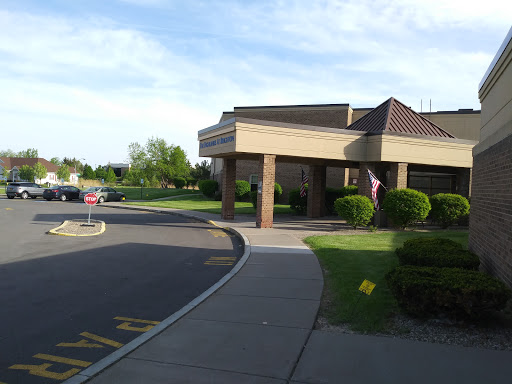
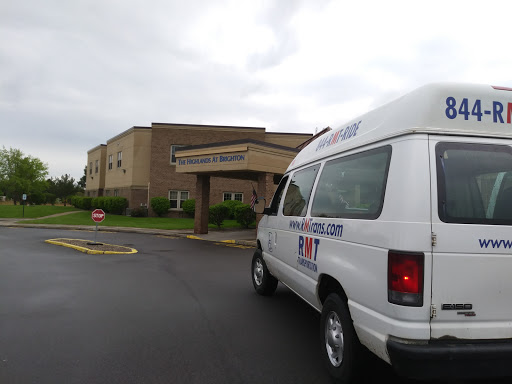
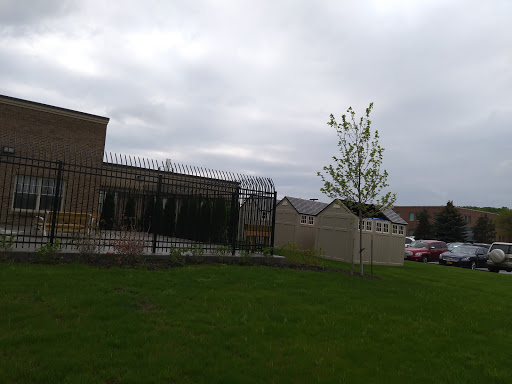
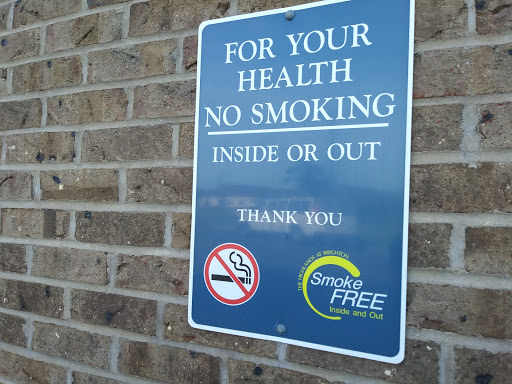
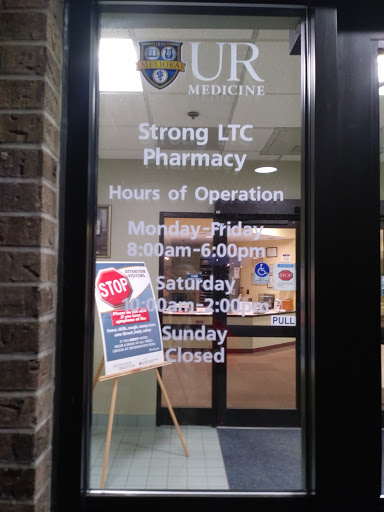
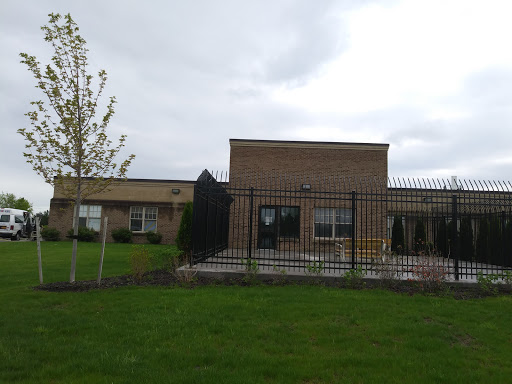
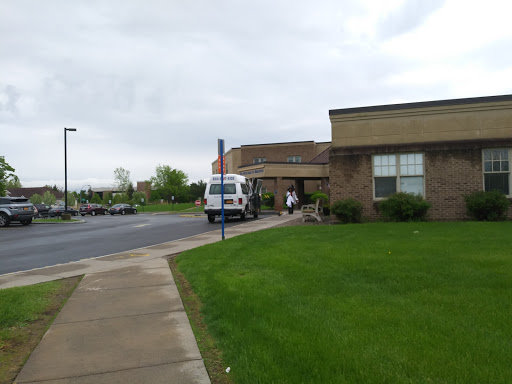
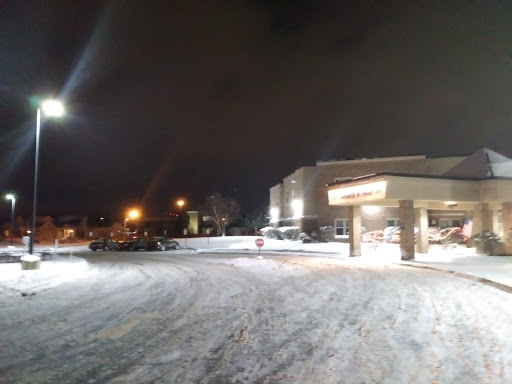
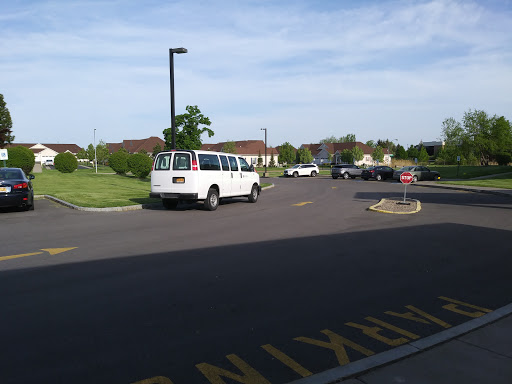
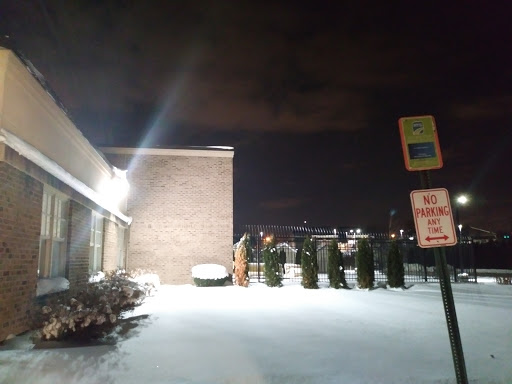
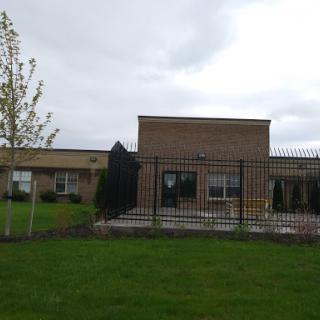
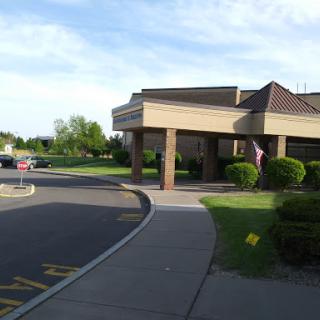
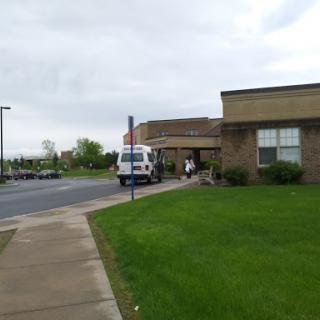
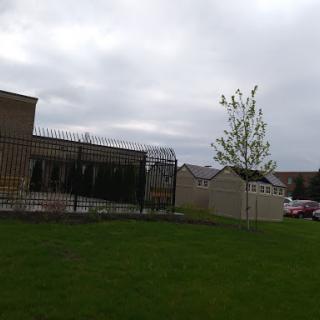
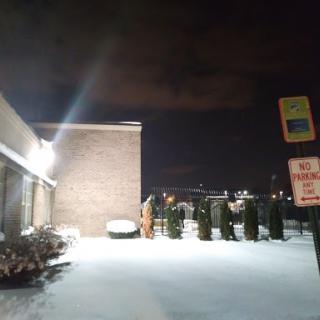
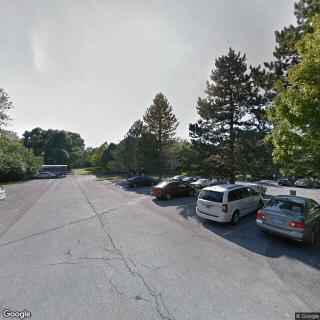
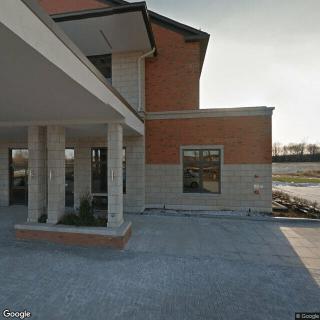
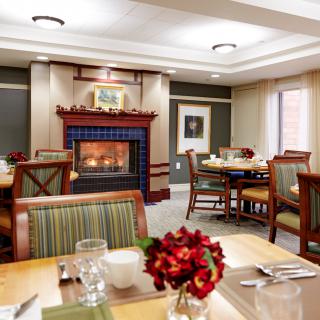
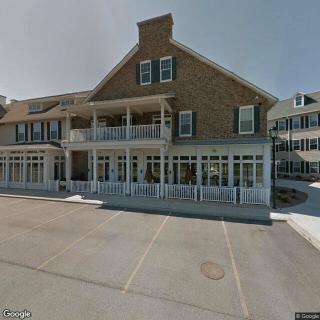
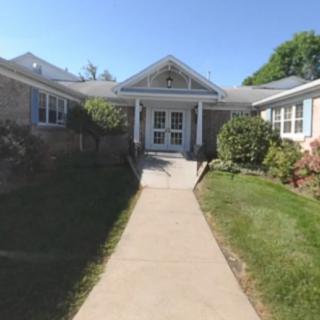
The Highlands At Brighton on seniors.fyi includes 10 photos including images showing building, outdoor, grass, parking, fence, lighting, road, landscaping, and more.
Nearby Communities
Woodside Manor Nursing Home
Rochester, NY
3.6 from 18 reviews
Comprehensive 24/7 care with restaurant-style dining.
The Gables of Brighton
Rochester, NY
4.1 from 108 reviews
$2,430 to $3,575 / month
Caring staff, clean environment, and spacious, well-equipped apartments with activities.
Brookdale Brighton
Rochester, NY
4.3 from 35 reviews
Engaging assisted living with nearby amenities and healthcare access.
The Reserve
Rochester, NY
4 from 20 reviews
Excellent access to extensive nearby amenities and healthcare.
The Landing of Brighton
Rochester, NY
4.3 from 98 reviews
$4,395 to $5,995 / month
Caring staff with a warm, welcoming atmosphere, clean facilities, and engaging activities (including therapy dogs).
Wolk Manor
Rochester, NY
Diabetic care, meals provided, and indoor social spaces.
Wolk Manor Enriched Living Center
Rochester, NY
3.8 from 9 reviews
Friendly, caring staff; home-like apartments and well-maintained amenities.
Brickstone by St Johns
Rochester, NY
4.7 from 52 reviews
Independent living with optional assistance and diabetic care
Linda's caregiving journey for her elderly mother, Joan, is marked by deep love and challenges as she navigates health changes, emotional support, and practical arrangements while learning to prioritize self-care and utilize community resources. Their evolving relationship highlights resilience and the universal themes of empathy and preparedness in caregiver experiences.
The article clarifies common misconceptions about Powers of Attorney (POA), highlighting the necessity of the principal's consent, the limitations on an agent's authority, and the importance of mental capacity when signing. It also distinguishes between various types of POAs, addresses concerns about potential abuse, and emphasizes the need for legal consultation to ensure valid and up-to-date documents.
Senior move management provides specialized support for older adults relocating by assisting with logistics, emotional challenges, and downsizing decisions to ensure a smooth transition to new living environments. These services address the unique needs of seniors and have become increasingly important as baby boomers retire and seek to downsize.
Get PricingAsk A QuestionSchedule A TourContact Senior Advisor
By clicking submit, you agree to our Partner's Terms of Use. You
also consent to receive calls and texts, which may be autodialed, from our Partner. Your consent is not a condition to
using our Partner's service. Please visit our Partner's Privacy Policy for information about their privacy practices.




 145 resident community capacity
 Skilled Nursing Facility
 Air-conditioning
 Beauty salon
 Cable or satellite TV
 Computer center
 Dining room
 Fitness room
 Fully furnished
 Gaming room
 Garden
 Housekeeping services
 Kitchenette
 Move-in coordination
 Outdoor space
 Private bathrooms
 Restaurant-style dining
 Small library
 Telephone
 Wellness center
 Wi-Fi/high-speed internet available
 Greater Rochester International (4 miles away)
 Community operated transportation
 12-16 hour nursing
 24-hour call system
 Activities of daily living assistance
 Assistance with bathing
 Assistance with dressing
 Assistance with transfers
 Diabetes diet
 Medication management
 Mental wellness program
 Special dietary restrictions
 Concierge services
 Planned day trips
 Comprehensive 24/7 care with restaurant-style dining.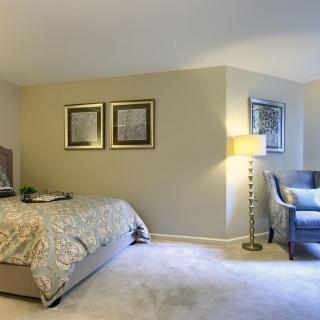

 Nurturing Our Elders: Linda's Journey of Supporting Her Mother
 A Comprehensive Exploration of Common Misunderstandings about Powers of Attorney
 Senior Move Management: Understanding the Role, Value, and Associated Costs