


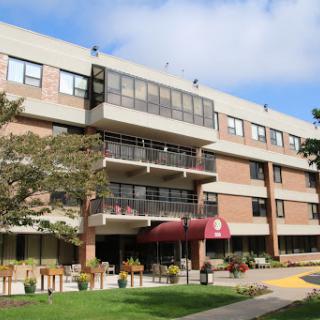


505 Mt Hope Avenue, Rochester, NY 14620
For more information about senior living options: (866) 208-4318
Overall Review of Church Home Of The Protestant Episcopal Church
Pros
 The staff make mom feel cared for and loved.
- The care is excellent, and the relationships with the staff are the icing on top.
- The rehab team provided answers and insights, making his final days loving, caring, kind, peaceful, and prayerful.
- The caregivers are kind and friendly from day one, with top-rate medical and professional staff.
- Patients are treated as part of a big family.
- There is a waiting list to get in, indicating high satisfaction with the facility.
Cons
 A mouse ran across the room floor, and maintenance was all they could do was email maintenance.
- The staff were rude and did not do their jobs.
- The rooms are in terrible condition.
- They do not respond to help requests.
- It was the worst nursing home the reviewer had ever visited.
- Residents were left sitting in urine for hours while staff watched football and the administration did nothing.
- The nurse manager was unprofessional.
- The meals were the worst food ever at every meal.
Review
Best suited for families who prize a warm, faith-infused living environment and are prepared to pay a premium for highly attentive, person-centered care. The Church Home appears to reward relationships: staff who know residents by name, attentive nurses and aides, and activity directors who foster engagement. When care needs are steady and the priority is daily reassurance that a loved one is genuinely cared for, this community often delivers. For seniors transitioning from hospital rehab to long-term care, the facility can provide a sense of continuity and belonging that is hard to find in more clinical settings.
Those who should consider alternatives are those who require near-perfect operational reliability and an exceptionally consistent, high-standard environment. The reviews carry a warning: some days frustration with unresponsiveness, maintenance delays, or staff who seem overwhelmed; some report rude behavior and unprofessional conduct; others describe unsafe or unsanitary conditions, even accusations of theft and chaotic front desk interactions. If a resident’s routine hinges on flawless service, transparent communication, clean rooms, and predictable meals, other options may reduce risk and stress.
Yet the strongest positives, compassionate care, real connections with staff, and solid rehab-oriented results, do counterbalance many concerns for the right resident. The care team is frequently praised for kindness, competence, and willingness to go the extra mile; families repeatedly note that the environment feels like a big family, and that the care quality extends into the most personal moments, including end-of-life care. Rehab experiences are highlighted as well-run and effective, with therapists guiding plans and families feeling informed. Where these strengths align with a resident’s priorities, the overall value rises considerably and can outweigh some day-to-day irritants.
To make a well-informed choice, prospective residents should verify critical factors beyond marketing promises: observe care interactions during different shifts; request examples of care plans and response times for help buttons; inspect cleanliness and room condition on multiple days; sample the dining experience; and ask about staffing coverage, nurse-to-patient ratios, and how complaints are tracked and resolved. Inquiries about safety, incident history, and how administration handles conflicts with staff are essential. Soliciting candid references from current families can reveal patterns that surveys overlook and provide a realistic portrait of daily life.
There is a clear rehab-to-long-term continuum in the reviews. For those focused on recovery from surgery or rehabilitation, the facility has earned high marks for skilled staff and effective therapy and for creating a peaceful transition to ongoing care. For residents requiring ongoing, hands-on oversight and impeccable day-to-day operations, the negatives cited by some families, slow responsiveness, rude episodes, quality concerns with meals and rooms, can erode confidence over time. This is not a place to choose blindly; it demands active, ongoing oversight and a realistic assessment of what daily life will feel like if concerns persist.
Bottom line: this community earns a qualified recommendation for families who prize warmth, faith-centered culture, and deeply personal caregiving, and who can tolerate, or mitigate, the risk of inconsistent operations. If cost, cleanliness, steady staff responsiveness, and a consistently professional atmosphere are non-negotiable, the search should continue elsewhere. A thoughtful tour, layered with specific questions about staff training, incident handling, and meal quality, will reveal whether the live experience aligns with expectations. In the end, the decision should hinge on whether the emotional resonance and proven, relationship-forward care balance the operational uncertainties that have appeared in the reviews.
 182 resident community capacity
 Skilled Nursing Facility
 Air-conditioning
 Beauty salon
 Cable or satellite TV
 Computer center
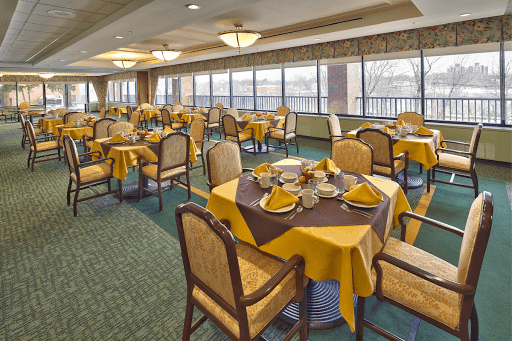
 Dining room
 Fitness room
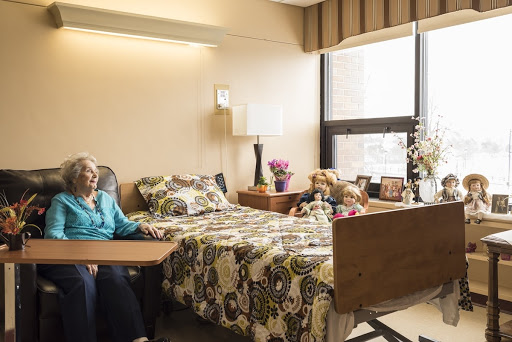
 Fully furnished
 Gaming room
 Garden
 Housekeeping services
 Kitchenette
 Move-in coordination
 Outdoor space
 Private bathrooms
 Restaurant-style dining
 Small library
 Telephone
 Wellness center
 Wi-Fi/high-speed internet available
 Greater Rochester International (3 miles away)
 Community operated transportation
 12-16 hour nursing
 24-hour call system
 Activities of daily living assistance
 Assistance with bathing
 Assistance with dressing
 Assistance with transfers
 Diabetes diet
 Medication management
 Mental wellness program
 Special dietary restrictions
 Concierge services
 Planned day trips




 Understanding the Sandwich Generation: Stress and Responsibilities for Multigenerational Caregivers
 8 Essential Assistive Devices for Older Adults
 Navigating the Financial Road to Nursing Home Care: In-Depth Guidance and Resources