Ferncliff Nursing Home in Rhinebeck, NY
SaveInformation last verified:
21 Ferncliff Drive, Rhinebeck, NY 12572
For more information about senior living options: (844) 490-3973
ArchCare at Ferncliff Nursing Home in Rhinebeck is best suited for families seeking robust short-term rehabilitation and specialized memory-care when the goal is to rebuild mobility, balance, and independence in a setting that emphasizes individualized attention and a humane, almost home-like approach. The rehab pathway is repeatedly praised: a strong therapy department with frequent sessions, skilled PT/OT teams, and therapists who tailor plans to each resident’s pace. The memory-care wing and a Montessori-inspired approach on select units are highlighted as transformative for residents with dementia or Huntington’s disease, with staff who integrate medical care, social work, and daily living activities in a way that makes residents feel seen and included. For families prioritizing spiritual comfort, the facility’s Catholic environment, sacraments, and pastoral presence add a meaningful dimension to daily life. In short, Ferncliff is particularly well-suited for recovery goals and dementia-centered care where compassionate, person-centered treatment is valued over merely custodial oversight.
That clarity, however, should be weighed against who may want to consider alternatives. The reviews repeatedly flag understaffing and communication gaps as ongoing tensions, with some residents and families feeling overwhelmed by the pace and volume of needs on busy floors. Reports range from occasional delays in responding to call bells to concerns about staff turnover or uneven experiences across units. A subset of reviewers describe odor, cleanliness lapses, and even pest issues, and several families recount difficult interactions with administration or floor management. For those who demand near-perfect staffing ratios, airtight communication, and consistently proactive leadership, Ferncliff may feel uneven. Families far from Rhinebeck who rely on consistent, responsive updates should temper expectations and plan for active engagement.
The strongest pro-argument hinges on the rehab and memory-care strengths, and those benefits often offset meaningful cons when outcomes are favorable. The therapy teams are repeatedly identified as standout, with patients regaining walking ability, improved balance, and greater independence after targeted PT/OT programs. The Montessori-inspired memory-care unit receives high marks for engaging residents in meaningful routines, reducing agitation, and promoting dignity through structure and familiar rhythms. The care teams on many floors are described as compassionate, attentive, and capable of coordinating with physicians, social workers, and families in ways that reduce anxiety during transitions. The environmental touches, the well-kept grounds, clean rooms, and thoughtfully designed spaces, also help families feel that their loved ones are in a respectful, cared-for setting. When therapy yields tangible gains and memory-care programs feel personalized, Ferncliff’s positives can feel decisive.
Yet the same force of care that delivers strong rehabilitation can be undermined by operational strain. Several reviews acknowledge that staffing can be stretched thin, which colors the overall experience even when individual nurses or aides excel in their moments with residents. Some families report excellent bedside manner and proactive communication from particular team members, while others cite inconsistent nurse-to-patient contact and delayed responses. A recurring concern is the administration’s visibility and responsiveness; even when the clinical care is solid, families want reliable access to leadership and transparent processes for med changes, discharge planning, and problem resolution. These gaps do not erase the good care on many units, but they do remind prospective residents to verify unit-by-unit reliability and to meet with the patient liaison, social workers, and floor managers before committing.
Safety, communication, and culture also shape the decision calculus. On the positive side, families consistently praise compassionate staff, thorough rehabilitation, and the sense that residents are treated with dignity and respect. The social-emotional grid, recreation staff, pastoral care, and activity directors who personalize programming, helps residents stay engaged and connected to life beyond the hospital routine. Grounds, room quality, and the overall cleanliness contribute to a serene atmosphere that many families value deeply. On the downside, multiple accounts describe experiences that range from frustrating to frightening, calls left unanswered, care delays during weekends, and, in some cases, allegations of neglect or assault on vulnerable residents. These narratives underscore that Ferncliff is not uniformly flawless and that families should advocate actively, ask pointed questions, and insist on unit-specific care plans and staffing data.
The practical verdict for families evaluating Ferncliff comes down to aligning priorities with documented strengths, and preparing for the realities of a busy, multi-unit facility. If rehabilitation speed, measurable mobility gains, and a Montessori-forward memory-care environment are priorities, Ferncliff stands out as a credible, even excellent, option. Prospective residents should visit the memory-care and rehab floors separately, speak with PT/OT staff about typical session length and scheduling, and request current staffing ratios by shift. Families with the wherewithal to engage, requesting timely updates, meeting with unit managers, and establishing a direct line to the patient advocate, will likely maximize the benefits Ferncliff can offer. If, however, reliability of every shift, consistently warm administrative oversight, and a completely pest-free, odor-free environment are non-negotiables, it remains prudent to compare peers in the region, or to prepare for a rigorous onboarding and ongoing advocacy at Ferncliff.
In the end, Ferncliff is a credible choice for families seeking high-caliber rehabilitation and dedicated memory-care within a compassionate, community-oriented setting. The best-fit scenario is one where therapy-driven recovery goals coexist with a structured, Montessori-inspired approach to dementia care, supported by staff who know residents by name and respond with empathy. The downsides, staffing strain, variable communication, and occasional environmental concerns, are not universal, but they are real enough to demand diligence. Prospective families should prioritize unit-level tours, meet the rehab and memory-care teams, and press for concrete commitments on staffing coverage, family communication protocols, and timely medication management. When those elements align, Ferncliff can deliver the improvement, dignity, and sense of belonging that families seek for loved ones during recovery or the long arc of memory-care life.
Ferncliff Nursing Home in Rhinebeck, NY is a vibrant and well-equipped assisted living community that offers a wide range of amenities and care services to ensure the comfort and well-being of its residents. The community boasts an array of amenities including a beauty salon, cable or satellite TV, a computer center, a fully furnished environment, gaming room, small library, and Wi-Fi/high-speed internet access throughout the premises.
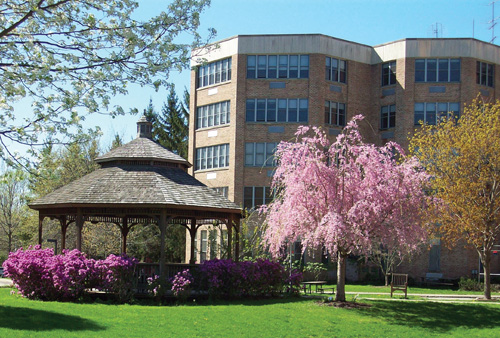
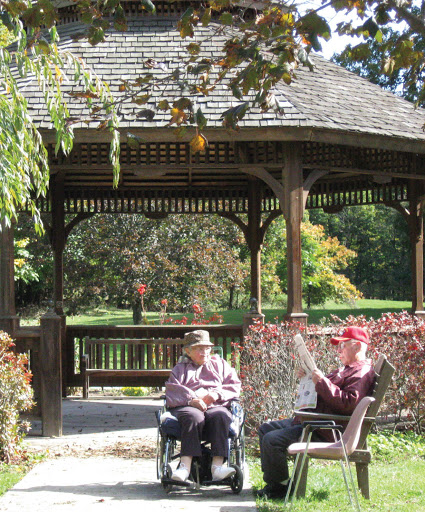
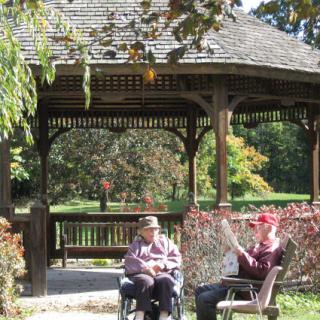
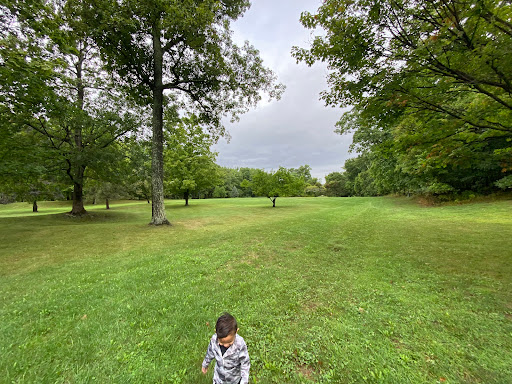
For those looking to maintain an active lifestyle, Ferncliff Nursing Home provides a fitness room and wellness center where residents can engage in various exercise programs tailored to their needs. Outdoors enthusiasts will appreciate the availability of outdoor spaces and gardens where they can relax and enjoy the fresh air.
The community also offers numerous dining options for residents with special dietary restrictions. The dining experience at Ferncliff Nursing Home is reminiscent of restaurant-style dining, providing delicious meals prepared by professional chefs.
In terms of care services, Ferncliff Nursing Home ensures round-the-clock supervision with 24-hour call systems to attend to any emergencies that may arise. Trained staff are available to assist residents with activities of daily living such as bathing, dressing, and transfers. Additionally, medication management is provided for those who require assistance in maintaining their health.
Residents at Ferncliff Nursing Home can partake in a variety of engaging activities on offer. From fitness programs designed to promote physical well-being to planned day trips that allow residents to explore nearby attractions, there is always something happening at this community. Residents are also encouraged to take part in resident-run activities or scheduled daily activities organized by the dedicated staff.
Conveniently located near several cafes, parks, pharmacies, physicians' offices, restaurants, transportation options as well as hospitals nearby make it easy for residents to access necessary resources or enjoy outings within the local area.
Overall, Ferncliff Nursing Home offers a comfortable and enriching environment for older adults seeking quality care services alongside a wide range of amenities and an active community life.
This part of Rhinebeck, New York, offers a variety of amenities and services that cater to the needs of seniors. With several physicians, hospitals, and pharmacies located within a few miles radius, residents have easy access to healthcare facilities. Additionally, there are numerous dining options ranging from casual cafes to upscale restaurants, providing a diverse selection of culinary experiences. Transportation options like the Amtrak Station and Kingston Trailways Bus Terminal make it convenient for seniors to travel around the area. The presence of parks like Forsyth Park allows residents to enjoy outdoor activities and stay active. Overall, this neighborhood provides a comfortable and convenient living environment for seniors looking for quality healthcare, dining options, transportation accessibility, and recreational opportunities.
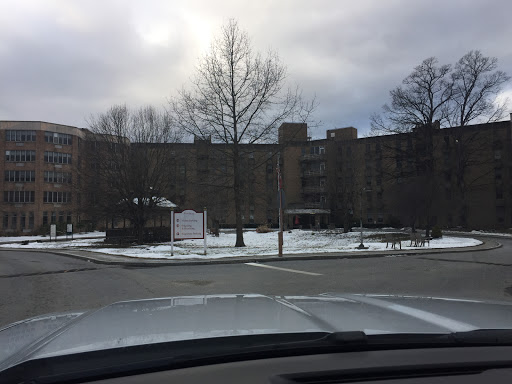
Ferncliff Nursing Home is located at 21 Ferncliff Drive, Rhinebeck, NY 12572 in Dutchess County, New York
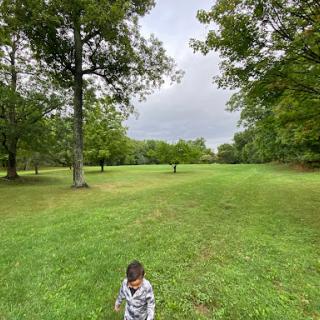
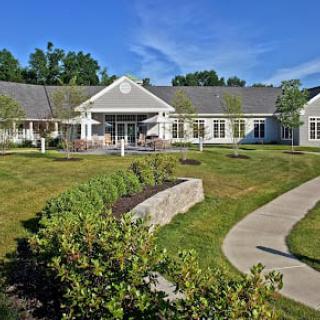
Ferncliff Nursing Home on seniors.fyi includes 10 photos including images showing park, road, nature, trees, tree, outdoors, gazebo, building, and more.
Understanding the Nuances of Palliative Care and Hospice: A Comprehensive Exploration

Palliative care focuses on alleviating distress at any stage of a serious illness and can accompany curative treatments, while hospice care is for those nearing the end of life with a prognosis of six months or less, emphasizing comfort over curative measures. Both prioritize holistic care for patients and families but differ in timing, goals, and scope.
Fecal Incontinence in Older Adults: A Comprehensive Guide

Fecal incontinence, prevalent among older adults, arises from factors like weakened pelvic muscles and nerve damage, significantly affecting well-being and social interactions. Diagnosis involves clinical evaluation and tests to inform tailored treatments, while caregivers and preventive measures can aid in managing the condition effectively.
Recognizing the Journey: Understanding and Navigating Anticipatory Grief
Anticipatory grief is an emotional response to the impending loss of a loved one, characterized by complex emotions such as sadness and anger, and involves navigating stages similar to those identified by Kübler-Ross. Coping strategies are vital for managing this process, emphasizing compassionate communication, self-care, and support groups while recognizing the cultural influences on grieving.