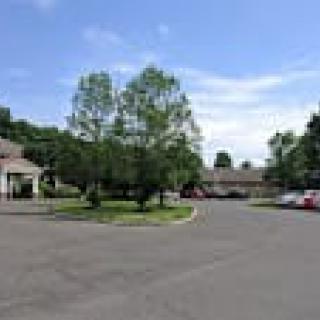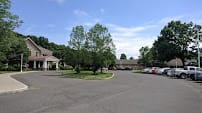
54 Brookmeade Dr, Rhinebeck, NY 12572
To contact a resident: (845) 876-3344
For more information about senior living options: (866) 208-4318
The Terraces at Brookmeade Costs & Pricing
The Terraces at Brookmeade offers a premium living experience, reflected in their monthly costs. For a one-bedroom unit, residents can expect to invest $7,800, which is significantly higher than the average monthly costs of $5,066 in Dutchess County and $4,307 across New York State. Similarly, the two-bedroom option is priced at $8,500, surpassing both the county's average of $4,465 and the state's $4,786. These figures underscore The Terraces at Brookmeade's commitment to providing exceptional amenities and services that cater to those seeking an elevated lifestyle in a vibrant community.
| Floor plans | The Terraces at Brookmeade | Dutchess County | New York |
|---|---|---|---|
| 1 Bedroom | $7,800 | $5,066 | $4,307 |
| 2 Bedrooms | $8,500 | $4,465 | $4,786 |
Assisted Living communities with a similar price nearby
-
from -$505 / mo
The Landing Of Poughkeepsie
$7,295 to $8,995 / month18.6 miles away
Overall Review of The Terraces at Brookmeade
Pros
 The staff is wonderful, caring, and communicative; they spend time with clients.
- The staff are very respectful and loving.
- The facility offers a nice, small community feeling with a lovely setting and nice apartments for assisted living.
- The staff are great and stay with residents every step of the way, providing support.
- The community is a very good fit for residents, with available activities and inviting staff.
- The care is good and the environment is clean throughout the community.
- The place is beautiful, with scenic property, spacious apartments, and much to offer.
- The staff tailor care to residents' needs.
Cons
 Dollars are valued over residents.
- There are significant disconnects between administration and caregivers, and the staff is grossly understaffed.
- After several falls, the resident was sent to the hospital and deemed no longer appropriate for the facility.
- The facility would not allow the resident to return and charged $9,000 in rent.
- They provided only a meager credit for meals—just over $100.
- There were cleaning issues, including a month-long putrefied urine smell.
- Fecal matter was found on the sheets on several occasions.
- Carpets were so dirty that a carpet cleaner had to be rented.
- Calls were consistently not returned.
- The deposit was still being held.
Review
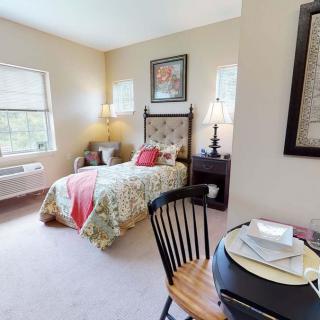
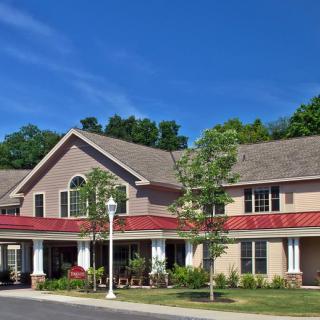
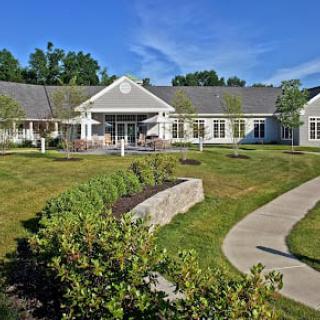
The Terraces at Brookmeade is best suited for families seeking a small, intimate assisted living community where residents are known personally and care feels relationship-driven. The setting is graceful and hotel-like, with comfortable apartments and a tranquil Rhinebeck campus that lends itself to easy social moments and independent living within a supported framework. This is the kind of place where staff are praised for warmth, attentiveness, and steadiness, and where residents can receive personalized attention in a close-knit, neighborly environment.
Yet this is not the right choice for every family. Alternatives should be explored if priority lies in rock-solid safety reporting, consistently high staffing levels, transparent and predictable finances, and a robust, well-rounded activity calendar. If a family cannot tolerate tensions between administration and frontline caregivers, or demands absolute reliability in incident reporting and issue resolution, other options may deliver more predictable peace of mind. Those who require very aggressive meal quality standards or a rigorously structured daily program may also want to look elsewhere.
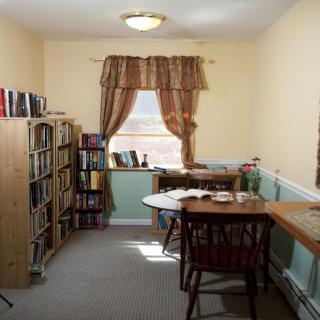
On balance, the strongest positives here are precisely what matters most in an intimate setting: genuine, caring staff who cultivate personal connections with residents and families, and a community atmosphere that feels less like a facility and more like a familiar, supportive home. Several reviews emphasize that caregivers are kind, respectful, and present at meaningful moments, with staff members who accompany residents through transitions and milestones. The environment itself supports this. Residents consistently describe the apartments as comfortable and well-sited, and the setting as quietly appealing. When these elements work, they create trust and reassurance that a loved one is not merely supervised but appreciated.
However, the clear and consequential drawbacks temper that warmth. The most serious concerns center on safety and reliability: understaffing, frequent staff turnover, and a notable gap between administration and the caregiving team. Falls are reportedly not consistently communicated, and one review documents a hospital transfer that precipitated a discharge decision followed by a contentious 30-day notice and a substantial rent charge. Such incidents erode trust and complicate family decision-making, because the line between compassionate care and financial or operational rigidity becomes blurred. Financial terms and deposits also emerge as a minefield in several accounts, including refunds that linger unresolved and disputed billing practices tied to post-discharge status.
Cleaning standards and daily operations appear uneven. Credible reports describe recurring cleanliness issues, odor in a suite, fecal matter on linens, and dirty carpets, paired with a revolving door of aides and inconsistent responsiveness to family inquiries. While other families recount strong administrative engagement and consistent communication at times, the friction evident in several accounts cannot be dismissed. Food quality, another variable predictor of daily satisfaction, is cited as inconsistent to poor by at least one reviewer, which wedges into the overall quality-of-life assessment for residents who rely on the dining program as a daily anchor.
Ultimately, the key question hinges on risk tolerance and priorities. If a family can tolerate occasional administrative strain and are prepared to scrutinize cost structures, discharge policies, and incident reporting, The Terraces at Brookmeade can deliver a deeply personal, warm, and comfortable living experience in a small community. But if consistency in safety reporting, financial transparency, and housekeeping standards are non-negotiable, it would be prudent to explore alternatives that promise tighter staff alignment, firmer accountability, and more uniform services. Prospective families should request current staffing ratios, detailed incident logs, and a clear outline of post-hospitalization policies before making a commitment. In the end, the decision should hinge on whether the resident’s need for a genuinely intimate, caring environment outweighs the potential for friction between operations and hands-on care, and whether the financial and service terms align with the family’s expectations for reliability and peace of mind.
 Assisted Living
 Activities on-site
 Devotional services off-site
 Indoor common areas
 Ambulatory care
 Diabetic care
 Meals provided


 Social Security Benefits and Assisted Living: Navigating Options Across the U.S.
 An Extensive Exploration of the VA Aid and Attendance Benefit
 Senior Transition Services: Understanding Their Role, Cost, and Importance