54 Brookmeade Drive, Rhinebeck, NY 12572
For more information about senior living options: (866) 208-4318
Overall Review of The Terraces
Pros
 The facility has a nice, small community feeling.
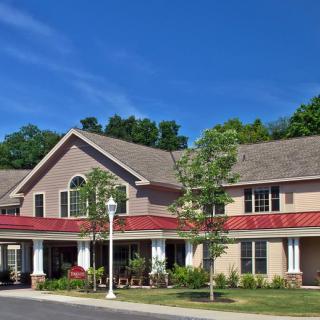
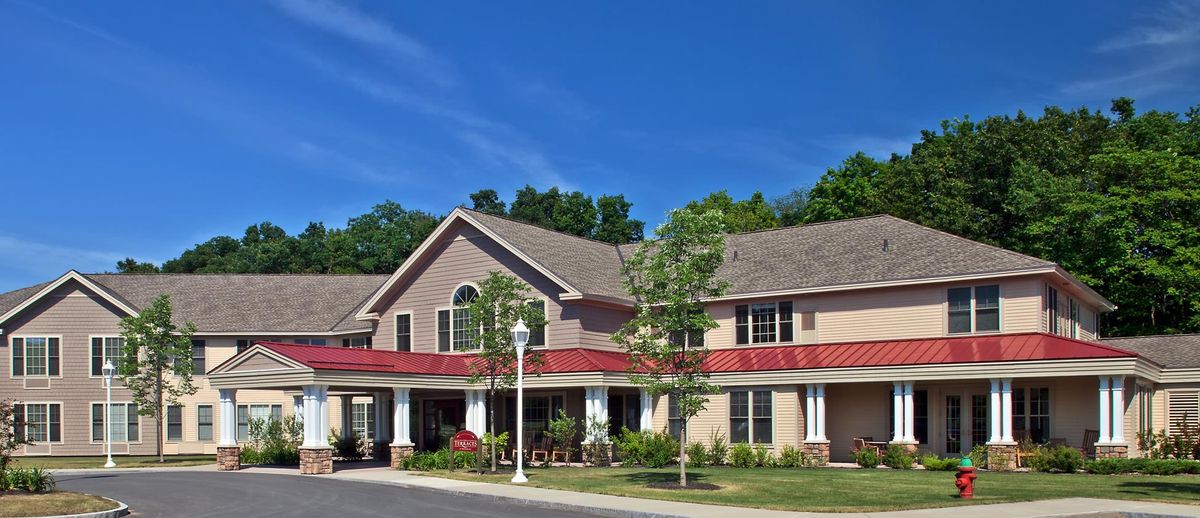
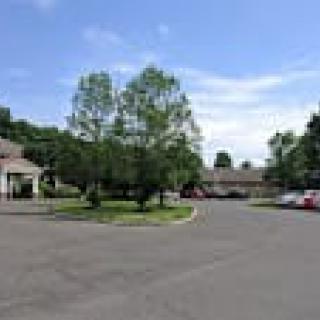
- It has a lovely setting and nice apartments for assisted living.
- The staff is great and was with the resident every step of the way.
- The staff supported the family as well.
Cons
 Dollars are valued over residents.
- There are significant disconnects between administration and caregivers, and the staff is grossly understaffed.
- Falls are not reported to families, leading to hospital transfers.
- The resident was not allowed to return and was charged a $9,000 rent.
- Cleaning issues included a month-long odor of putrefied urine and fecal matter on sheets.
- Carpets were so dirty that a carpet cleaner had to be rented.
- There was a revolving door of aides.
- The food quality was very poor.
Review
The Terraces in Rhinebeck, NY is best suited for families seeking a quiet, home‑like assisted living experience in a small, intimate community. The setting and apartments convey a pleasant, unfussy atmosphere, and staff members who are on site and reachable can provide genuine warmth and familiarity when needs are straightforward. It appeals to residents who value personal attention in a compact, easy-to-navigate environment and who can tolerate some variability in day-to-day operations in exchange for proximity to a charming, rural village setting. The emphasis here is on a low‑key, neighborly vibe where care can feel personally guided rather than institutionally scaled. For caregivers who want a simple, predictable routine and are willing to stay actively involved, The Terraces offers a workable baseline.
Caregivers should also acknowledge who may want to consider alternatives. If safety incidents, timely incident reporting, and transparent, consistent communication are nonnegotiables, this community may fall short. Prospective residents with a high need for steady staffing, rapid responses to care changes, and meticulous housekeeping will want to compare options with stronger staffing ratios and more robust QA processes. Families that require evidence of proactive fall management, strict adherence to policy, and clear, itemized billing will find themselves weighing The Terraces against larger providers or not-for-profit campuses with more formalized governance. In short, when governance and predictability are prioritized over the advantages of a small, personal setting, alternatives merit careful scrutiny.
The strongest redeeming factors lie in the positives that still surface despite the concerns. The Terraces can feel like a comfortable, small community where staff reach feel familiar and accessible, and where residents may enjoy a sense of belonging that can be harder to maintain on a bigger campus. The value of a “neighbors first” environment, and the perceived attentiveness of some caregivers, can translate into meaningful daily interactions and a smoother transition for some residents. The presence of a practical, walkable campus with accessible services contributes to quality of life for many. When those elements align with a family’s expectations for daily rhythm and personal contact, they offset the appeal of a larger, more impersonal operation, at least in the eyes of those who prize intimate, hands-on care.
However, the significant drawbacks cannot be dismissed. The most troubling issues revolve around understaffing and a noticeable disconnect between administration and frontline caregivers, which directly threatens safety and reliability. Falls reportedly went unreported to families, and a harsh policy around leaving the community after a hospital transfer can create financial and emotional stress, including a substantial rent charge that lingers despite a disengagement from services. Facility cleanliness and hygiene have been called into question, with reports of odor in apartments, soiled linens, and dirty carpets. A revolving door of aides, inconsistent food quality, and limited activities further undermine daily life and overall satisfaction. Finally, a pattern of unreturned calls and a stubborn deposit dispute signal governance problems that spill into residents’ finances. Taken together, these factors significantly dampen the appeal for anyone whose priority is dependable care, transparent communication, and predictable expenses.
To navigate these realities, families should enter conversations with a sharp checklist. Insist on clear, written policies for incident reporting, hospital transfers, and notification timelines; request staff-to-resident ratios by shift; seek recent survey results and any formal corrective actions; and insist on an itemized, upfront understanding of every fee, deposit, and potential charge. Visit during meal times and speak with multiple aides and the administrator to gauge consistency and responsiveness. Ask to see the activity calendar and inquire about the cadence of social and therapeutic offerings. Finally, demand references from current residents or their families and request a recent plan of care that demonstrates proactive oversight rather than reactive problem-solving. This due diligence will reveal whether the promised small-community advantages can be realized without paying a premium in safety or finances.
In the end, The Terraces can be a strong fit for families prioritizing a warm, intimate atmosphere and personal connections, provided that oversight is rigorous and finances are transparent. For those who place safety, reliable staffing, and consistent governance at the top of the list, serious consideration should be given to alternatives with stronger reporting structures, higher staffing ratios, and clearly delineated care and billing practices. The choice hinges on whether the small-community charm and direct caregiver access will outweigh the practical risks identified. A deliberate, questions-forward approach during visits will illuminate whether this setting can become the trusted home that meets both care needs and family expectations, or whether another option better aligns with the required standards of safety, accountability, and value.
 29 resident community capacity
 Assisted Living
 Beauty salon
 Cable or satellite TV
 Dining room
 Fully furnished
 Garden
 Housekeeping services
 Kitchenette
 Move-in coordination
 Outdoor space
 Restaurant-style dining
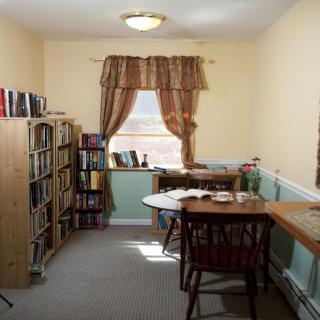
 Small library
 Telephone
 Wi-Fi/high-speed internet available
 24-hour call system
 Activities of daily living assistance
 Assistance with bathing
 Assistance with dressing
 Assistance with transfers
 Diabetes diet
 Medication management
 Mental wellness program
 Special dietary restrictions


 Assisted Living Support for Veterans: A Complete and Detailed Overview
 Exploring the Contrasts Between Assisted Living and Skilled Nursing
 8 Key Indicators That Suggest It May Be Time to Transition from Assisted Living to Skilled Nursing Care