
52 River Rd, Rhinebeck, NY 12572
To contact a resident: (845) 876-2011
For more information about senior living options: (866) 208-4318
Overall Review of Ferncliff Nursing Home Co
Pros
 The admissions director was warm and welcoming during the tour.
- The patient was alert, responsive, and cognizant of his surroundings.
Cons
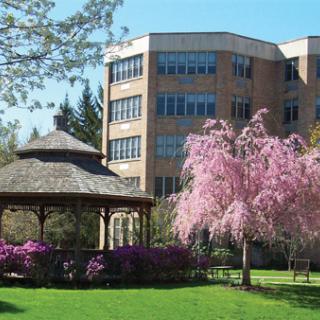
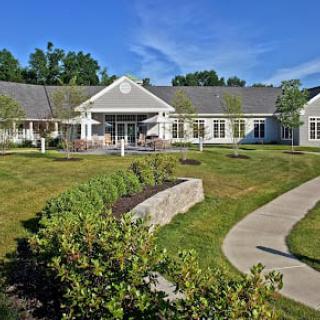
 The facility is huge, overwhelming, outdated, and looks dismal and institutional with no warmth or home-like qualities.
- It’s run as a not-for-profit, yet cost-cutting measures allegedly compromise the quality of care.
- The admissions process was cold and lacked basic orientation, with a welcome book that didn’t even list important contacts.
- Therapy and nursing communication are inconsistent, and there are instances of planned therapy not actually occurring.
- Nutritional decisions appear questionable—a high-carb, high-calorie formula was given instead of diabetic-appropriate options, with little explanation.
- Weekend staffing is insufficient (mostly LPNs with one RN head nurse), leading to missed medical assessments and a patient’s condition deteriorating, including sepsis.
Review
Ferncliff Nursing Home Co in Rhinebeck, NY is best avoided by families seeking a warm, person-centered environment and steady, attentive medical oversight. This community is most justifiable for those facing the most constrained options and who are prepared to supervise care intensely, because the facility’s size and operations favor efficiency over individualized attention. For seniors with serious rehabilitation needs, complex chronic conditions, or the expectation of consistent nursing leadership, several credible alternatives should be explored first. The assumption that not-for-profit status guarantees higher quality does not hold here, given the experiences described.
The campus feels overwhelming at 328 beds, and the setting conveys an institutional rather than homelike impression. The building’s age and layout contribute to a sense of detachment from the surrounding community, which can undermine a resident’s comfort and orientation. Staffing appears stretched, and the governance structure does little to reassure families that care decisions are unified and proactive. The review notes a pattern of cost-cutting that seems to impact daily care, with resources not being deployed to sustain a stable, well-coordinated care team. In short, the scale premium does not translate into dependable, person-first care.
Pros tied to size, more access to services, potentially broader referral networks, and a large pool of therapy and nursing staff in theory, do not materialize in practice here. The reviews describe frequent turnover among therapy and nursing contacts, inconsistent communication, and a lack of continuity that leaves families and residents guessing who is accountable for care decisions. Not-for-profit rhetoric cannot mask the impression that staffing discipline and care coordination are secondary to throughput and bed utilization. When a facility can’t align its resources behind reliable practical care, any potential advantages from volume quickly evaporate.
A glaring case illustrates the risk: a subacute rehab transfer after a massive stroke devolved into a sequence of unsettling oversights. The patient, newly vulnerable, did not receive a reliable rehabilitation schedule or consistent therapy engagement, and nutritional plans diverged from the hospital’s orders. Blood sugar spikes and a Sunday-to-weekend lull in monitoring culminated in a deterioration described as a stupor, followed by a life-threatening sepsis event. The weekend coverage , and the reliance on LPNs with limited medical assessment authority , underscore a systemic gap in timely, high-stakes clinical intervention. The overall pattern suggests a facility where urgent medical needs may not be met with the expected rigor.
Families evaluating Ferncliff should demand hard assurances before placement. Insist on sufficient RN presence on every shift, a transparent medical oversight protocol, and a clearly documented rehabilitation plan with daily goals and progress notes. Verify that nutrition plans align with the hospital’s medical orders and that any mealtime adjustments are reviewed by a registered nurse or the attending physician. Require an orientation process that orients the family and resident to key contacts, emergency procedures, and the therapy schedule. Establish a fixed point of accountability, and insist on written communication after each significant update or change in condition. Above all, visit often, observe interactions, and challenge any ambiguity in care plans.
In sum, Ferncliff presents a high-risk proposition for most seniors, especially those needing steady rehab, meticulous medical supervision, or a home-like atmosphere. The material drawbacks, the impersonal environment, constrained nursing leadership, inconsistent therapy engagement, and a troubling recent medical incident, outweigh any theoretical advantages of size or not-for-profit status. For families able to pursue better options, alternatives that emphasize intimate setting, proactive care coordination, and reliable clinical oversight should be prioritized. If Ferncliff remains under consideration, it must be with a plan for aggressive oversight, explicit staffing guarantees, and continuous, documented review of medical and rehabilitation progress.
 Skilled Nursing Facility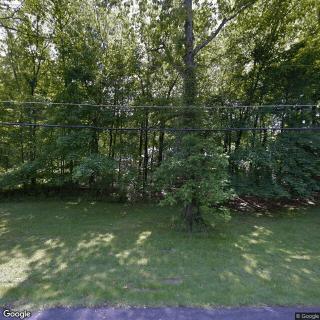



 California's Form 602A: An In-Depth Examination of Senior Care Assessment
 Comprehensive Look at Senior Blood Pressure Charts: Normal and Elevated Levels by Age
 Top Canine Companions for Older Adults