

12 Spring Brook Ave, Rhinebeck, NY 12572
To contact a resident: (845) 871-3760
For more information about senior living options: (866) 208-4318
Overall Review of Thompson House
Pros
 The Beekman Unit staff provided care and love to the reviewer’s mother, acting with professional kindness as if she were their own.
- The Beekman Wing staff and the physical and occupational therapists were exceptional, with gratitude and affection from the family.
- The level of care, compassion, and professionalism observed could not merit higher praise.
- The patient felt safe, well cared for, and informed, leaving with a positive impression of the dedicated staff.
- Thompson House was considerably cleaner, adequately staffed, and the staff were pleasant, helpful, and compassionate.
- Hospice staff were incredibly helpful and caring, and families could stay with their loved ones and receive support.
Cons
 The reviewers describe Thompson House as seriously understaffed, with erratic physical therapy and inadequate nursing care.
- They note a large hole in the wall beside the bed and a decades-old, never-clean curtain separating roommates.
- They report the roommate’s TV being on loudly 24/7 and insufficient attention to nutrition, including protein for vegetarians.
- They claim medications were not provided as directed and that Medicare-related co-pay details were handled at the last minute in an unprofessional, underhanded way.
- They describe the facility as not sanitary, with infections and injuries from patients being dropped, indicating a lack of safety.
- They recount rude or unkind treatment, including a nurse yelling at a patient and public berating.
- They allege dishonest management and broken promises.
- Overall, they characterize the experience as a nightmare and would not want a loved one left there.
Review
Thompson House in Rhinebeck is best suited for families seeking rehab-focused, hands-on care delivered by a genuinely caring Beekman Wing team, and for residents who can tolerate some variability in infrastructure and administrative communication. When a loved one needs acute post-hospital therapy, steady nursing supervision, and regular encouragement to regain function, this community can deliver meaningful progress and comfort, provided families stay actively involved and set clear expectations from the outset. It is not a guaranteed, flawless long-term solution, but for short-term recovery periods with vigilant family oversight, the Beekman Wing can be a credible option.
Those considering alternatives should weigh strongly any red flags around medication management, staffing levels, and day-to-day safety. Several reviews raise serious questions about whether meds were stocked and administered promptly, whether wound care was consistent, and whether the facility’s systems reliably prevent lapses in care. In addition, concerns about cleanliness, repairs, and overall safety point to a facility that may struggle to sustain a consistently high standard over time. For families whose priorities include ironclad medication administration, rigorous infection control, and transparent, proactive administration, seeking another option is a prudent move.
On the positive side, multiple accounts highlight a Beekman Wing staffed by nurses and aides who deliver care with compassion and professionalism. When care teams extend genuine warmth and diligence, residents feel supported, and families sense that their loved ones are spoken to with respect. The rehab and therapy experience can be meaningful: one guest recovered from a fractured hip and femur to the point of walking with a cane, supported by a thorough, attentive therapy program. In those moments, the facility earns trust through consistent, patient-centered interaction, clear communication, and reliable nursing presence. Hospices and long-term care partners in the Beekman community are also noted as a stabilizing, humanizing element for families facing end-of-life decisions.
Yet the strongest negative currents undermine the overall value proposition. A recurring pattern points to understaffing that translates into erratic physical therapy, delayed responses, and routines that feel piecemeal rather than cohesive. Structural concerns, like a wall with a hole, dated curtains, and shared-room environments that aren’t consistently cleaned, dampen trust in the facility’s ability to sustain a safe, dignified setting. Financial transparency is another sore point; last-minute discussions about co-pays and coverage can leave families reeling, especially when Medicare rules on stay length complicate care planning. Food quality and dietary accommodation issues also surface, underscoring a disconnect between clinical care and the everyday lived experience of residents.
How the positives offset the negatives is situational and temporary at best. When staffing is sufficient and the Beekman Wing team is aligned, the care can feel personalized and genuinely capable, and short rehabilitative stays can yield real gains. However, the weight of ongoing cons, medication lapses, safety concerns, sanitation issues, and inconsistent oversight, tends to erode confidence over time and make long-term care decisions risky. In short, Thompson House can be a workable choice for targeted rehab with committed family involvement, but it does not reliably meet the benchmark for steady, high-integrity operations that some families require for extended stays.
For families evaluating Thompson House, the prudent path is a thorough, in-person due diligence: request a candid tour of the Beekman Wing, verify current nurse-to-patient ratios, and interrogate the medication supply chain and wound-care protocols. Ask to see recent incident reports and to speak with floor supervisors about how staffing shortfalls are managed on weekends and evenings. Clarify how co-pays and Medicare coverage are calculated and communicated, and insist on a written care plan with measurable goals. If long-term stability, unflinching safety, and transparent administration are non-negotiable, broader options in the Rhinebeck area should be pursued. Thompson House has moments of real strength, but the decision should hinge on whether the family can demand and sustain the operational improvements that professional care requires.
 Board and Care Home




 Engaging Brain Games and Innovative Apps to Keep Senior Minds Active
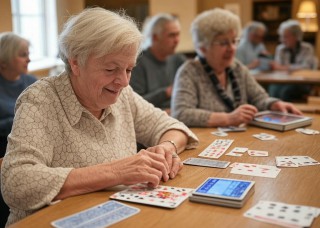 Effective Strategies for Keeping Seniors' Minds Active: A Deep Dive into Brain Games and Apps
 In-Depth Look at the VA Aid and Attendance Program