
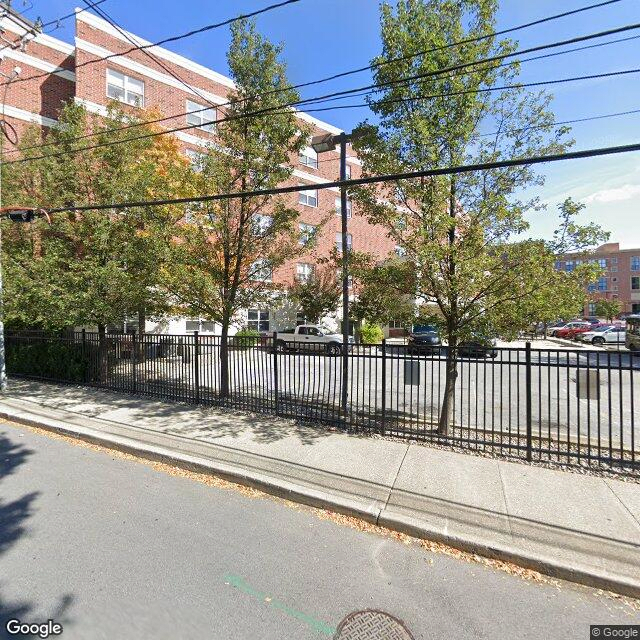
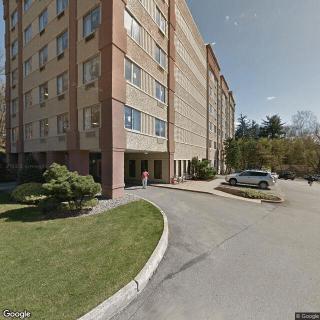
140 Main St, Poughkeepsie, NY 12601
To contact a resident: (845) 454-7600
For more information about senior living options: (866) 208-4318
Overall Review of River Valley Care Center Inc
Cons
 The reviewer calls it the worst rehab/nursing home.
- They would never send their family there again.
- They would never recommend the place.
- They claim prisoners receive better treatment.
- They say residents have no choices for food and are served whatever is on the menu.
- They report a shower request was denied because showers are only twice a week, without prior notice.
- They were there 14 days and only had 2 showers after begging.
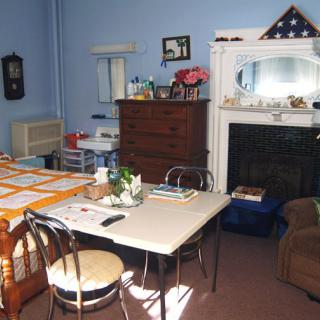
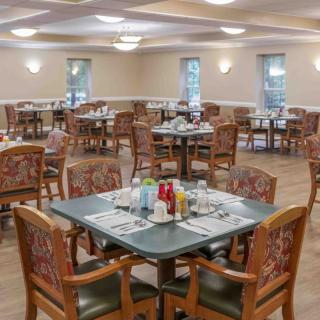
- They say the website shows single beautiful private rooms with a dining room, but they never saw that; rooms were dirty and disgusting.
- They describe the beds as old.
- They note there is no oxygen setup on the wall; oxygen concentrators are on the floor.
- They state call bells were turned off and not answered.
- They observed staff at the nurse’s station every day, yet felt unsafe and needed to visit to bring food to their spouse.
- They claim wall outlets are overloaded, with power surge bars inside other surge bars, creating a fire hazard.
Review
River Valley Care Center Inc in Poughkeepsie is best suited for families that can commit to vigilant, ongoing oversight and are prepared to intervene repeatedly to secure basic care. The described experience reflects a setting where safety, daily living needs, and dignity do not appear reliably met, placing families into the role of active advocate rather than confident participant in care decisions. In practical terms, this facility rewards persistent monitoring and direct engagement with staff and administration far more than it earns trust based on promises or glossy marketing. For families seeking a predictable, respectful rehab or long‑term care environment, this is not the first choice.
Those evaluating rehab, short-term recovery, or long-term care should seriously consider alternatives when dependable meals, timely showers, and a safe, clean environment are non-negotiables. The account notes denied shower requests, meals offered with no choice, and rooms described as dirty with aging furniture. This is not a single misstep but a troubling pattern that calls into question daily routines, resident dignity, and the facility’s commitment to basic comfort and hygiene. When comfort and routine pace the care plan, a facility with such recurring deficiencies becomes an unreliable partner in recovery or ongoing support.
Pros, if any, do not meaningfully offset the downsides. The reviewer observed staff at the nurse’s station, which might suggest some level of presence, but that presence evaporates when call bells are turned off and not answered. The claimed private rooms and dining spaces on a website are not experienced by residents, with reports of dirty, deteriorating rooms and a lack of maintenance. The gap between promotional materials and on‑the‑ground reality undermines trust and signals that even perceived conveniences are inaccessible to residents, making any potential advantages illusory.
Major safety and quality red flags require immediate attention: showers limited to twice weekly without notice, no visible wall‑mounted oxygen setup and oxygen concentrators left on the floor, and wall outlets described as overloaded with power bars creating a tangible fire hazard. Call bells that do not function compound the risk, turning a routine need for assistance into a frightening delay. Maintenance issues appear unresolved, and routine daily living tasks, like personal care and hydration, become contingent on anxious family advocacy. These factors together create an environment where safety gaps eclipse any potential warmth or personal touches.
When families evaluate other communities, a rigorous checklist is indispensable. Demand 24/7 call‑light response and tested, safe forms of patient alert systems. Confirm that oxygen delivery is properly installed and maintained, with clear wall equipment and a safe work environment. Tour rooms with a critical eye for cleanliness, modernization, and proper furnishings, and verify that dietary options truly accommodate preferences and restrictions. Inquire about staffing ratios, training in fall prevention and infection control, and a transparent maintenance schedule. Speak with current residents about day‑to‑day reality and observe how staff interact in real time, not just in brochures.
Bottom line: the documented experience raises serious concerns about safety, responsiveness, and the overall quality of care. If River Valley remains under consideration, it is essential to secure formal, written care plans with strict meeting cadences, daily oversight by an administrator or designee, and clearly defined escalation routes for any lapse in care. Families should plan for regular, possibly daily, visits with a system to report and track issues, and insist on immediate remediation whenever a deficiency is identified. For any family able to access solid alternatives, those options should be prioritized over River Valley, where the risk/benefit balance substantially favors seeking a higher standard of care and greater accountability.
 Skilled Nursing Facility
 Stewart (16 miles away)
 High acuity care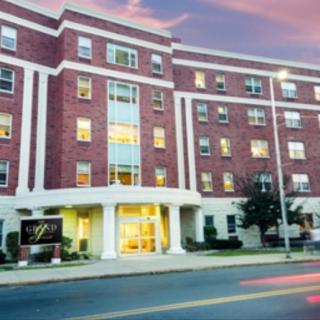
 Some staff are excellent; PT staff help with recovery; families advocate for residents.

 Home Health Care Aides: Understanding Their Role and Supporting Your Family
 Urinary Tract Infections in Older Adults: Comprehensive Insights on Symptoms, Treatment, and Prevention
 California's Form 602A: An In-Depth Examination of Senior Care Assessment