

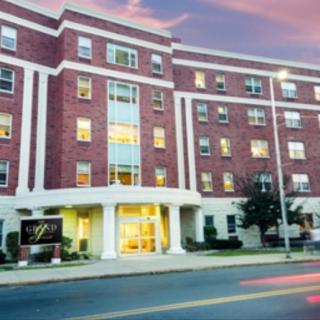
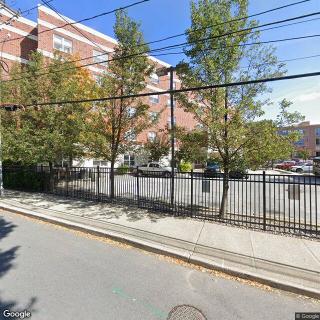
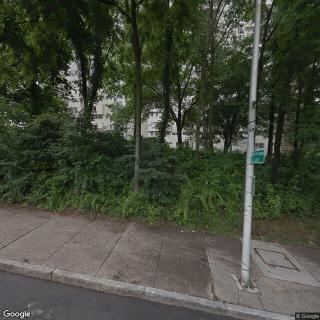
186 Washington Street, Poughkeepsie, NY 12601
For more information about senior living options: (866) 208-4318
Dutchess Care Costs & Pricing
Dutchess Care offers a competitive pricing structure for its semi-private rooms, charging $3,000 per month. This rate is significantly lower than the average costs in both Dutchess County and the wider New York state, which are $4,499 and $4,389 respectively. By providing quality care at this more affordable price point, Dutchess Care positions itself as an attractive option for those seeking assisted living solutions without compromising on the standard of service provided. This makes it not only a financially wise choice but also reflects a commitment to accessible care for individuals in need within the community.
| Floor plans | Dutchess Care | Dutchess County | New York |
|---|---|---|---|
| Semi-Private | $3,000 | $4,499 | $4,389 |
Skilled Nursing Facilities with a similar price nearby
-
from +$558 / mo
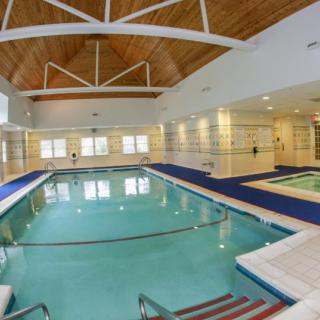
Woodland Pond At New Paltz
$3,558 to $4,931 / month7.4 miles away
Overall Review of Dutchess Care
Pros
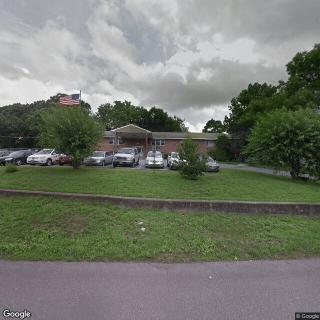
 This facility is conveniently located near Route 9, Mid-Hudson Regional Hospital, Vassar Hospital, and local community services.
- The level grounds and single-floor interior make it easy for residents to get around.
- This facility accepts Medicaid.
- Melissa, the Administrator, was phenomenal and always supportive of residents' needs.
- They connected Michael to a local synagogue, where he loved to go, and he was involved in in-house activities.
- The building was generally kept clean, and made residents feel safe.
- They have an Assisted Living Program, so Medicaid paid for all of his care.
Cons
 The reviewer found it odd to be there.
 - The reviewer alleges the facility steals money, has mice, serves moldy food, and prevents residents from leaving when they no longer wish to live there.
- A reviewer reports long hold times, unanswered questions, and staff attitudes.
- The reviewer notes that no one contacted them about a brother's last days.
- The reviewer describes the facility as a demoralizing warehouse that is not therapeutic, often unsafe, and run by an underqualified, reactive administrator prioritizing staff fun over residents.
- Many promises made at the start were broken during the 13-month stay.
Review
Dutchess Care in Poughkeepsie is best suited for families that need a budget-conscious, Medicaid-accepting option with a straightforward, single-story layout and easy access to major medical facilities. It serves as a practical choice for loved ones whose care needs are modest-to-moderate and who prize location, accessibility, and affordability over pristine safety assurances or uniformly high administrative responsiveness. In short, it is a workable option for those who prioritize cost efficiency and proximity to hospitals and services, provided there is tolerance for variability in management and day-to-day operations.
On the plus side, the facility’s location is a real asset: near Route 9, with proximity to Mid-Hudson Regional and Vassar hospitals, and convenient access to community services. The single-floor design helps residents move about without stairs, and the property is described as generally clean with grounds that are easy to navigate. There is also an Assisted Living Program tied to Medicaid that, in at least one case, allowed full coverage of care. A number of staff members come across as well-meaning and willing to help, and in some instances administrators have demonstrated real support for residents’ needs, which shows that compassion does exist within the ranks.
Yet the negatives cited by families are troubling and numerous, and they weigh heavily on the overall value proposition. Reports of theft, pests, and even moldy food surface repeatedly, painting a picture of serious upkeep and safety concerns. Communication with families can be frustrating, with long hold times and unanswered questions that leave loved ones feeling left in the dark. Attitudes from some staff members can be abrasive, and there is a sense that the administrative structure is reactive rather than proactive. The most consequential critiques center on safety and consistency: a perception of underqualified leadership, a lack of dedicated case management, and promises that refill the cracks but do not always come through to residents’ advantage.
These substantial cons do not simply fade away under the banner of a convenient location or the occasional kind interaction. The pros, affordable care tied to Medicaid, a walkable campus, and the presence of caring staff in some instances, do not consistently offset the core risks cited: potential misassignment of residents, insufficient interventions for those needing more support, and a governance environment described as more reactive than preventive. For families evaluating Dutchess Care, the critical question is whether the chance of a stable, well-coordinated care plan is acceptable given the apparent gaps in communication, oversight, and ongoing quality assurance. In many cases, the math simply does not pencil out when safety and dependable, proactive care are non-negotiable.
For families who want a more predictable, higher-touch experience, alternatives are worth pursuing. Seek out communities with verifiable, dedicated case management, transparent and responsive family communication protocols, and stronger infection-control and dietary oversight. Look for settings with consistently positive staff interactions, proactive care planning, and clear accountability from administration. If Medicaid coverage is non-negotiable, verify which services are actually included, how billing is handled, and whether there is a concrete plan for oversight and resident advocacy. A tour should include conversations with current residents and family members about safety, responsiveness, and whether promises are kept.
Bottom line: Dutchess Care can be a viable option for families prioritizing location and affordability when the loved one’s care needs align with what a budget-friendly, Medicaid-tolerant setting can reliably provide. However, the balance of experiences in reviews suggests that the quality of care, communication, and safety oversight varies enough to prompt serious consideration of alternatives. Families should enter with clear expectations, demand concrete assurances from administration, and, where possible, pursue facilities with a track record of proactive case management and consistent, respectful engagement with families and residents.
 92 resident community capacity
 Assisted Living
 Skilled Nursing Facility
 Activities off-site
 Air-conditioning
 Beauty salon
 Cable or satellite TV
 Computer center
 Devotional services off-site
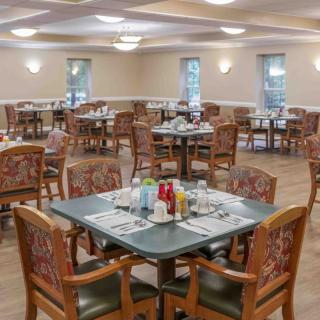
 Dining room
 Fitness room
 Fully furnished
 Gaming room
 Garden
 Housekeeping services
 Indoor common areas
 Kitchenette
 Move-in coordination
 Outdoor common areas
 Private bathrooms
 Restaurant-style dining
 Small library
 Telephone
 Wellness center
 Wheelchair accessible showers
 Wi-Fi/high-speed internet available
 Stewart (17 miles away)
 Community operated transportation
 12-16 hour nursing
 24-hour call system
 Ambulatory care
 Assistance with bathing
 Assistance with dressing
 Assistance with transfers
 Diabetes diet
 Incontinence care
 Medication management
 Mental wellness program
 Special dietary restrictions
 Concierge services
 Planned day trips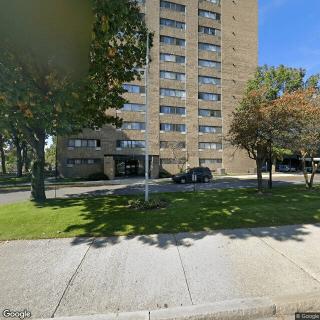

 Comprehensive Insights into Activities of Daily Living (ADLs) and Their Assessment
 Medicare Coverage for Assisted Living: An In-Depth Exploration
 Your Comprehensive Guide to Luxury Assisted Living: Elevated Facilities, Amenities, and Costs