Affinity Skilled Living And Rehabilitation Center in Oakdale, NY

Save

  • Interior

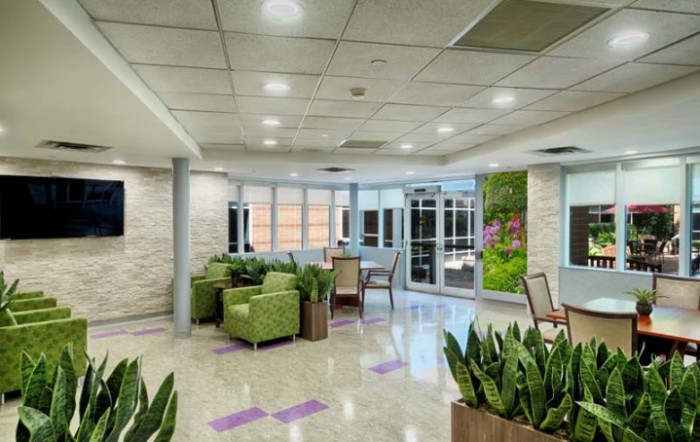
    A modern waiting room with comfortable seating and large windows.
  • Outdoors

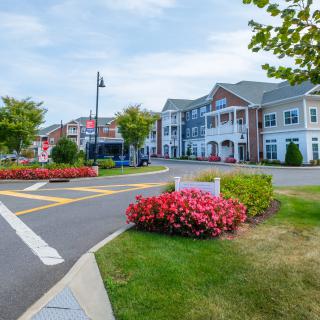
    A brick sign with the word 'AFFINITY' set against a backdrop of trees and blue sky.
  • Building

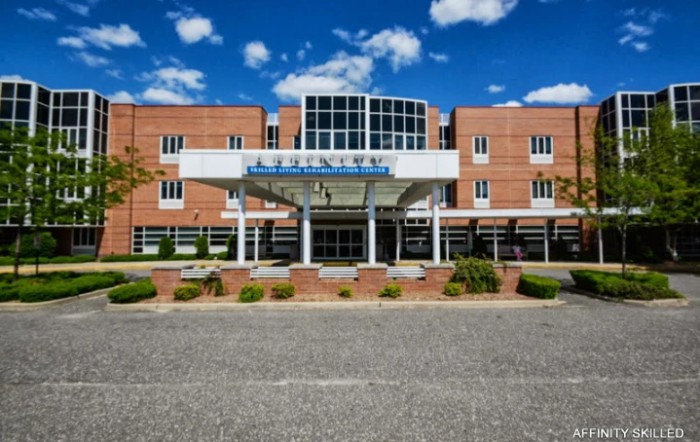
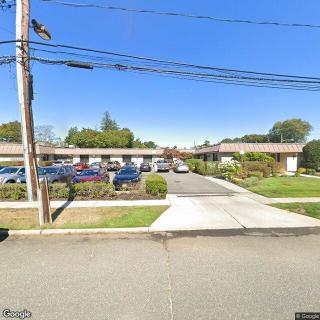
    Front view of a hospital building with a clear blue sky.
  • Bedroom

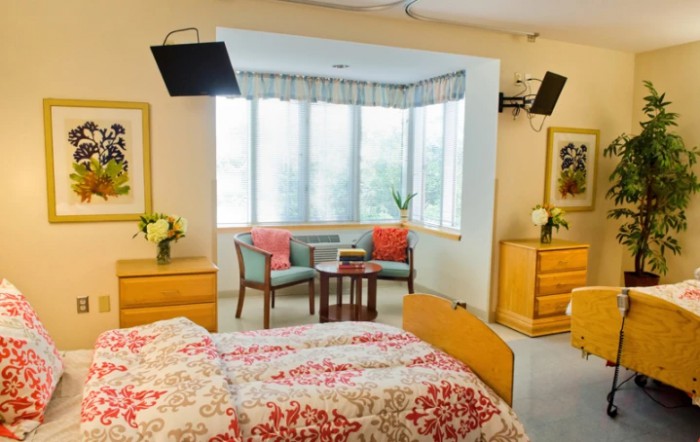
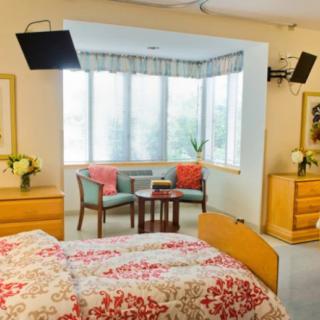
    A well-lit hospital room with floral bedding and comfortable seating by a large window.
  • Trees

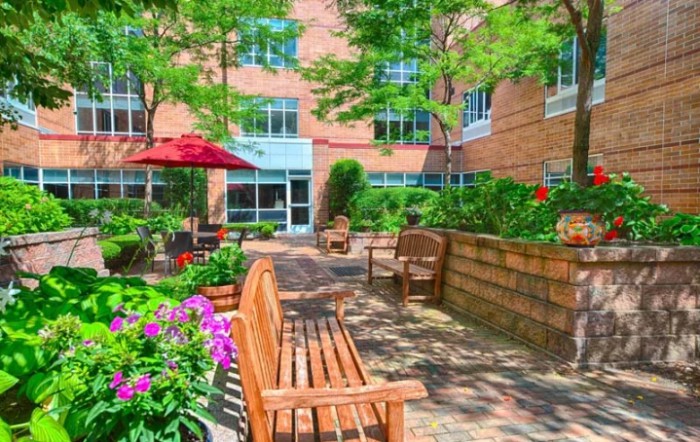
    A tranquil garden patio area with wooden benches, colorful flowers, and lush greenery in front of a brick building.
  • Windows

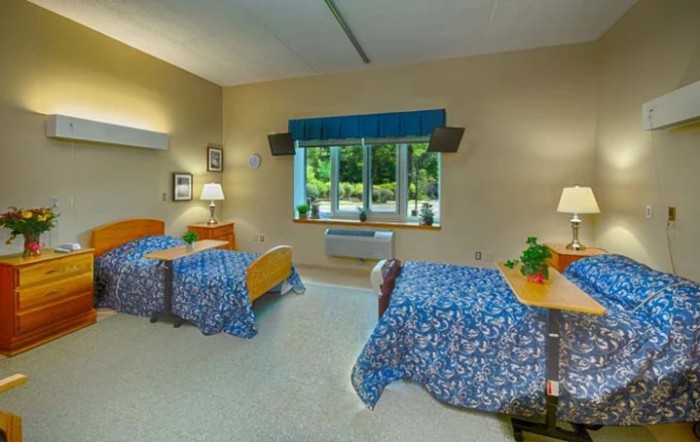
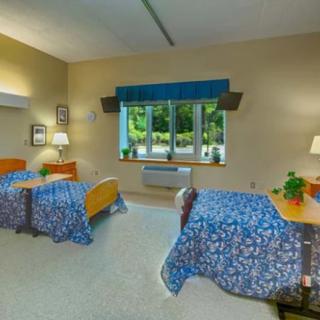
    A hospital room with two patient beds and a window view.
  • Lobby

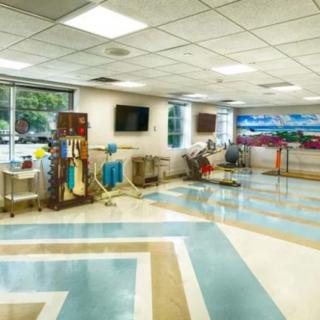
    A spacious hospital lobby with modern design and medical equipment in view.
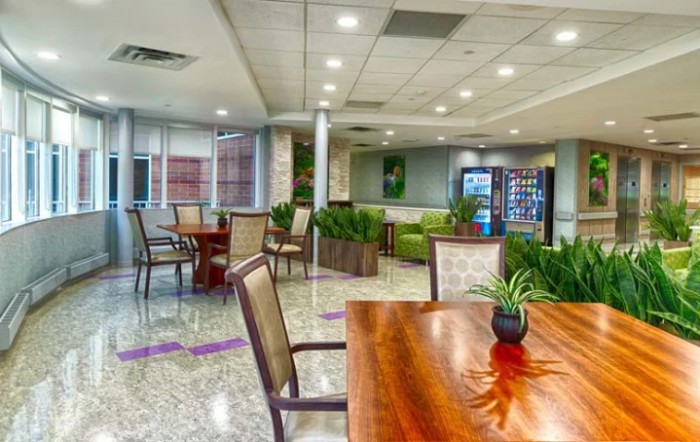
  • Lounge Area

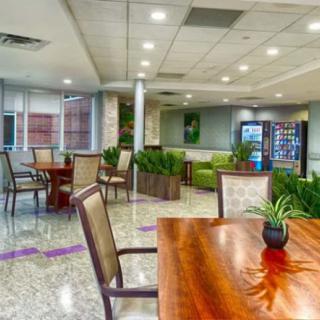
    A modern lounge area with tables, chairs, and greenery.

Affinity Skilled Living And Rehabilitation Center in Oakdale, NY

Information last verified:

305 Locust Avenue, Oakdale, NY 11769

For more information about senior living options: (844) 490-3973

3.6 from 133 reviews
5 stars
71
4 stars
15
3 stars
4
2 stars
4
1 stars
39

Overall Review of Affinity Skilled Living And Rehabilitation Center

Pros

  • pro The staff is friendly, caring, and attentive, delivering the care residents need.
  • pro PT/OT teams are patient, informative, and highly skilled, helping residents meet their rehabilitation goals.
  • pro The facility is consistently clean, well-maintained, and welcoming.
  • pro The front desk and administrative staff are warm, helpful, and professional.
  • pro Families feel informed and reassured by staff who communicate with compassion and transparency.
  • pro The recreation department offers engaging activities that keep residents happy and engaged.
  • pro The nursing staff are dedicated, compassionate, and take pride in their work.
  • pro Residents often experience meaningful improvements and regain independence through effective rehab.
  • pro The overall atmosphere is caring, respectful, and family-oriented.

Cons

  • pro The facility is severely understaffed, causing delays in care and leaving patients underserved.
  • pro Residents are left in unsanitary rooms with trash, bodily fluids, and used urinals at bedside.
  • pro The food is consistently described as disgusting and not nutritious.
  • pro Staff are frequently rude, dismissive, and unprofessional toward patients and families.
  • pro Personal belongings and clothing often go missing or are not securely tracked.
  • pro Hygiene is poorly maintained, with patients left in soiled diapers or not cleaned regularly.
  • pro There are alarming allegations of abuse or neglect, including bruises and rough handling.
  • pro Medication errors occur, including giving wrong meds or delaying administration.
  • pro The environment shows safety hazards, such as mold, leaks, and inadequate maintenance.
  • pro Transfers to hospital care can be denied or delayed when medical attention is needed.
  • pro The facility is portrayed as high-cost with poor care, leading reviewers to strongly advise against it.
  • pro Several reviews claim the facility prioritizes profits over patient care.

Review

Affinity Skilled Living and Rehabilitation Center in Oakdale is best suited for families seeking a rehabilitation-focused pivot for a loved one, where consistent access to skilled physical and occupational therapy, a clean environment, and an active recreation program can help drive recovery. The community tends to shine when therapy teams and front-line caregivers are supported by engaged social work and an approachable admissions staff. For families willing to participate, visiting regularly, coordinating with therapists, and staying involved in care decisions, the facility can deliver meaningful progress and a care experience that feels humane and personal. The right candidate is someone who prioritizes mobility restoration, appreciates structured activity, and can accept a care continuum that rewards proactive family involvement.

That said, a sizable slice of the feedback flags serious caveats. Understaffing and high patient loads recur across many reviews, sometimes leaving aides overwhelmed and calls for help unanswered for extended periods. Several families report inconsistent care quality from shift to shift, with alarms raised about hygiene, timely assistance, and the handling of medications or wounds. The most troubling stories cite unsafe conditions, missed vitals, and lapses in basic daily needs, situations that shake trust and demand close oversight from family members or guardians. For long-term residents who require steady, predictable attention, or for anyone prioritizing uniform safety and responsiveness, alternatives may be worth a hard look.

The facility earns credible praise for what it does well, and those strengths can meaningfully offset some of the risk if the right management and staffing are in place. The rehabilitation experience on many units is repeatedly highlighted as attentive, knowledgeable, and capable, with therapists who push for progress and celebrate gains. The environment itself often comes up as a strength: clean, well-maintained rooms and common areas, thoughtful recreation programming, and social work staff who keep families informed and involved. In a best-case scenario, this combination translates to steady improvements in strength, balance, and independence, paired with mood-boosting activities that help residents stay engaged and hopeful throughout recovery.

Where the math gets tricky is the variability that runs through the reviews. On floors where staffing levels feel more reliable, families report responsive nursing, attentive aides, and smooth collaboration with therapists. On other days, the same reviewers describe rushed care, delayed bathroom assistance, and lapses in basic supplies or personal items. Food quality, while not uniformly condemned, surfaces as a frequent point of contention, sometimes undermining overall satisfaction when meals are unappealing or portions feel insufficient. The best reconciliation is to treat Affinity as a facility whose outcomes depend heavily on day-to-day staffing realities and unit leadership, rather than a uniformly high-performing system across every unit.

For families weighing the decision, several practical steps emerge. First, insist on meeting the clinical leadership for the unit you’ll be using, and request a candid read on staffing ratios, turnover, and on-site supervision at night. Plan multiple visits, ideally across different times and days, to observe both therapy and nursing flows, mealtime dynamics, and how often aides respond to call bells. Probe the social work and recreation staff about ongoing activity calendars and how family involvement is integrated into discharge planning or long-term care arrangements. Ask for a detailed briefing on med administration procedures, wound care, and how personal belongings and laundry are tracked to minimize losses. Finally, request a short-term trial or observation period, with a clear point person to escalate concerns if care gaps appear.

In the end, Affinity presents a pragmatic, even optimistic choice for families who can actively engage in their loved one’s care and who prize a strong rehabilitative orientation combined with a welcoming, well-kept environment. The standout therapy teams, responsive recreation program, and dedicated social work support can produce genuine rehabilitation gains and a sense of security for many families. However, the facility is far from uniform in performance, and the most persistent critiques center on staffing consistency, communication gaps, and some administrative frustrations that erode confidence. For those who demand consistently high staffing levels, transparent accountability, and reliable daily care without heavy family oversight, alternatives should be explored.

The verdict is clear: Affinity can be a solid choice when the family is ready to partner closely with the care team, monitor closely, and lean into the rehabilitative strengths that consistently surface in reviews. It is less ideal for families seeking a hands-off, uniformly flawless experience or for residents with complex, high-acute needs that require unwavering, around-the-clock staffing and flawless execution on safety and daily living tasks. If Affinity remains in consideration, approach it with a disciplined due-diligence plan: tour with a purpose, interview unit leadership, confirm floor-specific staffing, and secure a commitment to rapid, transparent communication. With the right safeguards and active family involvement, Affinity can become the launching pad for meaningful recovery, rather than a rolling risk.

Features

Housing

  • 280 resident community capacity 280 resident community capacity

Types of Care

  • Skilled Nursing Facility Skilled Nursing FacilitySkilled Nursing Facilities are crucial for seniors as they provide round-the-clock medical care, rehabilitation services, and assistance with daily activities. These facilities ensure that seniors receive the specialized care they need to maintain their health and well-being as they age.

Amenities

  • Air-conditioning Air-conditioningAir conditioning is important for seniors as they are more vulnerable to heat-related illnesses and may have underlying health conditions that make it difficult for them to regulate their body temperature. It helps to keep them comfortable, safe, and healthy in hot weather.
  • Beauty salon Beauty salonBeauty salons are important for seniors because they provide a space for them to feel pampered, socialize, and maintain their personal grooming and hygiene. Regular visits to a beauty salon can help boost seniors' self-esteem and overall well-being.
  • Cable or satellite TV Cable or satellite TVCable or satellite TV is important for seniors because it provides entertainment, news, and companionship, helping to combat loneliness and boredom. It also offers a wide range of programming options tailored to different interests and preferences.
  • Computer center Computer centerA computer center is essential for seniors as it provides access to technology, communication tools, and resources that can enhance their daily lives. It allows them to stay connected with loved ones, engage in online activities, and learn new skills, ultimately promoting socialization and mental stimulation.
  • Dining room Dining roomDining rooms are important for seniors as they provide a space for socialization, connection, and nutritious meals. They offer opportunities for residents to bond over shared meals, foster a sense of community, and promote healthy eating habits. Dining rooms also ensure that seniors have access to well-balanced meals tailored to their dietary needs and preferences.
  • Fitness room Fitness roomHaving a fitness room in a senior living community is essential for seniors to stay active, maintain their physical health, and improve their overall well-being. Regular exercise can help prevent falls, reduce the risk of chronic diseases, and promote mental sharpness. It also provides social opportunities for residents to connect with others and enjoy a sense of community.
  • Fully furnished Fully furnishedFully furnished senior living communities are important for seniors because they provide convenience, comfort, and a hassle-free moving experience. Seniors can easily settle into their new living space without the stress of having to buy and move furniture. This allows them to focus on enjoying their new home and community.
  • Gaming room Gaming roomGaming rooms are important for seniors as they provide a fun and engaging environment for socializing, cognitive stimulation, and physical activity. Games can improve memory, problem-solving skills, and overall mental well-being while fostering friendships and reducing feelings of isolation.
  • Garden GardenGardens are important for seniors as they provide a peaceful and therapeutic environment for relaxation, physical activity, and socialization. Being in nature has been shown to reduce stress, improve mood, and promote overall well-being. Gardens also offer opportunities for seniors to engage in gardening activities, which can improve mobility, flexibility, and cognitive function. Additionally, gardens create a sense of community and connection with others who share a passion for plants and outdoor spaces.
  • Housekeeping services Housekeeping servicesHousekeeping services are important for seniors because they help maintain a clean and safe living environment, promote independence, and reduce the risk of accidents or illnesses. Additionally, having assistance with household chores can alleviate physical strain and allow seniors to focus on other aspects of their well-being.
  • Kitchenette KitchenetteKitchenettes are important for seniors living in senior living communities because they provide the convenience and independence of being able to prepare simple meals and snacks in the comfort of their own living space. This can help promote a sense of autonomy and well-being for seniors, allowing them to maintain some level of control over their dietary choices and daily routines.
  • Move-in coordination Move-in coordinationMove-in coordination is important for seniors because it helps ease the transition into their new living environment. It ensures that all logistics, such as packing, organizing movers, and setting up utilities are taken care of, allowing seniors to focus on settling in and adjusting to their new home. Having a smooth move-in process can alleviate stress and anxiety, making the transition smoother and more enjoyable for seniors.
  • Outdoor space Outdoor spaceOutdoor spaces are important for seniors as they provide opportunities for physical activity, social interaction, exposure to natural light and fresh air, and a sense of connection to nature. Having access to outdoor spaces can improve overall well-being and quality of life for older adults living in senior communities.
  • Private bathrooms Private bathroomsPrivate bathrooms are important for seniors in senior living communities because they provide independence, dignity, and comfort. Having a private bathroom allows seniors to maintain their personal hygiene routines without the need for assistance, promoting a sense of autonomy and privacy. Additionally, private bathrooms help prevent the spread of infections and provide a safe and clean environment for seniors to navigate safely.
  • Restaurant-style dining Restaurant-style diningRestaurant-style dining is important for seniors because it allows them to enjoy delicious, nutritious meals in a social and upscale setting. This enhances their dining experience, promotes healthy eating habits, and fosters socialization with fellow residents, ultimately contributing to their overall well-being and quality of life.
  • Small library Small librarySmall libraries are important for seniors as they provide access to a variety of reading materials, including books, newspapers, and magazines. This can help stimulate their minds, keep them engaged, and provide a sense of community through book clubs and other social activities. Additionally, reading has been shown to improve cognitive function and overall mental well-being in older adults.
  • Telephone TelephoneTelephones are important for seniors as they provide a lifeline for communication with loved ones, emergency services, and healthcare providers. They offer a sense of security and independence, enabling seniors to stay connected and access assistance when needed.
  • Wellness center Wellness centerWellness centers are important for seniors because they offer a variety of programs and services that promote physical, mental, and emotional well-being. These centers provide opportunities for exercise, socialization, education, and relaxation, helping seniors maintain their overall health and quality of life.
  • Wi-Fi/high-speed internet available Wi-Fi/high-speed internet availableWi-Fi/high-speed internet is important for seniors to stay connected with loved ones, access online resources, and participate in virtual activities to combat feelings of loneliness and isolation. It also allows them to easily manage healthcare needs, access entertainment, and engage in lifelong learning opportunities.

Transportation

  • Long Island - MacArthur (4 miles away) Long Island - MacArthur (4 miles away)
  • Community operated transportation Community operated transportationCommunity operated transportation is crucial for seniors as it provides them with the means to access essential services, social activities, and medical appointments. It allows seniors to maintain their independence and quality of life by ensuring they can participate in activities outside of their homes. Additionally, community-operated transportation services offer a safe and reliable way for seniors to travel without having to rely on family or friends for assistance.
  • Transportation arrangement Transportation arrangementTransportation arrangements are crucial for seniors as they may face challenges with driving, mobility, or access to public transportation. Having reliable transportation services ensures that seniors can easily attend appointments, social activities, and maintain their independence and quality of life.
  • Transportation arrangement (non-medical) Transportation arrangement (non-medical)Transportation arrangements are essential for seniors as they provide access to essential services, activities, and social interactions outside the home. This service helps maintain independence, mobility, and overall well-being for seniors who may have limited transportation options.
  • Transportation to doctors appointments Transportation to doctors appointmentsTransportation to doctors appointments is crucial for seniors as it ensures they have access to necessary medical care and support, promoting their health and well-being. It allows them to receive timely treatment, monitor existing conditions, and address any new health concerns efficiently. Additionally, transportation services can help seniors maintain their independence and quality of life by enabling them to stay connected with their healthcare providers.

Care Services

  • 12-16 hour nursing 12-16 hour nursing12-16 hour nursing care is crucial for seniors in order to ensure around-the-clock monitoring, timely medication administration, and prompt response to any health concerns or emergencies. This level of care helps to promote the overall well-being and safety of seniors living in senior living communities.
  • 24-hour call system 24-hour call system24-hour call systems are important for seniors because they provide peace of mind and immediate assistance in case of emergencies. This technology ensures that help is always available, promoting safety and security for elderly individuals living alone or in assisted living facilities.
  • 24-hour supervision 24-hour supervision24-hour supervision is important for seniors to ensure their safety, well-being, and access to immediate assistance in case of emergencies or health issues. This constant support provides peace of mind for both seniors and their loved ones, allowing them to age in place with dignity and security.
  • Activities of daily living assistance Activities of daily living assistanceActivities of daily living assistance are important for seniors because they provide essential support with tasks such as eating, bathing, dressing, and mobility. This assistance helps seniors maintain their independence, dignity, and overall quality of life as they age.
  • Assistance with bathing Assistance with bathingAssistance with bathing is crucial for seniors as it helps maintain personal hygiene, prevents infections, and ensures their overall well-being and comfort. It also provides a sense of dignity and independence for seniors who may struggle with this task on their own.
  • Assistance with dressing Assistance with dressingAssistance with dressing is important for seniors because it helps maintain their independence, promotes personal hygiene, prevents accidents and injuries, and improves overall quality of life. This service ensures that seniors can continue to dress comfortably and confidently, despite any physical limitations they may have.
  • Assistance with transfers Assistance with transfersAssistance with transfers is crucial for seniors as it helps prevent falls and injuries, maintains their independence, and ensures they can safely navigate their living environment. It also provides peace of mind for both seniors and their loved ones.
  • Diabetes diet Diabetes dietA diabetes diet is crucial for seniors as it helps manage blood sugar levels, reduce risks of complications, and improve overall health and well-being. By following a balanced and nutritious diet tailored to their specific needs, seniors can better control their diabetes and enhance their quality of life.
  • Meal preparation and service Meal preparation and serviceMeal preparation and service are crucial for seniors as they may have limited mobility or energy to cook nutritious meals. Having access to healthy and convenient food options can ensure they are getting the proper nutrition needed to maintain their overall health and well-being.
  • Medication management Medication managementMedication management is crucial for seniors to ensure they are taking the right medications at the correct dosages and times. This helps prevent adverse drug interactions, reduces the risk of medication errors, and promotes overall health and well-being. Proactive management also allows for adjustments as needed based on changing health conditions or new prescriptions.
  • Mental wellness program Mental wellness programMental wellness programs are essential for seniors as they promote cognitive stimulation, emotional support, and social engagement. These programs help prevent isolation, depression, and cognitive decline, ultimately enhancing the overall quality of life for older adults.
  • Special dietary restrictions Special dietary restrictionsSpecial dietary restrictions are important for seniors because age-related changes in metabolism and health conditions can make it difficult for their bodies to process certain foods. By following a diet tailored to their specific needs, seniors can maintain their overall health and well-being, manage chronic conditions, and reduce the risk of complications such as malnutrition or food interactions with medications.

Dining

  • Diabetes diet Diabetes dietA diabetes diet is crucial for seniors as it helps manage blood sugar levels, reduce risks of complications, and improve overall health and well-being. By following a balanced and nutritious diet tailored to their specific needs, seniors can better control their diabetes and enhance their quality of life.
  • Special dietary restrictions Special dietary restrictionsSpecial dietary restrictions are important for seniors because age-related changes in metabolism and health conditions can make it difficult for their bodies to process certain foods. By following a diet tailored to their specific needs, seniors can maintain their overall health and well-being, manage chronic conditions, and reduce the risk of complications such as malnutrition or food interactions with medications.

Activities

  • Community-sponsored activities Community-sponsored activitiesCommunity-sponsored activities are important for seniors as they provide opportunities for social interaction, mental stimulation, and physical activity. These activities can help improve overall well-being, combat loneliness and isolation, and promote a sense of belonging and purpose among older adults.
  • Concierge services Concierge servicesConcierge services are essential for seniors as they provide assistance with daily tasks and errands, enhance their quality of life by offering convenience and personalized care, and promote a sense of safety and security.
  • Fitness programs Fitness programsFitness programs are crucial for seniors as they help improve strength, flexibility, balance, and overall well-being. Staying active can reduce the risk of chronic diseases, improve mental health, and enhance quality of life in older adults.
  • Planned day trips Planned day tripsPlanned day trips are important for seniors because they offer opportunities for socialization, mental stimulation, and physical activity. They provide a change of scenery and help seniors stay engaged and connected to their community, promoting overall well-being and quality of life.
  • Resident-run activities Resident-run activitiesResident-run activities are important for seniors as they encourage social interaction, creativity, and a sense of autonomy. These activities empower seniors to stay engaged and active in their community while fostering meaningful connections with their peers.
  • Scheduled daily activities Scheduled daily activitiesScheduled daily activities are important for seniors because they provide structure, socialization, mental stimulation, and physical activity. Engaging in regular activities can improve overall well-being and quality of life for seniors living in a community setting.

Description

Affinity Skilled Living And Rehabilitation Center in Oakdale, NY is a highly sought-after assisted living community that offers a wide range of amenities and care services to cater to the unique needs of each resident. The facility features a beauty salon where residents can indulge in pampering treatments, as well as cable or satellite TV for entertainment. Community-operated transportation ensures easy access to nearby locations, while the computer center allows residents to engage in technology-based activities.

Dining at Affinity is a delightful experience with a spacious dining room offering restaurant-style meals prepared by skilled chefs. For those who prefer more privacy, fully furnished apartments come equipped with kitchenettes for convenient meal preparation. Housekeeping services guarantee cleanliness and maintenance of living spaces.

The community goes beyond basic care services by providing specialized assistance based on individual requirements. With 24-hour call systems and supervision, residents receive constant support and attention from trained staff members. Assistance with daily activities such as bathing, dressing, and transfers allows residents to maintain independence while receiving necessary help.

For individuals with specific dietary needs, Affinity Skilled Living And Rehabilitation Center offers diabetic diets and carefully accommodates special dietary restrictions. Medication management ensures proper administration of medications in accordance with individual prescriptions.

Mental wellness is prioritized through the provision of mental wellness programs designed to enhance emotional well-being. Residents can also participate in various activities and socialize with fellow residents through planned day trips, fitness programs, resident-run activities, and scheduled daily activities organized by the community.

Affinity's prime location provides easy access to two cafes for socializing or enjoying a cup of coffee with friends. Additionally, three parks offer opportunities for outdoor recreation and relaxation nearby. Accessible pharmacies ensure convenient medication refills while multiple physicians are easily reachable for medical appointments. A variety of nearby restaurants provide options for dining out, while transportation arrangements make it hassle-free for residents to visit doctors or run errands.

Overall, Affinity Skilled Living And Rehabilitation Center offers an enriching assisted living experience with a plethora of amenities and care services in a vibrant community setting.

Nearby Places of Interest

Pharmacies

  • Walgreens (0.8 miles)
  • CVS Pharmacy (0.9 miles)
  • Rite Aid (1.4 miles)
  • Walgreens (1.5 miles)
  • CVS Pharmacy (3.3 miles)
  • CVS Pharmacy (3.7 miles)
  • CVS Pharmacy (4.3 miles)

Cafes

  • Starbucks (0.9 miles)
  • Starbucks (4.6 miles)
  • Starbucks (5.4 miles)
  • Nesconset Bagel Cafe (6.5 miles)
  • Starbucks (7.6 miles)
  • Starbucks (8 miles)

Transportation

  • Sayville LIRR (1.2 miles)
  • Mid Island Air Service (3.1 miles)
  • Baggage Claim (3.3 miles)
  • Long Island MacArthur Airport (ISP) (3.3 miles)
  • TSA Security Check Point (3.3 miles)
  • LIRR - Ronkonkoma Station (4.5 miles)
  • Patchogue Lirr Station (5 miles)

Restaurants

  • Vanderbilt's Wharf (1.9 miles)
  • The Cull House Restaurant (2.1 miles)
  • Applebee's (4.4 miles)
  • Blue Point Brewing Co. (4.7 miles)
  • Dublin Deck (4.7 miles)
  • Drift 82 (4.8 miles)
  • Smokey Bones Bar & Fire Grill (4.8 miles)

Parks

  • Sayville Park (2.1 miles)
  • Bayard Cutting Arboretum (2.9 miles)
  • Heckscher State Park (4.3 miles)
  • Shorefront Park (5.3 miles)
  • The College Woods Park (5.6 miles)
  • Sunken Forest (6.9 miles)

Physicians

  • Orlin & Cohen Orthopedic Group (3.1 miles)
  • Island Medical Care (3.1 miles)
  • Lawrence L Northorn, D.O., PC (4.1 miles)
  • Stony Brook Advanced Pediatric Care (4.6 miles)
  • Robyn LaBarca (4.6 miles)
  • Ferguson Family Medicine (4.8 miles)
  • First Choice Medical (4.9 miles)

Theaters

  • Island 16 Cinema de Lux (5.8 miles)
  • Regal Ronkonkoma (6.1 miles)

Hospitals

  • Long Island Community Hospital (7.4 miles)

Frequently Asked Questions

Where is Affinity Skilled Living And Rehabilitation Center?
What photos are available for Affinity Skilled Living And Rehabilitation Center in Oakdale, New York?

Nearby Communities

  • Windmill Gate

    Windmill Gate

    Oakdale, NY


    pro Small, intimate community with personalized care, meal service, and medication management.


  • Maple Rest

    Maple Rest

    West Sayville, NY

    4.8 from 31 reviews
     

    pro 24-hour supervision with medication management, restaurant-style dining, and a fully furnished setting with multiple amenities.

  • The Bristal At Sayville

    The Bristal At Sayville

    Sayville, NY

    4.7 from 87 reviews
    $4,800 to $9,600 / month

    pro Beautiful, well-maintained community with caring staff and rich activities.

  • The Arbors at Bohemia

    The Arbors at Bohemia

    Bohemia, NY

    4.6 from 114 reviews
    $3,700 to $6,800 / month

    pro Friendly, attentive staff in a clean, all-on-one-level facility with engaging activities.

  • Sunrise Village

    Sunrise Village

    Sayville, NY

    3.5 from 8 reviews
    $2,280 to $4,020 / month

    pro Small, intimate community offering personalized attention.

  • Good Samaritan Nursing Home

    Good Samaritan Nursing Home

    Sayville, NY

    3.9 from 18 reviews
     

    pro Attentive staff and a clean, welcoming environment.

  • Luxor Nursing And Rehabilitation At Sayville

    Luxor Nursing And Rehabilitation At Sayville

    Sayville, NY

    4.2 from 133 reviews
     

    pro Clean facility with friendly, attentive staff and strong therapy programs.

  • Brightview Sayville

    Brightview Sayville

    Sayville, NY

    4.4 from 113 reviews
     

    pro Resort-style community with personalized care and excellent dining.

  • Village Walk at Patchogue

    Village Walk at Patchogue

    Patchogue, NY

    4.4 from 125 reviews
    $5,145 to $7,715 / month

    pro Friendly, attentive staff; engaging activities; clean, welcoming environment; responsive management and relatively affordable options.

Related Resources

  • uti in elderlyUrinary Tract Infections in Older Adults: Comprehensive Insights on Symptoms, Treatment, and Prevention

    Older adults with urinary tract infections (UTIs) often present atypical symptoms, complicating diagnosis due to factors like incomplete bladder emptying and chronic health conditions that increase their susceptibility. Effective management involves prompt treatment with antibiotics, hydration, and preventive strategies while minimizing antibiotic resistance and focusing on holistic care approaches.

  • 602 formCalifornia's Form 602A: An In-Depth Examination of Senior Care Assessment

    California's Form 602A is a vital tool for evaluating the health needs of seniors seeking residential care, detailing their medical conditions and daily living requirements to ensure proper service alignment. This standardized form enhances communication among physicians, families, and facilities, serving as a regulatory measure for admissions and ongoing care while adapting to changing healthcare practices.

  • elderly blood pressure chartComprehensive Look at Senior Blood Pressure Charts: Normal and Elevated Levels by Age
    The overview of blood pressure management for seniors emphasizes the importance of monitoring and interpreting blood pressure readings, noting that normal ranges can vary due to age-related factors and individual health conditions. It highlights tailored guidelines for systolic and diastolic levels, the necessity of early detection and consistent management to prevent serious health complications, and advocates for personalized care strategies that incorporate lifestyle changes and medication adherence.