
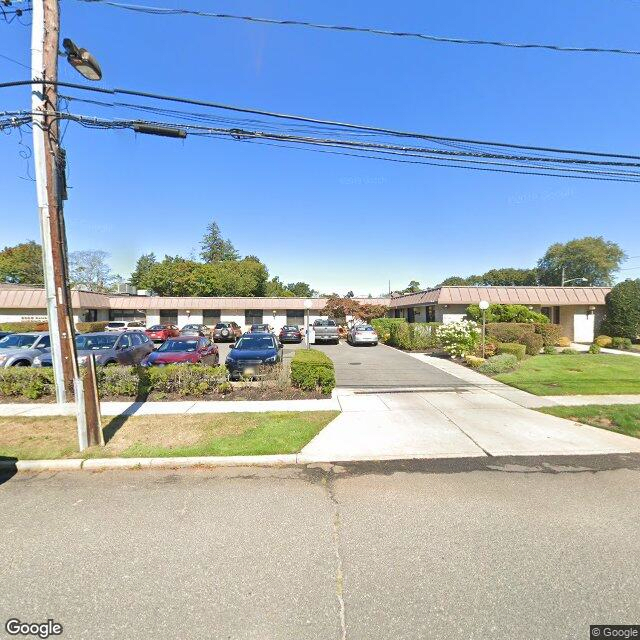
101 Elm St, Sayville, NY 11782
To contact a resident: (631) 244-2400
For more information about senior living options: (866) 208-4318
Overall Review of Good Samaritan Nursing Home
Pros
 The staff are well trained and diligent, and they respect residents as aging adults.
- The Memory Care Support Specialist provides engaging activities for residents year-round.
- Nick personally engages each resident in daily recreational exercises to enhance their routines.
- The facility is clean, and the staff are friendly and helpful.
- The staff are attentive and responsive to families, with prompt communication.
- The rehab team—nurses, aides, physical therapists, and social workers—are amazing and proactive in addressing issues.
- The facility is immaculate and accommodating, with a welcoming environment.
- The location by the water offers pleasant walks for residents.
Cons
 The staff were constantly rude, ignoring residents who were yelling for help.
- Some staff didn’t want to be bothered, leaving residents unattended.
- One staff member was found lying in the hall with filthy clothes, begging for help.
- The facility looked awful; the reviewer hopes never to have to stay there.
- There was a lack of care, with residents begging for help and CNAs not assisting those who needed a lot of help.
- Staff talked about residents and their families, which was described as a shame.
- The home had too many residents per aide, leaving not enough time with residents and a deteriorating quality of life.
Review
Good Samaritan Nursing Home in Sayville is best suited for families that want a care setting where staff engagement and family communication are prioritized, and where memory-care and rehabilitative needs can be managed with steady, personable attention. The community earns trust through reports of well-trained, respectful aides and nurses, with families noting regular updates on changes in care and a calendar rich in activities. Residents often encounter a homelike feel, clean spaces, and a waterfront locale that allows gentle outdoor time. For relatives seeking consistent, hands-on interaction from the care team and a facility that emphasizes daily programs designed to keep residents engaged, this community delivers.
Those considering alternatives should weigh the variability in day-to-day experience. Several reviews point to troubling gaps in care in certain moments, including reports of lengthy waits for assistance and observations of staff who seemed overwhelmed or inattentive. Instances described as rude behavior, neglect, or inadequate response to urgent needs raise a red flag for families with highly dependent loved ones. The concern about staffing ratios, too many residents per aide, along with mentions of facility upkeep and management strain, suggests that this is not a uniform experience and that some residents may fare better elsewhere.
On the positive side, the strongest pros center on the quality of individual caregivers and the culture of attentiveness when things are going well. Memory-care support is highlighted by specialists who design engaging activities and by a team that appears genuinely invested in residents’ quality of life. The rehab program receives particular praise: nurses, aides, physical therapists, and social workers who are on top of issues, running timely tests, and maintaining momentum in recovery. Cleanliness and home-like rooms reinforce a sense of dignity and comfort, while the accessibility to outdoor spaces and the water adds a beneficial, calming element for residents who enjoy a scenic environment.
Yet the most credible concerns hinge on consistency. When staff time and attention wane, the same care team that shines on good days can fall short, leaving families worried about basic needs being met promptly. Reports of residents left in wet conditions, or caregivers who seemingly lack the capacity to respond, cannot be dismissed. Such contradictions point to a facility with potential for excellent care but with real risk of subpar experiences, especially for residents who require constant, highly vigilant supervision or for those approaching end-of-life or intensive rehabilitation.
For families weighing a choice, a practical decision framework matters. Take formal steps to vet staffing realities: request current nurse-to-resident and aide-to-resident ratios, observe a shift to gauge responsiveness, and insist on speaking with nursing leadership about how care plans are updated and communicated. Ask for recent rehab outcomes, the cadence of physician follow-ups, and how memory-care routines are adjusted to evolving needs. A trial visit can reveal whether the daily environment aligns with expectations for compassionate, timely care, and whether family members can secure reliable contact with the care team.
In the final assessment, Good Samaritan offers a solid core: capable staff, meaningful activity programming, clean, comfortable surroundings, and a welcoming, home-like atmosphere. The facility’s strength in rehabilitation support and proactive family communication is a meaningful differentiator. However, the variability in care experiences means this community is not a universal fit. Families should enter with a clear care plan, insist on staffing transparency, and prepare to monitor ongoing needs closely. For those who prize a personal touch and consistent rehab momentum, and are willing to actively partner with the staff, this community can be the right match. For others seeking unwavering, uniformly high-level care across all shifts, it may be prudent to evaluate closely aligned options.
 Skilled Nursing Facility
 Long Island - MacArthur (5 miles away)



 Ten Vital Duties of a Senior Caregiver: A Comprehensive Guide
 9 Stimulating Memory Activities for Seniors: Puzzles, Cards, and Much More
 Managing Nursing Home Expenses After Medicare Coverage Ends