For more information about senior living options: (866) 208-4318
2.9 from 55 reviews
5 stars
24
4 stars
3
3 stars
0
2 stars
0
1 stars
28
Overall Review of Newfane Rehab & Health Care Center
caveat21 reviews mention this
Neglect and unsafe conditions cited
Multiple residents’ family members describe neglect, delays, and unclean or unsafe conditions.
A recurring concern in the reviews is care that felt delayed or incomplete, including slow call-light response and residents not being turned or changed regularly. Several reviewers also describe dirty conditions and unpleasant odors, with some mentioning residents left in wheelchairs or in unsafe positions. Others report medical follow-through concerns and describe outcomes that left them feeling their loved one was not properly supported.
common5 reviews mention this
Food gets strong split reviews
Food is a clear point of disagreement, with some calling it poor and others praising meals.
Dining comes up frequently with sharply different experiences. Some reviews describe food as terrible or disgusting, and one mentions residents’ food being served cold. On the other hand, at least one reviewer whose family member was there for PT says the food drew praise, including specific favorites and breakfasts.
differentiator4 reviews mention this
Rehab and PT draw praise
Residents describe meaningful physical therapy support alongside mixed overall experiences.
Several reviews mention physical therapy as a strength, including references to strong PT specialists and a good PT program. At the same time, other reviews question whether therapy plans were followed and describe therapy being stopped when conditions changed. The community’s services align with skilled nursing rehab support and help with activities of daily living and medication management.
common11 reviews mention this
Staff warmth reported alongside rude
Reviews include both genuinely helpful staff experiences and complaints about unresponsiveness and rudeness.
Many reviewers describe nurses and aides as friendly, pleasant, attentive, and willing to help, including positive accounts of communicating with social work and the floor nurse. Other reviews, however, say staff ignored concerns, were rude, or failed to provide timely assistance. This mix shows that family experiences with day-to-day responsiveness appear inconsistent across reviews.
common2 reviews mention this
Nearby medical access is close
The location includes nearby pharmacy and hospital options within about a mile.
For families who want quick access to essentials, the listing shows nearby pharmacies and hospital locations close to the community. That said, reviews still include concerns about medical follow-through in specific situations, so proximity alone doesn’t appear to remove the care issues raised by some families.
How we summarize
Counts show how many written reviews mention each theme; a review can touch several themes, and only frequently mentioned themes are displayed.
Features
Housing
165 resident community capacity
Types of Care
Skilled Nursing Facility
Amenities
Air-conditioning
Beauty salon
Cable or satellite TV
Computer center
Dining room
Fitness room
Fully furnished
Gaming room
Garden
Housekeeping services
Kitchenette
Move-in coordination
Outdoor space
Private bathrooms
Restaurant-style dining
Small library
Telephone
Wellness center
Wi-Fi/high-speed internet available
Transportation
Buffalo Niagara International (24 miles away)
Community operated transportation
Transportation arrangement
Transportation arrangement (non-medical)
Transportation to doctors appointments
Care Services
12-16 hour nursing
24-hour call system
24-hour supervision
Activities of daily living assistance
Assistance with bathing
Assistance with dressing
Assistance with transfers
Diabetes diet
Meal preparation and service
Medication management
Mental wellness program
Special dietary restrictions
Dining
Diabetes diet
Special dietary restrictions
Activities
Community-sponsored activities
Concierge services
Fitness programs
Planned day trips
Resident-run activities
Scheduled daily activities
Nearby Places of Interest
Pharmacies
The Medicine Shoppe Pharmacy (0.6 miles)
Newfane Pharmacy (0.6 miles)
Wilson Community Pharmacy (6.8 miles)
Top's Markets (7.6 miles)
Walgreens (7.9 miles)
Rite Aid (8.2 miles)
Rite Aid (8.9 miles)
Hospitals
Inter-Community Memorial Hospital (0.6 miles)
Eastern Niagara Hospital (0.6 miles)
Newfane Hospital Annex (0.7 miles)
Eastern Niagara Hospital (7.4 miles)
Lockport Memorial Hospital (7.4 miles)
Women's Health Center (15.6 miles)
Medina Memorial Hospital (15.6 miles)
Restaurants
Live Edge Brewing Company (3.2 miles)
McDonald's (4.3 miles)
Reid's (6.9 miles)
Lockport Locks & Erie Canal Cruises (7.5 miles)
Sunset Bar & Grill (7.5 miles)
Lake Effect Ic (7.8 miles)
Lock 34 Bar & Grill (7.8 miles)
Physicians
Frederick J Piwko (3.8 miles)
Lockport Hearing Consultants (7.6 miles)
Niagara County Department of Health (7.6 miles)
Legarreta Eye Center (8.7 miles)
Woodbridge Psychiatry Lockport (8.7 miles)
Dr Gilkar (8.8 miles)
Lockport Pediatrics (8.9 miles)
Parks
Outwater Memorial Park (7.2 miles)
Wilson Tuscarora State Park (8.1 miles)
Niagara County RC Field (8.3 miles)
Royalton Ravine County Park (10.3 miles)
Golden Hill State Park (11.9 miles)
Starpoint Intermediate Playground (12.4 miles)
Cafes
Wandering Gypsy Brewing Company (8.3 miles)
Panera Bread (9.5 miles)
Tim Hortons (9.7 miles)
Shirt Factory Cafe (16.1 miles)
Tim Hortons (16.2 miles)
Tim Hortons (17.1 miles)
Places of Worship
Salt And Light Festival (9.1 miles)
Church of Jesus Christ of Latter Day Saints (9.9 miles)
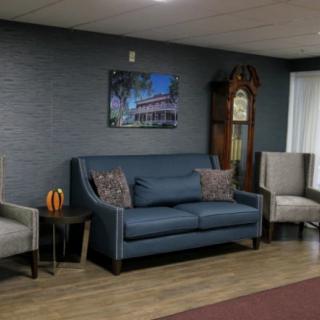
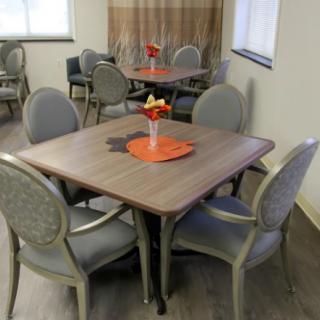
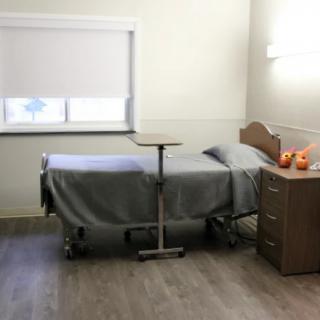
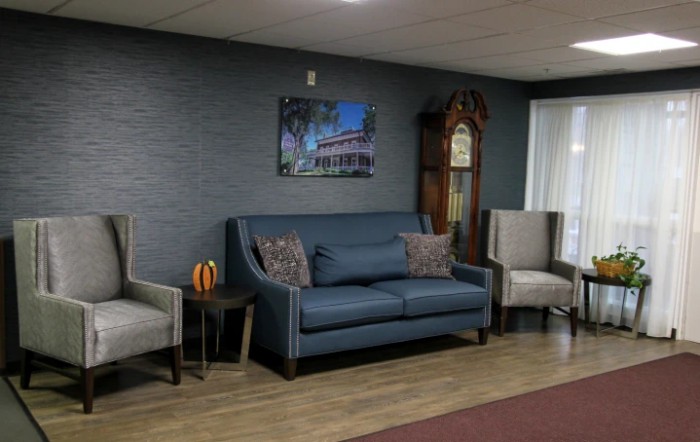
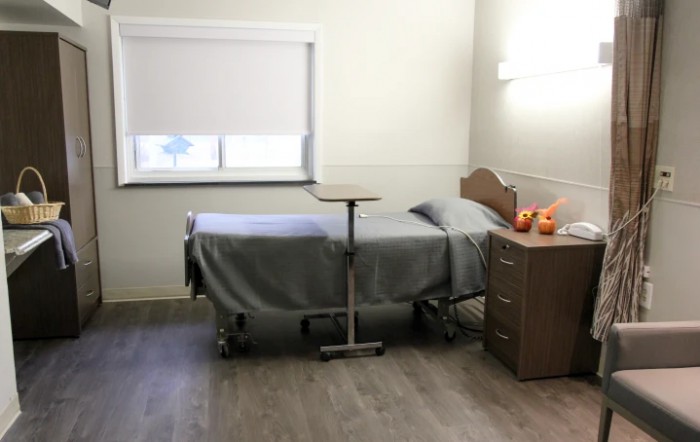
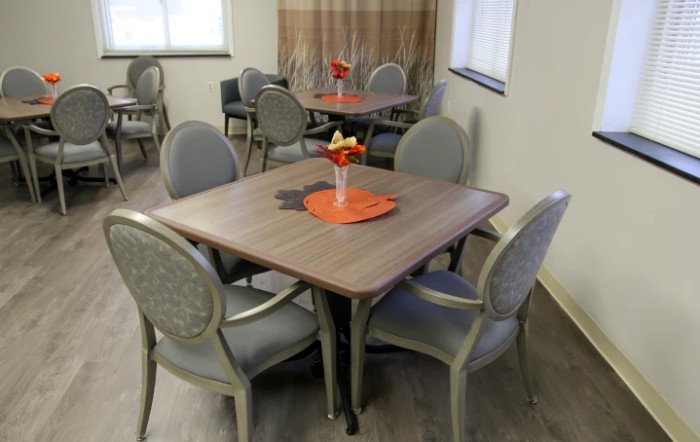
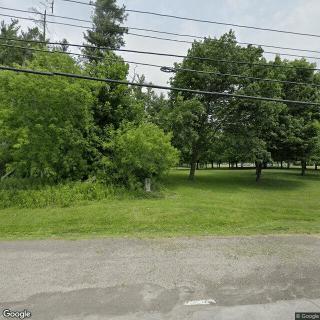
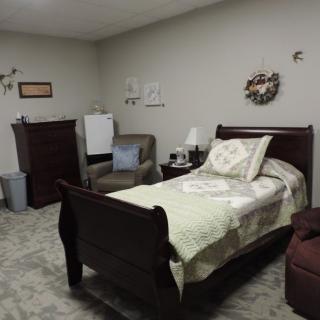
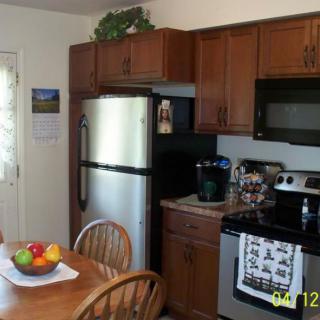
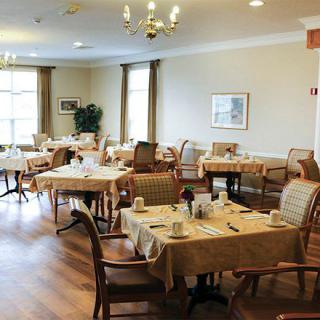
Newfane Rehab & Health Care Center on seniors.fyi includes 3 photos including images showing interior, living room, painting, bedroom, minimalist, dining, decor, and more.
Nearby Communities
Elderwood At Lockport
Lockport, NY
3.2 from 35 reviews
Knowledgeable, attentive staff and engaging activities; improved cleanliness after management change.
Odd Fellows Home
Lockport, NY
Excellent neighborhood access to dining, parks, and healthcare.
Mount View Health Facility
Lockport, NY
4.1 from 17 reviews
$4,000 / month
Strong access to nearby healthcare, dining, and parks for convenience.
Mount View Assisted Living
Lockport, NY
3.8 from 23 reviews
$4,233 / month
Varied dining options and engaging activities with friendly staff and well-maintained private rooms.
Urban Park Towers
Lockport, NY
3.2 from 12 reviews
$500 / month
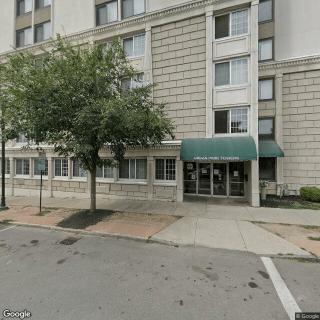
Very affordable studio living with accessible amenities and nearby medical, dining, and recreational options.
Lockport Presbyterian Home
Lockport, NY
4.6 from 43 reviews
$2,310 to $4,410 / month
Friendly, attentive staff in a clean, active environment with caring resident relationships.
Heritage Manor Of Lockport
Lockport, NY
4.9 from 18 reviews
$3,425 to $4,400 / month
Caring, professional staff in a clean, home-like setting with engaging activities.
Absolut Center For Nursing & Rehab Gasport
Gasport, NY
3.6 from 74 reviews
Compassionate staff who treat residents with dignity and engage families.
Brookdale Niagara
North Tonawanda, NY
4.4 from 44 reviews
$5,390 to $6,410 / month
Strong sense of community with caring staff and personalized attention in a clean, welcoming setting.
The guide on blood pressure charts for older adults stresses the importance of understanding normal and high blood pressure readings influenced by age, genetics, and lifestyle, while emphasizing regular monitoring and lifestyle modifications to prevent serious health issues. It provides insights into blood pressure categories, dietary recommendations, medication considerations, and the role of caregivers in supporting healthy habits.
The article explores the complexities of using Social Security to finance long-term nursing home care in the U.S., detailing eligibility requirements and misconceptions, while emphasizing that these benefits often do not cover full costs and highlighting the need for strategic financial planning and professional guidance.
Pneumonia significantly affects older adults due to weakened immune systems and atypical symptoms that complicate diagnosis, necessitating early detection and tailored treatment. Risk factors include chronic diseases and cognitive impairments, with preventive measures like vaccinations and healthy lifestyles being crucial for reducing risk.
Get PricingAsk A QuestionSchedule A TourContact Senior Advisor
By clicking submit, you agree to our Partner's Terms of Use. You
also consent to receive calls and texts, which may be autodialed, from our Partner. Your consent is not a condition to
using our Partner's service. Please visit our Partner's Privacy Policy for information about their privacy practices.

 165 resident community capacity
 Skilled Nursing Facility
 Air-conditioning
 Beauty salon
 Cable or satellite TV
 Computer center
 Dining room
 Fitness room
 Fully furnished
 Gaming room
 Garden
 Housekeeping services
 Kitchenette
 Move-in coordination
 Outdoor space
 Private bathrooms
 Restaurant-style dining
 Small library
 Telephone
 Wellness center
 Wi-Fi/high-speed internet available
 Buffalo Niagara International (24 miles away)
 Community operated transportation
 12-16 hour nursing
 24-hour call system
 Activities of daily living assistance
 Assistance with bathing
 Assistance with dressing
 Assistance with transfers
 Diabetes diet
 Medication management
 Mental wellness program
 Special dietary restrictions
 Concierge services
 Planned day trips
 Knowledgeable, attentive staff and engaging activities; improved cleanliness after management change.

 Comprehensive Guide to Blood Pressure Charts for Older Adults: Understanding Normal and High Readings by Age
 Financing Long-Term Nursing Home Care Through Social Security: A Thorough Exploration
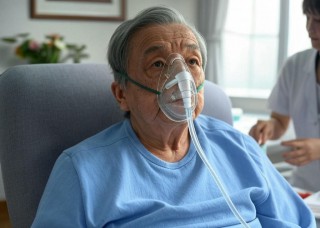 Essential Knowledge on Pneumonia in Older Adults