Overall Review of The Hamlet Rehabilitation and Heath Care Center at Nesconset
differentiator18 reviews mention this
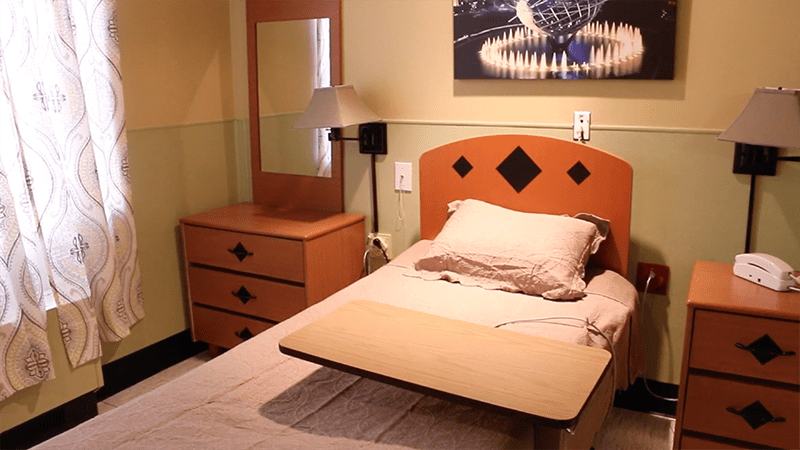
Clean facility with hotel-like feel
Residents and visitors repeatedly describe a spotless, fresh-feeling environment.
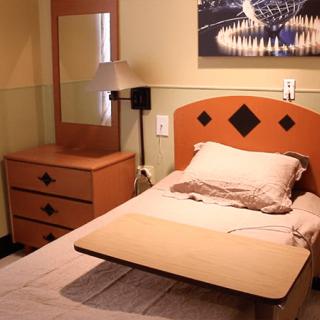
Many reviews highlight cleanliness right away, with people noting spotless rooms and common areas, no hospital-like odor, and a building that looks more like a hotel than a typical rehab setting. Multiple reviewers also mention staff keeping rooms and housekeeping areas well maintained during their stay. Even in mixed reviews, cleanliness is sometimes mentioned as better than expected, though other care concerns still appear.
common29 reviews mention this
Care teams and communication stand out
Residents and families often describe staff as attentive, kind, and supportive.
A large share of reviews focus on staff behavior—kindness, attentiveness, and people who answer questions and follow up. Families frequently praise specific nurses, aides, therapists, concierge, and social workers for responsiveness and guidance, including helping with transitions and paperwork. Communication comes up often as a reason families felt at ease during rehab and skilled nursing stays.
caveat8 reviews mention this
Delays, dismissiveness, and staffing strain
Several residents describe call-bell and coverage gaps that left them waiting too long.
While many reviews are positive, some residents and families report moments when care did not feel adequately covered, including delayed responses after calling for help and unresponsiveness to concerns. A few reviews also describe staff treating patients or family members poorly, along with problems around documentation, follow-through, or communication between departments. These complaints often center on missed or delayed attention rather than friendliness in general.
common7 reviews mention this
Recreation, music, and parties matter
Activities and recreation are a frequent part of the stay experience.
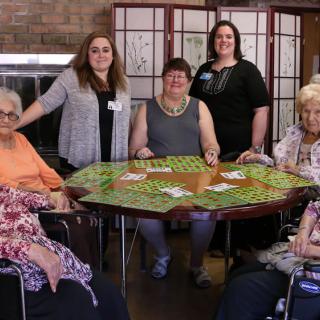
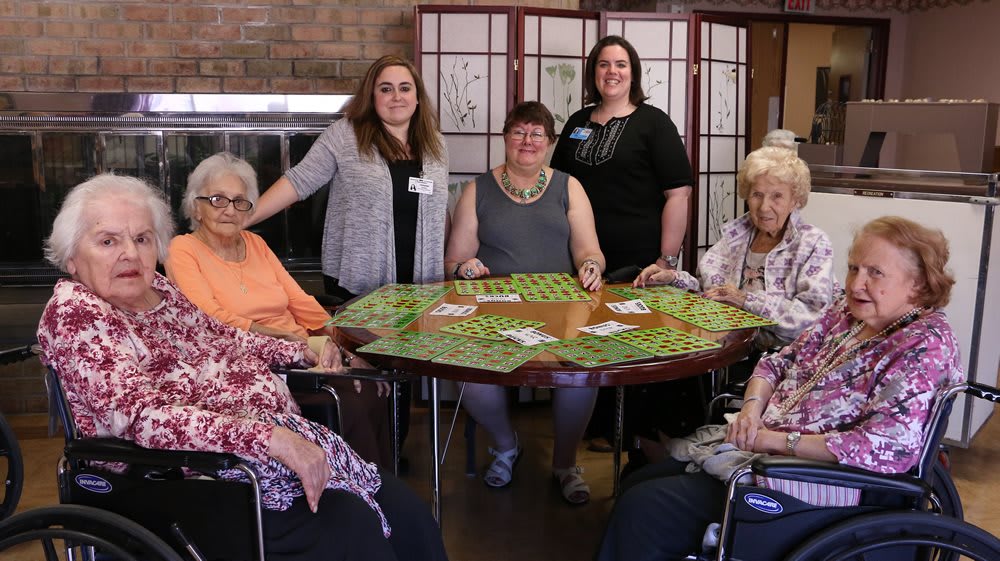
Multiple reviewers describe an active recreation approach, including live music, games, crafts, and resident get-togethers like birthdays. Some families specifically thank the recreation team for planning celebrations with thoughtful details and a participatory feel. A few reviews also frame recreation as one of the reasons residents stayed engaged and upbeat during rehab.
caveat4 reviews mention this
Food is mixed across diets
Food reviews range from fine to disappointing, especially on specific diets.
Some residents and visitors say meals were good, fine, or enjoyable, and a few mention special-event food being a highlight. Others describe dissatisfaction, including comments about food being inedible or not suiting a required diet. Because reviews conflict, it’s worth clarifying diet needs and daily meal expectations before committing.
How we summarize
Counts show how many written reviews mention each theme; a review can touch several themes, and only frequently mentioned themes are displayed.
Features
Housing
240 resident community capacity
Types of Care
Skilled Nursing Facility
Amenities
Activities off-site
Activities on-site
Air-conditioning
Beautician on-site
Beauty salon
Cable or satellite TV
Computer center
Dining room
Fitness room
Fully furnished
Gaming room
Garden
Housekeeping services
Indoor common areas
Kitchenette
Move-in coordination
Outdoor common areas
Outdoor space
Private bathrooms
Respite or short term stays offered
Restaurant-style dining
Small library
Telephone
Wellness center
Wi-Fi/high-speed internet available
Transportation
Long Island - MacArthur (5 miles away)
Community operated transportation
Transportation arrangement
Transportation arrangement (non-medical)
Transportation to doctors appointments
Care Services
12-16 hour nursing
24-hour call system
24-hour supervision
Activities of daily living assistance
Assistance with bathing
Assistance with dressing
Assistance with transfers
Diabetes diet
High acuity care
Incontinence care
Meal preparation and service
Medication management
Mental wellness program
Special dietary restrictions
Dining
Diabetes diet
Meals provided
Special dietary restrictions
Activities
Activities off-site
Activities on-site
Community-sponsored activities
Concierge services
Fitness programs
Planned day trips
Resident-run activities
Scheduled daily activities
Nearby Places of Interest
Nesconset, New York, offers a variety of convenient amenities for seniors looking to settle in the area. With a selection of restaurants, ranging from fast food options like Taco Bell and McDonald's to more upscale choices like Bahama Breeze and Garden Grill, there is something to suit every palate. Additionally, there are several reputable healthcare providers nearby, such as Endocrine Associates of Long Island and Northwell Health Imaging at Smithtown, ensuring easy access to medical services. For leisure activities, residents can enjoy a trip to the AMC Stony Brook 17 or Island 16 Cinema de Lux theaters, or take a stroll through one of the nearby parks like Avalon Park & Preserve or Sunken Meadow State Park. The close proximity of transportation options like the LIRR Ronkonkoma Station and Long Island MacArthur Airport makes travel convenient for those looking to explore beyond Nesconset. Overall, Nesconset provides a well-rounded living environment with essential services and recreational opportunities for seniors seeking a comfortable and accessible neighborhood.
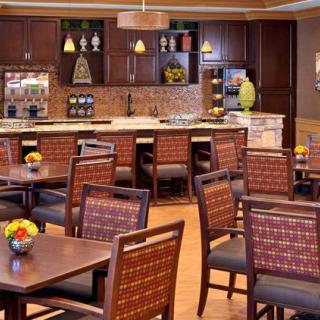
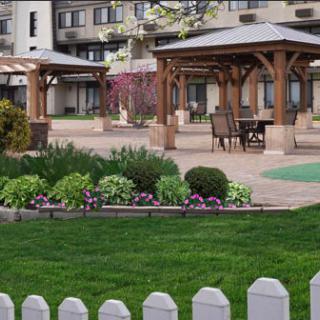
The Hamlet Rehabilitation and Heath Care Center at Nesconset on seniors.fyi includes 6 photos including images showing healthcare, bedroom, interior, rehabilitation, kitchen, cooking, painting, and more.
Nearby Communities
Amber Court of Smithtown
Nesconset, NY
4.6 from 107 reviews
$4,600 to $6,600 / month
Strong staff support, clean environment, and a wide range of activities.
Olsen Rest
Nesconset, NY
5 from 10 reviews
Comprehensive 24/7 care with meals, wellness programs, and activities
Olsen Rest Home
Nesconset, NY
4.1 from 28 reviews
$3,000 / month
Home-like small community with attentive staff and clean surroundings.
Sylvie's Cove
Nesconset, NY
4 from 2 reviews
$2,500 to $5,000 / month
Homely atmosphere with efficient, compassionate care.
Sunrise of Smithtown
Smithtown, NY
4.3 from 76 reviews
$6,870 to $9,390 / month
Caring, professional staff in a clean, welcoming community with engaging activities.
Smithtown Center For Rehabilitation & Nursing Care
Smithtown, NY
4.6 from 134 reviews
Caring staff and effective rehabilitation in a clean, welcoming setting.
The Bristal At Lake Grove
Lake Grove, NY
4.5 from 123 reviews
$4,900 to $8,200 / month
Attentive staff and engaging activities
The Arbors at Islandia - East and West
Hauppauge, NY
4.2 from 107 reviews
$3,700 to $5,600 / month
Friendly, attentive staff; clean facilities; engaging activities and good communication.
The Arbors At Islandia West
Islandia, NY
4 from 84 reviews
Caring staff, spacious, well-maintained private rooms, and a robust activity program.
Caregiving for an aging parent entails emotional and financial responsibilities accompanied by significant tax implications, including potential benefits from claiming them as dependents and deductions for medical expenses and caregiving costs. Caregivers must understand eligibility requirements, maintain thorough documentation, and consider consulting a tax professional to navigate these complexities effectively.
Low-impact exercises are vital for seniors as they promote health, independence, and social interaction while reducing joint strain. These adaptable activities, guided by healthcare professionals, enhance strength, flexibility, and emotional well-being.
The guide details the tax deductibility of in-home healthcare expenses according to IRS guidelines, differentiating between medically necessary services and non-medical assistance, while emphasizing the need for proper documentation and itemization requirements. It also highlights state-level variations, the importance of record-keeping, and encourages seeking professional tax help to understand evolving regulations.
The Hamlet Rehabilitation and Heath Care Center at Nesconset photos
×
Interior
Bedroom
Kitchen
Healthcare
Interior
Bedroom and Painting
Kitchen and Cooking
Healthcare
Rehabilitation
Get PricingAsk A QuestionSchedule A TourContact Senior Advisor
By clicking submit, you agree to our Partner's Terms of Use. You
also consent to receive calls and texts, which may be autodialed, from our Partner. Your consent is not a condition to
using our Partner's service. Please visit our Partner's Privacy Policy for information about their privacy practices.



 240 resident community capacity
 Skilled Nursing Facility
 Activities off-site
 Air-conditioning
 Beautician on-site
 Cable or satellite TV
 Computer center
 Dining room
 Fitness room
 Fully furnished
 Gaming room
 Garden
 Housekeeping services
 Indoor common areas
 Kitchenette
 Move-in coordination
 Outdoor common areas
 Private bathrooms
 Respite or short term stays offered
 Restaurant-style dining
 Small library
 Telephone
 Wellness center
 Wi-Fi/high-speed internet available
 Long Island - MacArthur (5 miles away)
 Community operated transportation
 12-16 hour nursing
 24-hour call system
 Assistance with bathing
 Assistance with dressing
 Assistance with transfers
 Diabetes diet
 High acuity care
 Incontinence care
 Medication management
 Mental wellness program
 Special dietary restrictions
 Concierge services
 Planned day trips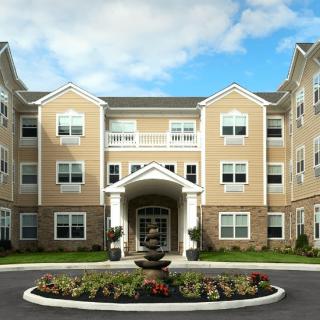
 Strong staff support, clean environment, and a wide range of activities.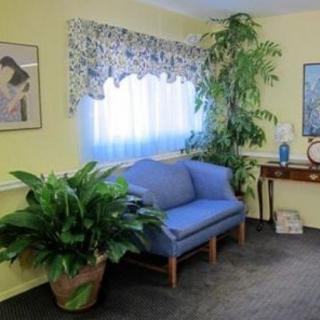


 Navigating the Tax Landscape of Caregiving: Credits, Deductions, and Beyond
 Highly Beneficial Low-Impact Exercises for Senior Living Residents
 Is In-Home Healthcare Tax Deductible? Your Comprehensive Guide