

PO Box 729 45 Sixth St, Malone, NY 12953
To contact a resident: (518) 483-3000
For more information about senior living options: (866) 208-4318
Overall Review of Alice Hyde Medical Center SNF
Pros
 The staff here genuinely care about their patients.
- They work hard to ensure everyone is properly taken care of.
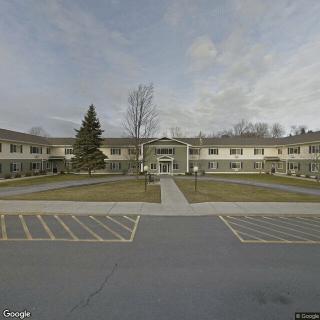
- The facility is excellent.
Cons
 The reviewer notes that medication billing was for 30 days through a pharmacy service, and attempts to correct it went unanswered for months.
- The reviewer states that leaving messages yielded no responses and callbacks were never returned.
- The reviewer says the pharmacy service cannot make changes, and Alice Center should have sent the medications home but did not.
- The reviewer expresses concern about missing 24 days' worth of at least nine different medications.
- The reviewer claims there was no help from Alice Center and questions how many people are being ripped off.
- The reviewer states there is no cooperation from the center.
- The reviewer describes the facility as very short-staffed, with the nurses' station unreachable, no one returning calls, and patient care described as horrible.
Review
Alice Hyde Medical Center SNF in Malone, NY is best suited for short-term rehab patients who value a calm, clean environment and frontline staff who demonstrate genuine care in daily interactions. Families that are willing to take an active role in coordinating care, tracking medications, and communicating with the facility will likely find the setting workable. It is not the right fit for those who require near-constant nurse availability, rapid return calls, or flawless medication management, especially when discharge timing and complex regimens are involved.
Those who may want to consider alternatives are clear: if reliable nurse responsiveness and meticulous medication reconciliation are non-negotiable, look for facilities with demonstrated stronger staffing ratios and more integrated pharmacy processes. If the plan hinges on predictable, timely communication and proactive discharge planning, explore other SNFs where administration emphasizes systematic communication, guaranteed call-backs, and dedicated care coordinators. For residents with intricate med schedules or sensitive controlled substances, a facility with a proven, frictionless med-handling workflow is worth prioritizing.
On the positive side, the strongest assets are the people and the physical setting. The staff’s evident dedication and the well-maintained facility create a foundation of trust and comfort that can make the rehabilitation process less stressful. In environments like these, residents tend to experience steadier daily routines, respectful interactions, and a sense of dignity during recovery. For families, that means a baseline of reassurance about the atmosphere in which recovery unfolds, which should not be underestimated when navigating post-acute care.
But the main drawbacks cannot be ignored. Short-staffed conditions manifest as blocked pathways to the nurses station and a pattern of unanswered calls, which translate into slower responses for routine needs, pain control, and urgent questions. When minutes matter, delays in assistance can erode the patient’s experience and safety net. The most troubling element for many families is the billing and medication-management quagmire: mismatches in medications dispensed versus what is billed, delays in getting meds home with the patient, and confusion surrounding controlled substances. These issues raise legitimate concerns about continuity of care and patient safety.
The pros and cons must be weighed against each other to determine whether this SNF is the right fit. The dedicated staff and clean, reassuring environment are meaningful advantages that can sustain a patient during a rehab stay, particularly when families can provide proactive oversight and timely follow-up. Yet the persistent communication gaps and medication-management instability may blunt those strengths, especially for seniors who depend on precise med schedules and clear, rapid nursing support. In practical terms, this means outcomes will hinge on how effectively families or appointed guardians can engage, document, and escalate issues as they arise.
Ultimately, a candid decision hinges on risk tolerance and support capacity. For families able to commit to vigorous advocacy, tracking meds, scheduling frequent check-ins, and ensuring a named point of contact at the facility, Alice Hyde Medical Center SNF can still serve as a reasonable option that delivers a respectful environment and compassionate staff. For those unable to absorb potential delays, unreturned calls, or med-reconciliation fragility, it is prudent to compare alternatives with stronger staffing, tighter pharmacy coordination, and more reliable discharge planning. Before choosing, secure a concrete care plan, confirm a designated liaison, and verify the facility’s med-handling procedures and escalation steps. If staying, implement a practical plan: designate a caregiver to triage calls, schedule routine medication reviews, and insist on regular updates from a committed care coordinator.
 Skilled Nursing Facility





 In-Home Care Costs in 2025: A Detailed State-by-State Exploration
 Understanding Home Health Care: A Comprehensive Guide
 Home Health Care Demystified: A Comprehensive Guide for Families and Caregivers