
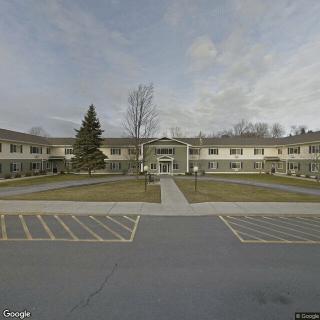
45 Sixth Street, Malone, NY 12953
For more information about senior living options: (866) 208-4318
Overall Review of The Alice Center
Pros
 The staff are excellent and the facility is well-regarded.
 - The people who work there really care about their patients and work hard to ensure everyone is properly cared for.
Cons
 There was no help from Alice Center; calls were not returned for months.
- Billing for medications (30 days through a pharmacy service) was incorrect, and attempts to fix it were ignored.
- Alice Center did not send home the medications as expected, leaving the patient to request them themselves.
- The center is short-staffed, making it impossible to reach the nurses station and no one returns calls.
- Patient care there is horrible.
- They fear many people may be ripped off due to these issues.
Review
The Alice Center in Malone, NY is best suited for families seeking a small, hands-on setting where frontline caregivers visibly invest in daily well‑being and recovery. This community fits residents entering short‑term rehabilitation who value a caring, personal staff dynamic and a facility that feels manageable and intimate. The real caveat is that reliable administrative support and seamless communication cannot be assumed; family or a trusted representative will need to actively oversee billing, medication distribution, and ongoing follow‑through with administration. In short, it works for those who can supervise care transitions and financial matters, rather than expecting flawless system-wide efficiency.
Alternatives should be on the table for families prioritizing dependable medication management, consistently accessible nursing staff, and proactive, timely communication. If medication reconciliation is a recurring issue, if calls to the nursing station routinely go unanswered, or if clear, transparent billing and problem resolution are non-negotiables, a different community with stronger operational discipline may offer greater peace of mind. This is not a purely clinical question, it is an operational one, and that distinction matters.
The strongest positives reside in the human element and the core facility readiness. Reviewers consistently note that the staff genuinely cares about patients and works hard to ensure proper attention and care. The environment supports rehab through a stable, approachable atmosphere and a sense that patients are seen as individuals rather than numbers. That commitment translates into meaningful comfort and reassurance for residents and families who prioritize genuine interpersonal support and a respectful care culture during recovery.
Yet the downsides are tangible and repeatedly documented. Staffing shortages translate into a nursing station that is hard to reach and calls that go unreturned, creating real safety and satisfaction risks. Billing and medication handling also raise red flags: medications not aligned with discharge or home plans, miscommunications with the pharmacy, and delays that leave families scrambling to correct errors. There is even a troubling thread about controlled substances and accountability, which underscores the potential for financial and health consequences if oversight slackens. These operational fragilities cut against the otherwise solid caregiving foundation.
Overall, the pros and cons do not cancel each other out. The care-oriented staff and the solid facility framework provide genuine value in a rehab context, but persistent staffing gaps and administrative breakdowns undermine reliability and create ongoing stress for those overseeing a loved one’s care. The compassionate, hands-on nature of the team can offset a portion of risk, yet it does not erase the fragility of communication and billing processes. For families able to commit to vigilant oversight, the center remains a viable option for recovery. For longer-term stays or for those who require unwavering administrative reliability, the cons are likely to outweigh the perceived benefits.
Practically, families weighing The Alice Center should demand concrete arrangements before admission: designate a liaison for ongoing billing questions, secure a documented medication management protocol, and insist on regular progress updates with clear escalation paths for nurse contact. Verify the pharmacy workflow, ensure discharge meds are reconciled, and set expectations around response times for back-and-forth communication. If these assurances cannot be codified, if calls remain unanswered, if med management remains opaque, or if billing integrity cannot be demonstrated, then pursuing alternatives with stronger staffing stability and more disciplined operations is prudent, even if that means selecting a larger, more systematized community.
 30 resident community capacity
 Assisted Living
 Skilled Nursing Facility
 Beauty salon
 Cable or satellite TV
 Dining room
 Fully furnished
 Garden
 Housekeeping services
 Kitchenette
 Move-in coordination
 Outdoor space
 Restaurant-style dining
 Small library
 Telephone
 Wi-Fi/high-speed internet available
 24-hour call system
 Activities of daily living assistance
 Assistance with bathing
 Assistance with dressing
 Assistance with transfers
 Diabetes diet
 Medication management
 Mental wellness program
 Special dietary restrictions





 Funding and Affording Assisted Living: A Thorough Overview
 Assisted Living Expenses and Long-Term Care Insurance: A Comprehensive Exploration
 Securing Financial Support for Assisted Living: A Comprehensive Overview