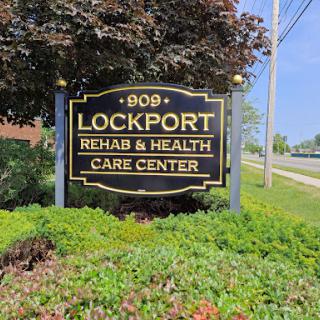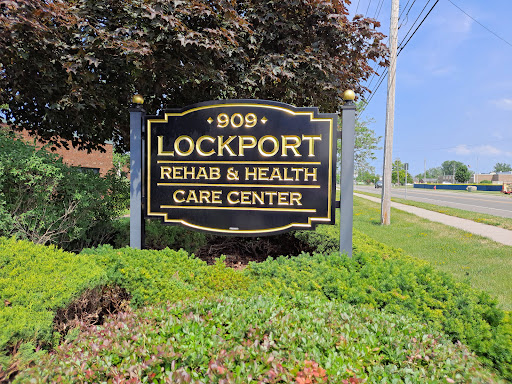
909 Lincoln Avenue, Lockport, NY 14094
For more information about senior living options: (866) 208-4318
Overall Review of Lockport Rehab & Health Care Center
Pros
 The PT team did everything possible to help him get whole again.
- Natalie and Candice are the best.
- Some staff members have provided excellent care.
- The nurse at reception was very helpful in ensuring proper sign-in and arrangements.
- The grandmother particularly enjoyed walks outside and seeing the birds in the spring.
- The staff here really cares for everyone staying here.
- There is plenty of room for everyone, which is better than the previous crowded facility.
- The staff is very caring, considerate, and professional.
Cons
 The facility should be closed; the food is horrible and patients are not bathed.
 - Post-surgical patients are not monitored for signs of clotting, and staffing levels are low with the remaining staff not working as a team.
- The owners care more about money, and families have to pay out of pocket for basic amenities like television and phone.
- There are accusations of abuse and fraud against the facility.
- Patients have been left in dirty, bloody bandages for days.
- The food quality is terrible, with examples like black bananas and two-day-old chicken.
Review
Lockport Rehab & Health Care Center is best suited for seniors who need focused, result-oriented rehabilitation, especially after orthopedic procedures or injuries, and for families who prioritize a strong physical therapy team. The standout asset is the PT department, praised for aggressive, responsive care that aims to restore mobility and function. The environment also shows scenes of genuine caregiver commitment, and the facility’s layout and space can support activities and outdoor strolls that many families value for recovery. On balance, however, the center works best when rehab outcomes are the primary goal and daily living tasks can rely on steady oversight from attentive staff.
Those weighing alternatives should recognize who may struggle here. Families needing reliable, daily hygiene, consistent bathing schedules, and uniformly high-quality meals may want to explore other options. Several reviews flag serious concerns about basic care routines, from long gaps between baths to inconsistent monitoring of wounds or post-operative conditions. Financial transparency and charges for essentials like television or phone service also emerge as red flags for residents on tight budgets or fixed incomes. In short, this center demands a clear emphasis on rehabilitation first and a tolerance for uneven daily care otherwise.
The strongest justification for choosing Lockport Rehab rests on the rehabilitative advantages. The rehab team is repeatedly described as capable, compassionate, and committed to getting residents back on their feet, with specific praise for therapists who deliver practical, results-driven therapy. The presence of caring staff at reception and in other roles contributes to a sense of accessibility and support, and the facility’s physical footprint, the space and room to move, can enhance comfort during recovery. For families whose primary concern is recovery milestones and functional gains, these positives can translate into meaningful progress in a relatively short period.
Yet the cons are not incidental; they pose real, practical barriers to everyday well-being. Reports of days and even a week without showers or hair beyond basic grooming create a tension with the rehab focus, since hygiene materially affects mood, skin integrity, and infection risk. Meal quality and consistency appear to erode experience and appetite, which can undermine energy for therapy and general progress. Staff coordination, especially in non-therapy areas, is described as uneven, with some caregivers doing their best within a stretched system but others failing to meet expectations. The most troubling notes allege under-staffing, insufficient monitoring of medical needs after procedures, and accusations that administrative priorities skew toward cost containment rather than resident welfare. When basic safety and comfort gaps exist, every therapy session’s potential is compromised.
From a decision standpoint, families should approach with a clear plan. Schedule comprehensive tours focusing on daily routines: bathing schedules, meal service, wound care, and post-surgical monitoring protocols. Talk directly with the PT team about anticipated therapy frequency, goals, and discharge planning. Request to review a resident’s daily care plan and ask how staffing levels shift across shifts to ensure consistent oversight. Confirm what is included in the monthly rate and what incurs additional charges, especially around room amenities, TV and phone access, and personal care tasks. If possible, speak with current residents or their families to gauge whether the day-to-day experience matches the rehab-focused promises.
In the end, Lockport Rehab & Health Care Center delivers a compelling if uneven proposition. For those prioritizing aggressive rehabilitation and a hopeful trajectory of regained function, the pros can outweigh the cons, provided basic daily care issues are not allowed to derail progress. For long-term living where ongoing hygiene, consistent meals, and reliable staffing are non-negotiable, the risks highlighted by several reviews suggest considering other options. The center’s strength is undeniable for rehab-first trajectories; its weaknesses require proactive management, transparent communication, and vigilant oversight by families who want to see steady, comprehensive care accompanying therapy.
 82 resident community capacity
 Skilled Nursing Facility
 Air-conditioning
 Beauty salon
 Cable or satellite TV
 Computer center
 Dining room
 Fitness room
 Fully furnished
 Gaming room
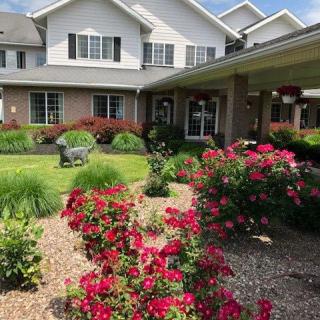
 Garden
 Housekeeping services
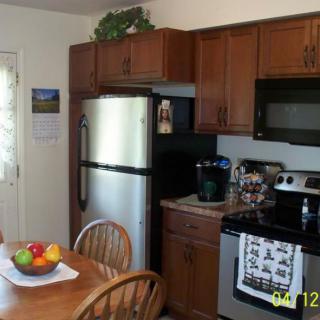
 Kitchenette
 Move-in coordination
 Outdoor space
 Private bathrooms
 Restaurant-style dining
 Small library
 Telephone
 Wellness center
 Wi-Fi/high-speed internet available
 Buffalo Niagara International (15 miles away)
 Community operated transportation
 12-16 hour nursing
 24-hour call system
 Activities of daily living assistance
 Assistance with bathing
 Assistance with dressing
 Assistance with transfers
 Diabetes diet
 Medication management
 Mental wellness program
 Special dietary restrictions
 Concierge services
 Planned day trips






 A Detailed Exploration of Living Wills and Advance Directives
 Comprehensive Guide to Medicare Coverage for Hospice Care
 Caring for Those Who Care: Recognizing, Understanding, and Overcoming Caregiver Burnout