


256 Sunset Lake Road, Liberty, NY 12754
To contact a resident: (845) 292-8640
For more information about senior living options: (866) 208-4318
Overall Review of Sullivan County Adult Care Center
Pros
 The facility is clean and the staff are empathetic and genuinely caring.
- The meals are excellent and well received by visitors.
- Residents have engaging activities and access to a small library for borrowing books.
- The staff go above and beyond, keeping families informed and involved.
- The environment feels safe, well-maintained, and conducive to good care.
- The facility comes highly recommended, with many praising its care and kindness.
Cons
 A reviewer alleges daily neglect at the facility.
 - A reviewer recounts multiple bed falls and questions about missing fall mats and unattended care.
- A reviewer claims a resident did not have a bowel movement for five days and did not receive timely medical attention.
- A reviewer states residents sat in fecal matter for hours, contributing to UTIs and other issues.
- A reviewer describes untreated bedsores and skin infections, including a severe bedsore.
- A reviewer describes staff as rude or unhelpful when concerns were raised and notes management only improved after contacting higher-ups.
Review
This community is best suited for seniors who want a home-like, caregiver-forward environment where daily routines are predictable, meals are accessible, and staff are often responsive to both residents and visiting families. It works well for residents coming out of hospital rehab or needing physical therapy support after orthopedic procedures, where hands-on assistance and structured activity calendars can support steady mobility gains. Families seeking regular communication, visible staff presence, and a program of social engagement will find value here. Those with high medical complexity, significant memory-care needs, or expectations of a clinically specialized setting should not assume this is the facility designed for ongoing complex treatment. Alternatives should be considered for residents who require robust physician oversight, advanced wound care, or memory-care programming with dedicated staff trained to manage dementia-specific challenges.
The strongest positives center on interpersonal warmth, cleanliness, and practical day-to-day care. Reviewers repeatedly highlight empathetic caregivers and a staff that is genuinely attentive to residents’ needs, often noting how nurses and aides interact in a respectful, forthcoming manner. The environment is described as clean and well-maintained, with residents who appear well cared for and engaged. Food quality receives frequent praise, with family visitors appreciating the meals during shared dining moments. The facility offers activities and a small library, contributing to cognitive and social stimulation that helps residents feel connected. For families prioritizing proactive communication, staff who call or update when there are medical or progress notes, and a visible effort to keep care transparent, this community tends to deliver consistently on those expectations.
Yet, the most serious caveats surface around staffing consistency and safety gaps. Several reviews portray understaffing as a systemic pressure point, with accounts of inconsistent care between shifts and delayed responses to basic needs. A few families describe alarming incidents, bedsores, extended periods without attention, and inadequate documentation, raising questions about monitoring, incident reporting, and responsiveness. Some residents are characterized as not receiving the level of oversight expected in an assisted-living setting, while others note improvements after advocating to leadership. The setting itself is described by some as older and more “nursing home” in feel than modern, with mixed impressions of how well the structure supports autonomy versus supervision. Taken together, these reports create a clear red flag for households where medical acuity or fall-risk is high.
The key pros, when paired with vigilant family engagement, can offset a number of these concerns, though not entirely for every resident. A warm, clean, well-run dining and social environment plus dependable rehab-oriented care can deliver meaningful quality of life gains, especially for those recovering from surgery or needing routine physical therapy. Proactive family involvement, requesting updated care plans, confirming call-system responsiveness, and scheduling regular visits, often correlates with better day-to-day consistency. The facility’s ability to keep residents engaged through activities and to maintain clear lines of communication helps smooth the potential rough patches caused by staffing variability. In short, the wins here are tangible for residents who can rely on steady routines and strong frontline staff while maintaining an active family role in care oversight.
This is not the obvious fit for residents with complex medical regimens, high memory-care needs, or expectations of uniformly high staffing levels around the clock. Families that require constant physician management, specialized wound care, or dementia-focused programming may want to survey competing options in the area that offer dedicated memory-care units or guaranteed higher staff-to-resident ratios. Pricing and perceived intensity of care can also tilt decisions; some reviewers perceive the setting as pricing aligned with higher expectations for medical accountability, which may not be consistently delivered depending on shifts and management. In short, consider alternatives if medical complexity, strict safety standards, or a modern, purpose-built memory-care environment are primary decision drivers.
The bottom-line verdict: Sullivan County Adult Care Center can be a strong, emotionally supportive choice for the right resident, the kind of place where families value visible caregiver warmth, clean surroundings, solid rehab outcomes, and reliable meal service, with the caveat that vigilance is essential. Prospective buyers should plan two in-person visits that assess staffing patterns across different shifts, speak with multiple caregivers and current families, and request recent care plans and incident reports. Verify housekeeping, meal satisfaction, and activity schedules, and probe the facility’s response protocols for falls or medical alarms. Confirm acceptable call-response times and request a tour of the rehabilitation spaces to confirm what post-hospital recovery looks like in practice. Above all, insist on concrete assurances that safety monitoring and documentation align with the level of oversight the resident will require. With careful diligence and engaged advocacy, this community can deliver a compassionate, capable home for many seniors.
 146 resident community capacity
 Day Program
 Skilled Nursing Facility
 Air-conditioning
 Beauty salon
 Cable or satellite TV
 Computer center
 Dining room
 Fitness room
 Fully furnished
 Gaming room
 Garden
 Housekeeping services
 Kitchenette
 Move-in coordination
 Outdoor space
 Private bathrooms
 Restaurant-style dining
 Small library
 Telephone
 Wellness center
 Wi-Fi/high-speed internet available
 Community operated transportation
 12-16 hour nursing
 24-hour call system
 Assistance with bathing
 Assistance with dressing
 Assistance with transfers
 Diabetes diet
 Medication management
 Mental wellness program
 Special dietary restrictions
 Concierge services
 Planned day trips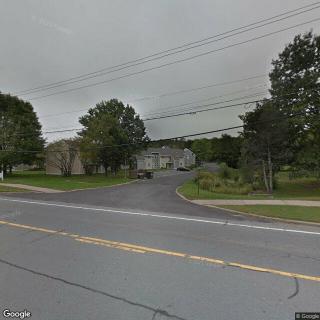

 Understanding the Nuances of Palliative Care and Hospice: A Comprehensive Exploration
 Fecal Incontinence in Older Adults: A Comprehensive Guide
 Recognizing the Journey: Understanding and Navigating Anticipatory Grief