
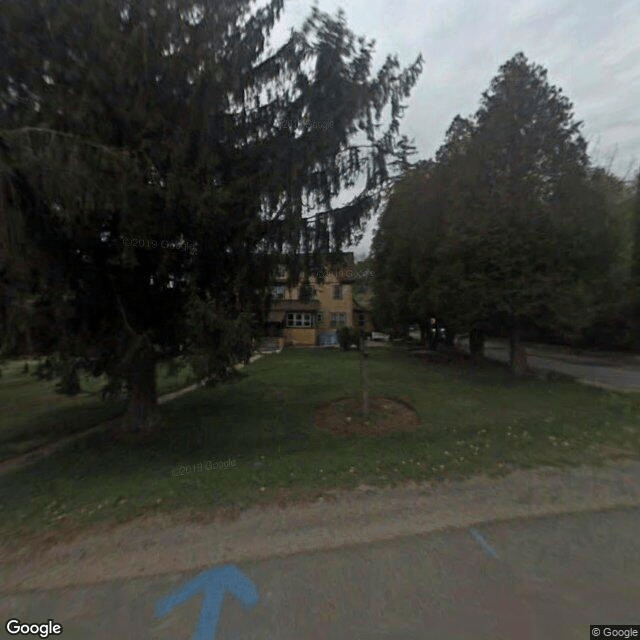
PO Box 247, Swan Lake, NY 12783
To contact a resident: (845) 292-6298
For more information about senior living options: (866) 208-4318
Overall Review of Swan Lake Adult Home
Cons
 The food here is god-awful.
- Breakfast is usually cold cereal or cold oatmeal with cold toast, with coffee or water and no juice.
- Lunch is typically a sandwich with one slice of meat, an awful soup, and a wilted lettuce salad.
- Dinner is sometimes okay, sometimes bad.
- There are no activities here, so people just twirl their thumbs.
- There’s nowhere to walk to because this town is a ghost town.
- The reviewer would give less than a star if possible.
- The second review alleges that Charlotte does not report rent money to the IRS.
Review
Swan Lake Adult Home is best suited for residents who can tolerate a highly simplified, low-activity environment and who are not counting on robust dining options or social programming. In practical terms, this community seems aimed at individuals who place minimal expectations on meals, activities, and neighborhood amenities, and who are comfortable in a quiet, under-resourced small-town setting. The current reviews place the emphasis squarely on deficits rather than strengths, leaving little room for a compelling case that this is a dynamic or engaged living choice.
Those evaluating alternatives should be especially wary if meals, social engagement, and transparent financial practices are non-negotiables. Families and prospective residents who expect nutritious, varied meals, regular opportunities to connect with peers, and clear, documented handling of money will likely want to explore other options. The concerns raised about how rent money is managed and reported underscore the importance of financial transparency and oversight, a cornerstone of reputable senior living that this community appears to lack in the eyes of reviewers.
The most conspicuous drawbacks are dining quality and social opportunities. The food is described in the strongest terms, with breakfasts consisting of cold cereal or oatmeal and lacking juice, while lunches are sparse and the salads unappealing. Dinners are variable at best, and there is a glaring absence of planned activities or obvious places for residents to spend time outside their rooms. The overall impression is of a space that feels stagnant and uninviting, where residents may end up with limited daily structure and little stimulation, which can compound health and well-being concerns over time.
Financial and supervisory concerns compound the dining and social drawbacks. One review hints at a cash-handling practice involving residents’ rent money and a staff member, raising questions about reporting and IRS compliance. While these claims are allegations and not proven here, they illuminate a broader risk: the combination of limited programming with opaque financial handling creates a fragile environment where residents and families must demand rigorous, documented policies and independent oversight. In a setting where trust and accountability matter strongly, such concerns cannot be dismissed.
In weighing the pros and cons, the absence of meaningful advantages is telling. No distinct strengths are articulated in the available feedback, and any potential upside, such as convenience, cost, or basic housing, fails to counterbalance the core issues of nutrition, engagement, and governance. For families seeking a plan that aligns with active aging, social connection, and reliable financial practices, Swan Lake Adult Home falls short. Price alone cannot justify the trade-off when quality of life depends on consistently good meals, purposeful days, and trustworthy administration.
Decision guidance: if this facility is on the radar, pursue a structured, in-person evaluation focused on three pillars. First, demand a current menu, standardized meal procedures, and a demonstration of dietary oversight, including how meals accommodate restrictions. Second, observe daytime activity offerings or a resident schedule, and ask to speak with several residents about day-to-day life and staff responsiveness. Third, insist on transparent financial policies, documentation of all resident funds, and a clear process for audits or third-party oversight. If any of these elements fail to meet acceptable standards, or if red flags about governance persist, alternatives with stronger dining programs, richer engagement, and verifiable financial integrity should be pursued with priority.
 Board and Care Home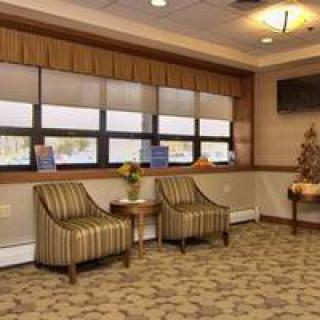
 Friendly, professional staff and strong rehab therapy with engaging activities and on-site amenities.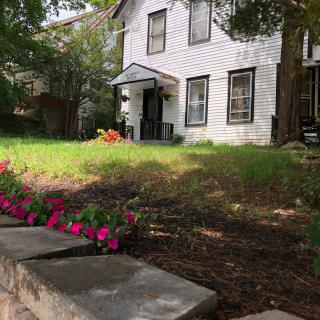


 Understanding the Nuances of Palliative Care and Hospice: A Comprehensive Exploration
 Fecal Incontinence in Older Adults: A Comprehensive Guide
 Recognizing the Journey: Understanding and Navigating Anticipatory Grief