For more information about senior living options: (866) 208-4318
3 from 54 reviews
5 stars
22
4 stars
5
3 stars
1
2 stars
1
1 stars
25
Overall Review of St Johnland Nursing Center
common14 reviews mention this
Care teams feel caring
Many residents and families describe nurses and aides as kind, supportive, and attentive.
A number of reviewers praise the day-to-day care, especially the nursing team and nursing aides, for being compassionate and responsive to individual needs. Several mention dedicated staff who communicate clearly with families and help residents stay engaged in rehab and daily routines. Some also highlight social work support as a steady presence during transitions. A few reviewers specifically call out named staff members when describing how cared for they felt.
caveat12 reviews mention this
Staffing concerns come up often
Some reviewers report understaffing and long waits for help during care.
Alongside positive experiences, multiple reviewers raise concerns about staffing levels and whether help is available when needed. Several describe situations such as being left waiting after requesting caregivers, not getting enough therapy, or seeing residents spend long stretches without being moved or assisted. Others mention cleanliness and care lapses they connect to inadequate supervision or staffing. These criticisms are serious and recurring across different review stories.
differentiator2 reviews mention this
Kipp Pavilion stands out
The Kipp Pavilion memory-care unit is described as structured and supportive in reviews.
Two reviewers specifically discuss experiences in the Kipp Pavilion Alzheimer’s and Dementia Care Unit. One describes the unit’s secure indoor and outdoor spaces and says staff comforted the resident as short-term memory declined. Another reviewer describes the unit as well run and attentive, while also noting it felt like a possible long-term home.
caveat5 reviews mention this
Food quality is mixed
Food experiences range from well-liked to needing improvement.
Some reviewers say dietary and kitchen staff delivered food the resident enjoyed, including meal choices guided by dietary recommendations. Others report disappointing food quality, with complaints about how the food was served and overall freshness. A reviewer also says improvements are needed when it comes to both food and cleanliness of rooms. Taken together, dining appears to be an area where residents’ experiences can vary.
common8 reviews mention this
Facility cleanliness and upkeep
Several reviewers describe the facility as clean and well maintained.
Multiple reviews mention cleanliness as part of what made the facility feel professional and reassuring. Reviewers describe a clean, attractive environment and call out details like room and common-area upkeep. Some also say the grounds and maintenance staff keep the building looking cared for. At the same time, not every review aligns on this point, but the positive cleanliness mentions are consistent.
How we summarize
Counts show how many written reviews mention each theme; a review can touch several themes, and only frequently mentioned themes are displayed.
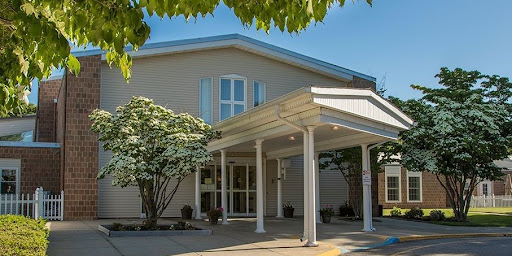
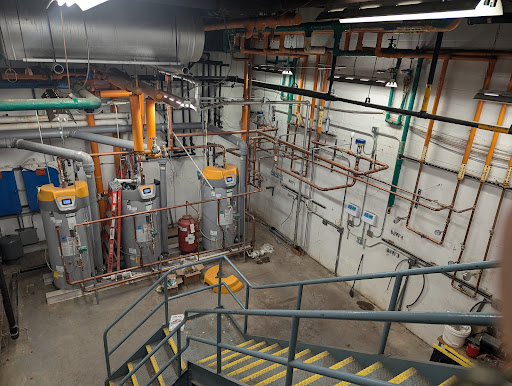
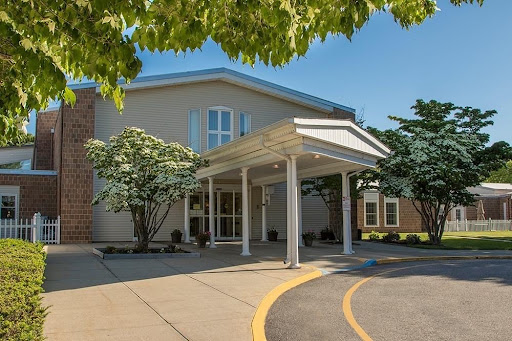
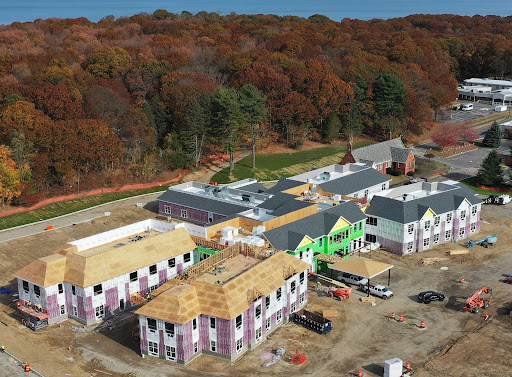
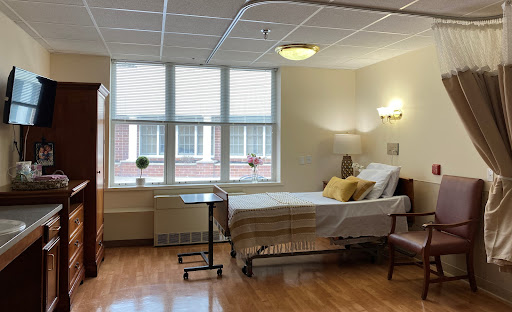
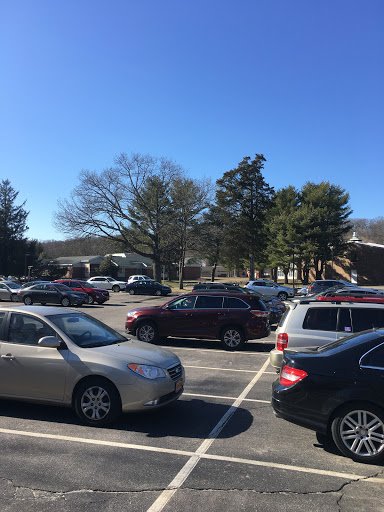
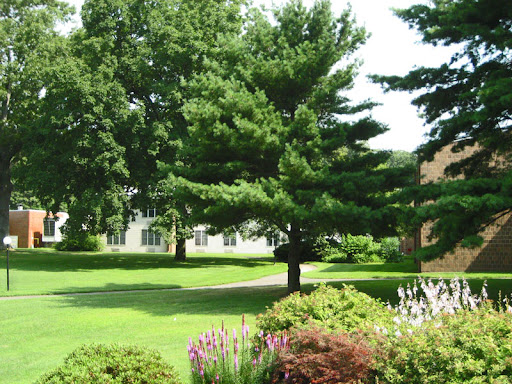
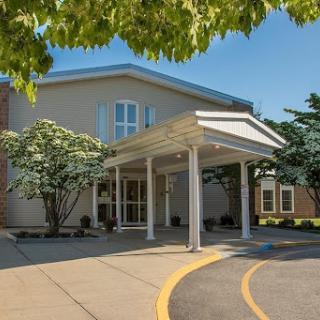
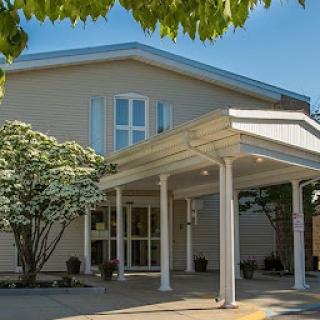
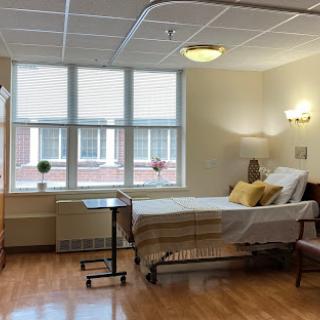
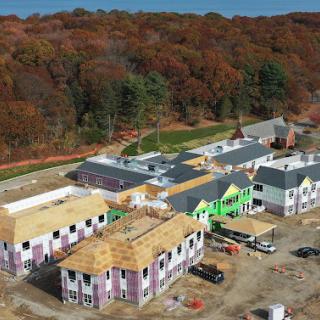
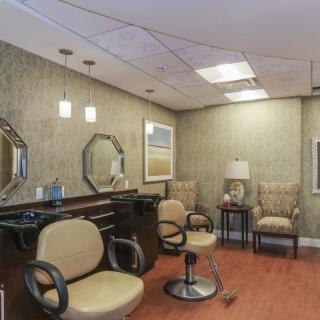
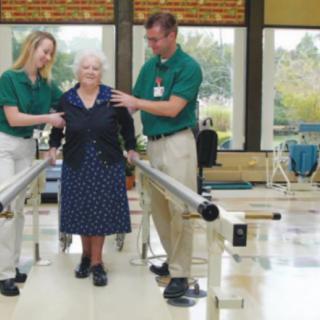
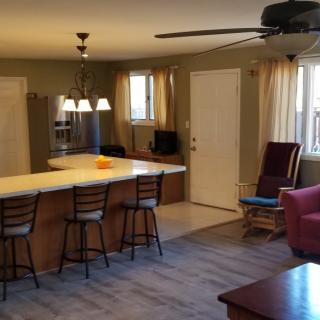
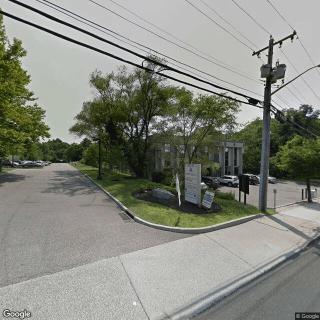
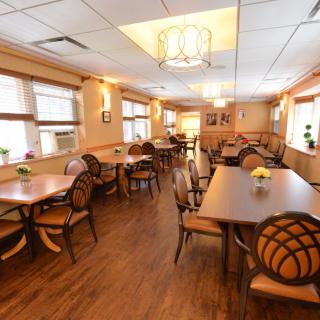
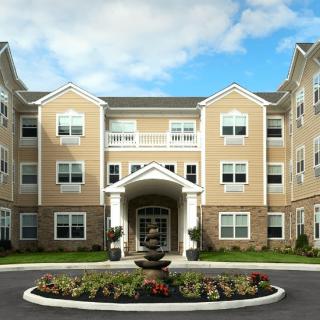
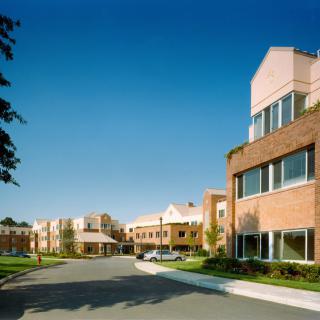
St Johnland Nursing Center on seniors.fyi includes 8 photos including images showing trees, landscaping, building, architecture, entrance, outdoor, aerial view, windows, and more.
Nearby Communities
St. Johnland Nursing Ctr
Kings Park, NY
3 from 61 reviews
Caring staff and convenient access to nearby healthcare and amenities.
St Catherine Of Siena Nrsg And Rehab Care Center
Smithtown, NY
2.6 from 71 reviews
Outstanding nursing care and a clean, welcoming environment with engaging activities.
Whisper Woods of Smithtown
Smithtown, NY
4.7 from 82 reviews
$4,550 to $6,650 / month
Professional, caring staff in a clean, well-maintained, amenity-rich environment with engaging activities.
Brookside Multicare Nursing Center
Smithtown, NY
3.8 from 126 reviews
Compassionate caregiving and strong rehabilitation services.
Jens Family Type Home for Adults
Smithtown, NY
$3,000 to $3,500 / month
Competitive pricing with semi-private and private rooms plus on-site amenities in a tranquil Smithtown setting.
Senior Helpers - Smithtown, NY
Smithtown, NY
4.9 from 83 reviews
Compassionate, readily available staff delivering attentive care.
Birchwood Suites
East Northport, NY
4.1 from 120 reviews
$3,500 to $4,000 / month
Caring staff and a warm, community environment with diverse on-site services.
Amber Court of Smithtown
Nesconset, NY
4.6 from 107 reviews
$4,600 to $6,600 / month
Strong staff support, clean environment, and a wide range of activities.
Gurwin Jewish Fay J. Lindner Residence
Commack, NY
4 from 45 reviews
$5,100 to $7,175 / month
Compassionate, attentive staff in a community-focused environment with good meals.
Caregiver exhaustion, or burnout, stems from the relentless demands of caregiving, leading to emotional and physical depletion characterized by stress, frustration, and neglect of personal needs. Addressing this burden is essential to prevent long-term consequences, with early recognition and support being crucial for caregivers to maintain balance and implement self-care.
Hospice care at home provides specialized end-of-life support that focuses on comfort and dignity for individuals with life-limiting illnesses, offering a range of services including medical management, emotional and spiritual support, and logistical assistance tailored to the family's needs. It involves collaboration to create individualized care plans and extends to bereavement support after a loved one's passing.
The guide outlines the rising costs of 24/7 in-home care, ranging from $10,000 to over $20,000 monthly, driven by factors such as location and caregiver qualifications. It discusses the limited coverage by Medicare and private insurance, potential Medicaid support, and the emotional and living condition considerations influencing families' decisions on care arrangements.
Get PricingAsk A QuestionSchedule A TourContact Senior Advisor
By clicking submit, you agree to our Partner's Terms of Use. You
also consent to receive calls and texts, which may be autodialed, from our Partner. Your consent is not a condition to
using our Partner's service. Please visit our Partner's Privacy Policy for information about their privacy practices.




 250 resident community capacity
 Skilled Nursing Facility
 Air-conditioning
 Beauty salon
 Cable or satellite TV
 Computer center
 Dining room
 Fitness room
 Fully furnished
 Gaming room
 Garden
 Housekeeping services
 Kitchenette
 Move-in coordination
 Outdoor space
 Private bathrooms
 Restaurant-style dining
 Small library
 Telephone
 Wellness center
 Wi-Fi/high-speed internet available
 Long Island - MacArthur (10 miles away)
 Community operated transportation
 12-16 hour nursing
 24-hour call system
 Activities of daily living assistance
 Assistance with bathing
 Assistance with dressing
 Assistance with transfers
 Diabetes diet
 Medication management
 Mental wellness program
 Special dietary restrictions
 Concierge services
 Planned day trips
 Caring staff and convenient access to nearby healthcare and amenities.
 Caregiver Exhaustion: Recognizing the Signs and Restoring Your Well-Being
 Understanding Hospice Care at Home: Comprehensive Services, Key Benefits, and Eligibility
 Understanding the Full Cost of 24/7 In-Home Care: A Detailed Overview