
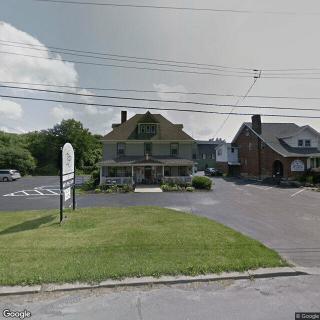
285 Deyo Hill Road, Johnson City, NY 13790
For more information about senior living options: (866) 208-4318
Overall Review of James G Johnston Memorial Nursing Home
Pros
 Teresa is amazing.
- Sharon and her staff made the move much easier.
- The staff is always helpful and friendly.
- The grounds are very nice.
- The team works well and gets the job done.
- Grandparents stay here and are very happy.
Cons
 The facility sells a rosy story about the care their loved ones will receive, but what happens after enrollment is not pretty.
- If quality care is important, this facility should be avoided.
- Residents sit in urine-soaked clothing because bathroom assistance was not provided.
- Residents started losing weight because they did not receive needed help with meals due to a vision impairment.
- Aides were frequently unaware of changes, leading to inconsistent care.
- The nursing care is awful, and management focuses on appearances rather than actual care.
- The care provided here is worse than the roaches in a public bathroom; upper management is to blame.
Review
James G Johnston Memorial Nursing Home in Johnson City is best suited for families that want a homey setting with active family engagement and residents who need help with daily activities but still respond to personal attention. The community can deliver moments of warmth where staff know residents by name, meals are pleasant, and the grounds feel welcoming. Yet the overall picture is uneven, reflected in a 3.9 rating drawn from 16 reviews, with a clear split between highly satisfied families and critics who encountered serious lapses. This isn’t a facility where a single, consistent experience is guaranteed; it depends heavily on the shift, the administrator’s priorities, and the specific unit.
On the plus side, ground-truth experiences point to real strengths in the caregiving pipeline when everything aligns. Families repeatedly mention front-line staff who respond, move-in coordinators who smooth the transition (Teresa’s involvement stands out), and caregivers who seem genuinely invested in residents’ well-being. Several accounts praise the food and the sense of community, with relatives visiting several times weekly and reporting that residents appear engaged, comfortable, and well-supported during meals and activities. The atmosphere in the building, friendly, well-kept grounds, a focus on companionship, can translate into a solid quality-of-life foundation for residents who don’t require constant medical escalation.
Yet the negatives are not trivial and they pull hard against the positives. Across multiple reviews, concerns center on the nursing level: plans not being followed, limited bathroom assistance, and weight loss tied to insufficient meal support for residents with vision or cognitive limitations. Staff turnover and inconsistent communication between shifts create gaps, leaving families feeling out of the loop and residents without stable routines. Some reviewers questioned leadership, suggesting a focus on appearances rather than genuine care, and there are pointed comparisons to neglect. These are structural risks that cannot be ignored when weighing long-term placement.
How these contrasts play out in decision-making is critical. For families who can stay highly involved, document care needs, and insist on regular updates, the stronger elements, the caring aides, responsive move-in support, and the social warmth, can deliver meaningful daily quality of life. When the ISP is respected and followed, and communication is consistent, residents can thrive even amid staffing imperfections. However, the risk is persistent enough that some residents may experience avoidable discomfort or declines in nutrition, hygiene, and independence. In short, the promising care moments do offset for certain families, but the detractors are potent enough to erase the gains for others.
This is the point where alternatives deserve consideration. If reliable, predictable nursing care and stable staffing are paramount, look closely at other options in the same region and compare how well they implement ISPs, employee retention, and family communication. The Hilltop Campus within the same system has generated mixed impressions in independent living and assisted living settings, with some families praising staff responsiveness and others warning about overpromises versus delivered care. Prospective residents should verify current management leadership, request to speak with the clinical director, and insist on a clear, obtainable care plan with defined review intervals before committing.
Practical next steps are clear. Visit at different times of day; request a copy of the ISP and care plan, and ask to meet the nurse manager who would be responsible for day-to-day oversight. Speak with several aides on the floor and a few residents or family peers to triangulate consistency. Check recent state inspections and seek direct references from families with residents in similar care levels. For families willing to invest time in oversight and who value a welcoming environment and personal attention, James G Johnston Memorial Nursing Home can be a fit. For those needing unwavering clinical consistency, alternatives should be pursued with urgency.
 122 resident community capacity
 Skilled Nursing Facility
 Air-conditioning
 Beauty salon
 Cable or satellite TV
 Computer center
 Dining room
 Fitness room
 Fully furnished
 Gaming room
 Garden
 Housekeeping services
 Kitchenette
 Move-in coordination
 Outdoor space
 Private bathrooms
 Restaurant-style dining
 Small library
 Telephone
 Wellness center
 Wi-Fi/high-speed internet available
 Binghamton Regional (5 miles away)
 Community operated transportation
 12-16 hour nursing
 24-hour call system
 Activities of daily living assistance
 Assistance with bathing
 Assistance with dressing
 Assistance with transfers
 Diabetes diet
 Medication management
 Mental wellness program
 Special dietary restrictions
 Concierge services
 Planned day trips





 Is a Geriatric Care Manager the Right Choice for Your Family?
 Compassionate Conversations: How to Comfort Someone Who Is Grieving
 Home Health Care Aides: Understanding Their Role and Supporting Your Family