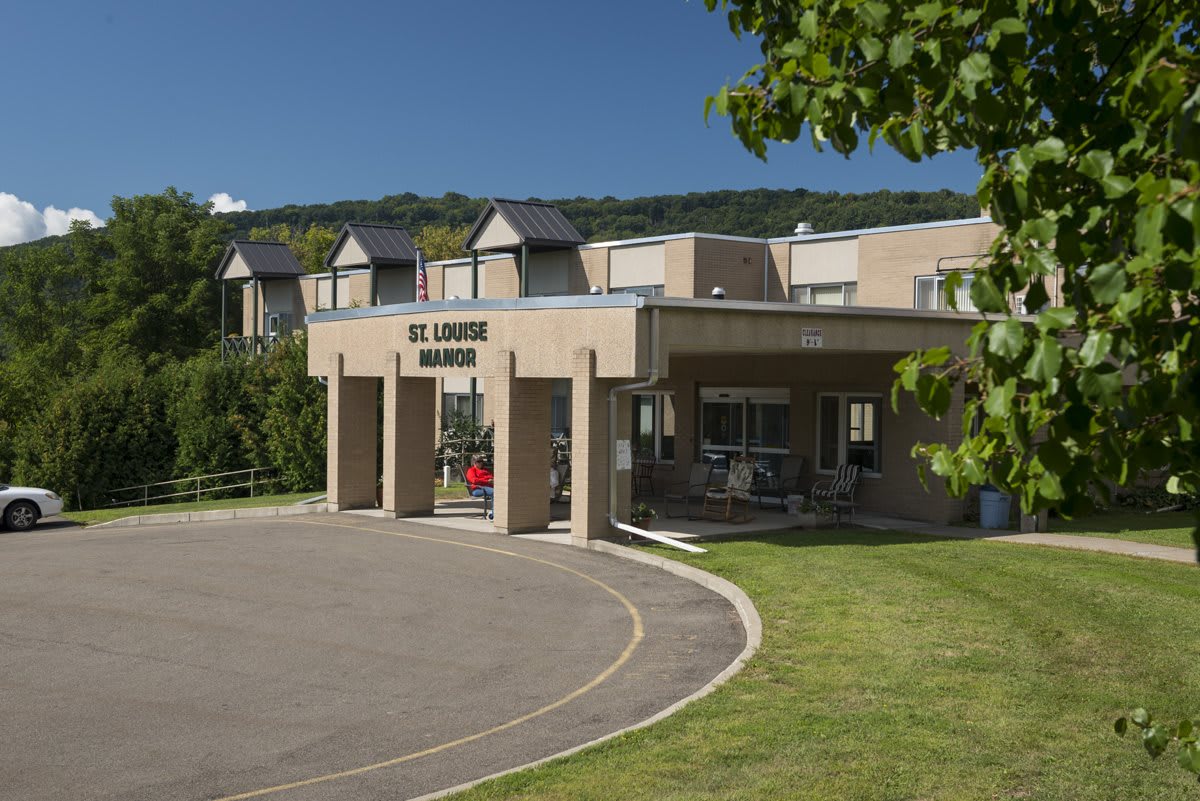
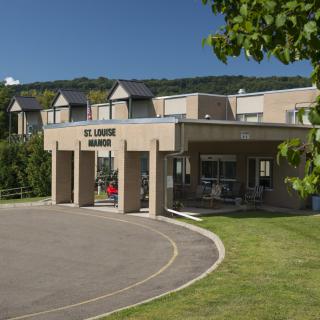

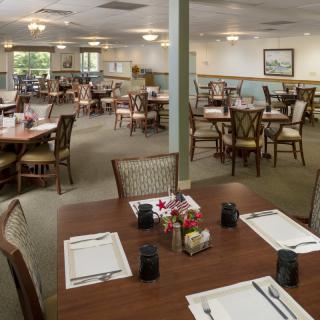
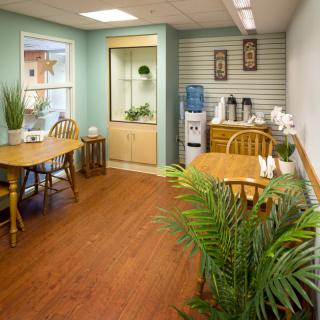
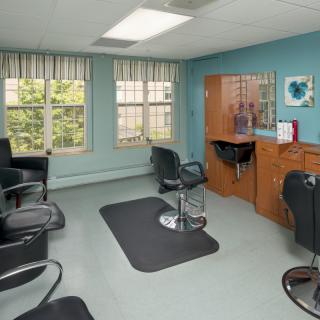
861 Front St, Binghamton, NY 13905
To contact a resident: (607) 729-2305
For more information about senior living options: (866) 208-4318
United Methodist Homes Elizabeth Church Campus Costs & Pricing
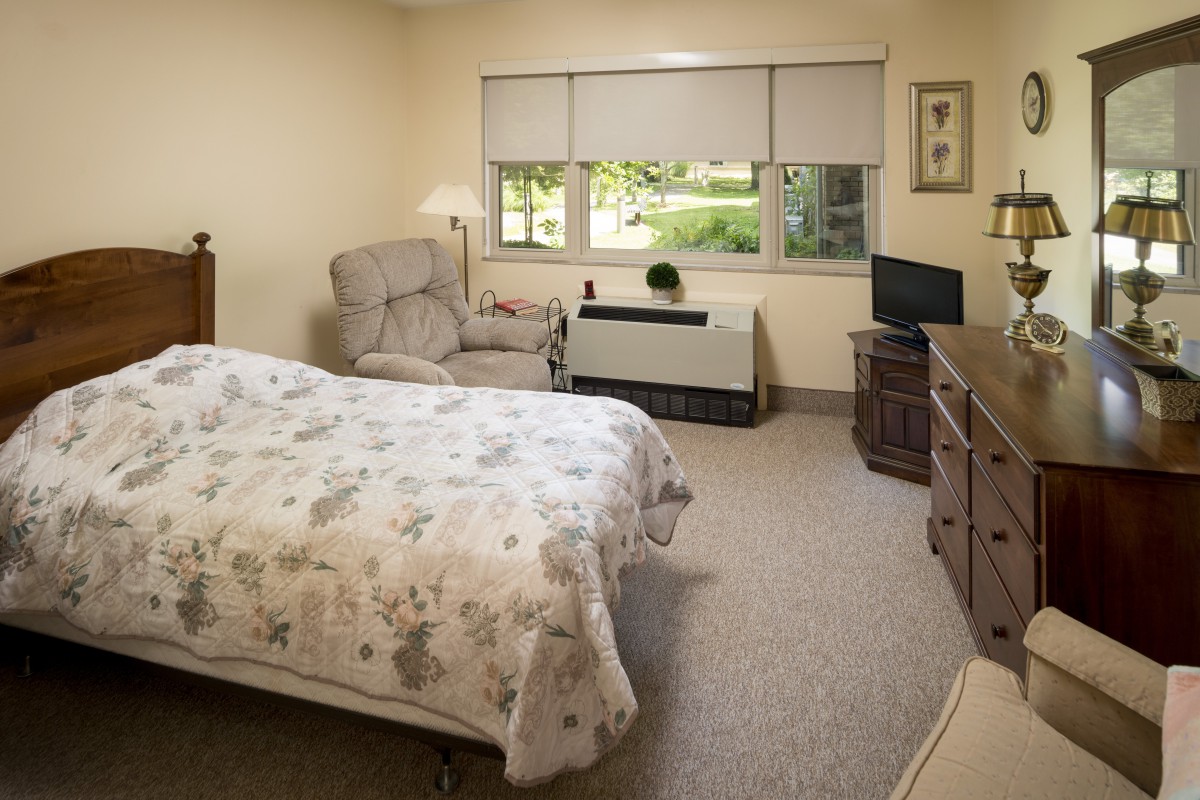
At the United Methodist Homes Elizabeth Church Campus, residents enjoy competitively priced accommodations that stand in contrast to both Broome County and broader New York state rates. For a one-bedroom unit, the cost is $2,040 per month, significantly lower than the county average of $3,981 and the state median of $4,307. Two-bedroom options are available for $2,250 per month, again providing a more budget-friendly alternative compared to Broome County's average of $2,756 and New York's higher rate of $4,786. However, the campus's studio apartments reflect a different trend; at $5,850 monthly, they exceed local and state averages of approximately $4,499 and $4,532 respectively. Overall, while the one- and two-bedroom options present an attractive value for prospective residents looking for affordability in supportive living arrangements, the studio pricing warrants consideration within the context of individual needs and preferences.
| Floor plans | United Methodist Homes Elizabeth Church Campus | Broome County | New York |
|---|---|---|---|
| 1 Bedroom | $2,040 | $3,981 | $4,307 |
| 2 Bedrooms | $2,250 | $2,756 | $4,786 |
| Studio | $5,850 | $4,499 | $4,532 |
Assisted Living communities with a similar price nearby
-
About the same
Gracious Living Estates
$2,000 to $3,000 / month20.8 miles away -
from -$230 / mo
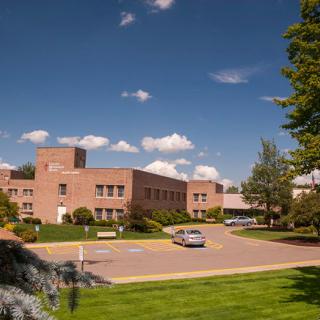
United Methodist Homes Hilltop Campus
$1,810 to $5,500 / month2.8 miles away
Overall Review of United Methodist Homes Elizabeth Church Campus
Pros
 The staff are very friendly, helpful and attentive.
- The in-house physical therapy is excellent.
- Elizabeth Church provides great care.
- The facility is clean and well maintained.
- The accommodations are very nice, with good food and a friendly staff.
- It is a prime care option with sincere staff and nonprofit affordability.
- It is one of the better nursing facilities in the area, with welcoming staff.
- The facility offers engaging activities for residents.
Cons
 The reviewer believes restorative therapy did not occur after Medicare cuts, leaving the mother in a wheelchair most of the time, allegedly for staff convenience.
- The reviewer felt the business model needed re-evaluating because management did not prioritize the needs of frontline staff.
- The reviewer observed that only two of the staff were decent, while the rest were rude and disrespectful.
- The reviewer warned that any mistreatment of a loved one would likely lead to a lawsuit.
- The reviewer advised that if someone loves a relative, they should not choose this facility.
- The reviewer described the facility as dirty with poor care.
- One reviewer stated that they hated it.
Review
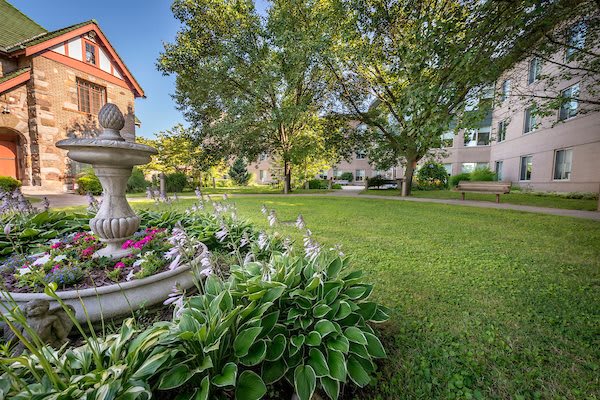
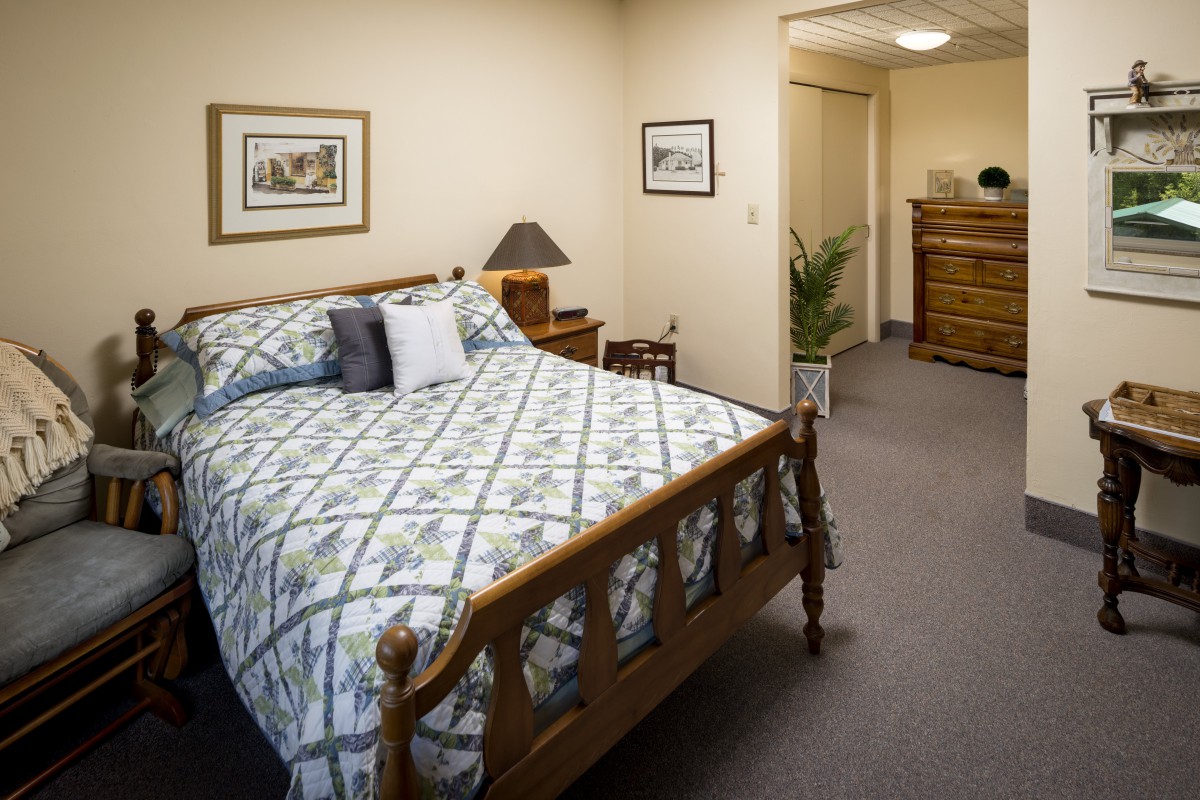
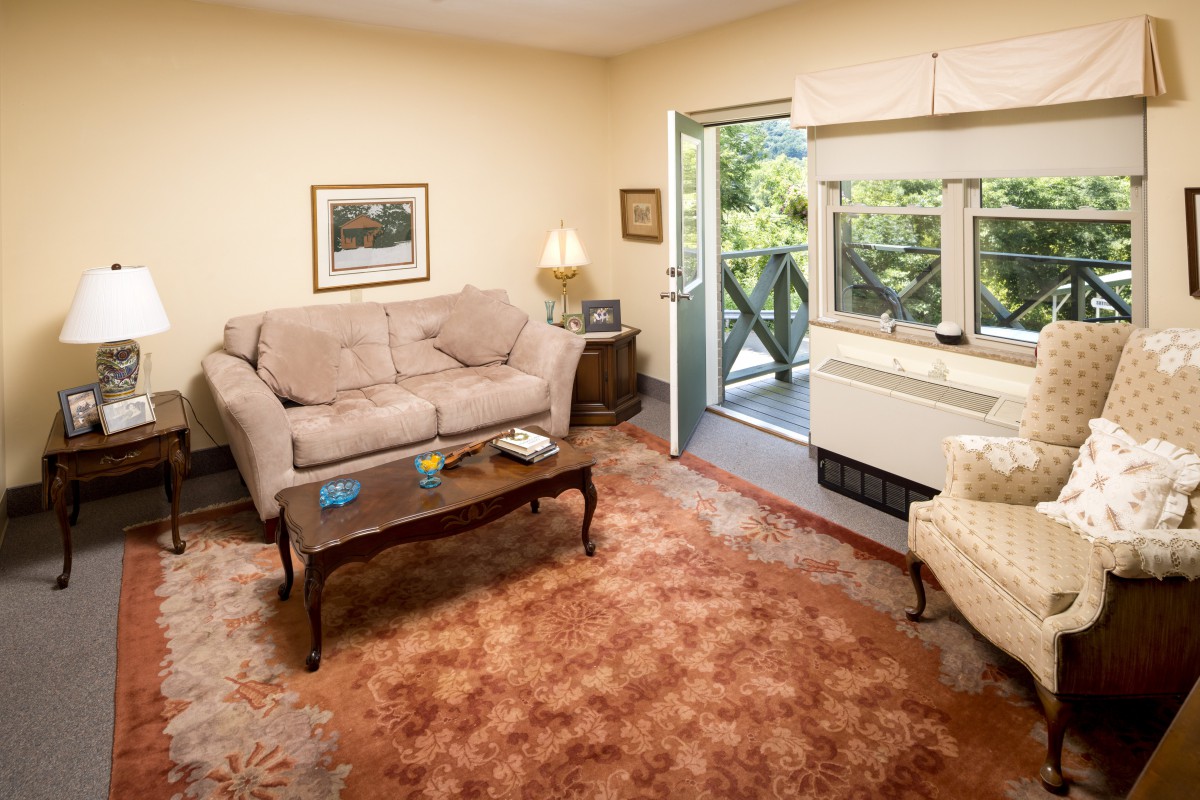
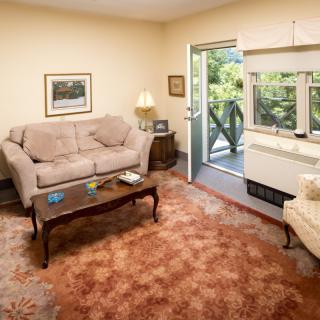
This community is best suited for families seeking an affordable, faith‑oriented senior living option that combines decent rehab services with a warm, home‑like environment. United Methodist Homes Elizabeth Church Campus in Binghamton is especially suitable for seniors who may need post‑acute rehabilitation and ongoing daily assistance but want to stay within a nonprofit, Medicaid‑friendly framework. The campus earns its strength from a friendly, attentive staff, a clean and comfortable living setting, and a well‑regarded in‑house therapy program. For those who value stability, predictable routines, and a community atmosphere anchored in service, this campus offers a pragmatic, solid solution.
Alternatives are worth considering for families who prioritize perfectly consistent daily therapy, uniformly cordial staff interactions, or a higher level of luxury and modern amenities. A subset of reviews raises concerns about staff consistency and courtesy, and a few voices describe instances of care gaps or care quality that didn’t meet expectations. If a family must see flawless, constantly engaged frontline care or if personal interactions with staff are non‑negotiable, other options may serve better. This campus works best when expectations align with its practical, value‑driven approach rather than with premium hospitality or extreme acuity needs.
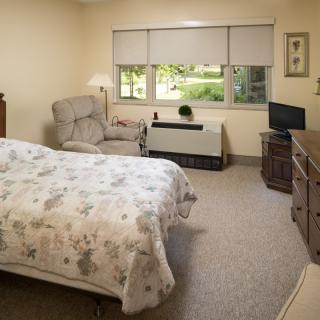
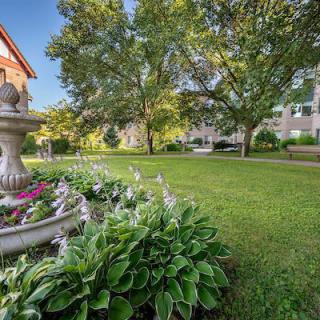
The strongest positives, friendly, patient staff; a dedicated therapy department; and a well‑maintained, clean facility, materially offset the most consequential drawbacks for many residents. In‑house physical therapy is repeatedly praised, with stories of real progress and improved mobility. The living spaces are described as comfortable and the surroundings well kept, while the food and daily routines tend to reinforce a sense of normalcy and dignity. The nonprofit status and Medicaid compatibility further strengthen the case for families watching budgets, ensuring care continuity even if personal funds dwindle. In short, practical care with meaningful rehab outcomes can be achieved here.
Where the main concerns land, the most helpful lens is to view them as negotiable variables rather than deal‑breakers. Staffing pressures and the occasional perception that upper administration does not fully back frontline workers can translate into uneven experiences. The risk is not universal collapse in care but rather variation from shift to shift or caregiver to caregiver. To offset this, families should press for a clear, written rehab plan, confirm staffing ratios for therapy and daily care, and request direct contact with the therapy director to monitor progress. A candid tour focused on specific daily routines can illuminate how steady the experience will feel for a loved one.
Financial feasibility and care goals are central to decision making here. The non‑profit model and Medicaid reciprocity help keep long‑term plans affordable, which is a meaningful advantage for families budgeting around uncertain resources. This is a place where “good enough” care can be consistently affordable without sacrificing essential safety and dignity. However, the variable front‑line experience means it’s prudent to verify what happens if funds are limited, what level of care remains available, and how the staff maintains quality when occupancy or turnover shifts. Those planning private pay should still assess whether the perceived value aligns with the monthly cost.
Bottom line: for many families, United Methodist Homes Elizabeth Church Campus offers a sensible, dependable option for seniors who need daily assistance and rehab within a supportive, community‑oriented setting. It shines when mobility and recoveries are priorities, and the environment remains clean, welcoming, and affordable. Yet it is wise to go in with a clear plan: tour with a checklist, speak with current residents and families, review a concrete rehab schedule, and confirm anticipated staff coverage. If these checks pass, this campus stands out as a practical, capable choice. If they reveal persistent concerns about consistency or interpersonal warmth, alternatives with stronger staffing guarantees or luxury amenities may be warranted.
 Assisted Living
 Independent Living
 Activities on-site
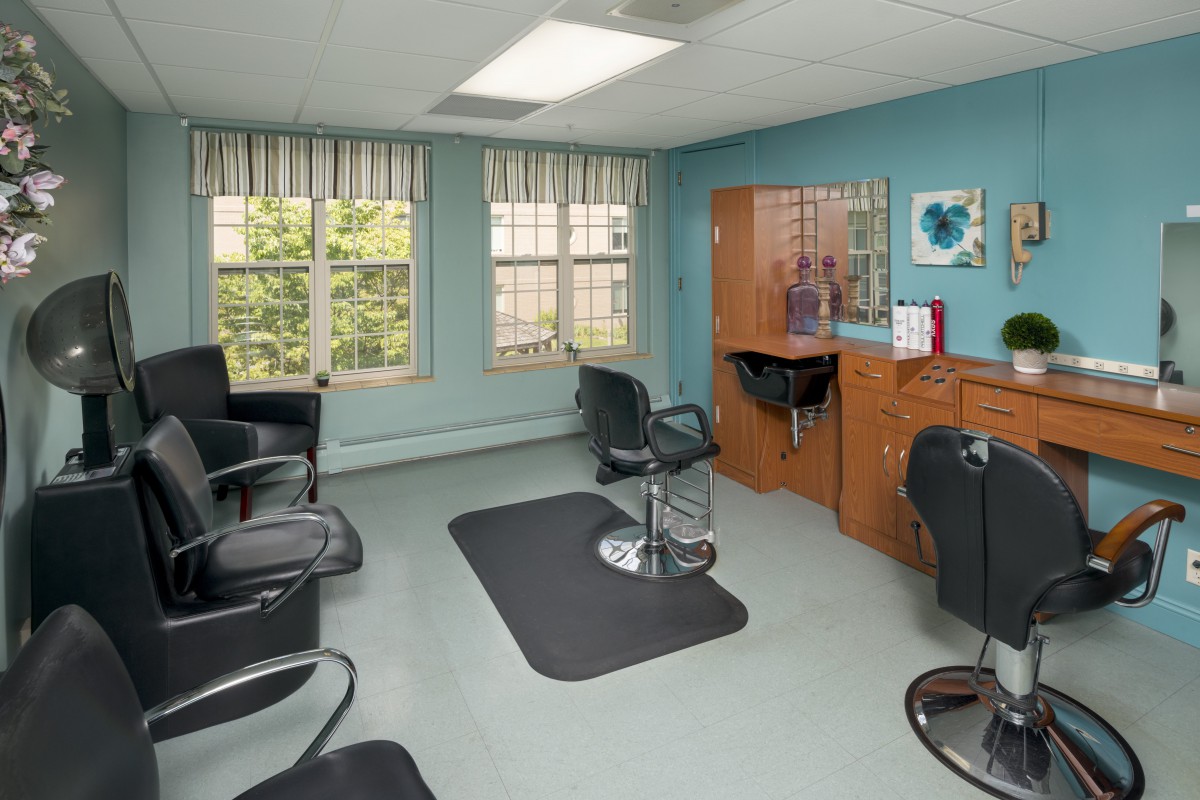
 Beautician on-site
 Devotional services off-site
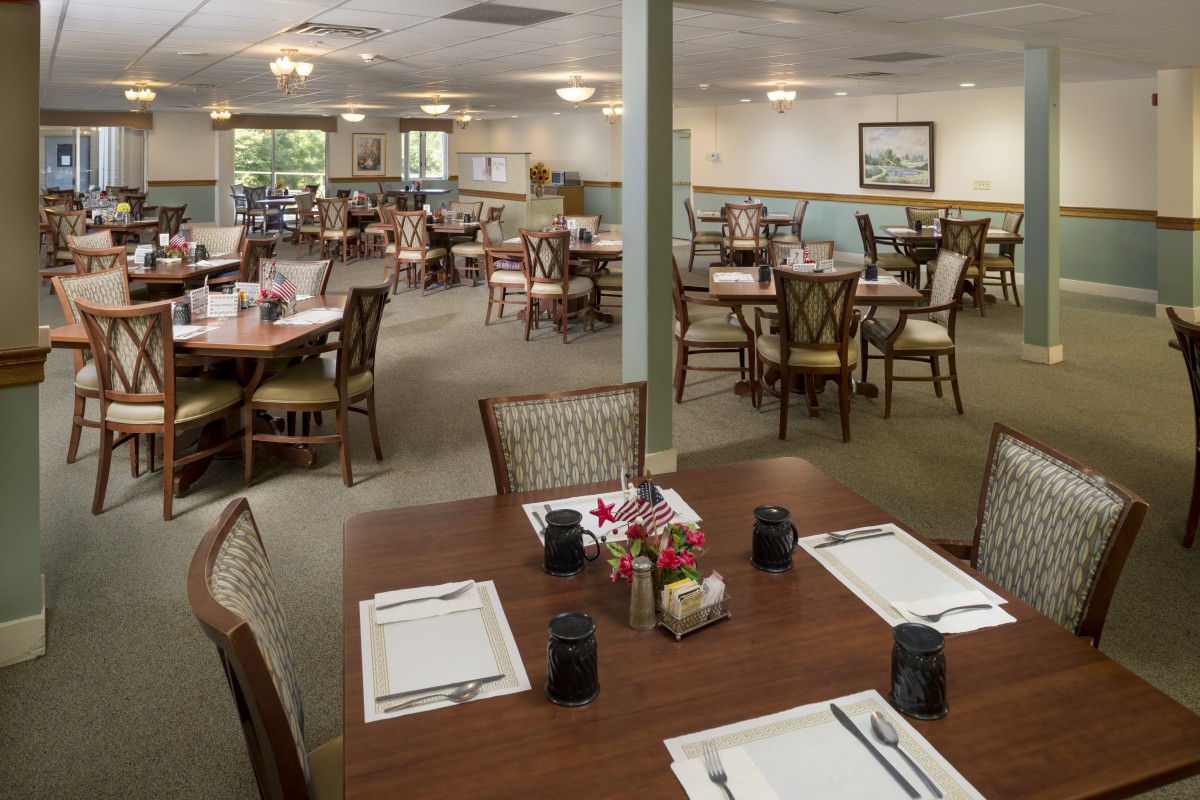
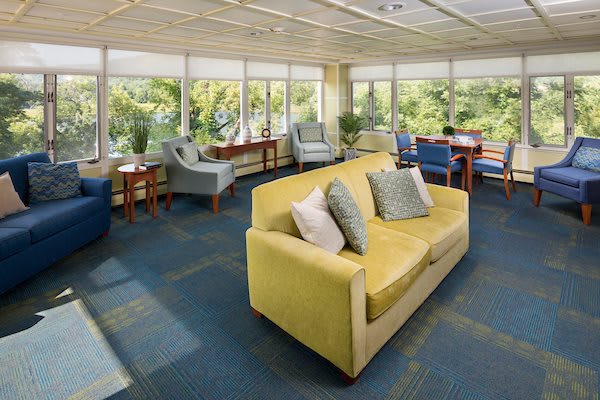
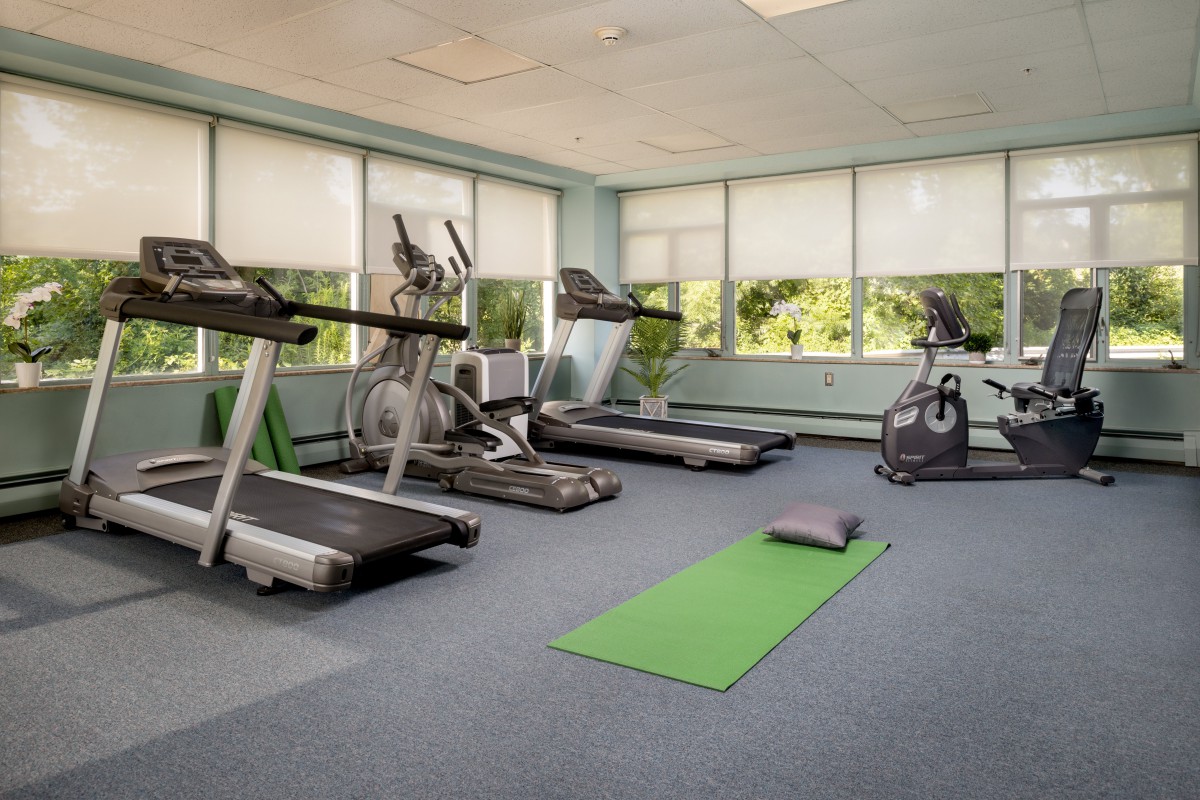
 Indoor common areas
 Respite or short term stays offered
 Wheelchair accessible showers
 Binghamton Regional (6 miles away)
 Ambulatory care
 Diabetic care
 High acuity care
 Incontinence care
 Medication management
 Gluten-free
 Catholic services
 Jewish services
 Social Security Benefits and Assisted Living: Navigating Options Across the U.S.
 An Extensive Exploration of the VA Aid and Attendance Benefit
 Senior Transition Services: Understanding Their Role, Cost, and Importance