Overall Review of Bridgewater Center for Rehabilitation & Nursi
caveat10 reviews mention this
Cleanliness is mixed and polarizing
Residents and families describe cleanliness as inconsistent, ranging from clean rooms to noticeable odors and dirt.
Some visitors say the building and rooms look clean, with halls that do not smell and staff keeping spaces well maintained. Others report strong, persistent odors and dirty rooms, including accounts of soiled items left behind, floors they describe as dirty, and bathrooms that were difficult to access. A recurring concern across negative reviews is that issues with hygiene or housekeeping were not addressed promptly after concerns were raised.
common26 reviews mention this
Staff kindness and helpfulness stand out
Many reviewers describe staff as friendly, attentive, and willing to help with day-to-day needs.
Across reviews, families and visitors often say they found the staff approachable and supportive, including at check-in and while navigating to rooms. Multiple residents or relatives describe staff as caring and attentive to requests, and some specifically credit individual staff members for being kind and responsive. Even when other aspects were criticized, several reviews still acknowledge that some aides or front-desk staff were helpful.
caveat8 reviews mention this
Care quality concerns and neglect claims
Several reviews raise serious concerns about whether residents received consistent, attentive care.
A number of negative reviews describe neglect-related problems such as delayed or missed hygiene care, meals or medication not being handled as expected, and call-bell responsiveness issues. Some reviewers also report communication breakdowns about care needs and treatment follow-through. On the positive side, other reviews describe residents as improving in rehabilitation and receiving the attention they needed, but the negative accounts are substantial and repeated.
common6 reviews mention this
Rehabilitation therapy gets credit
Rehabilitation therapy is repeatedly mentioned as dedicated and helpful for progress.
Several reviewers connected to rehab say they saw supportive therapy experiences, including PT/OT and staff who encouraged progress. Some describe therapists as dedicated and focused on individual needs, and others say their loved one was alert, eating, and doing better during or after rehab. A few reviews also mention shortcomings on the rehab side, including staffing and equipment concerns, but the positive therapy mentions are frequent enough to stand out.
caveat7 reviews mention this
Food quality receives mixed feedback
Food reviews range from acceptable to complaints about cold, unappetizing meals.
Some families say meals were fine or that residents were happy with their food, and one review mentions staff quickly correcting a dinner tray that was wrong. Others criticize food as cold, unappetizing, or not substantial enough, including accounts of meals being in poor condition for long stretches. A few reviews also mention diet preferences being followed, but overall the dining feedback is inconsistent.
caveat3 reviews mention this
Communication delays frustrate families
Some reviewers say it can be difficult to reach staff or get timely call-backs about care.
Several family members describe long waits for responses when they called with questions or concerns, including situations where they say messages were left without follow-up. Other negative reviews describe staff as unprofessional during phone calls and difficulty connecting with the right person for care planning. While some positive reviews mention staff being accommodating, the communication complaints are direct and recurring in the critical reviews.
How we summarize
Counts show how many written reviews mention each theme; a review can touch several themes, and only frequently mentioned themes are displayed.
Features
Types of Care
Skilled Nursing Facility
Transportation
Binghamton Regional (8 miles away)
Care Services
High acuity care
Nearby Places of Interest
This area of Binghamton, New York, offers a mix of amenities that may appeal to seniors looking for a convenient and vibrant community. With a variety of restaurants within walking distance such as Peterson's Tavern, Lost Dog Cafe, and Little Venice Restaurant, there are plenty of dining options to enjoy. In terms of healthcare services, there are several hospitals nearby including Lourdes Hospital and UHS Binghamton General Hospital, as well as physician offices like Primary Care Associates and Cardiology Associates. Additionally, pharmacies such as Medicine Shoppe and Walgreens are easily accessible for medication needs. For recreational activities, parks like Mac Arthur Park and Otsiningo Park provide opportunities for outdoor enjoyment. Places of worship such as St Thomas Aquinas Church and St Vincent De Paul Church offer spiritual support within the community. Overall, this area provides a range of services that cater to the needs of seniors looking for a comfortable and engaging living environment.
Restaurants
Peterson's Tavern (0.2 miles)
Binghamton Club (0.2 miles)
Lost Dog Cafe (0.2 miles)
Garage Taco Bar (0.3 miles)
205 Dry (0.3 miles)
Belmar Pub (0.4 miles)
Little Venice Restaurant (0.4 miles)
Hospitals
Lourdes Planning (0.3 miles)
Lourdes Hospital (0.3 miles)
Lourdes Hospital (0.9 miles)
UHS Binghamton General Hospital (1 miles)
Greater Binghamton Health Center (1.1 miles)
Our Lady of Lourdes Memorial Hospital (1.1 miles)
Lourdes Hospital (2.1 miles)
Physicians
Mehta Kinner Binghamton Va Clinic Binghamton (0.7 miles)
Primary Care Associates (0.8 miles)
Twin Tiers Eye Care Associates PC (0.9 miles)
Cardiology Associates, PC (0.9 miles)
Speech Pathology United Health (0.9 miles)
Foot Care Associates (0.9 miles)
Cardiac Rehab Gym-United Health Services Hospitals (1 miles)
Pharmacies
Medicine Shoppe (0.8 miles)
Walgreens (0.9 miles)
BGH Pharm (1 miles)
CVS Pharmacy (1.6 miles)
CVS Pharmacy (1.6 miles)
Walmart Pharmacy (1.9 miles)
Walgreens (2.4 miles)
Parks
Mac Arthur Park (1 miles)
Otsiningo Park (1.5 miles)
Cfj Park (2 miles)
Places of Worship
St Thomas Aquinas Church (1 miles)
St Vincent De Paul Church (1.8 miles)
Church of Jesus Christ of Latter Day Saints (2.2 miles)
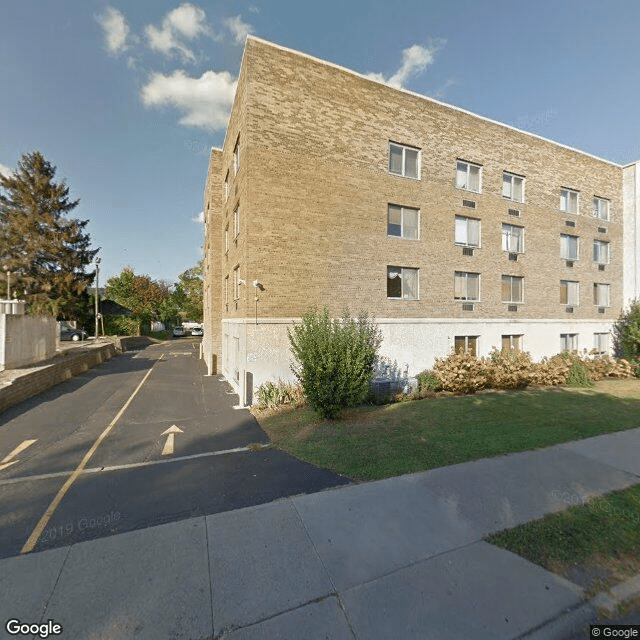
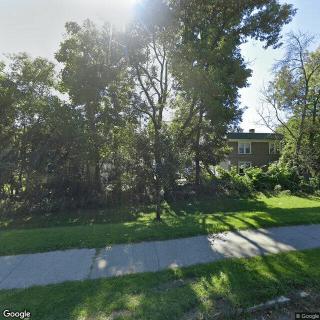
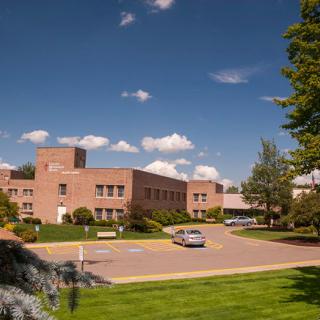
Bridgewater Center for Rehabilitation & Nursi is located at 159-163 Front Street, Binghamton, NY 13905 in Broome County, New York
Nearby Communities
Garden House For Adults
Binghamton, NY
5 from 1 review
24/7 supervision and medication management in a fully furnished, home-like setting with garden and restaurant-style dining.
Renaissance Plaza, Ltd.
Binghamton, NY
4.4 from 44 reviews
Specialized diabetic care with indoor common areas and convenient access to nearby amenities.
Metro Interfaith Ehp
Binghamton, NY
2.5 from 8 reviews
24-hour supervision with ADL support and diabetes care, plus extensive on-site amenities.
Metro Interfaith Housing
Binghamton, NY
4.1 from 28 reviews
Comprehensive care with 24-hour supervision, daily living assistance, meals, medication management, healthcare coordination, transportation for appointments, and social activities.
United Health Svs Hosp - Binghamton Hospital - TCU
Binghamton, NY
Hospital-affiliated, well-equipped with 24/7 supervision, medication management, and resident-run activities.
Brookdale Vestal West
Vestal, NY
4.4 from 51 reviews
$6,880 to $8,300 / month
Caring staff and a well-maintained, home-like environment with strong dementia-focused programming.
Palliative home care focuses on improving the quality of life for individuals with serious illnesses by providing comfort, symptom management, and emotional support in their own homes. This approach includes personalized care plans, regular assessments, and resources for family caregivers, all while prioritizing person-centered treatment that aligns with patients' goals.
Skilled nursing facilities (SNFs) provide high-level medical care and rehabilitation for short-term recovery, typically covered by Medicare after hospitalization, while nursing homes focus on ongoing custodial care for chronic conditions, mainly funded by Medicaid or private payments. The staffing and regulatory structures differ significantly between the two, necessitating clarity for families in choosing appropriate long-term care options.
Nursing home care costs in the U.S. vary significantly based on location, level of care, and amenities, with private room prices ranging from approximately $6,700 to over $30,000 monthly. Families need to explore various payment options and conduct thorough research to manage these expenses effectively.
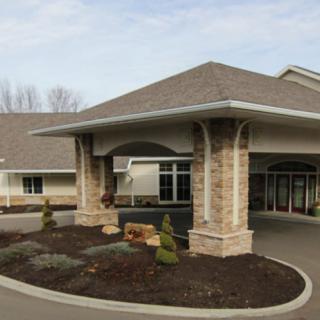
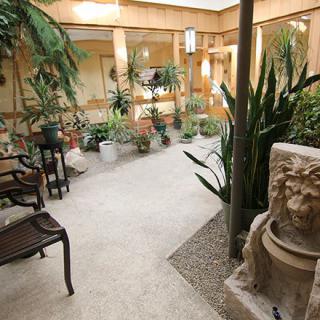
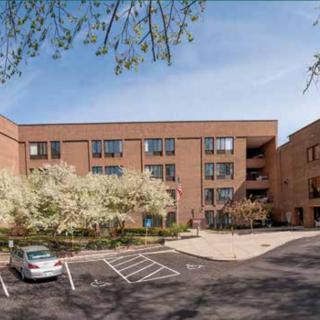
Bridgewater Center for Rehabilitation & Nursi photos
×
Get PricingAsk A QuestionSchedule A TourContact Senior Advisor
By clicking submit, you agree to our Partner's Terms of Use. You
also consent to receive calls and texts, which may be autodialed, from our Partner. Your consent is not a condition to
using our Partner's service. Please visit our Partner's Privacy Policy for information about their privacy practices.

 Skilled Nursing Facility
 Binghamton Regional (8 miles away)
 High acuity care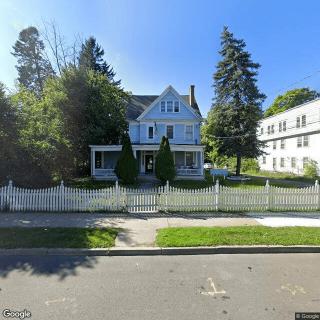
 24/7 supervision and medication management in a fully furnished, home-like setting with garden and restaurant-style dining.

 Comprehensive Insights into Palliative Home Care: What It Is and What to Expect
 Skilled Nursing Facilities vs. Nursing Homes: Making Sense of the Differences
 A Detailed Examination of Nursing Home Costs Across the U.S.