
21 New Street, Binghamton, NY 13903
For more information about senior living options: (866) 208-4318
Overall Review of Metro Interfaith Housing
Pros
 They are an amazing duo when it comes to teaching about homeownership.
- The government grant they distribute to their students is a true blessing.
- It is an excellent resource for the area.
- The First Time Homebuyers Counseling course is highly recommended, and there are other resources available.
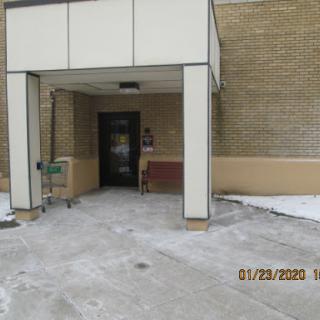
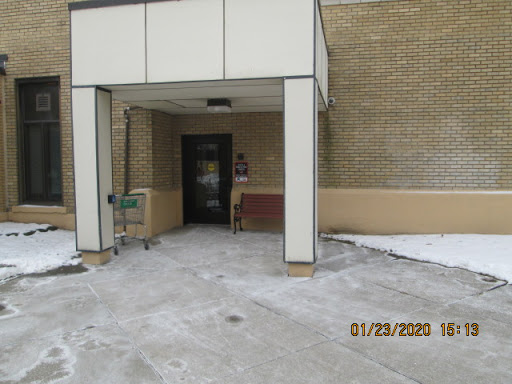
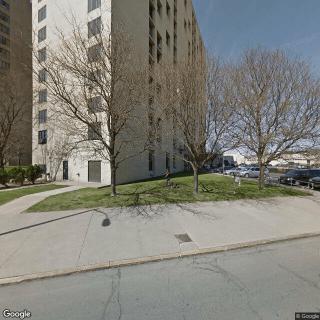
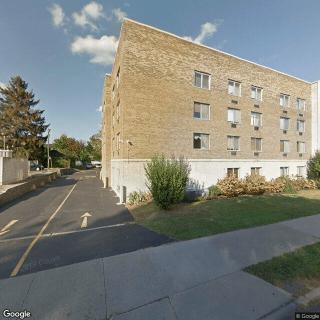
- The facility seems to be a great place for disabled and elderly people, with rooms that are nice and clean.
- The staff are very personable, and the facility is well maintained.
- The program is off to a good start.
- The staff are so helpful and knowledgeable.
Cons
 They constantly lose applications.
- They are very unprofessional.
- They ignore people seeking help.
- It is awful, and one would regret going there.
- They are not helpful at all.
- They scammed people out of money for a nonexistent housing course.
Review
Metro Interfaith Housing in Binghamton is best suited for elderly or disabled adults who want a stable, affordable, well-maintained living arrangement with a responsive on-site team and access to practical housing-support resources. The facility earns credibility from residents who note clean, reasonably sized rooms and a tangible sense of care in everyday interactions. It appeals to seniors who value a steady, residential environment over a high-visibility care setting, and who welcome on-site staff who are approachable and available for routine concerns.
This is not the choice for those who demand flawless administration or guaranteed, on-time processing. Repeated complaints about lost applications and unreturned calls point to a pattern of uneven follow-through that can derail housing plans and related benefits, especially under tight timelines. There are also troubling mentions of miscommunication around programs and a few allegations of financial missteps tied to housing education offerings, which should give prospective residents pause and prompt rigorous verification before committing.
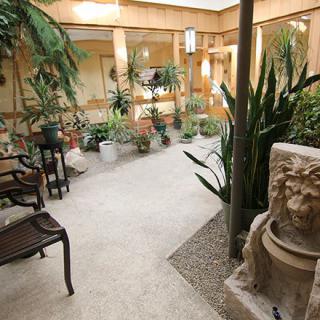
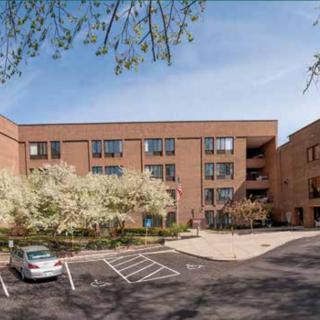
On the upside, resident and visitor impressions consistently highlight personable staff and a well-kept facility. The environment feels human-scale and welcoming, with clean, orderly spaces that contribute to daily comfort. For seniors who prize personal rapport with caregivers and a calm, tidy living setting, these attributes can significantly offset concerns about administrative gaps, making the community feel like a safe harbor in a transitional phase.
The reviews also illuminate practical strengths in the form of housing-resource programs. The organization is positioned as a credible source for housing counseling and first-time homebuyer education, with instructors and courses described as genuinely helpful by some participants. This suggests real value beyond mere shelter, offering residents tools for financial literacy and planning that can empower independent living. For households balancing aging needs with long-term financial planning, these programs can be a meaningful bonus that complements the residential offering.
Nevertheless, the negative episodes cannot be dismissed. Allegations of being scammed out of money for a non-existent course, coupled with concerns about sharing contact information and inconsistent follow-through, illustrate governance gaps that erode trust. When such misgivings intersect with the daily reality of a residence, the overall appeal wavers for families prioritizing reliability and predictable service. These inconsistencies argue for a careful, documented due-diligence process, demand written timelines, confirm course details in writing, and seek clear points of contact before enrolling or transferring a loved one.
In decision-making terms, two realities must be weighed. If the priority is a clean, respectful living environment with friendly staff and access to practical housing resources, Metro Interfaith Housing can be a solid fit, provided there is a plan to document interactions, verify program specifics, and manage expectations around administrative timelines. If unwavering administrative reliability, prompt follow-up, and clearly defined care services are non-negotiable, it is prudent to compare alternatives that offer stronger governance, more consistent communication, and explicit levels of daily living support. The right choice hinges on aligning these operational realities with the resident’s care needs and the family’s tolerance for administrative risk.
 11 resident community capacity
 Assisted Living
 Board and Care Home
 Cable or satellite TV
 Dining room
 Fully furnished
 Garden
 Housekeeping services
 Move-in coordination
 Outdoor space
 Telephone
 Wi-Fi/high-speed internet available
 Binghamton Regional (9 miles away)
 24-hour supervision
 Activities of daily living assistance
 Assistance with bathing
 Assistance with dressing
 Assistance with transfers
 Diabetes diet
 Meal preparation and service
 Medication management
 Special dietary restrictions
 Transportation arrangement (medical)
 Transportation to doctors appointments




 Comprehensive Supportive Living Arrangements for Adults with Disabilities
 Funding and Affording Assisted Living: A Thorough Overview
 Assisted Living Expenses and Long-Term Care Insurance: A Comprehensive Exploration