Information last verified:
830 Park Ave, Huntington, NY 11743
For more information about senior living options: (844) 490-3973
Carillon Nursing & Rehab Center in Huntington, NY is best suited for families prioritizing strong rehabilitation outcomes and dementia-capable care delivered with visible kindness and respect. The community functions as a rehab-focused environment where skilled physical and occupational therapy drives tangible gains, and where nursing and aides maintain a steady emphasis on patient dignity and daily comfort. The dedicated dementia care unit stands out as a core strength, with staff who are patient, communicative, and genuinely engaged in meaningful activities and consistent support. For loved ones returning from surgery, recovering strength after illness, or navigating the complexities of dementia, Carillon offers a credible, action-oriented path to regain function while preserving autonomy. This is not a glossy showcase; it is a practical, hands-on setting where clinical care and human touch are the center of gravity.
That said, alternatives deserve careful consideration for those requiring near-flawless staffing and absolute reliability in every interaction. Families whose top priority is rapid, unfailingly consistent response to call bells, timely assistance for bathroom needs, or brisk, transparent communication with administrators may find themselves wanting more consistency here. The reviews include strong praise for frontline kindness and clinical competence, but also recurring reminders that staffing levels and administrative responsiveness can vary by shift and day. For those who must rely on unwavering administrative follow-through, especially around billing, discharge planning, and crisis communication, anchoring expectations with corroborating tours and shift-specific observations is wise. In short, Carillon can be excellent for rehab and dementia care, but it is prudent to compare staffing stability and office responsiveness against other options.
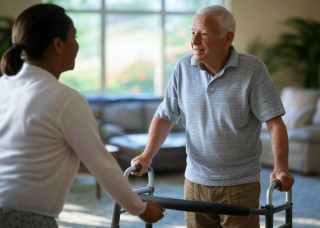
The center’s strongest offsetting pro by far is the therapy culture. Therapists such as Dawn in PT and Rich or Scott in OT are repeatedly described as technically excellent, encouraging, and deeply invested in their patients’ progress. The rehab program is not a perfunctory component; it is the engine of daily routine, with staff members driving measurable improvements in strength, mobility, and independence. Social work and discharge planning, named individuals like Laura Kenny and colleagues, are frequently highlighted for clarity, empathy, and practical problem-solving that guide families through insurance questions and transitions home. Nursing care is likewise praised for warmth, attentiveness, and the sense that residents are treated like people first. When families witness a resident take steps forward, walking again, increasing endurance, or enjoying more autonomy, the weight of these clinical wins tends to outweigh concerns about occasional operational hiccups.
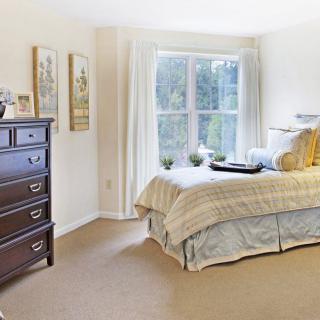
Nevertheless, multiple reviews point to meaningful cons that cannot be dismissed in a careful decision. Understaffing remains a persistent theme for some families, translating into slower response times to call bells, longer waits for assistance with toileting, and visible strain on cognitive and physical rehabilitation schedules. Some residents have experienced issues with the cadence of care: rooms and common areas described as dated or not perfectly pristine, and a minority report of inconsistent administrative communication or billing friction, including disputes over charges and delays in reconciliation after a loved one has passed. While these anecdotes do not define the average experience, they underscore a real-world risk: when staffing is thin, even compassionate care can be uneven in its delivery, and administrative gaps can magnify family anxiety during already stressful transitions.
Given this mix, a practical decision framework becomes essential. Prospective families should schedule multiple visits across shifts to gauge staffing consistency and the cadence of nurse, aide, PT, and OT availability. Ask current leaders for transparent metrics, average response time to a call bell, number of aides per resident during peak hours, and the typical hours therapists spend with each patient daily. Probe the dementia unit specifically: what activities are offered, how behavioral challenges are managed, and what the resident-to-staff ratio looks like in memory care. Confirm social work capacity for discharge planning and insurance navigation, and request recent examples of successful transitions home. Finally, review billing practices in detail, how charges are itemized, how errors are addressed, and how families can expect communications to unfold if questions arise.
In the end, Carillon presents a confident option for families whose chief concern is rehabilitative impact and compassionate daily care, especially for seniors with dementia who benefit from a structured, engaged environment. The center’s therapy-forward approach, paired with a caring nursing team and a responsive social-work presence, makes it a strong candidate for those who value progress and dignity in equal measure. However, the experience can diverge depending on staffing realities and administrative handling. If a seamless, consistently staffed, and meticulously managed non-clinical operation is non-negotiable, it pays to compare alternatives with similar rehab intensity and specialized memory care capabilities. For families willing to navigate the inevitable housekeeping won’t-be-perfect moments in exchange for real gains in function, Carillon remains a credible, sometimes outstanding, choice.
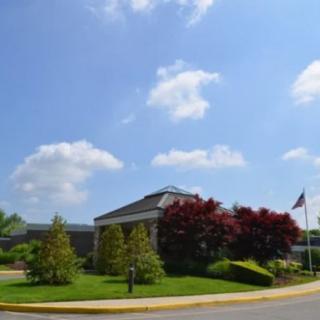
Carillon Nursing & Rehab Center in Huntington, NY is an assisted living community that offers a comfortable and supportive environment for individuals in need of nursing and rehabilitation services. Located in a convenient location with various amenities nearby, it provides residents with the necessary care while also ensuring access to recreational activities and essential services.
For those who enjoy a good cup of coffee or socializing over a meal, there are several cafes and restaurants located close by, offering a range of dining options to suit different tastes. Additionally, the community is situated near parks, providing opportunities for outdoor leisure activities and enjoying nature.
The availability of numerous pharmacies ensures that residents have easy access to medications and healthcare products when needed. Likewise, having nearby physicians means that medical attention and check-ups are readily available.
Transportation options are also conveniently accessible, allowing residents to easily travel to appointments or run errands. Whether it be by public transportation or private means, residents can maintain their independence and stay connected to the wider community.
In terms of entertainment, there is a theater nearby where residents can enjoy movies or live performances. This adds diversity to their recreational options and creates opportunities for engaging with others in the center.
Finally, having a hospital in close proximity gives peace of mind to both residents and their families knowing that emergency medical services are conveniently accessible whenever required.
Overall, Carillon Nursing & Rehab Center offers not only quality care but also ensures that its residents have various amenities nearby for their convenience and enjoyment.
Carillon Nursing & Rehab Center is located at 830 Park Ave, Huntington, NY 11743 in Suffolk County, New York
Navigating the Financial Road to Nursing Home Care: In-Depth Guidance and Resources

The article offers detailed guidance on the financial complexities of nursing home care, covering costs, payment methods, and alternative funding strategies while emphasizing the importance of proactive planning and legal considerations for individuals and families making care decisions.
Supportive Employee Benefits That Help Caregivers Attain Better Work-Life Harmony
The article emphasizes the critical role of supportive employee benefits for caregivers, advocating for flexible scheduling, paid leave, and mental health services to ease their challenges while enhancing employee well-being and organizational loyalty. It also highlights the importance of strong leadership in promoting these initiatives to foster a sustainable workplace culture that values caregivers.
Top Cars for Senior Drivers and Essential Safety Innovations
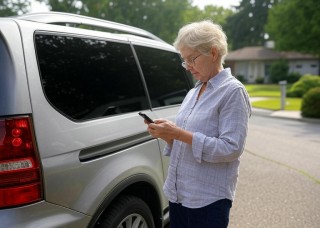
Senior drivers prioritize comfort, safety, and ease of use in vehicles due to age-related challenges, seeking features like easy entry, clear visibility, and modern driver-assistance technologies. Recommended models include the Subaru Forester, Honda CR-V, and Toyota Camry, with emphasis on test-driving for personal comfort and evaluating crash-test ratings alongside insurance considerations.