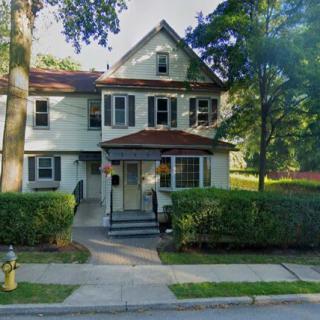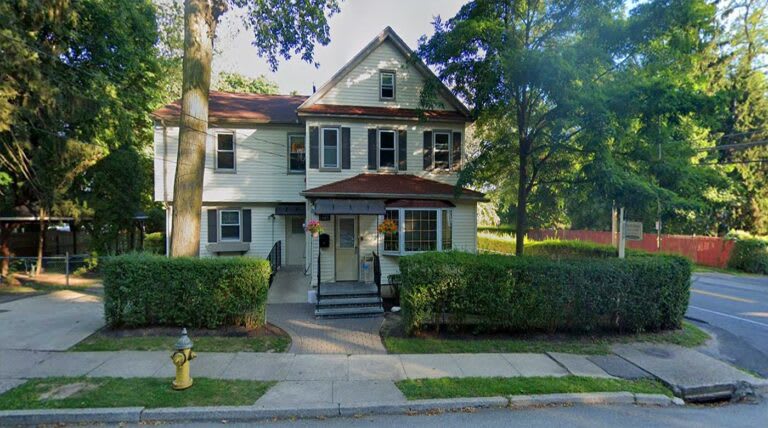
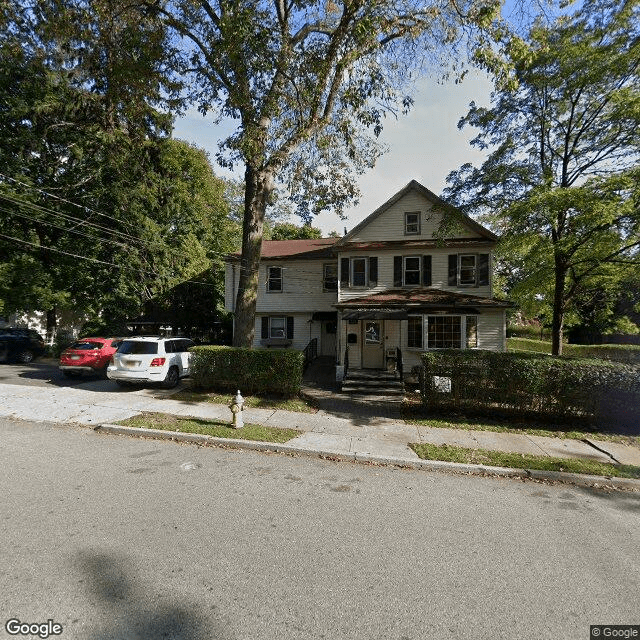
222 Columbia St, Huntington Station, NY 11746
To contact a resident: (631) 427-7685
For more information about senior living options: (866) 208-4318
Manorhaven Adult Home Costs & Pricing
Manorhaven Adult Home offers competitive pricing for its residents compared to both Suffolk County and the broader New York state averages. For semi-private accommodations, Manorhaven charges $1,500 per month, which is significantly lower than the Suffolk County average of $3,706 and the state average of $4,389. Similarly, for studio apartments, Manorhaven's rate is $2,200, contrasting sharply with Suffolk County's average of $5,129 and a state average of $4,532. These cost efficiencies make Manorhaven a compelling option for those seeking quality adult living arrangements while remaining mindful of their budget.
| Floor plans | Manorhaven Adult Home | Suffolk County | New York |
|---|---|---|---|
| Semi-Private | $1,500 | $3,706 | $4,389 |
| Studio | $2,200 | $5,129 | $4,532 |
Assisted Living communities with a similar price nearby
-
from -$275 / mo
Chester Hill Adult Home
$1,225 to $1,317 / month22.1 miles away -
from +$100 / mo
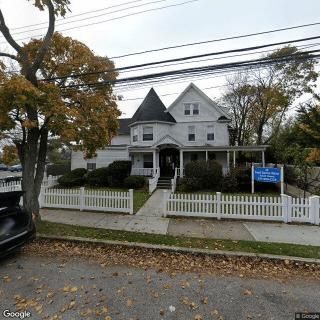
Pearl Garden Manor
$1,600 to $3,200 / month13.5 miles away -
from +$200 / mo
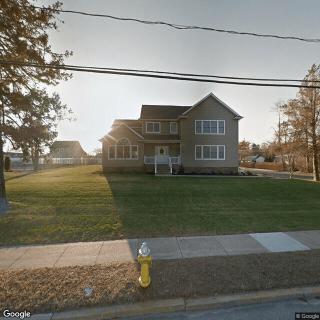
Heartland on the Bay, Inc.
$1,700 to $1,750 / month21.5 miles away
Overall Review of Manorhaven Adult Home
Pros
 The place is clean.
Cons
 No one spoke to them.
- There wasn’t anyone there to answer any questions they had.
- They toured the place all by themselves.
- If they had to make a choice, it would be placed last on their list.
Review
Manorhaven Adult Home in Huntington Station is best suited for seniors who prize a clean, orderly, low-distraction environment and can operate with minimal on-site staff involvement. This community fits residents who manage daily routines independently and do not rely on proactive care coordination or regular assistance. For anyone needing hands-on support, consistent supervision, or clear, guided onboarding, this setting will quickly feel inadequate. The takeaway is practical: it works for self-sufficient residents who want a tidy, quiet space, but it is a poor match for those who expect responsive staff, regular check-ins, or help navigating services.
For families evaluating options, the sharpest alternative guidance centers on seeking facilities with visible, accessible staff, structured onboarding, and proactive communication. If a resident’s needs include assistance with activities of daily living, social engagement, or clear, timely answers during tours and inquiries, other communities will likely outperform Manorhaven. The absence of on-site staff during a visit, paired with the impression that questions go unanswered, should trigger a priority to compare staffing levels, resident programming, and family communication policies elsewhere. In short, alternatives should emphasize responsiveness and a demonstrated commitment to guided care planning.
The most tangible positive attribute is the cleanliness of the environment. A well-maintained, sanitary campus reduces common safety risks and creates a calmer atmosphere, which matters for seniors sensitive to odors, clutter, or disarray. A neat setting can contribute to ease of navigation and a sense of order, factors that matter for comfort and routine. That said, cleanliness alone cannot compensate for gaps in engagement, access to information, and the reassurance that comes from consistent, approachable staff.
The principal drawbacks are substantive and design-related rather than cosmetic. The experience described, tours conducted without guidance, no one available to answer questions, and no natural opportunity to engage with leadership or care staff, undermines the essential decision-making process. Prospective residents deserve real-time interactions, candid explanations of services offered, and a clear sense of how care plans would be developed and revised. With only a single 3-star review shaping the community’s reputation, there is little evidence of reliable, resident-centered operations beyond surface tidiness.
In weighing the pros and cons, the clean, quiet environment does not offset the core deficit: a lack of staff presence and proactive communication. This combination renders Manorhaven more suitable for residents who can tolerate a “self-serve” model, essentially treating the facility as a supervised apartment building rather than a campus with engaged caregiving. For families, the risk is that critical questions about care boundaries, safety protocols, meal service, and activity opportunities remain unaddressed during initial visits. The prudent path is to demand a visit experience that includes direct time with a supervisor or administrator, a tour of the care process, and documented answers to questions about daily assistance, emergency response, and partner services.
The bottom-line recommendation is clear: Manorhaven should be on the list for those who prioritize a spotless, low-stimulation setting and either do not require or can fully manage external care resources. For anyone whose loved one needs regular assistance, meaningful social engagement, or confident, responsive management, this community should be considered a last resort or a temporary stop while evaluating alternatives. Practical decision criteria should center on staffing presence, clarity of care offerings, actual resident programming, and whether tours and inquiries are handled with attentiveness and transparency. In the decision-making process, these factors will determine whether the pristine environment translates into true peace of mind or simply a quiet surface with unresolved questions lingering beneath.
 32 resident community capacity
 Assisted Living
 Activities on-site
 Beauty salon
 Cable or satellite TV
 Devotional services off-site
 Dining room
 Fully furnished
 Garden
 Housekeeping services
 Indoor common areas
 Kitchenette
 Move-in coordination
 Outdoor space
 Restaurant-style dining
 Small library
 Telephone
 Wi-Fi/high-speed internet available
 Long Island - MacArthur (17 miles away)
 24-hour call system
 Ambulatory care
 Assistance with bathing
 Assistance with dressing
 Assistance with transfers
 Diabetes diet
 Diabetic care
 Incontinence care
 Medication management
 Mental wellness program
 Special dietary restrictions


 Is Assisted Living Deductible on Your Taxes? Understanding the Complexities of Assisted Living Expenses and Deductions
 Assisted Living Support for Veterans: A Complete and Detailed Overview
 Exploring the Contrasts Between Assisted Living and Skilled Nursing