For more information about senior living options: (866) 208-4318
4.1 from 63 reviews
5 stars
41
4 stars
5
3 stars
7
2 stars
2
1 stars
8
Sunrise of Huntington Costs & Pricing
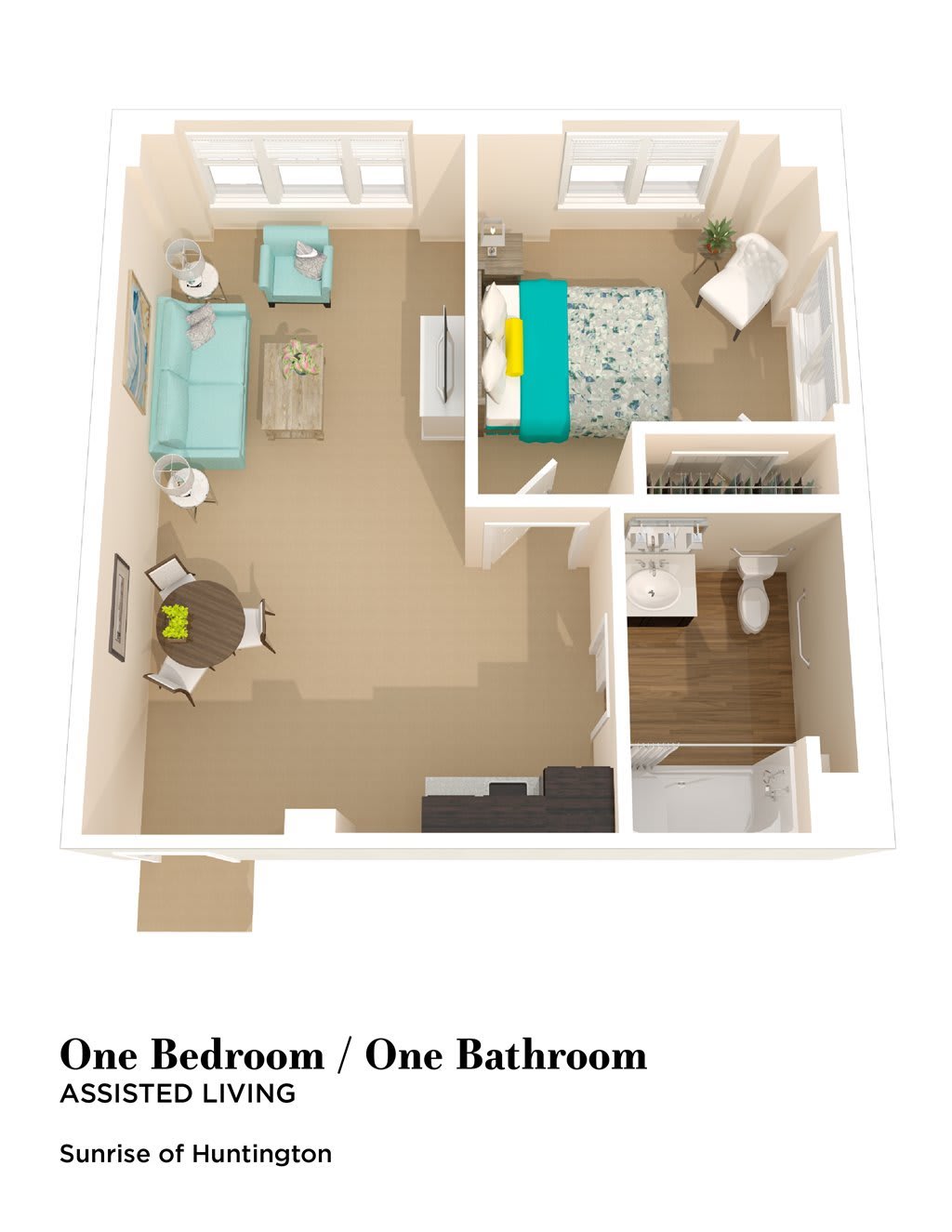
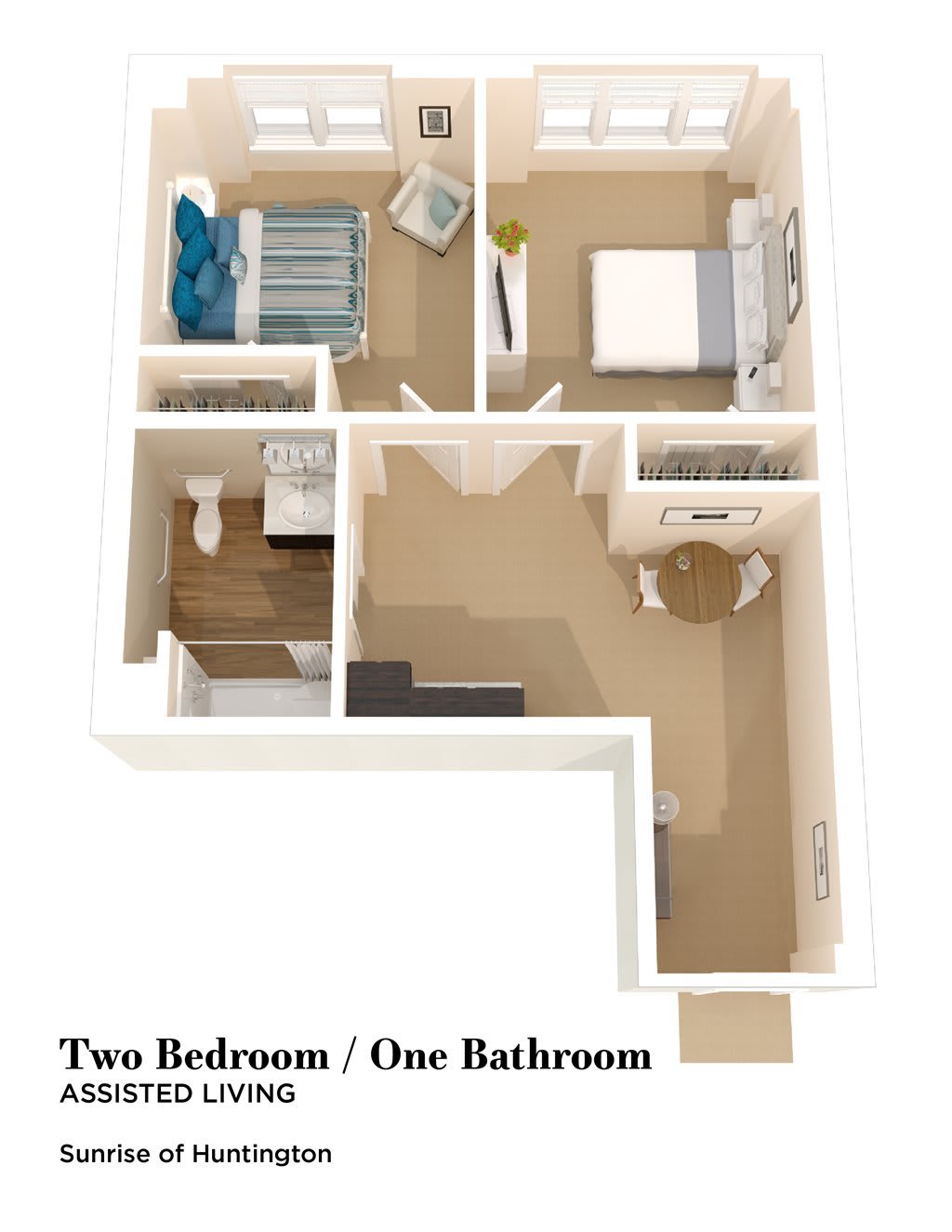
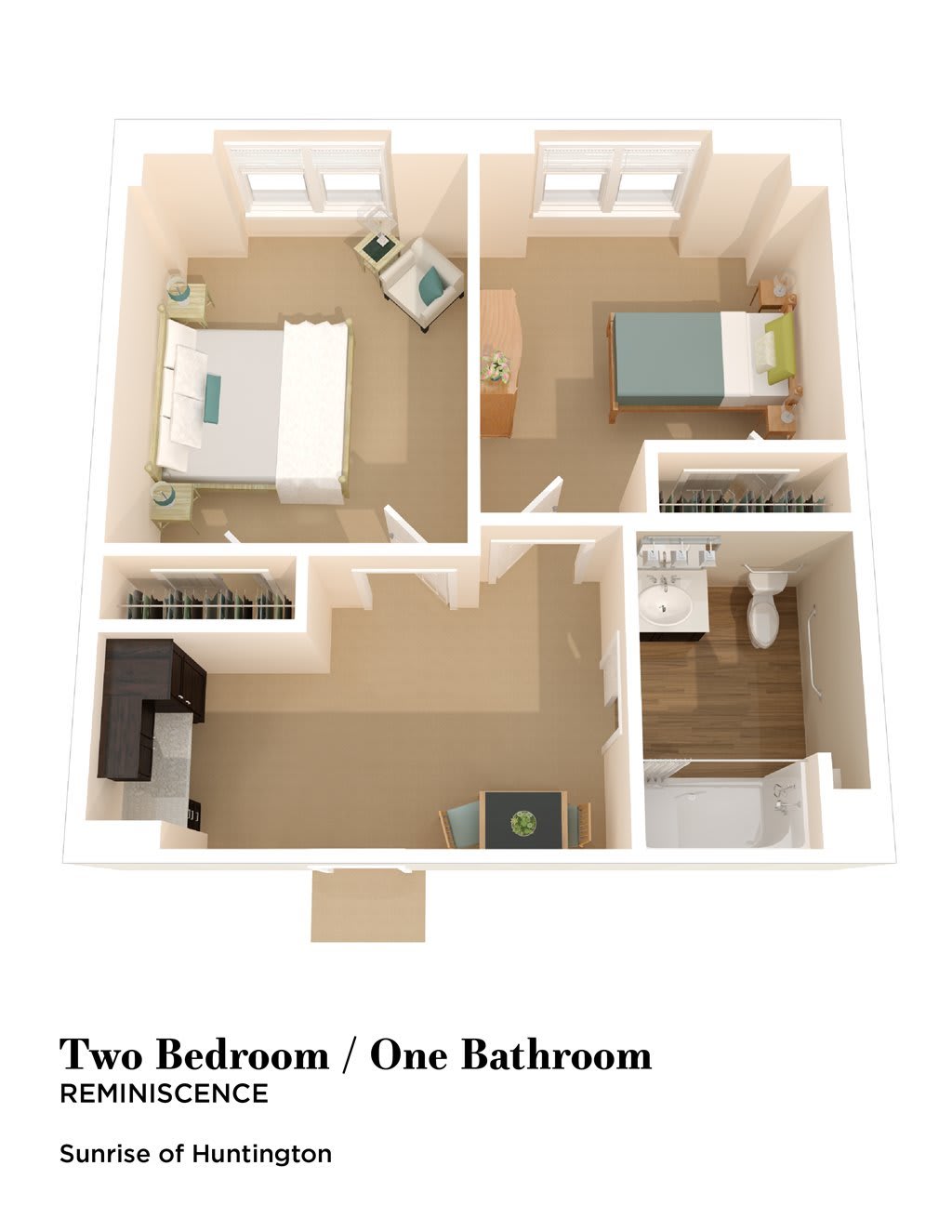
At Sunrise of Huntington, the monthly costs for various room types reflect a premium care environment in comparison to both Suffolk County averages and broader New York state rates. The semi-private rooms are priced at $8,610, significantly higher than the county's average of $3,706 and the state's average of $4,389. For a two-bedroom suite, residents can expect to pay $10,230, which again surpasses the county's average of $6,101 and the state's $4,786. Studio accommodations are available for $10,260, compared to $5,129 in Suffolk County and $4,532 statewide. Lastly, one-bedroom units at Sunrise come in at $12,060 - well above the county's figure of $5,646 and New York's overall average of $4,307. These figures highlight that while Sunrise of Huntington offers an elevated cost structure reflective of its quality amenities and personalized care services, they do stand apart from local and state norms in terms of affordability.
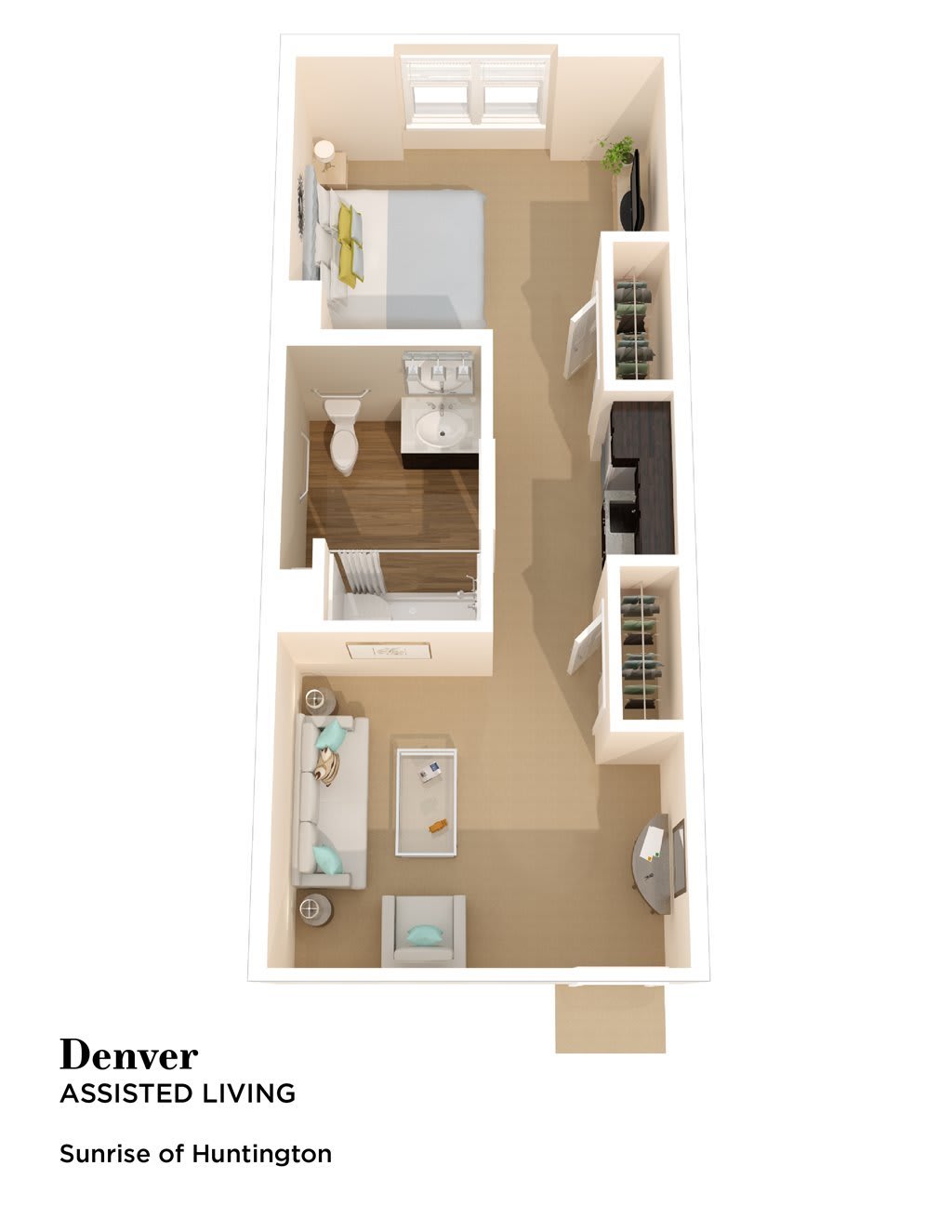
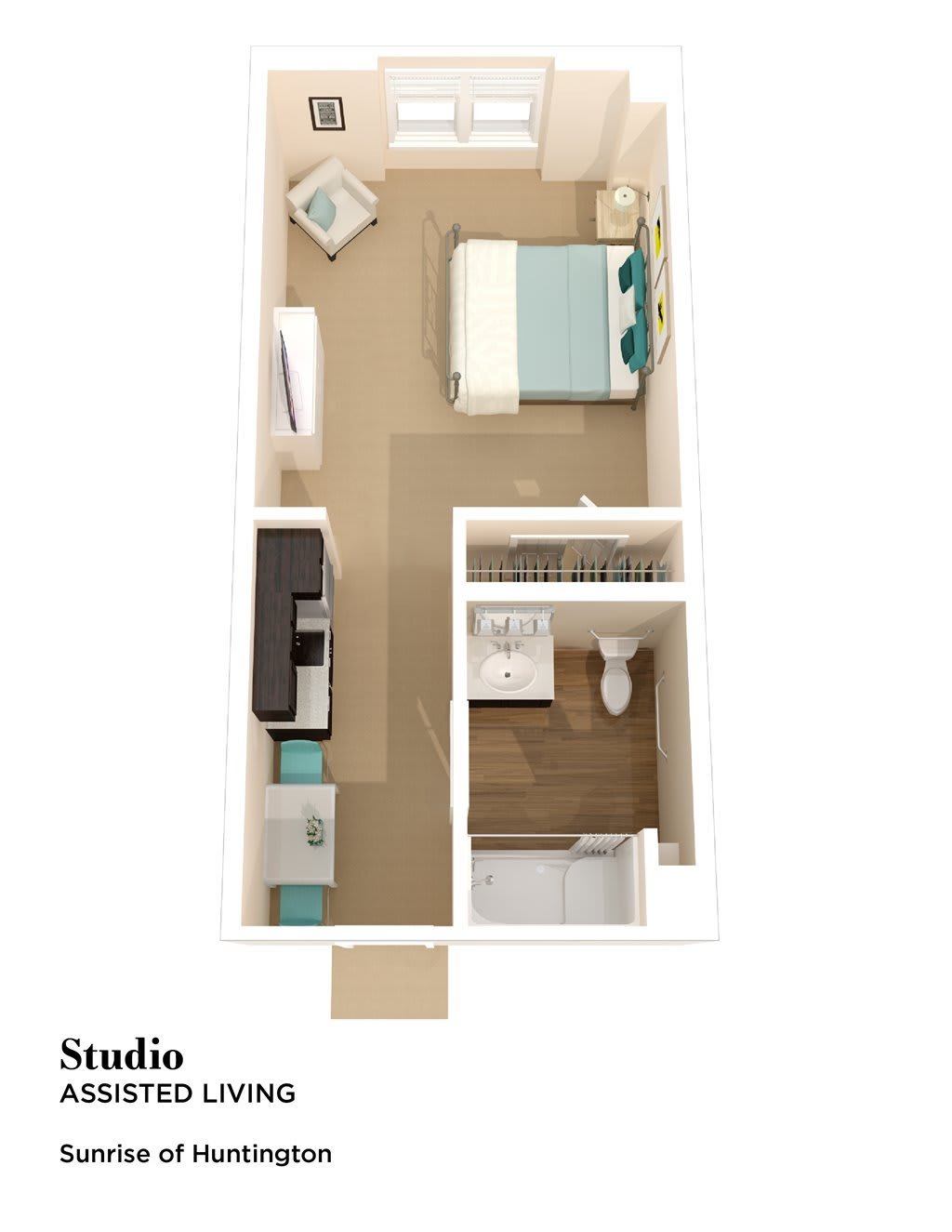
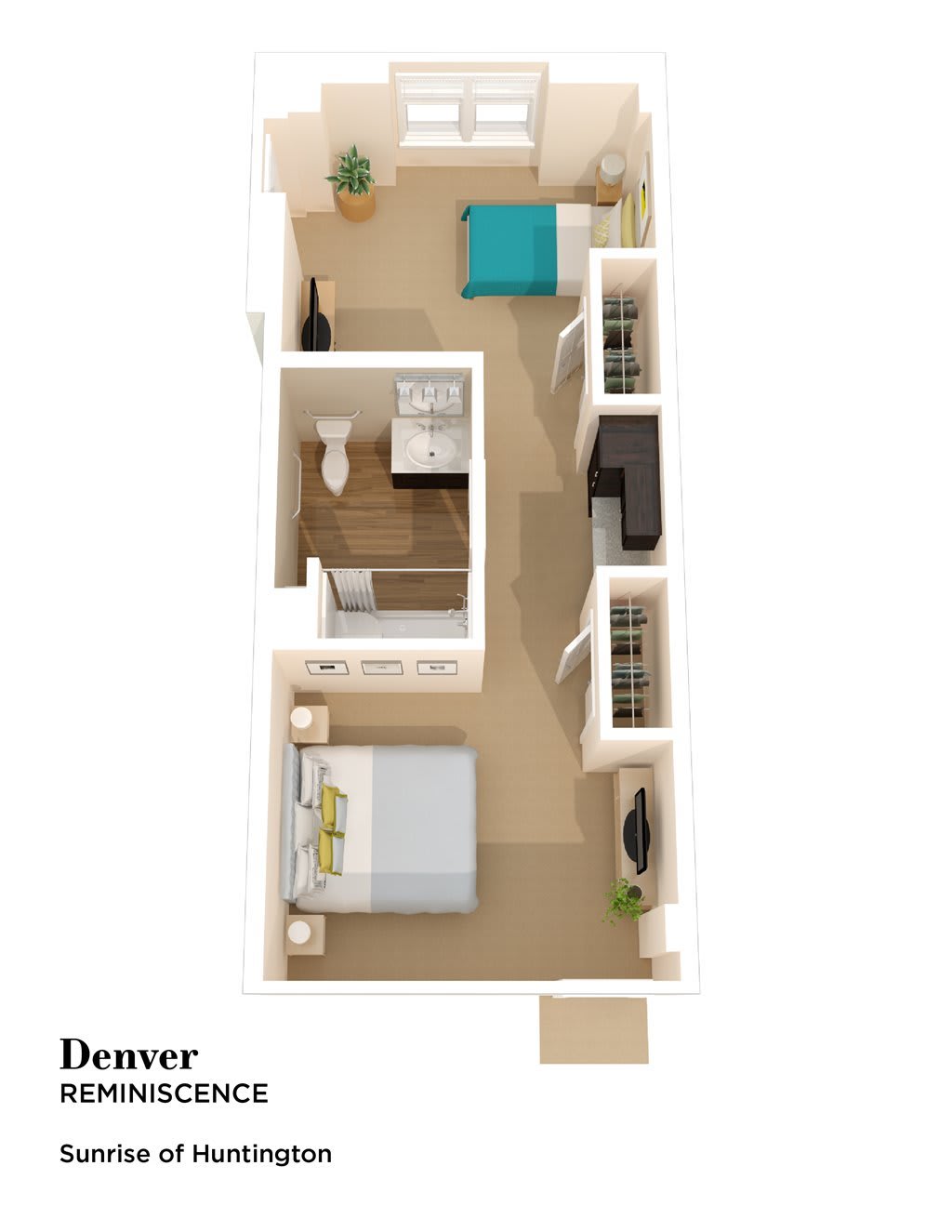
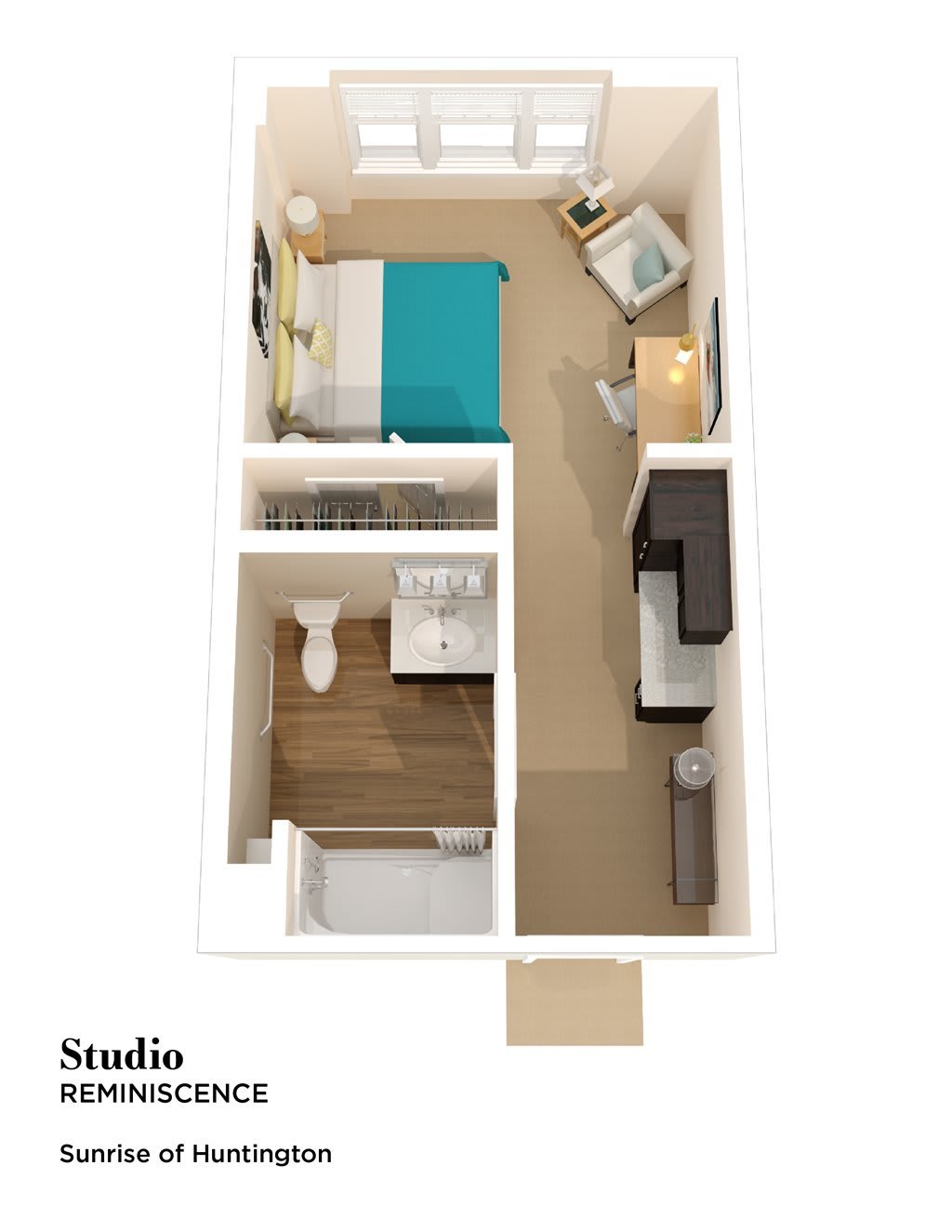
Floor plans
Sunrise of Huntington
Suffolk County
New York
Semi-Private
$8,610
$3,706
$4,389
2 Bedrooms
$10,230
$6,101
$4,786
Studio
$10,260
$5,129
$4,532
1 Bedroom
$12,060
$5,646
$4,307
Memory care communities with a similar price nearby
Residents and families repeatedly describe attentive, caring staff who communicate and follow through.
Many reviewers say staff members are kind, patient, and respectful, with caregivers who help residents feel safe and supported. Families also mention frequent check-ins and updates, including calls when changes happen and ongoing communication about progress. Several reviews describe staff going out of their way to help with care needs, comfort, and day-to-day routines, which contributes to a strong sense of trust.
common9 reviews mention this
Activities keep residents engaged
Residents are consistently described as staying engaged through structured activities.
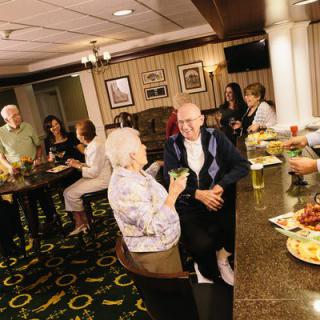
Reviewers frequently point to a steady flow of activities and social opportunities that help residents participate and feel included. Some describe specific engagement in games and group programs, while others mention exercise and day-to-day group events. A common theme is that the community aims to keep residents occupied rather than watching passively.
differentiator5 reviews mention this
Memory care support is a key theme
Families discuss meaningful memory-care transitions and day-to-day support for changing needs.
Several reviews focus on memory care and how the community handled a move within their care setting as needs changed. One family describes a transition to memory care as thoughtful and supportive, with the residentā€™s days filled with appropriate activities. Another review discusses needing very hands-on supervision and describes the comfort of knowing 24/7 professional care was in place.
caveat4 reviews mention this
Dining quality and consistency vary
Dining is a mixed experience, with some families reporting concerns about food quality.
While a few reviewers mention menus being good or food being part of overall satisfaction, other residents and families describe consistent dissatisfaction with the food. One review directly criticizes the quality of the meals, and another says parents complain often about dining. There are also comments suggesting expectations were not met around day-to-day food experience, creating an uneven pattern across reviews.
caveat6 reviews mention this
Pricing feels high, with added fees
Pricing is described as expensive, and some reviews mention additional charges.
Multiple reviewers describe the overall cost as very high compared with what they expected or compared with alternatives they chose afterward. Several also mention extra costs, including the need for additional support not initially expected and an assessment-style fee added to monthly billing. Together, these comments make cost one of the most prominent drawbacks in the reviews.
How we summarize
Counts show how many written reviews mention each theme; a review can touch several themes, and only frequently mentioned themes are displayed.
Features
Housing
110 resident community capacity
1-bedroom apartments
2-bedroom apartments
Studio apartments
Types of Care
Assisted Living
Memory Care
Pets
Cats allowed
Dogs allowed
Amenities
Activities off-site
Activities on-site
Air-conditioning
Bath tubs
Beautician on-site
Beauty salon
Cable or satellite TV
Cafe
Computer center
Devotional services off-site
Dining room
Financing advice
Fitness room
Fully furnished
Gaming room
Garden
Ground floor units
Handicap accessible
Home sale assistance
Housekeeping services
Indoor common areas
Kitchenette
Move-in coordination
Outdoor common areas
Outdoor space
Party space
Private bathrooms
Resident parking
Respite or short term stays offered
Restaurant-style dining
Small library
TV room
Telephone
VA Benefits Consultation
Wellness center
Wheelchair accessible showers
Wi-Fi/high-speed internet available
Transportation
Long Island - MacArthur (17 miles away)
Westchester Cty (22 miles away)
John F Kennedy International (23 miles away)
LaGuardia (24 miles away)
Community operated transportation
Transportation arrangement
Transportation arrangement (non-medical)
Care Services
12-16 hour nursing
24-hour call system
24-hour supervision
Activities of daily living assistance
Assistance with bathing
Assistance with dressing
Assistance with transfers
Coordination with health care providers
Diabetes diet
Diabetic care
High acuity care
Hospice care
Incontinence care
Meal preparation and service
Medication management
Mental wellness program
Mild cognitive impairment
Physical therapy
Special dietary restrictions
Specialized memory care programming
Transportation arrangement (medical)
Transportation to doctors appointments
Dining
Diabetes diet
Guest meals
Low / no sodium
Meals provided
No Sugar
Professional chef
Restaurant style dining
Room service
Special dietary restrictions
Special dining programs
Vegetarian
Activities
Activities off-site
Art classes
Brain fitness
Community-sponsored activities
Concierge services
Cooking club
Day trips and outings
Devotional activities offsite
Educational speakers / life long learning
Fitness programs
Games
Gardening club
Live dance or theater performances
Live musical performances
Live well programs
Planned day trips
Resident-run activities
Scheduled daily activities
Stretching classes
Yoga / chair yoga
Nearby Places of Interest
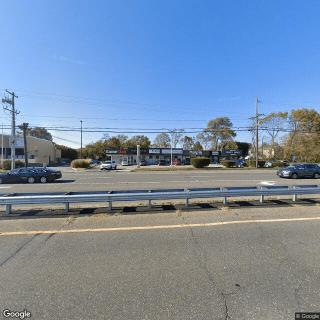
Huntington Station, New York, offers a convenient and diverse array of amenities for seniors looking to settle in the area. With a variety of dining options ranging from upscale restaurants like The Bryant to familiar favorites like McDonald's and Chick-Fil-A, there is something to suit every taste. Nearby pharmacies such as CVS and Walgreens provide easy access to prescription medications and healthcare essentials. Additionally, the area boasts several cafes including Starbucks and Panera Bread for a relaxing coffee break or casual meal. For medical needs, there are reputable physicians' offices and hospitals within a short distance, ensuring quality healthcare services are readily available. Residents can also enjoy outdoor activities at nearby parks such as Mill Dam Park and Bethpage State Park, or catch a movie at one of the local theaters like AMC Huntington Square 12. Overall, Huntington Station provides a vibrant and well-rounded community for seniors seeking an active and fulfilling lifestyle.
Restaurants
The Bryant (0.5 miles)
McDonald's (1.7 miles)
Prime Restaurant (4.1 miles)
Gossip Bar & Restaurant (4.5 miles)
Taco Bell (5.2 miles)
Chick-Fil-A (5.6 miles)
Richie's Pizza of Commack (6.4 miles)
Pharmacies
CVS Pharmacy (0.6 miles)
Walgreens (0.9 miles)
Walgreens (2.2 miles)
Rite Aid (3 miles)
CVS Pharmacy (3.7 miles)
CVS Pharmacy (4 miles)
King Kullen (4.1 miles)
Cafes
Starbucks (0.7 miles)
Panera Bread (4.3 miles)
Starbucks (5.2 miles)
Mongo's Coffee (5.2 miles)
Starbucks (6.5 miles)
Starbucks (6.8 miles)
Starbucks (6.9 miles)
Transportation
Lirr (1.8 miles)
Greenlawn LIRR Station (4.2 miles)
LIRR - Syosset Station (4.3 miles)
Lirr - Farmingdale Station (6.4 miles)
LIRR - Bethpage Station (6.7 miles)
LIRR - Hicksville Station (7 miles)
Atlantic Aviation (7.4 miles)
Physicians
ENT and Allergy Associates -Melville (2.6 miles)
Plainview Medical Group PC (4.1 miles)
Northwell Health Physician Partners Obstetrics and Gynecology at Commack (5.7 miles)
Dr Pillitieri (6.3 miles)
Central Nassau Guidance (6.4 miles)
Memorial Sloan Kettering Cancer Center Commack (6.8 miles)
At Sunrise of Huntington, the monthly costs for various room types reflect a premium care environment in comparison to both Suffolk County averages and broader New York state rates. The semi-private rooms are priced at $8,610, significantly higher than the county's average of $3,706 and the state's average of $4,389. For a two-bedroom suite, residents can expect to pay $10,230, which again surpasses the county's average of $6,101 and the state's $4,786. Studio accommodations are available for $10,260, compared to $5,129 in Suffolk County and $4,532 statewide. Lastly, one-bedroom units at Sunrise come in at $12,060 - well above the county's figure of $5,646 and New York's overall average of $4,307. These figures highlight that while Sunrise of Huntington offers an elevated cost structure reflective of its quality amenities and personalized care services, they do stand apart from local and state norms in terms of affordability.
The features of Sunrise of Huntington are designed to create a supportive and enriching environment for residents with dementia or Alzheimer's disease, addressing their unique needs at various stages of cognitive decline. With 24-hour supervision, residents receive constant care ensuring safety and well-being. Assistance with activities of daily living, such as bathing and dressing, fosters dignity while promoting independence. The availability of brain fitness programs and specialized memory care programming engages cognitive skills, helping to slow progression and enhance quality of life. Coordination with healthcare providers facilitates comprehensive medical support tailored to individual health needs, while medication management ensures adherence to treatment plans. Meal preparation addresses nutritional requirements, and incontinence care ensures comfort and hygiene. Additionally, physical therapy aids mobility and strength, enhancing overall functionality. Transportation arrangements for medical appointments further assist in maintaining continuity of care, contributing to the holistic support system essential for those living with mild to advanced stages of cognitive impairment.
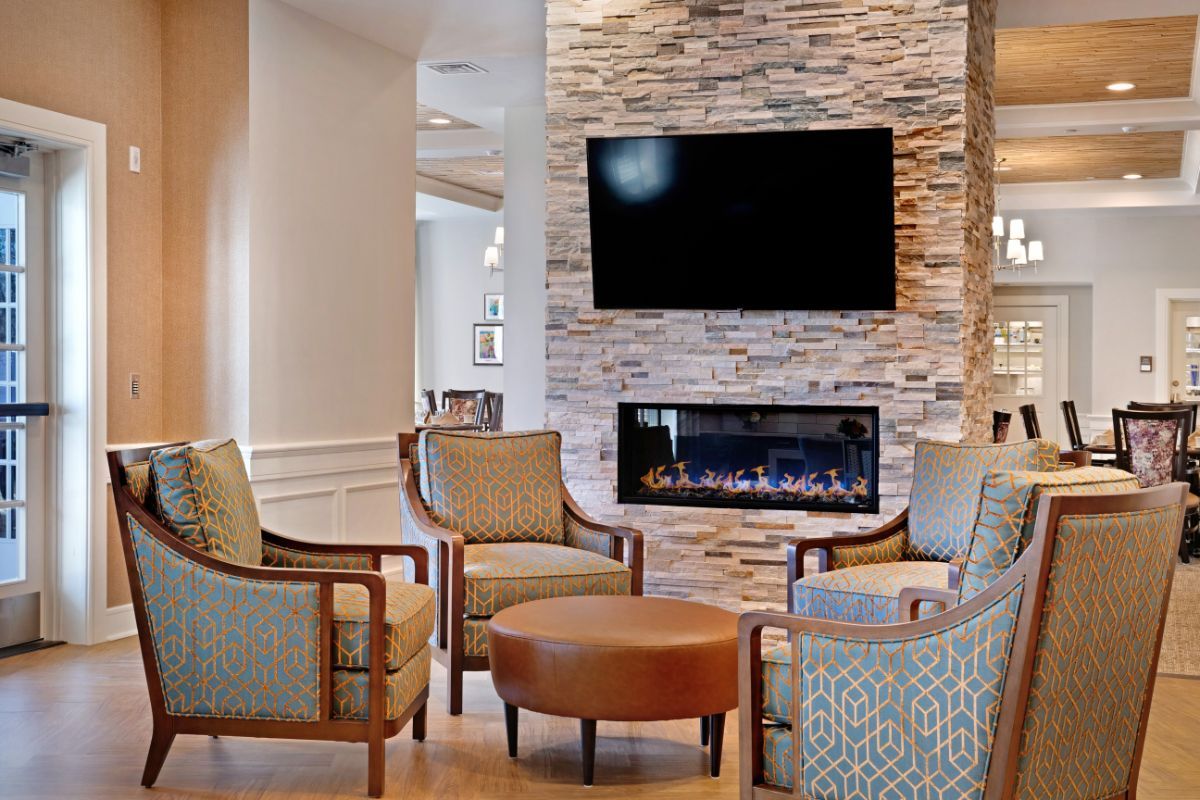
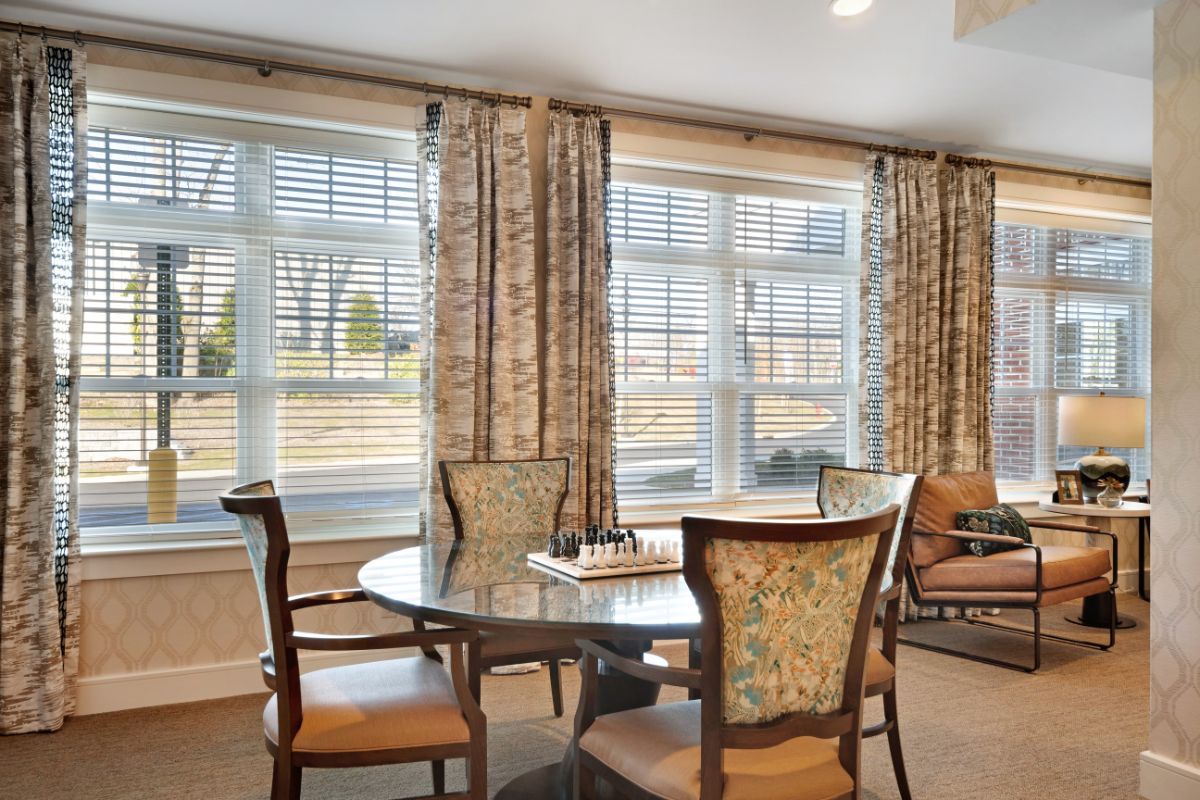
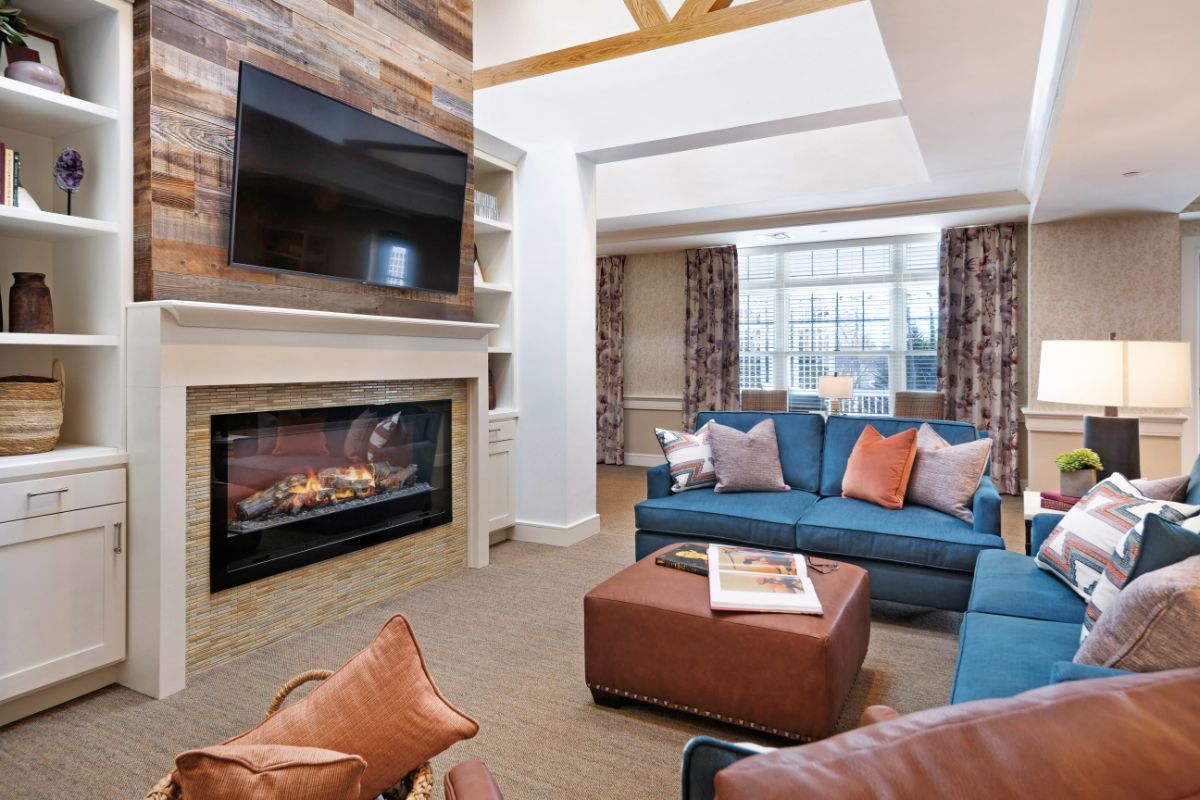
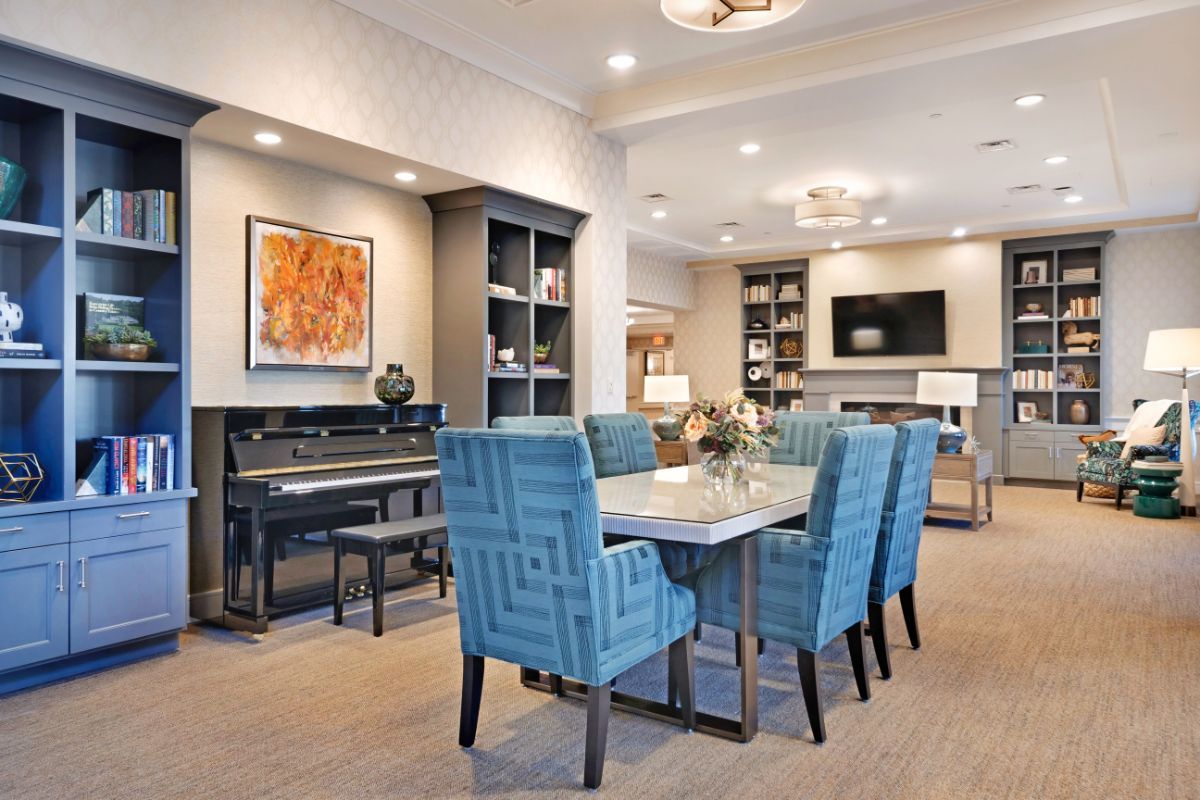
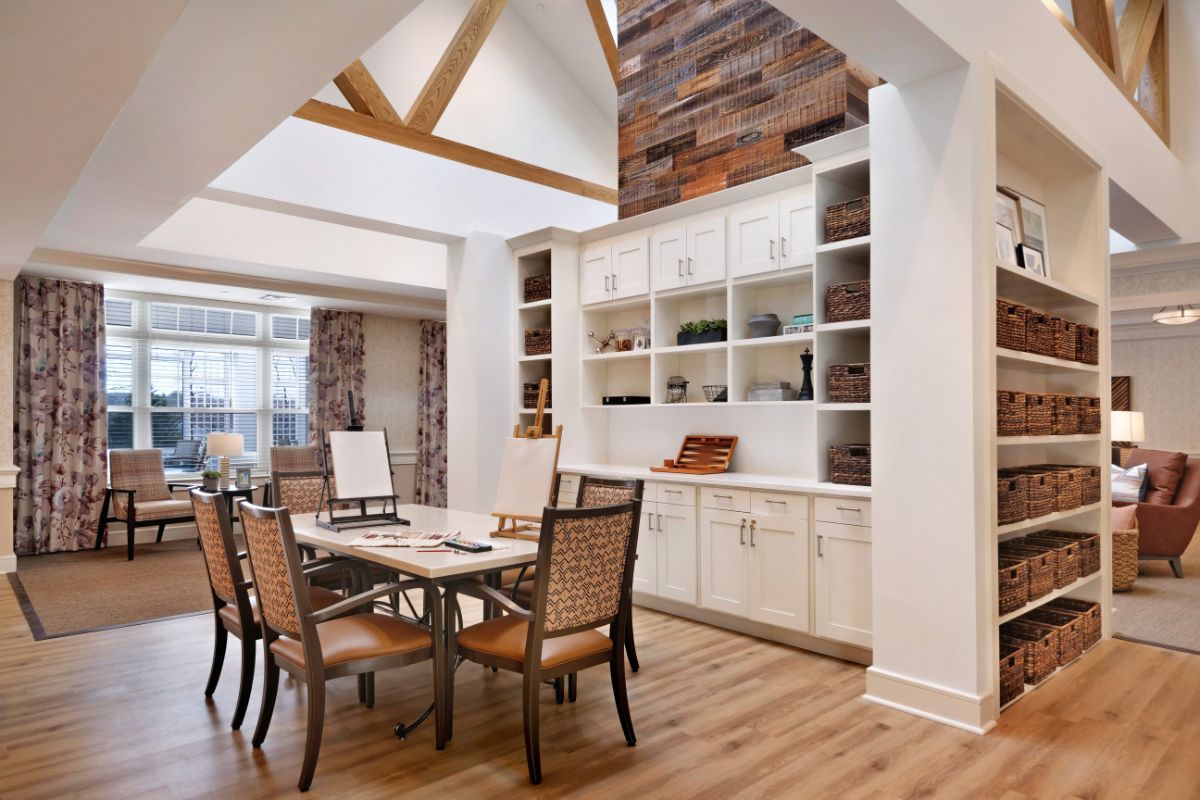
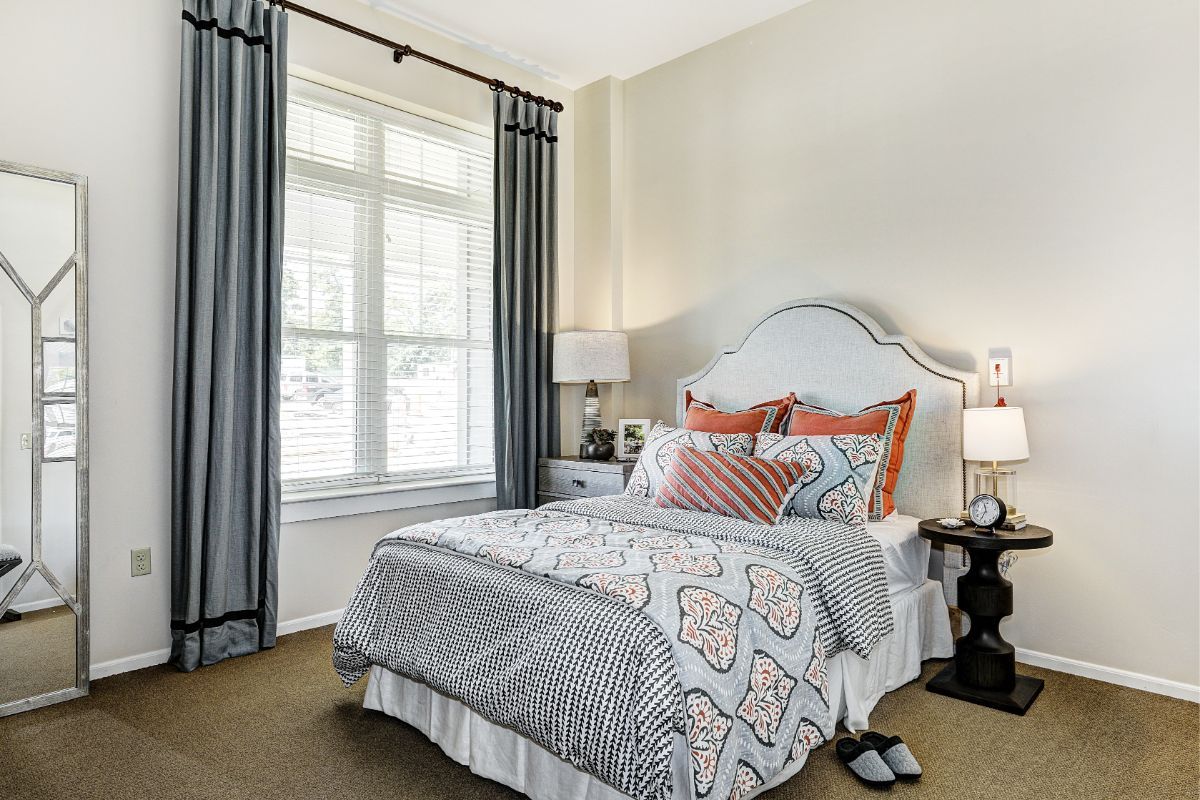
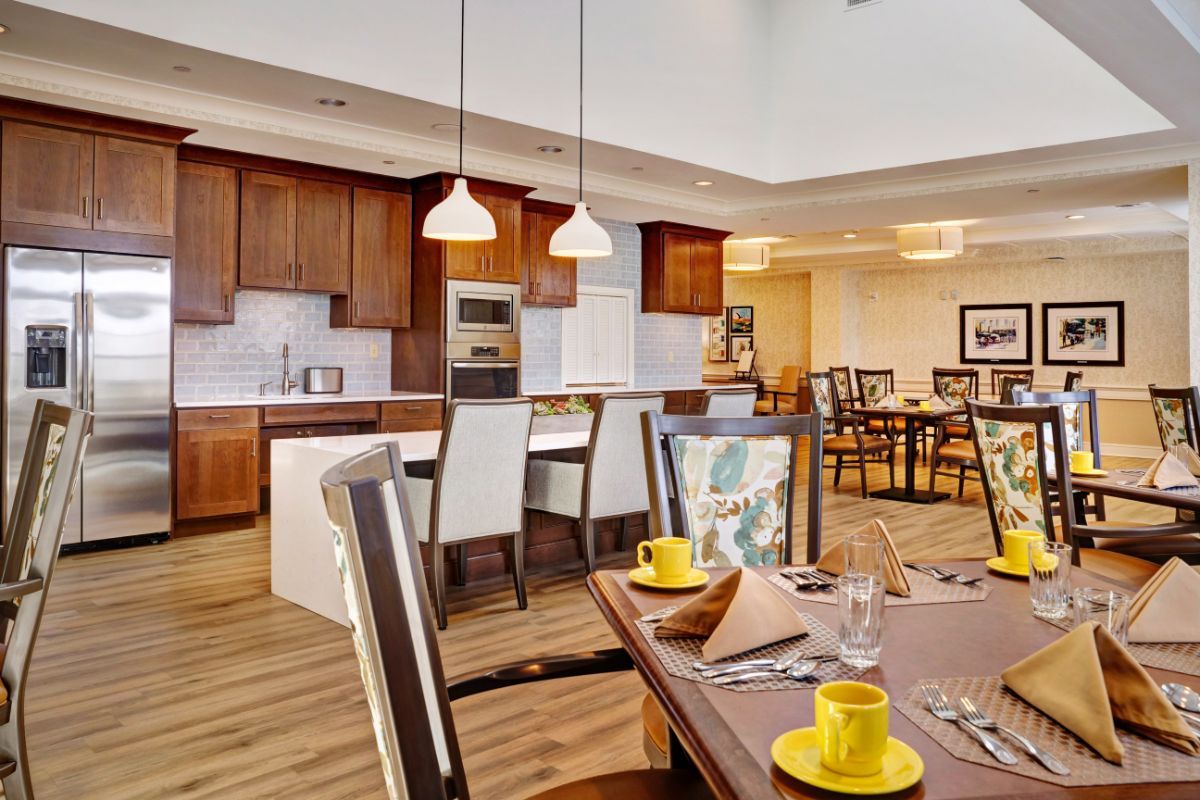
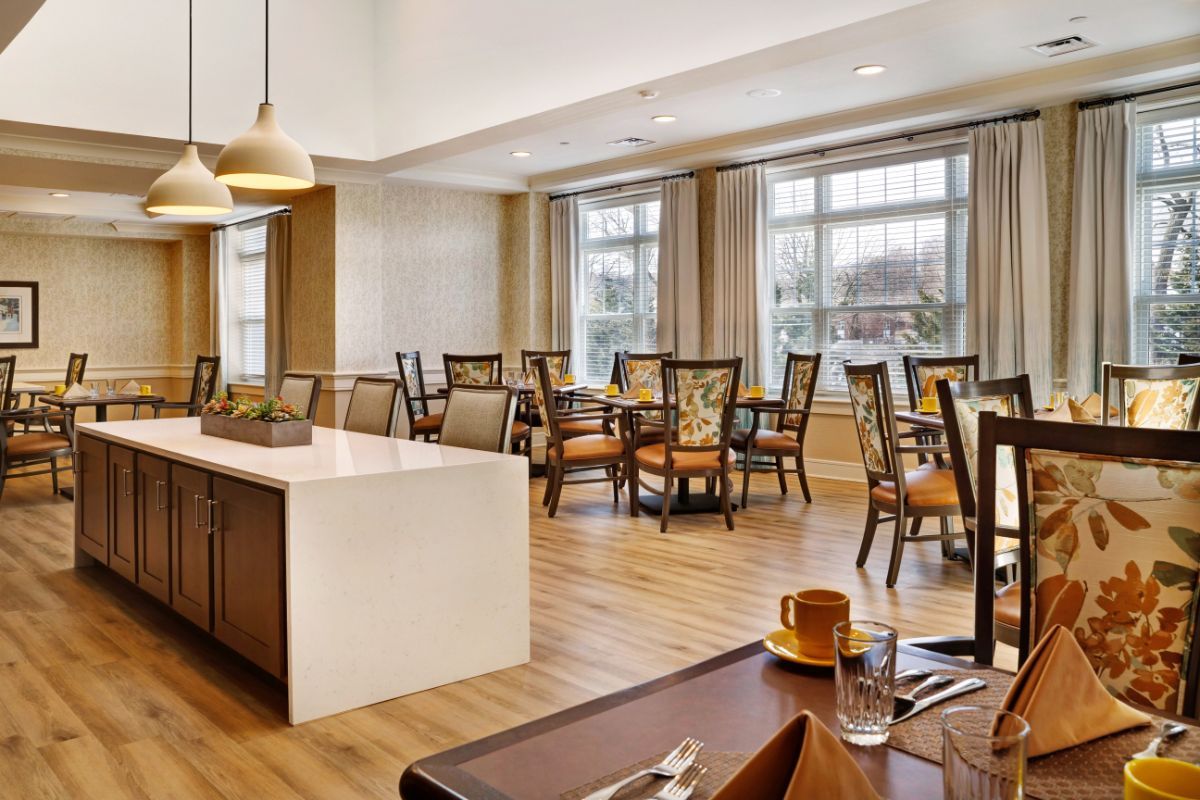
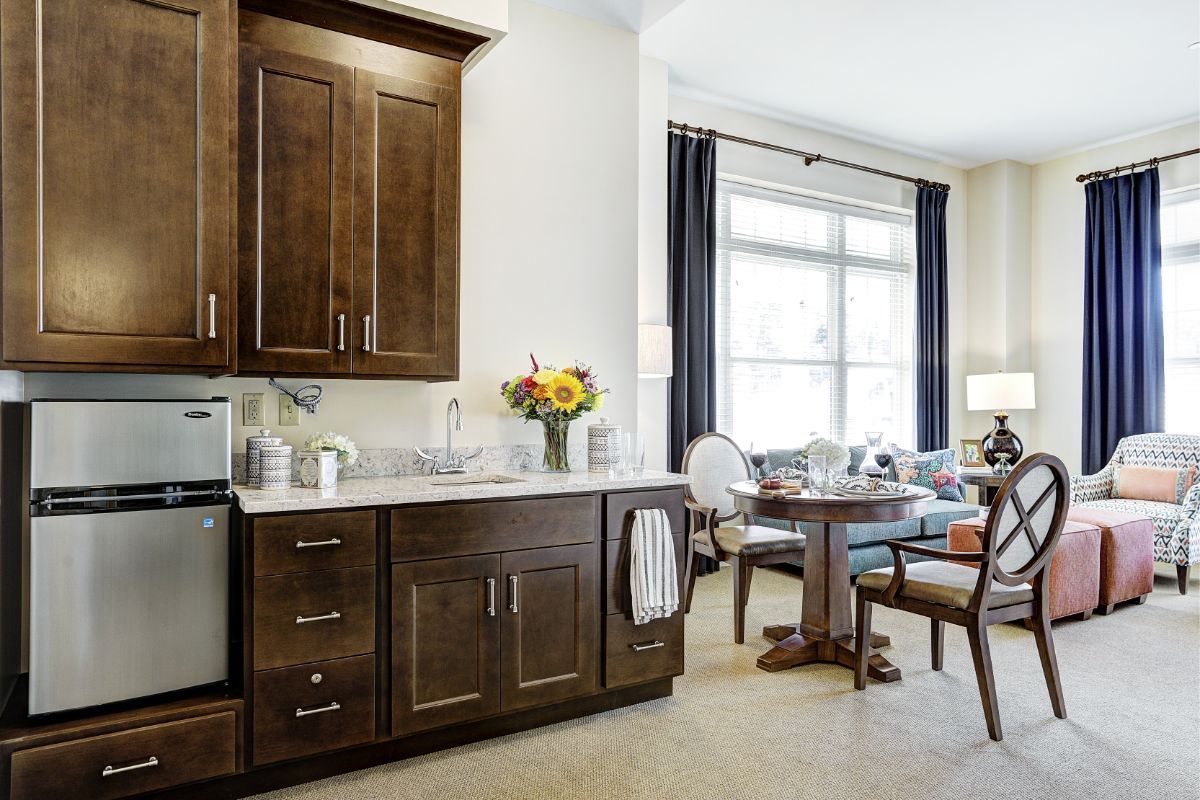
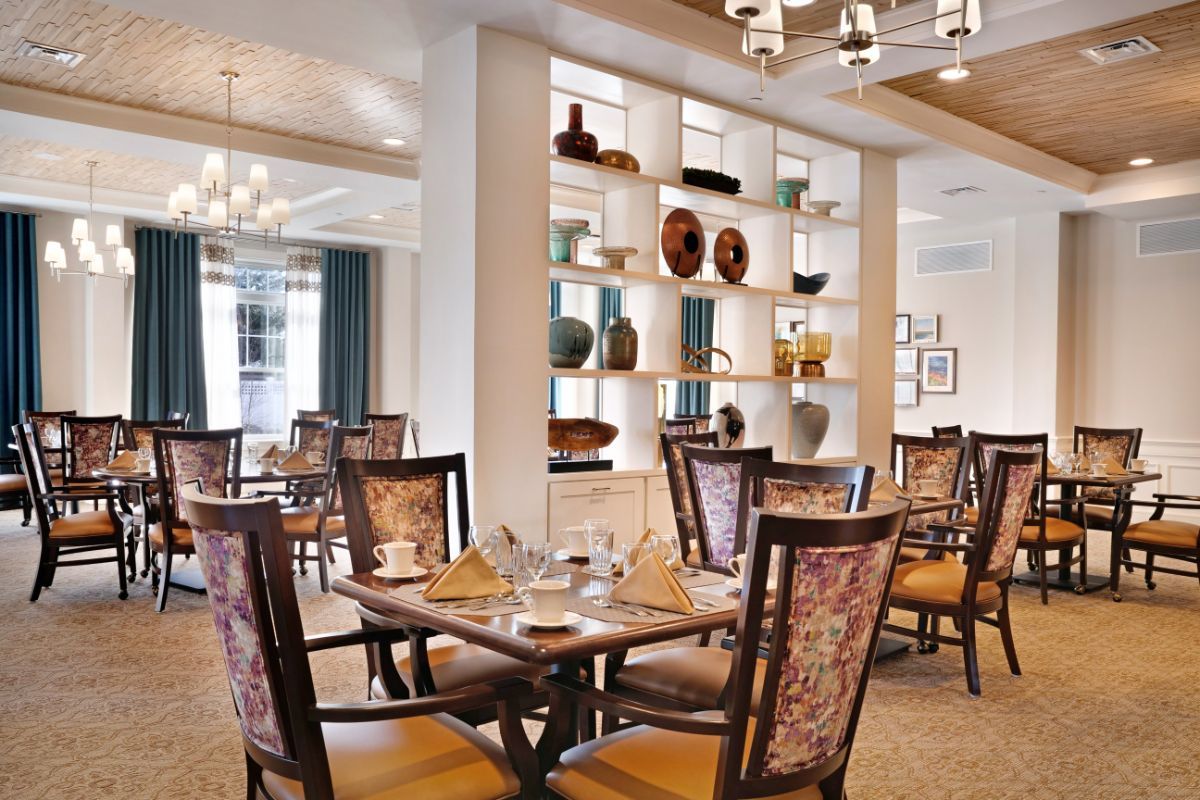
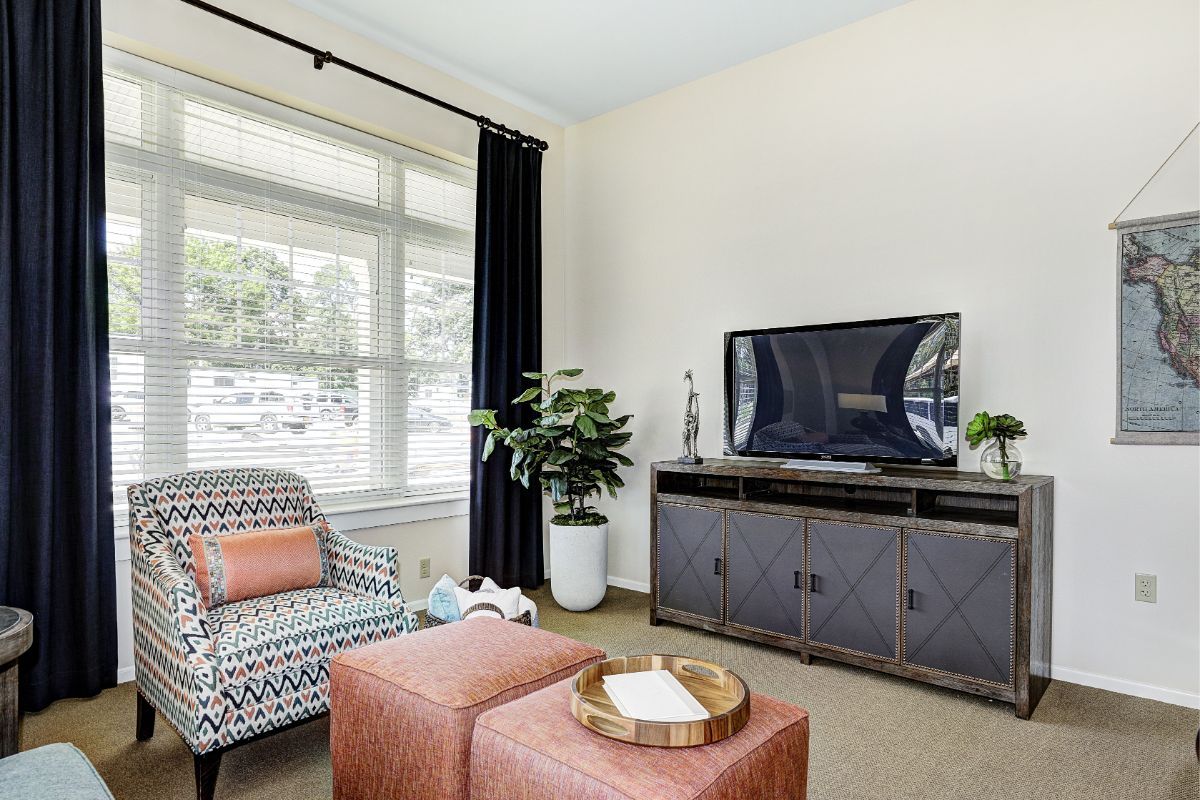
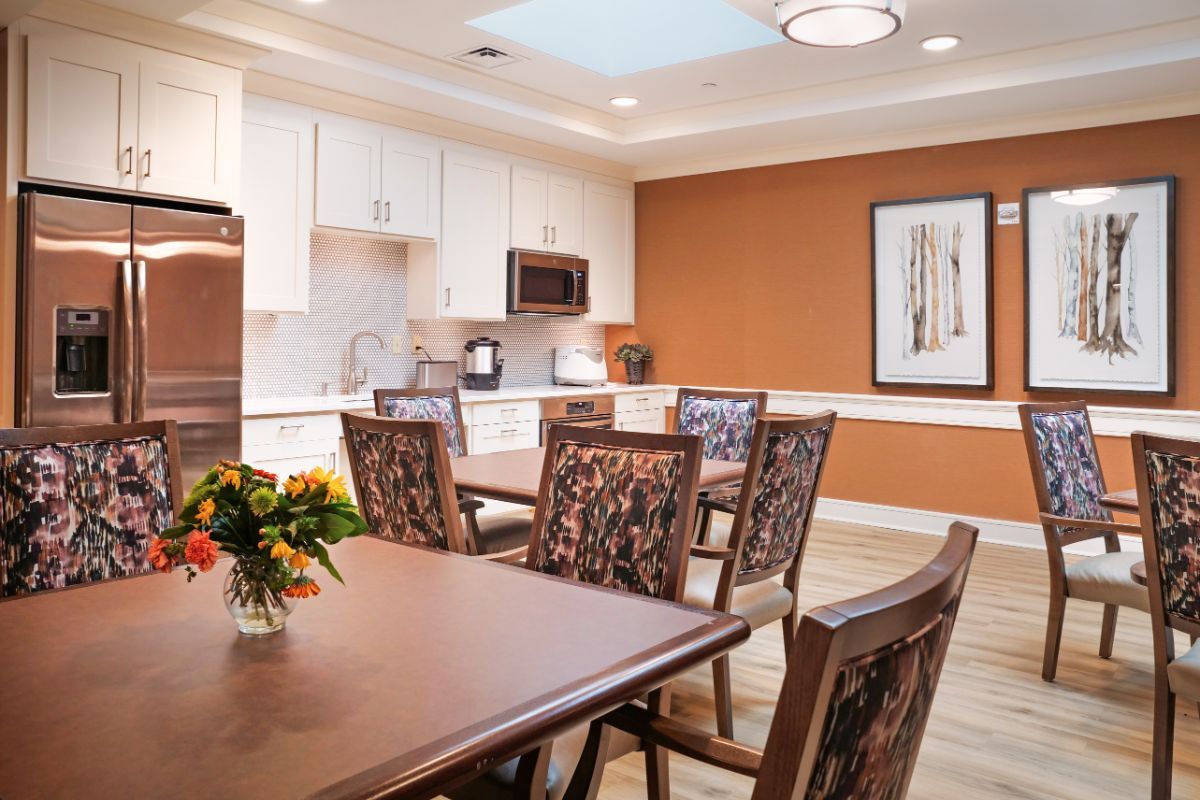
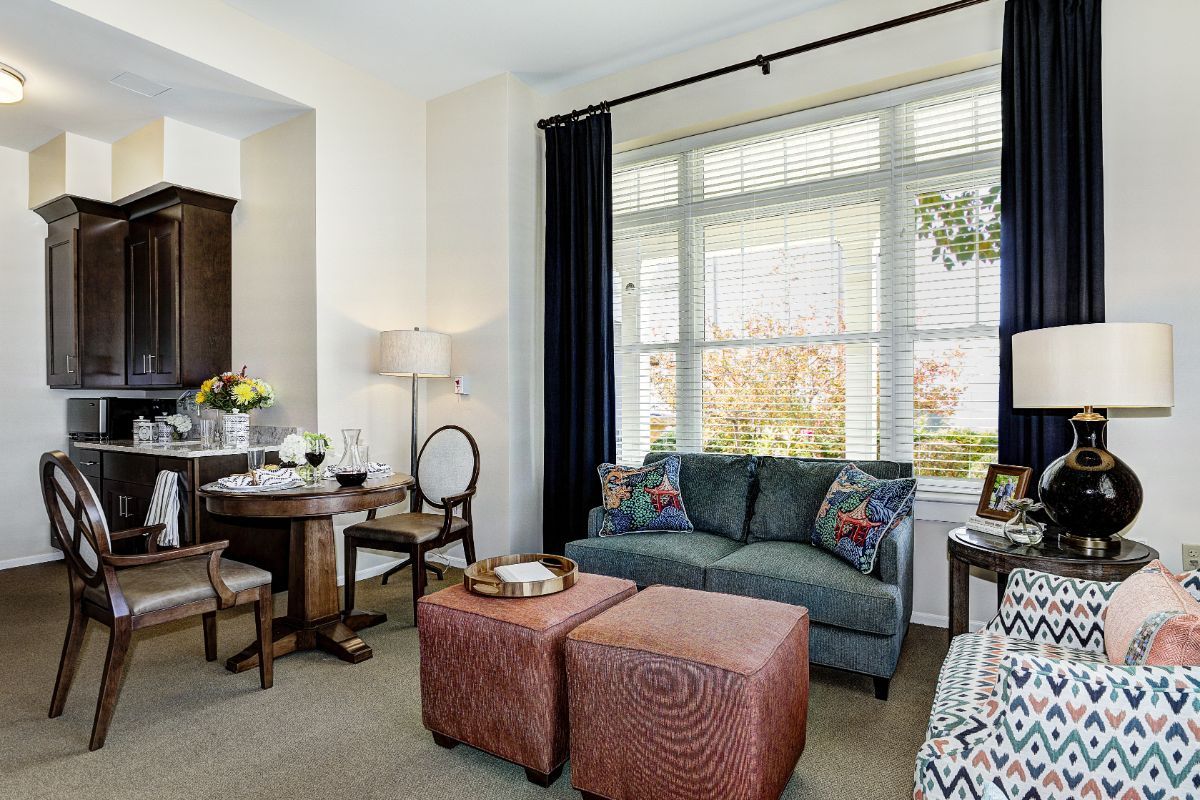
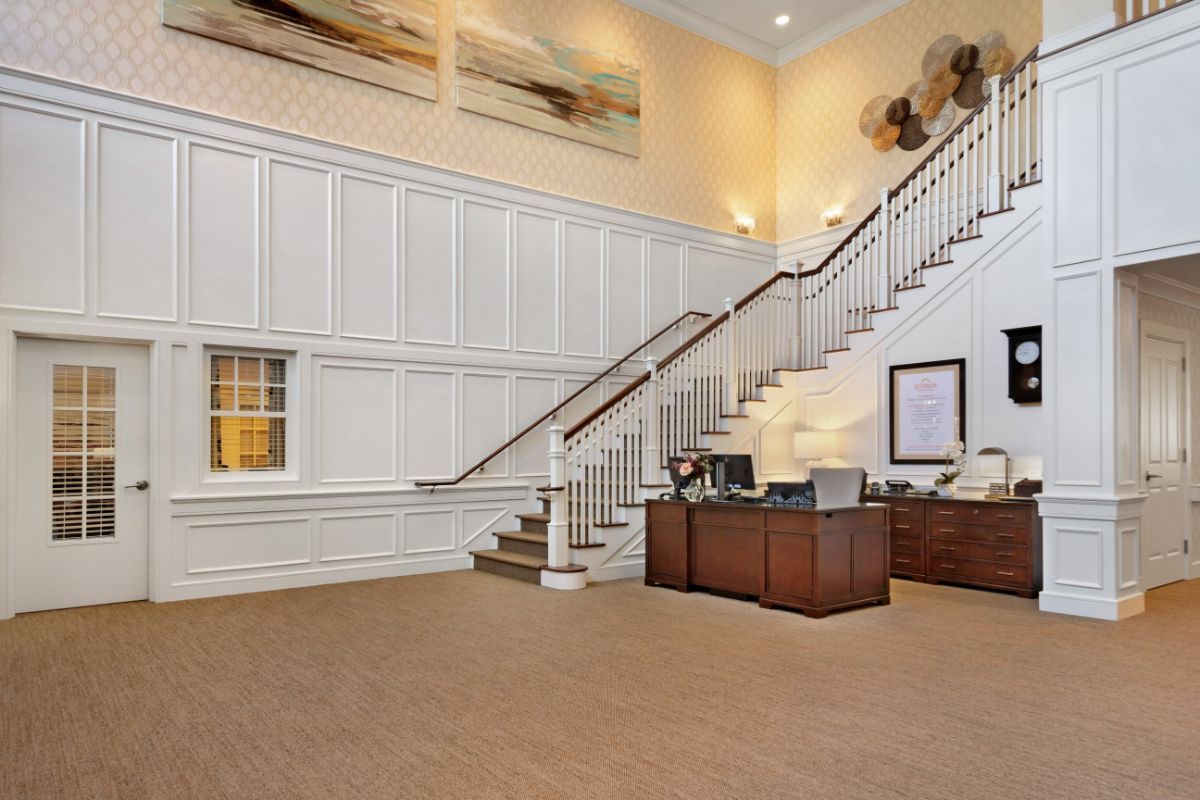
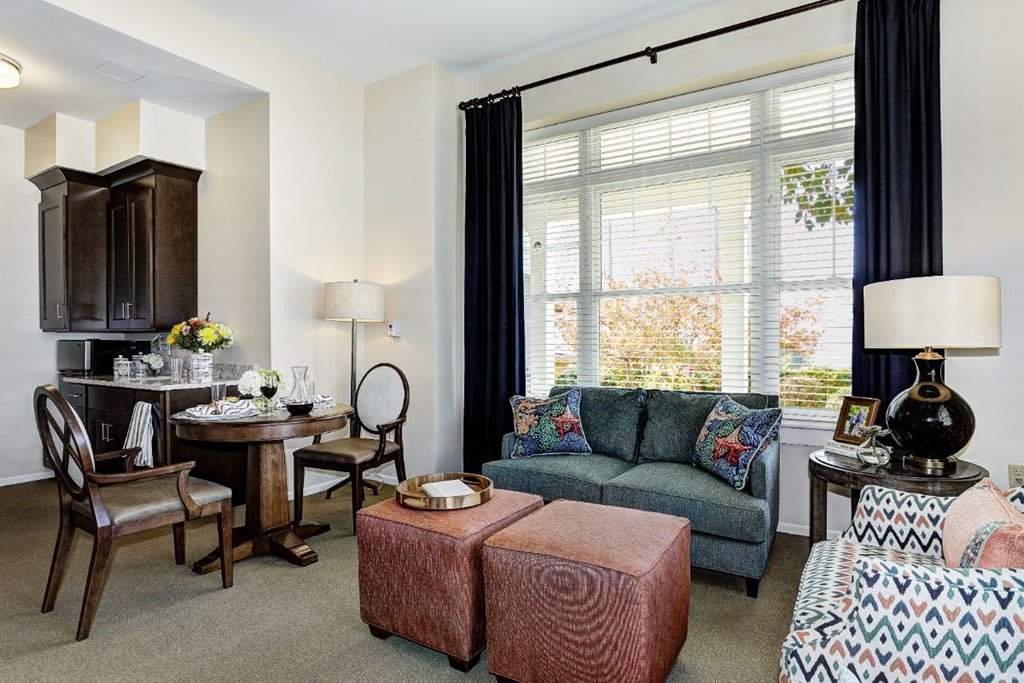
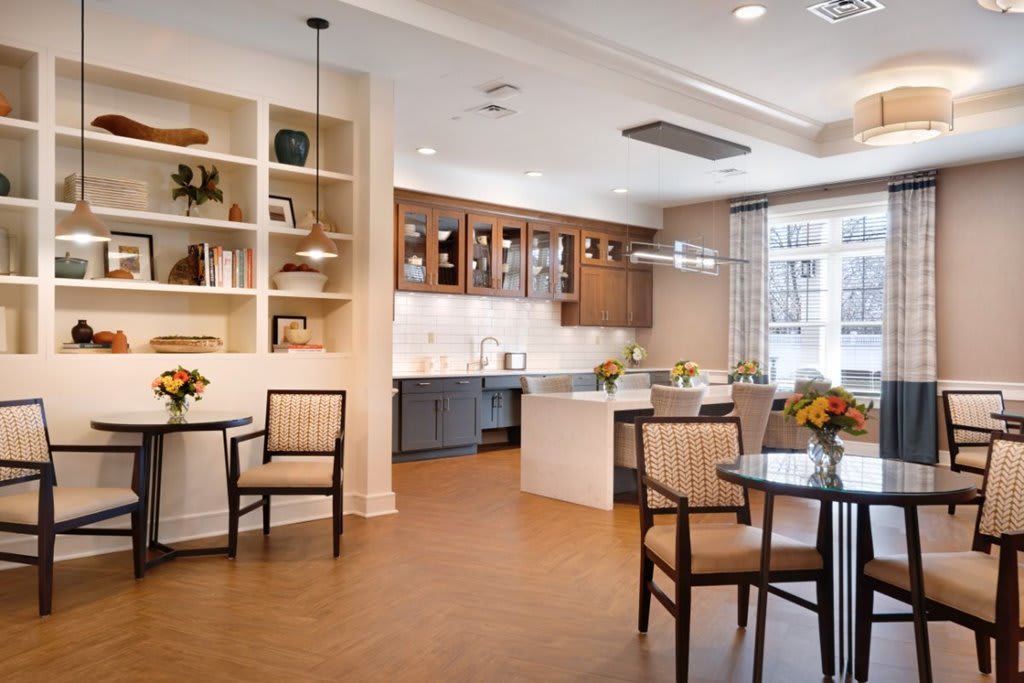
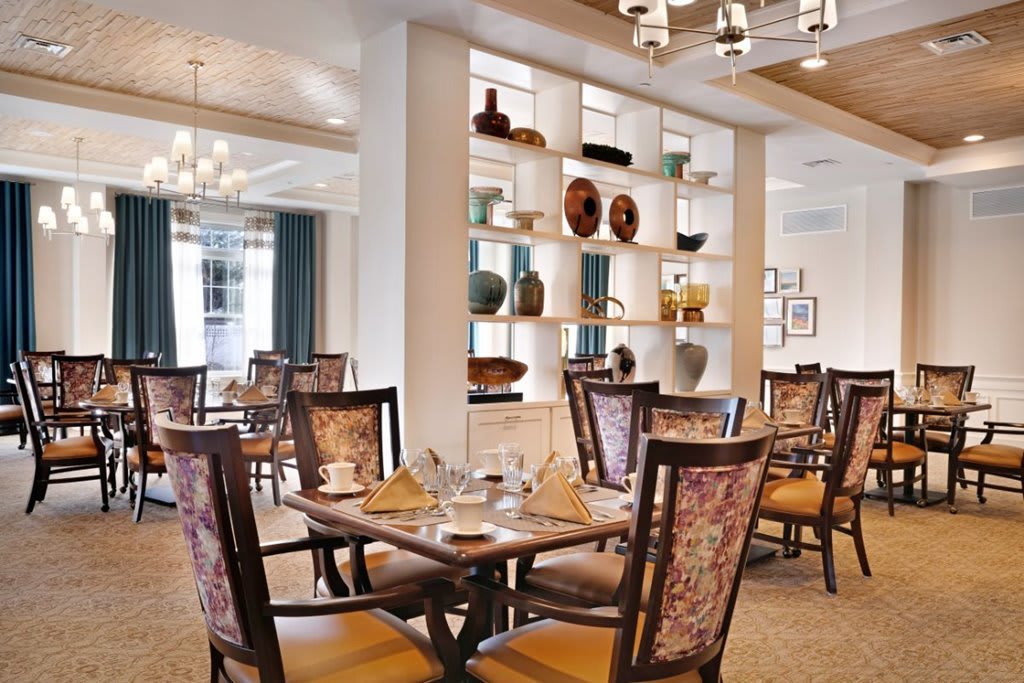
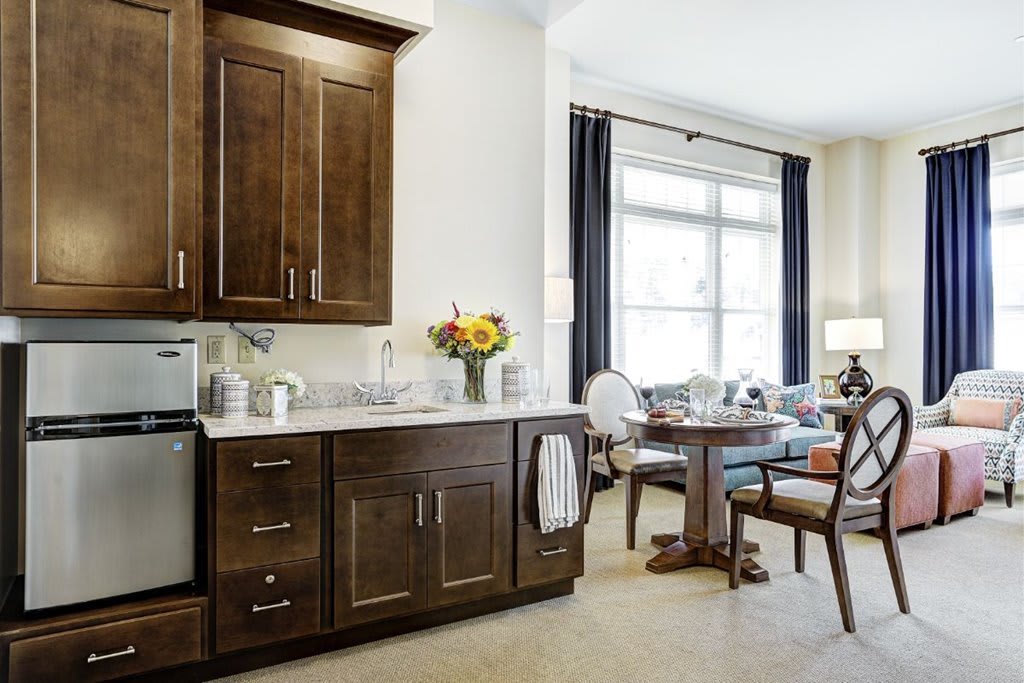
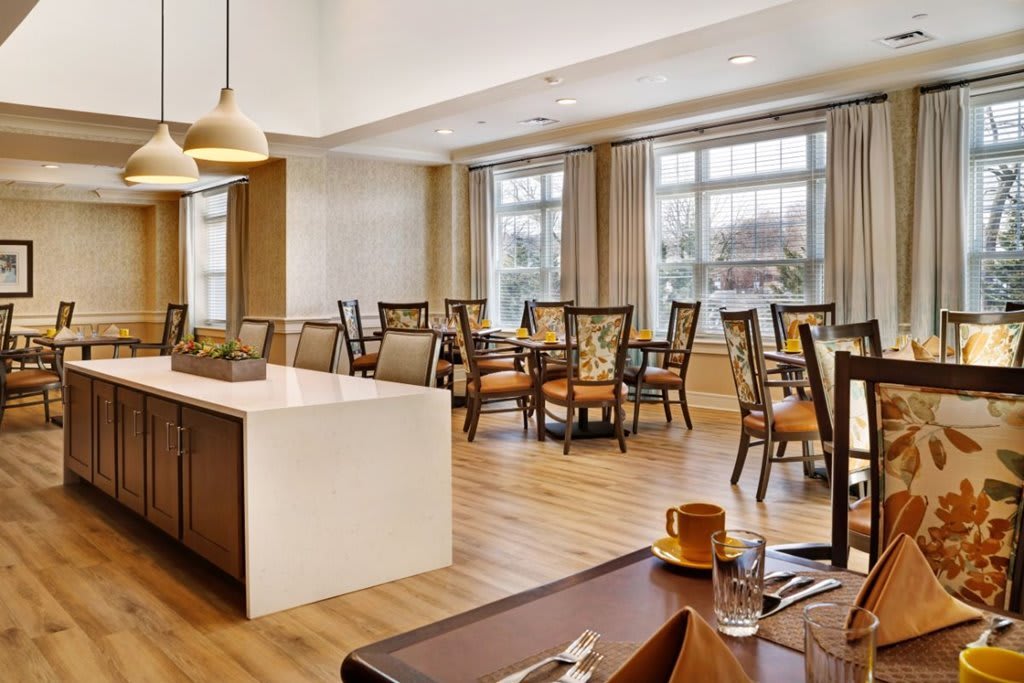
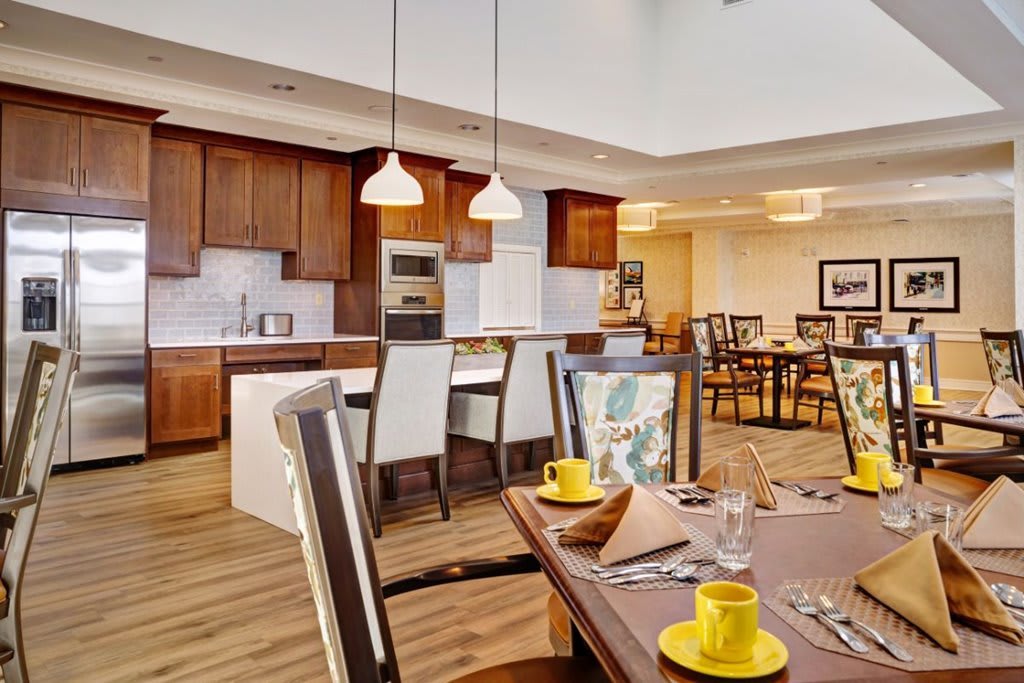
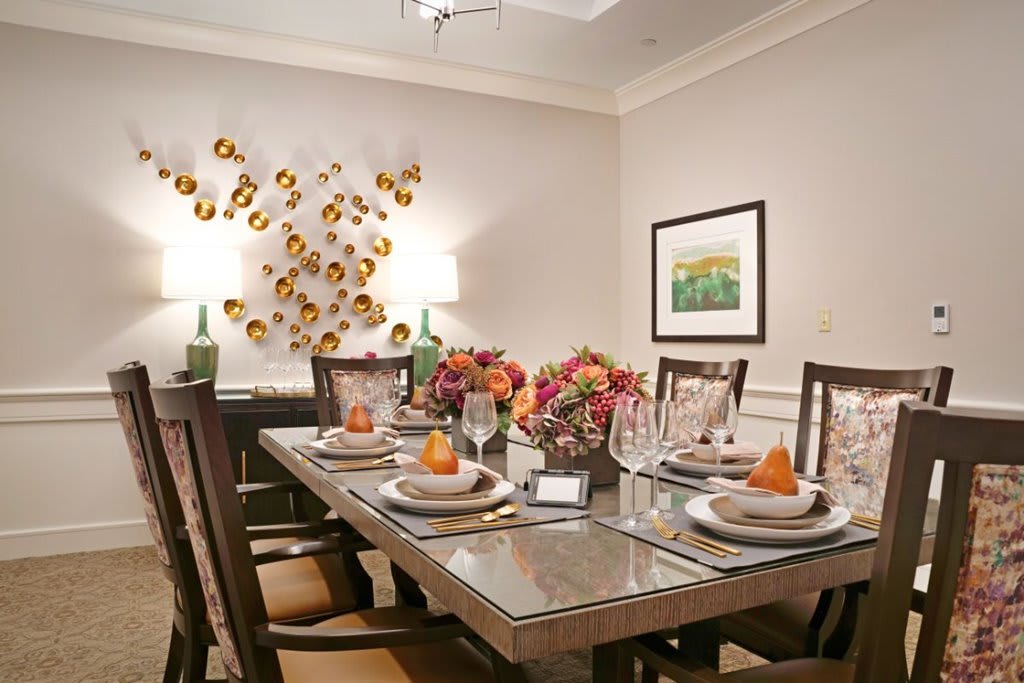
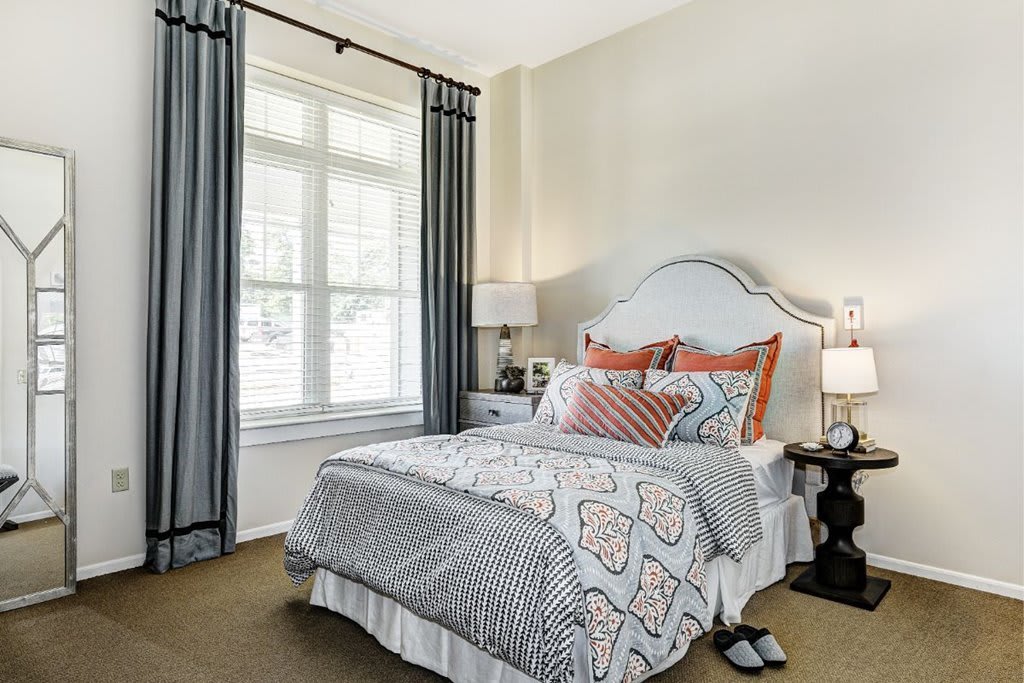
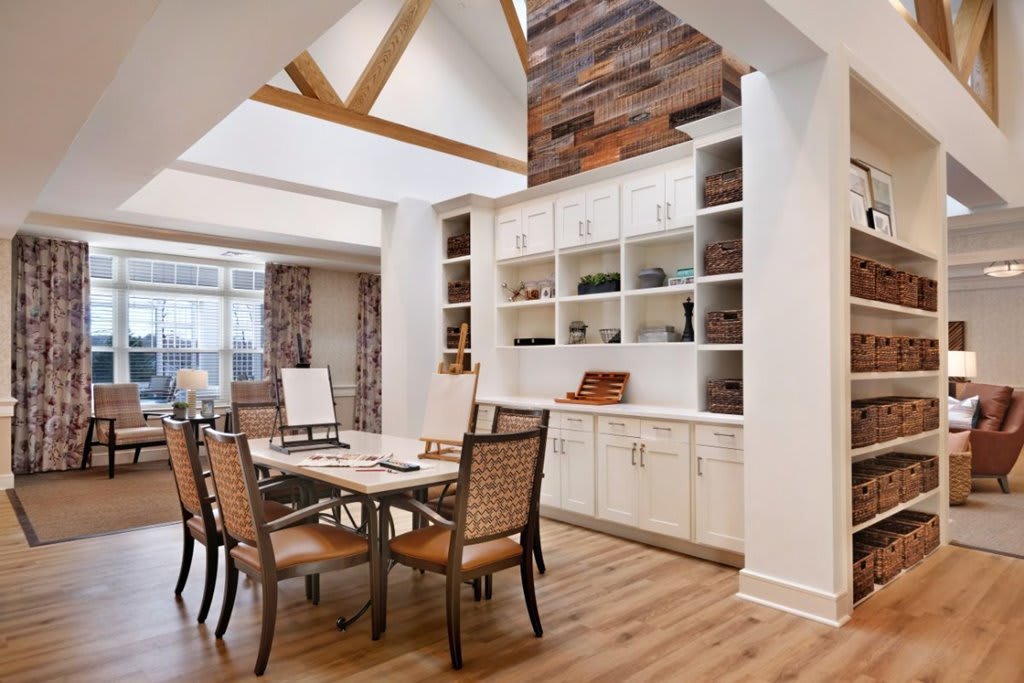
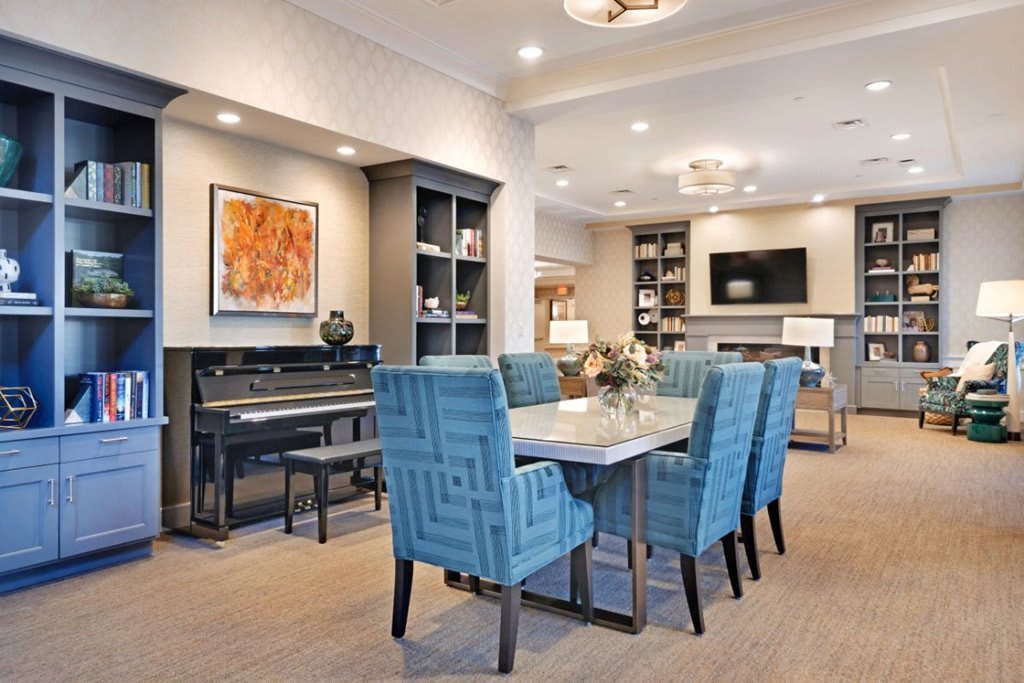
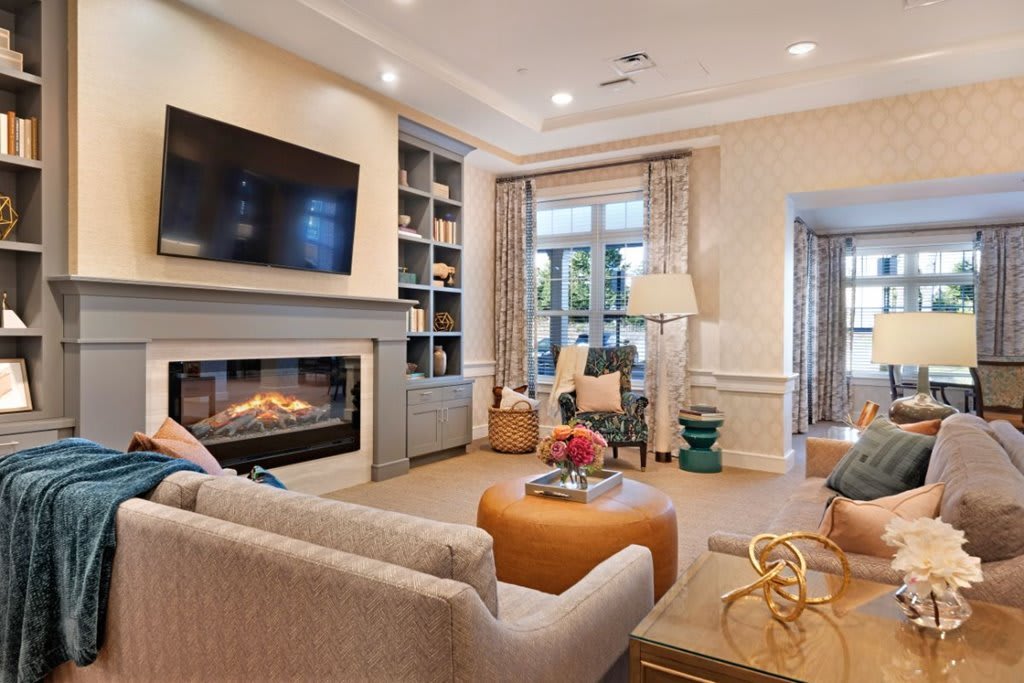
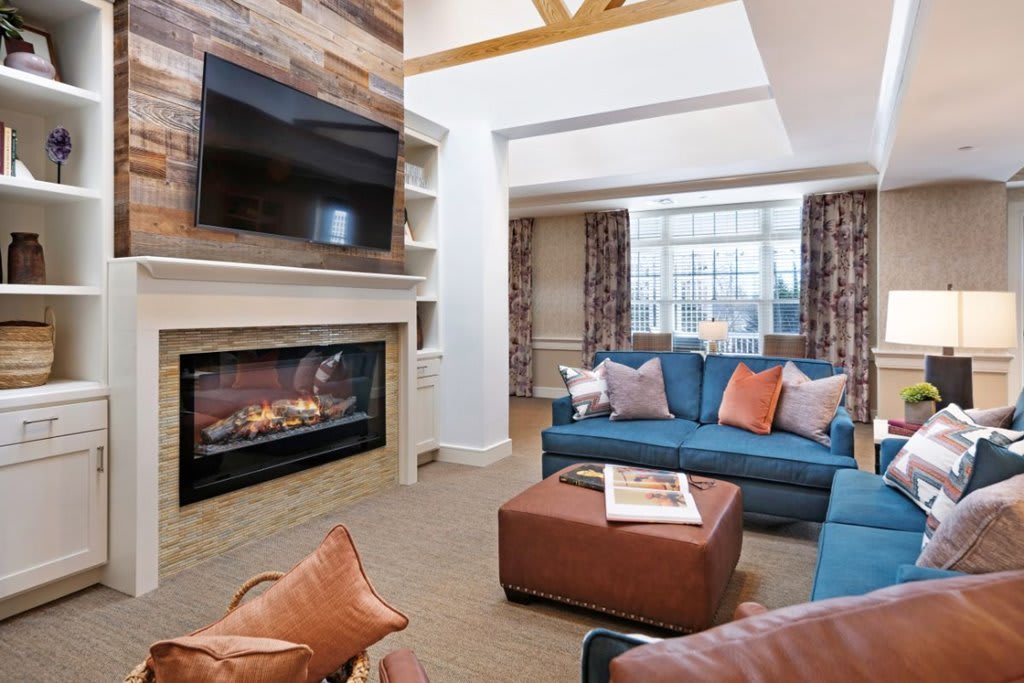
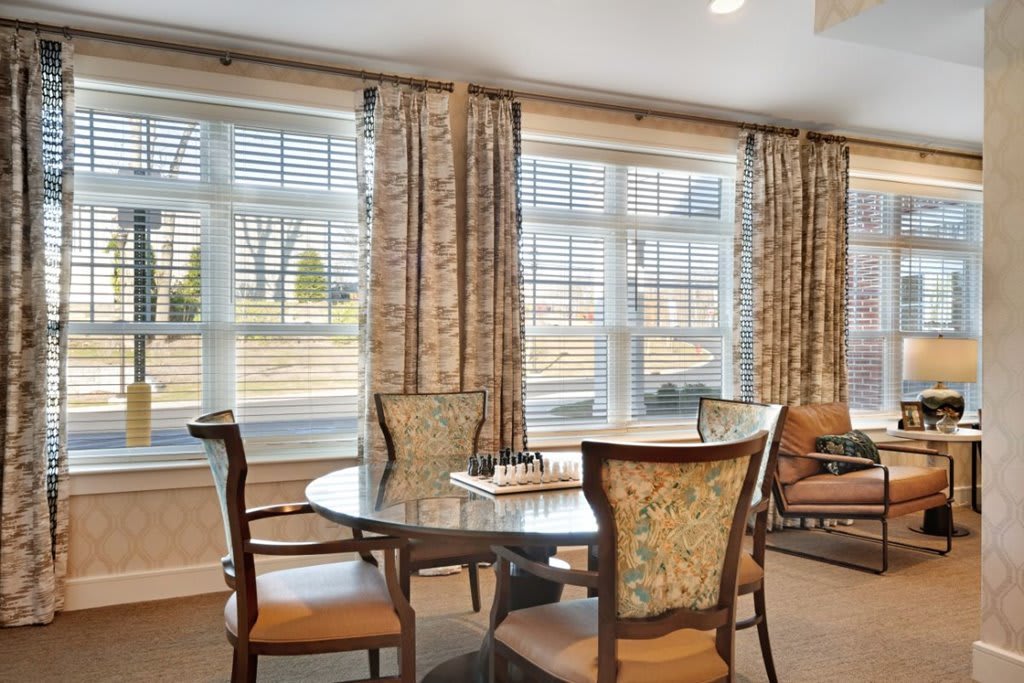
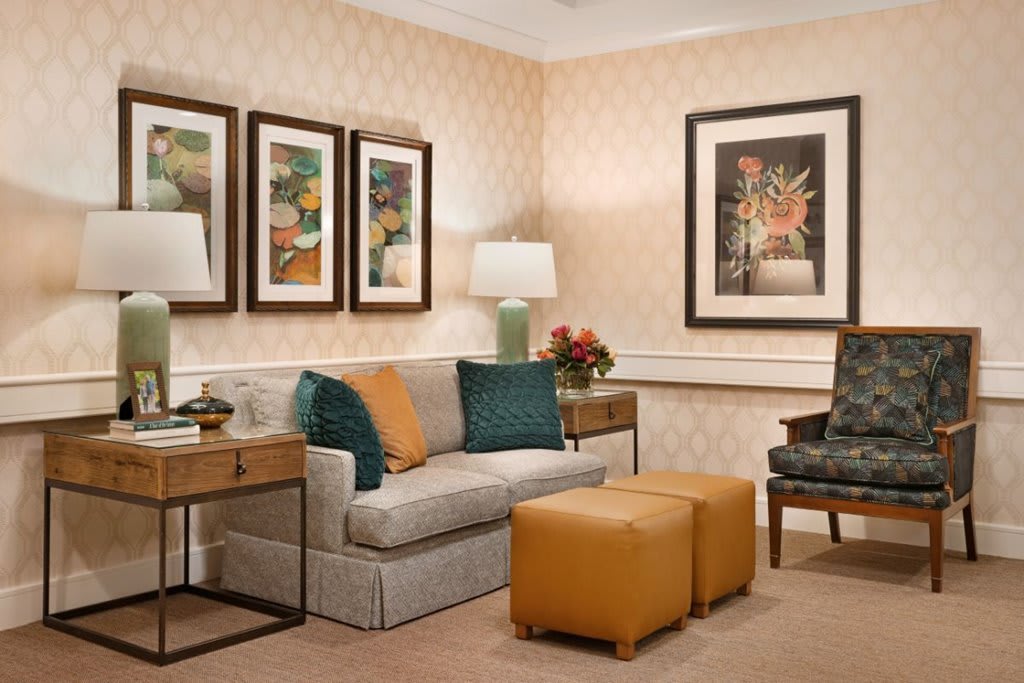
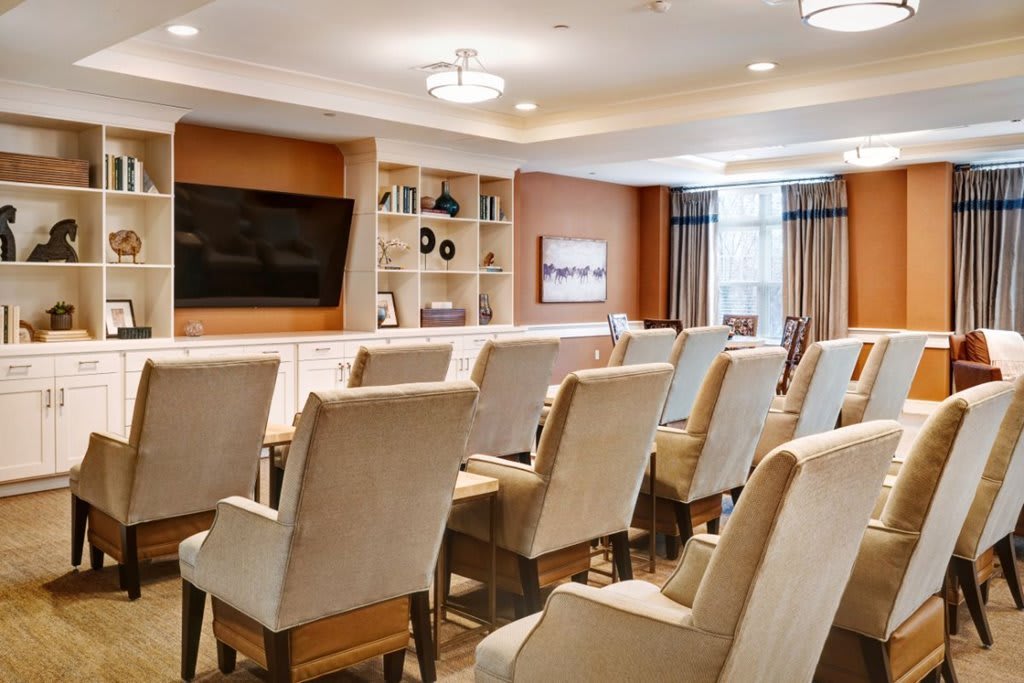
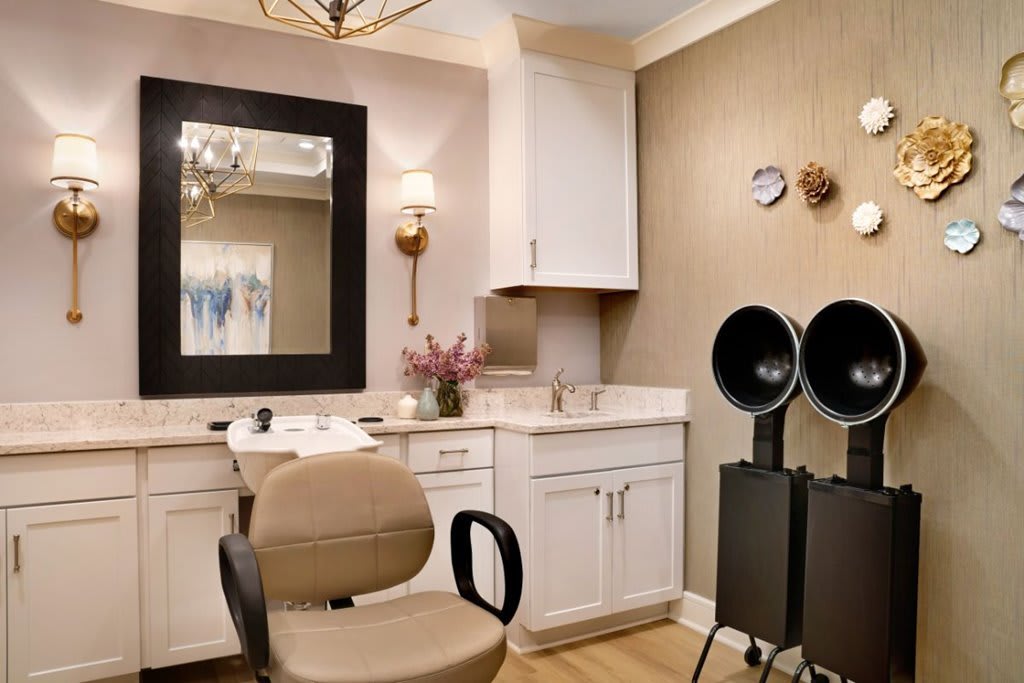
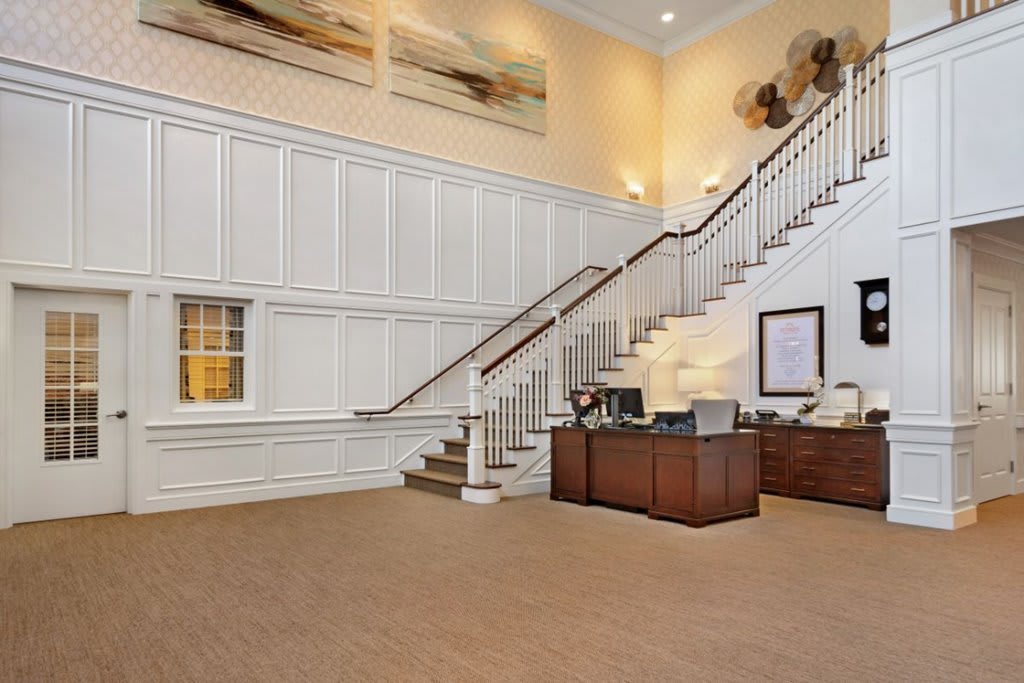
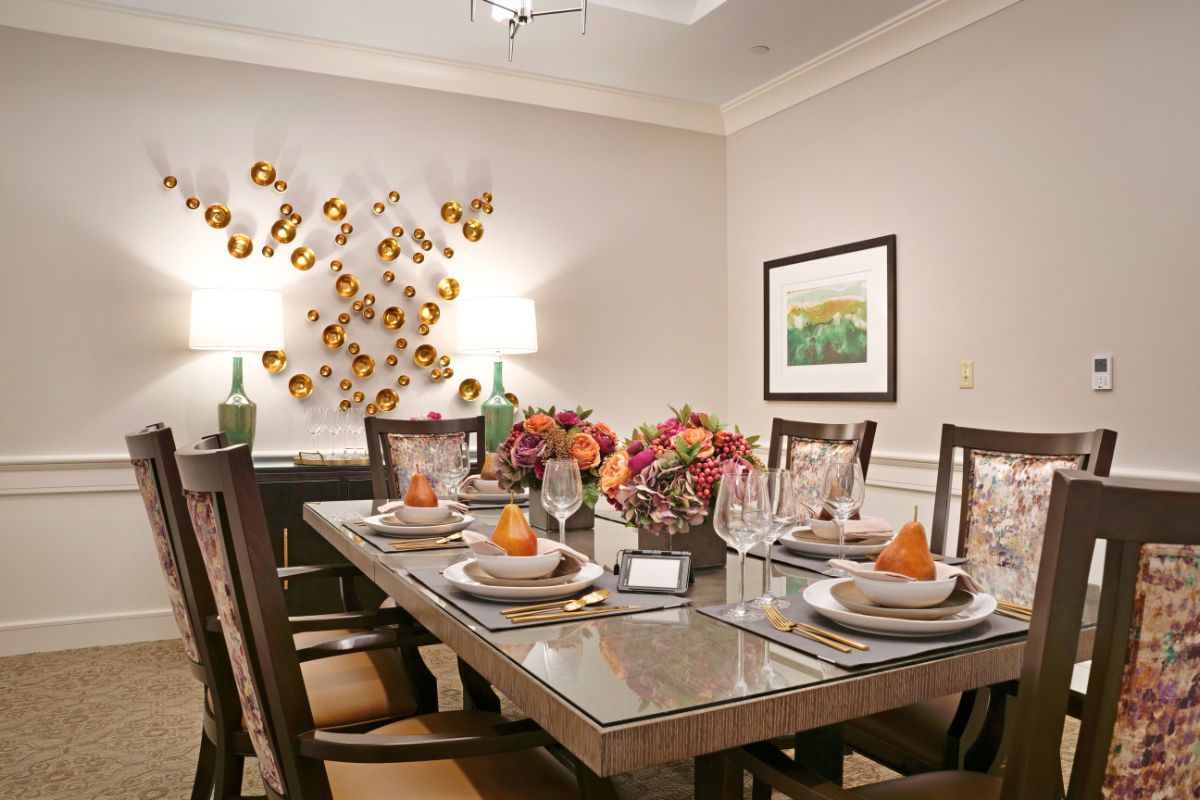
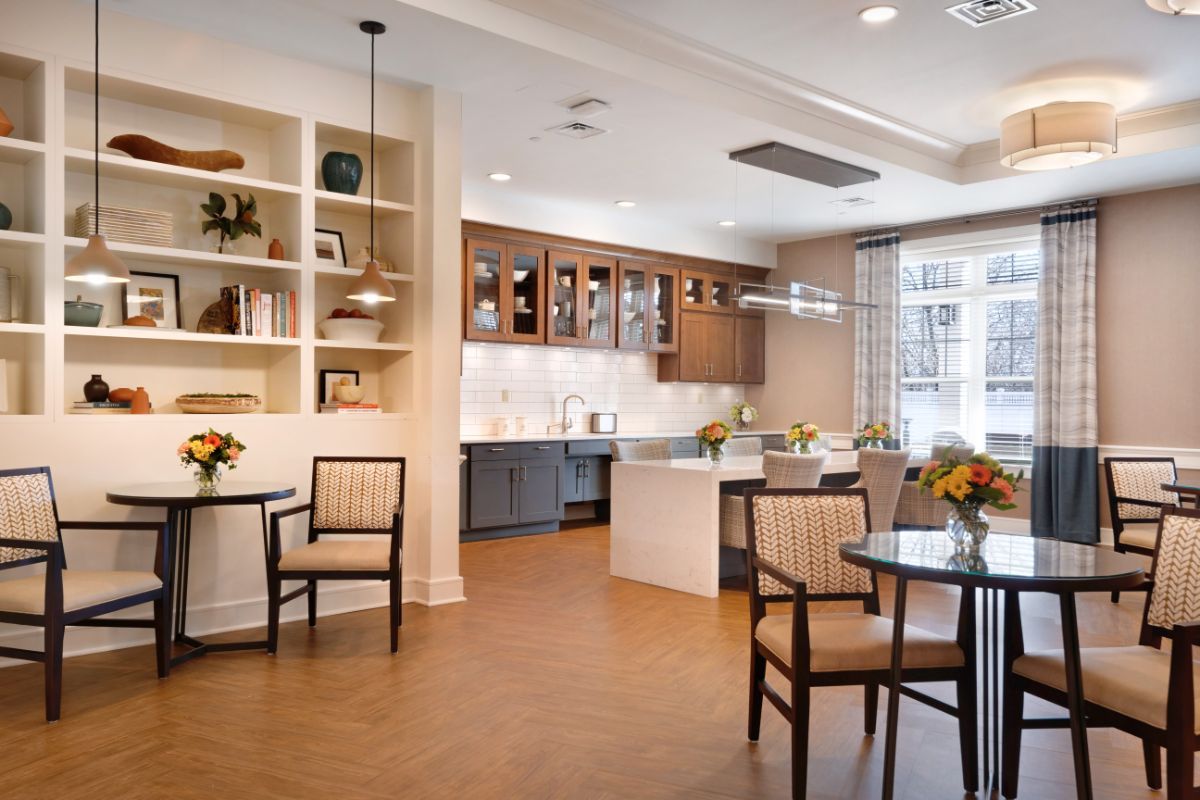
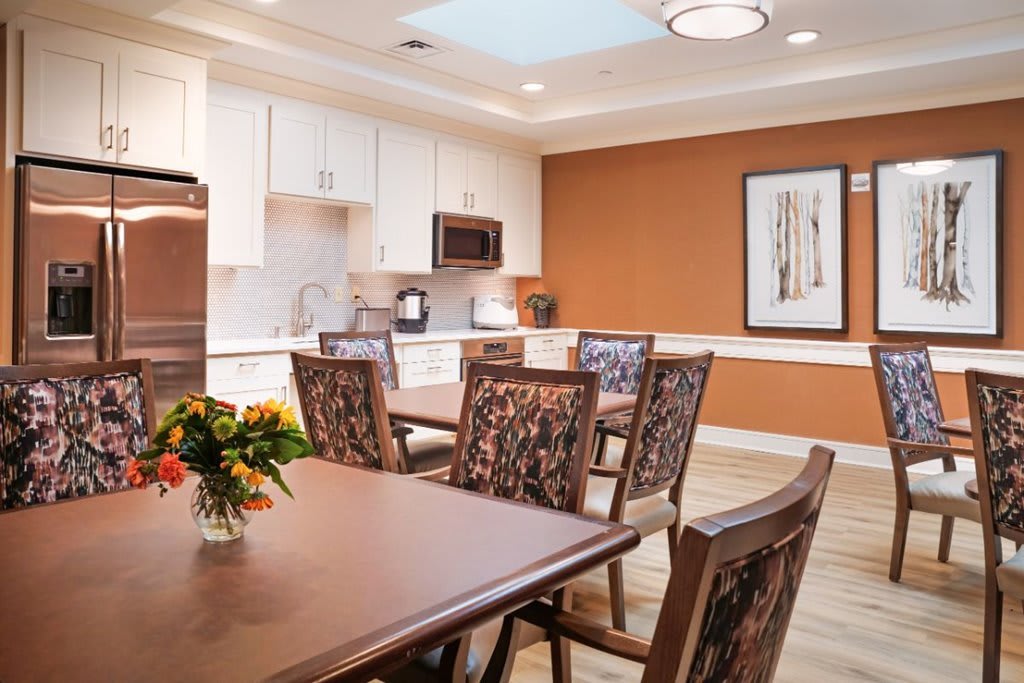
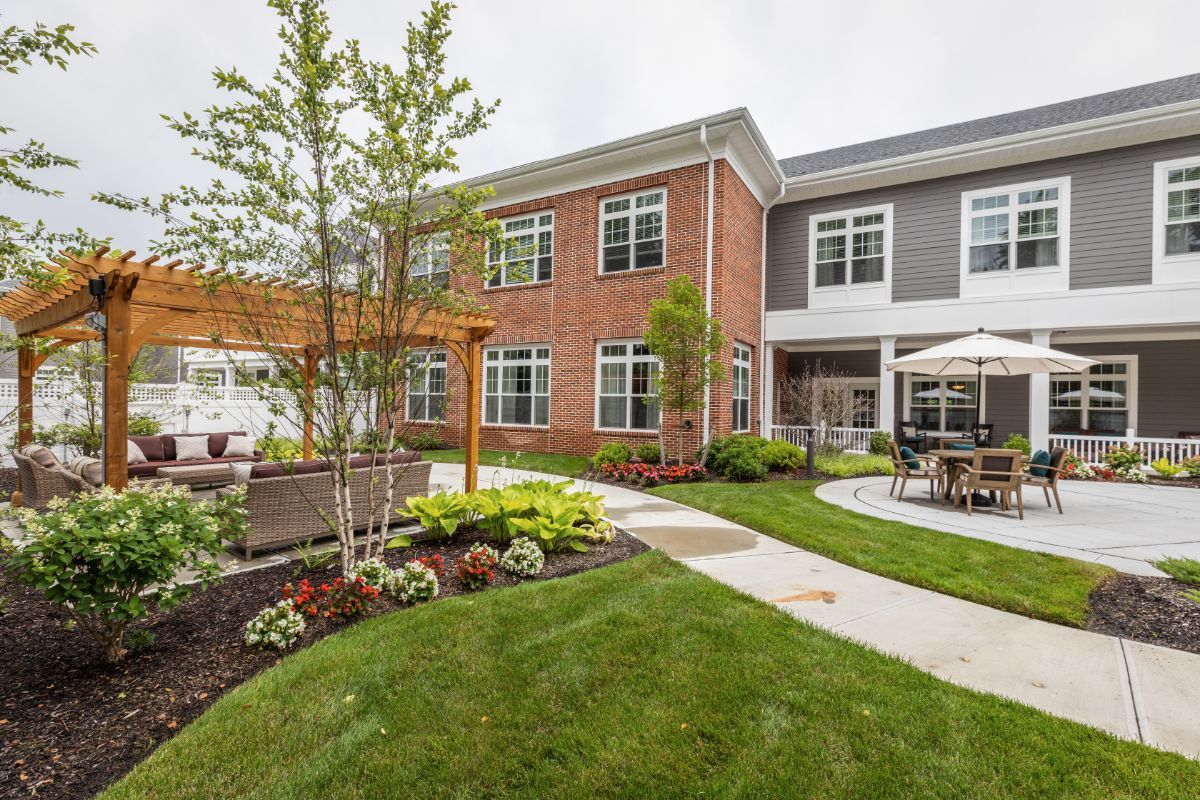
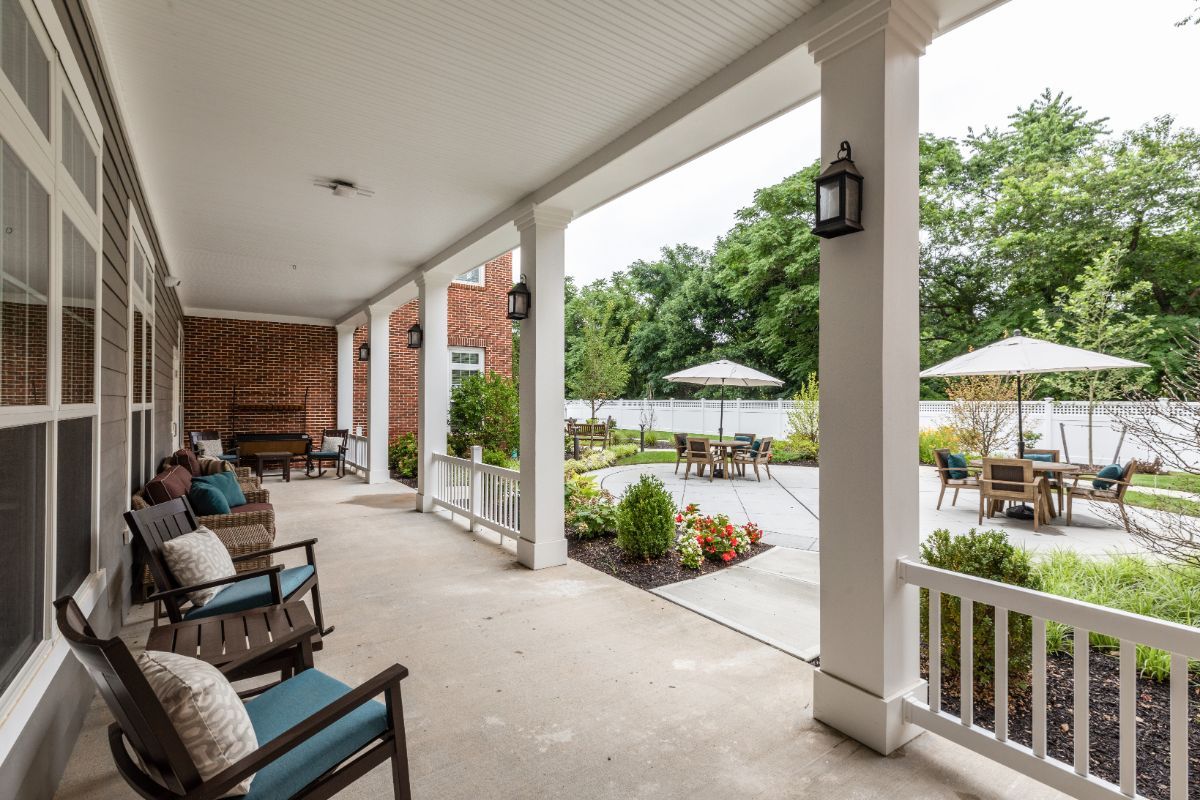
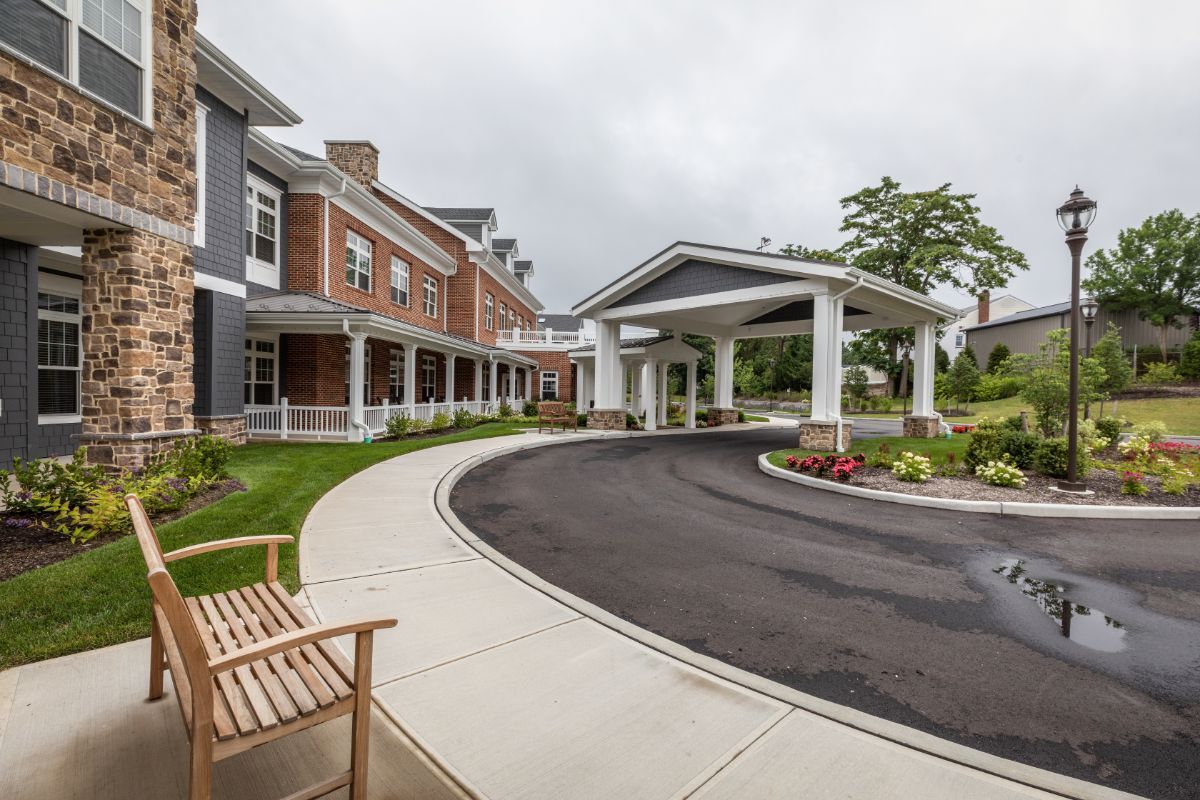
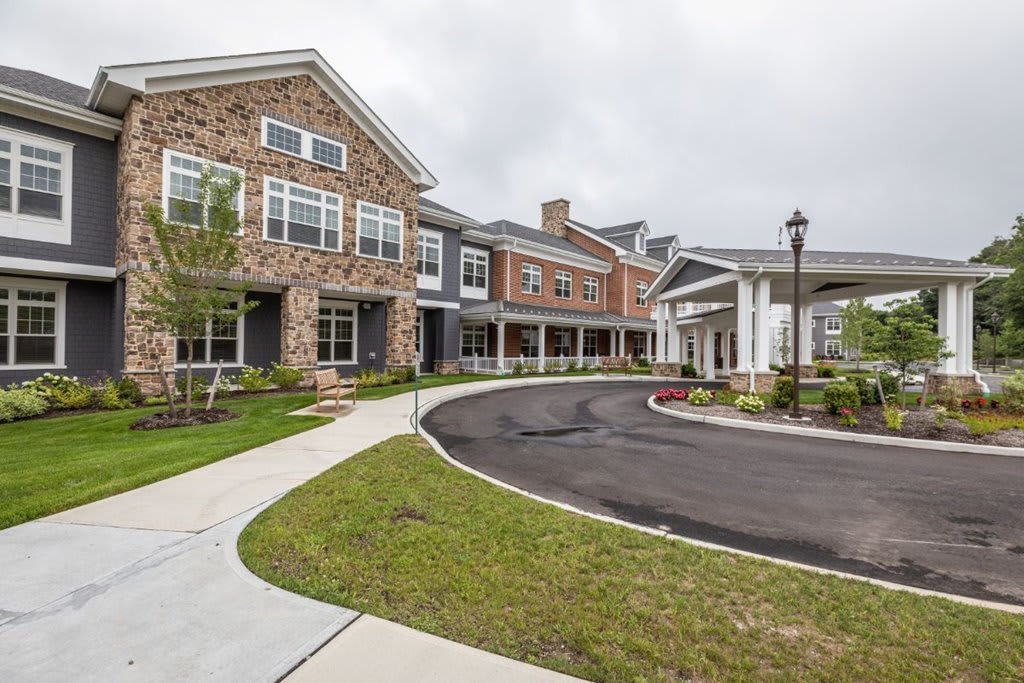
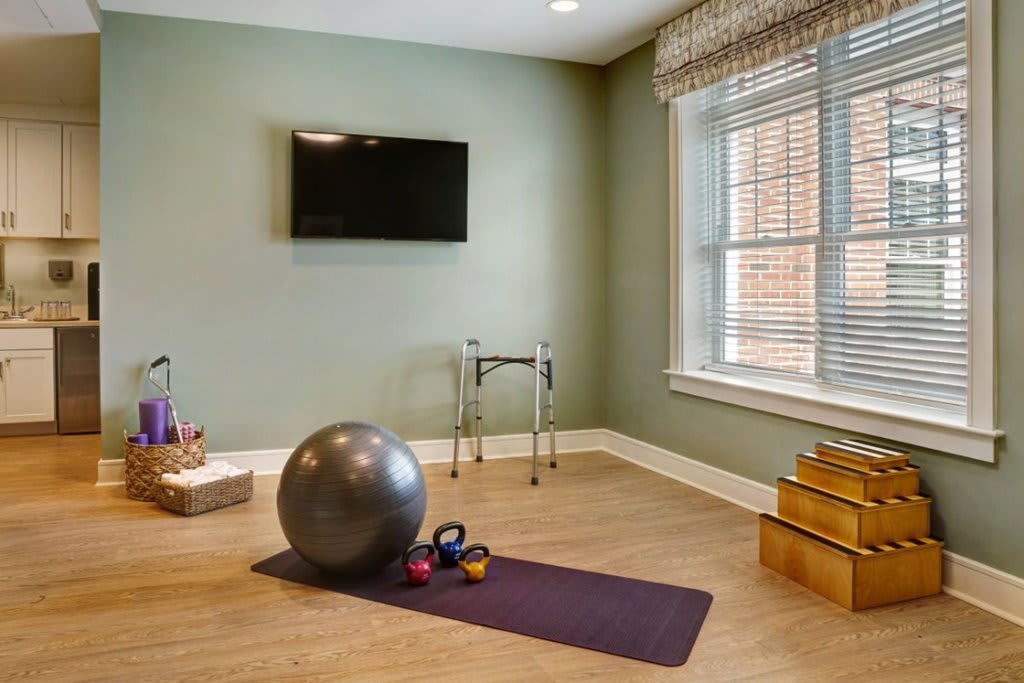
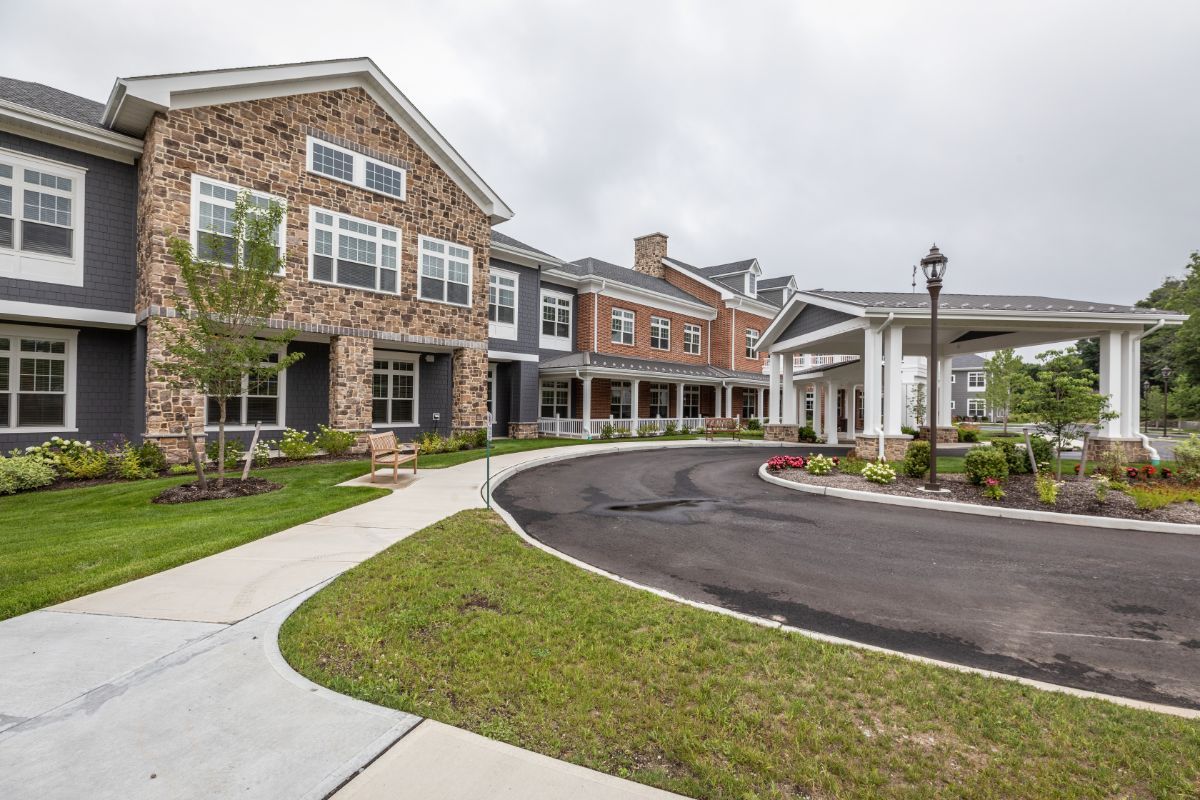
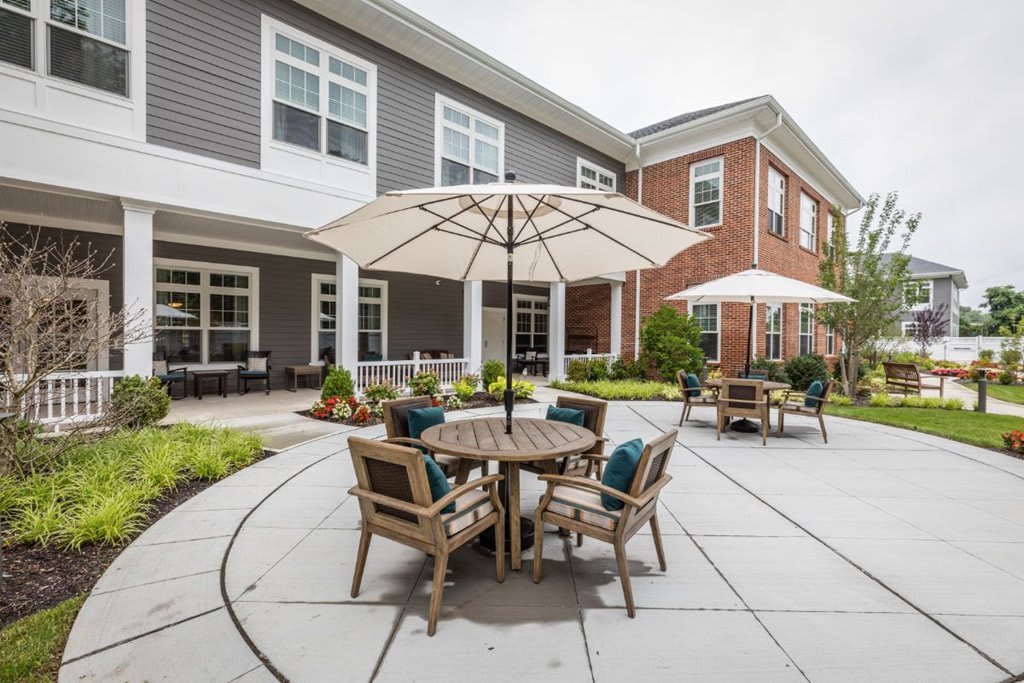
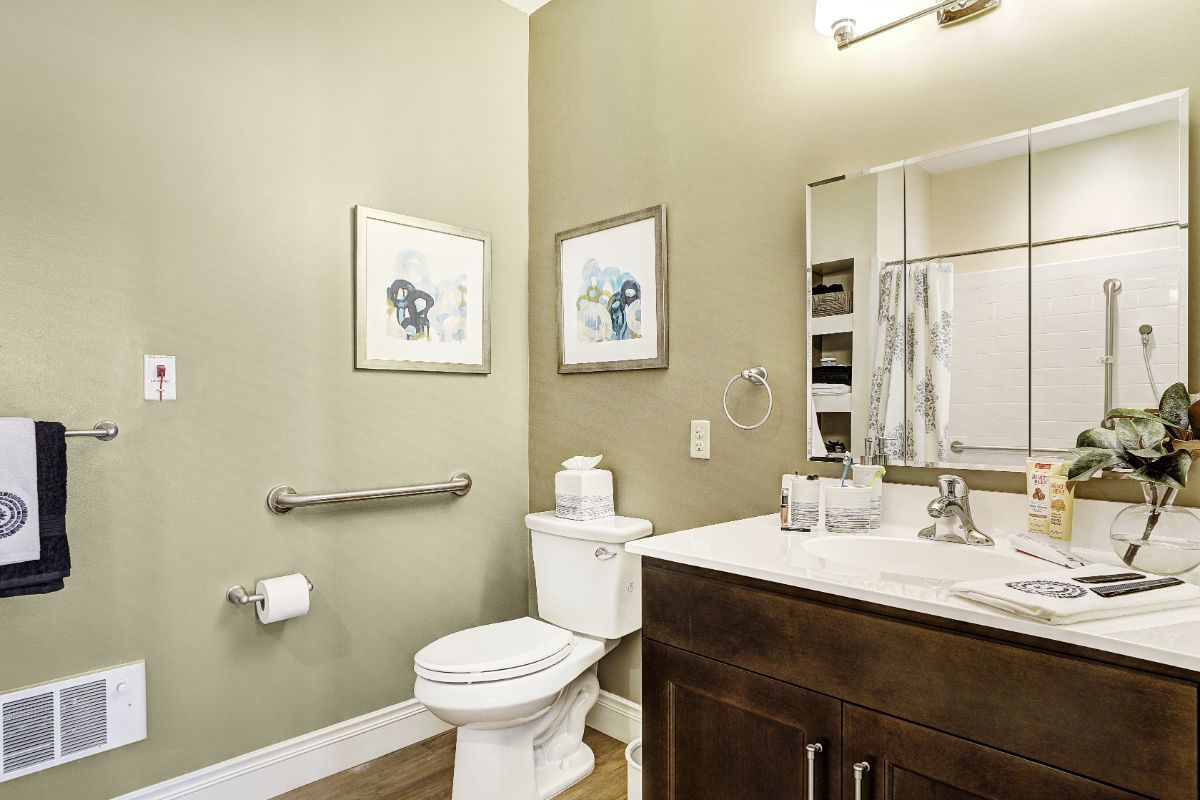
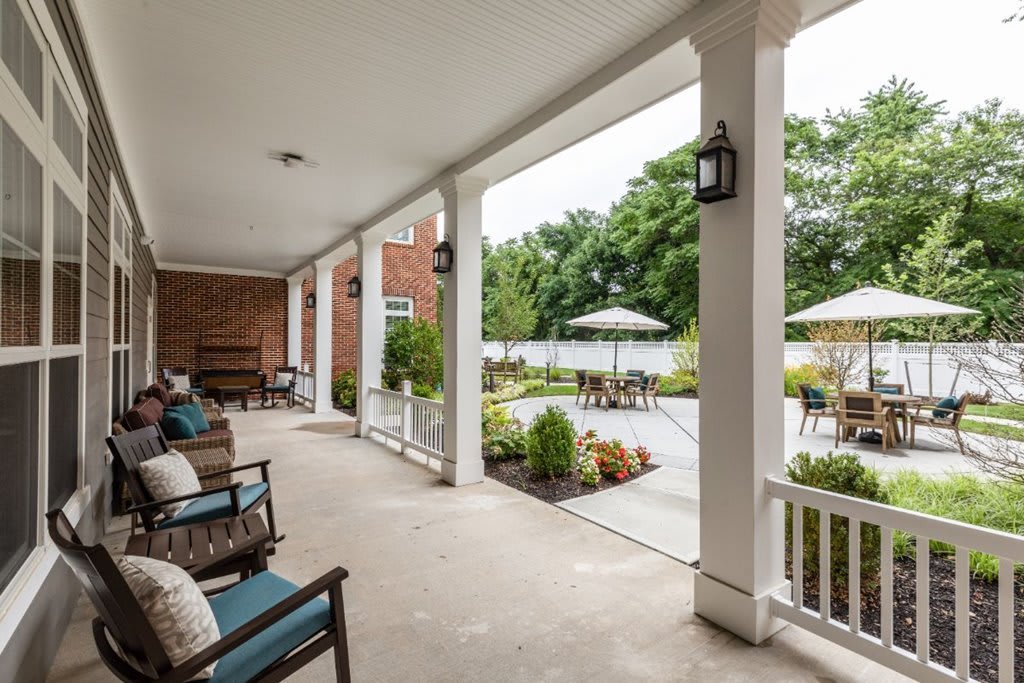
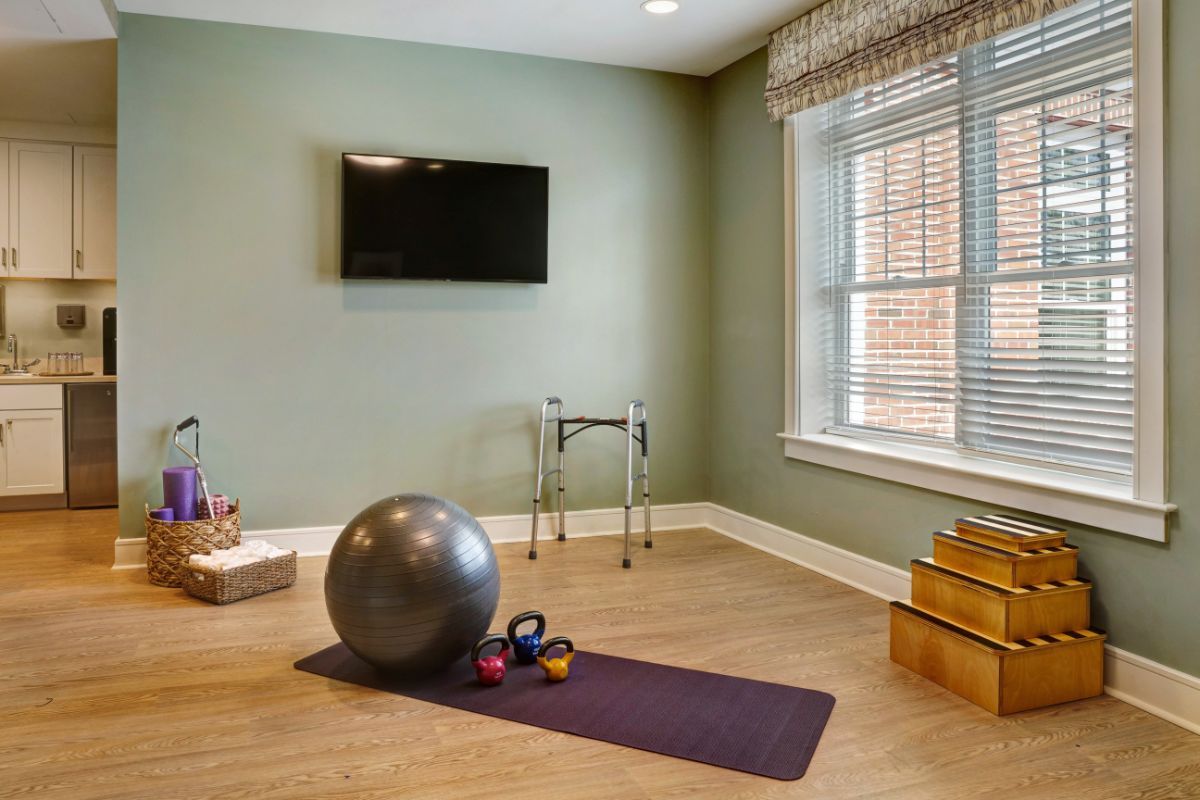
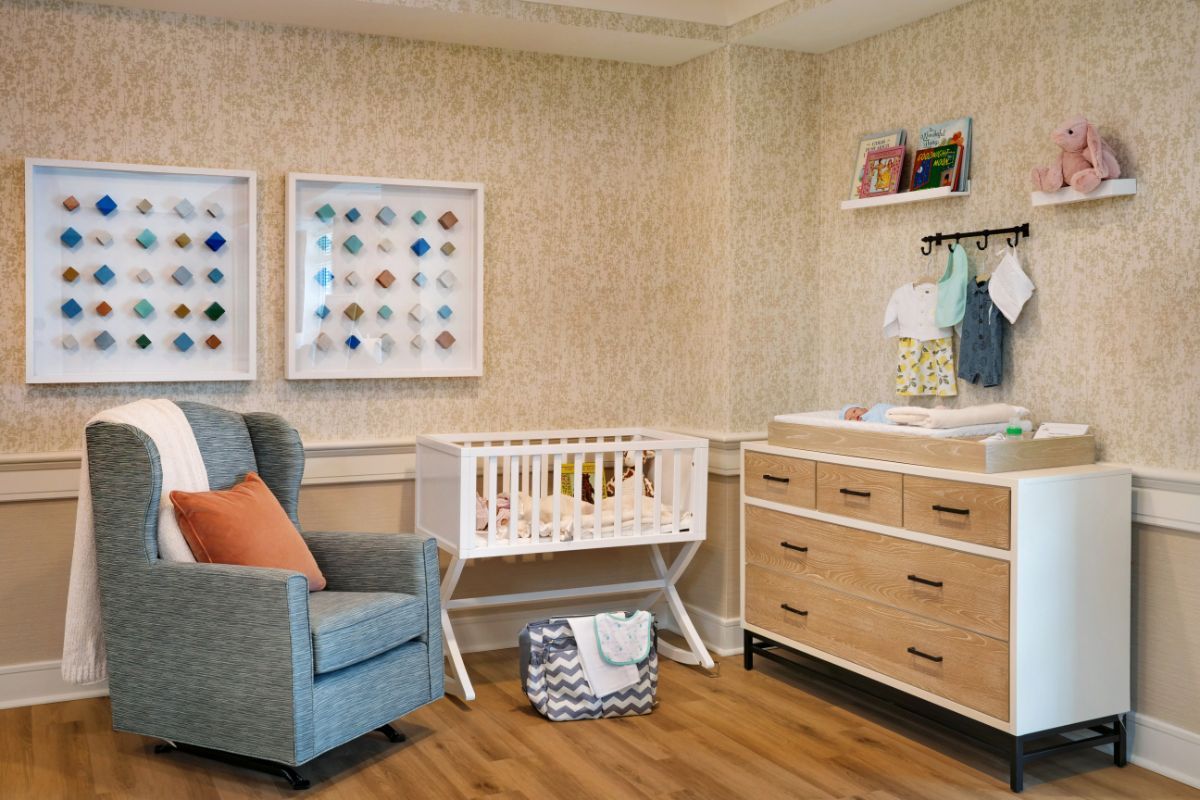
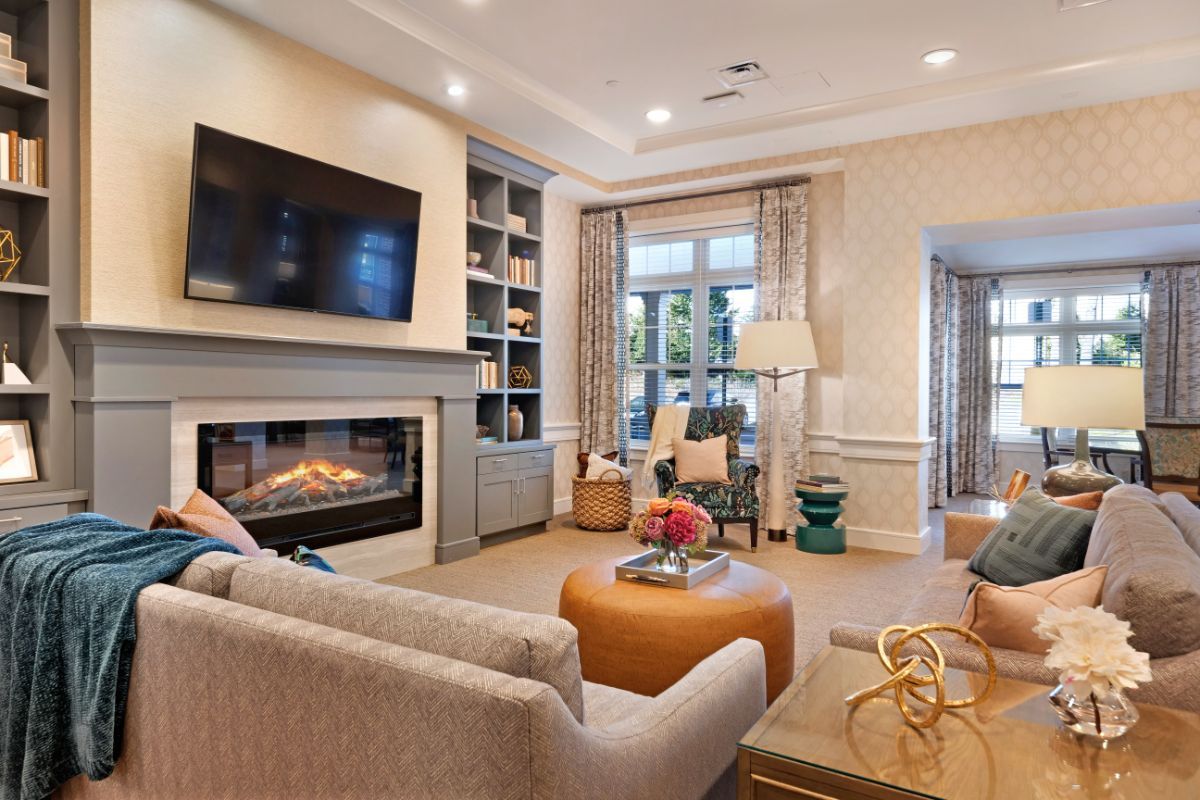
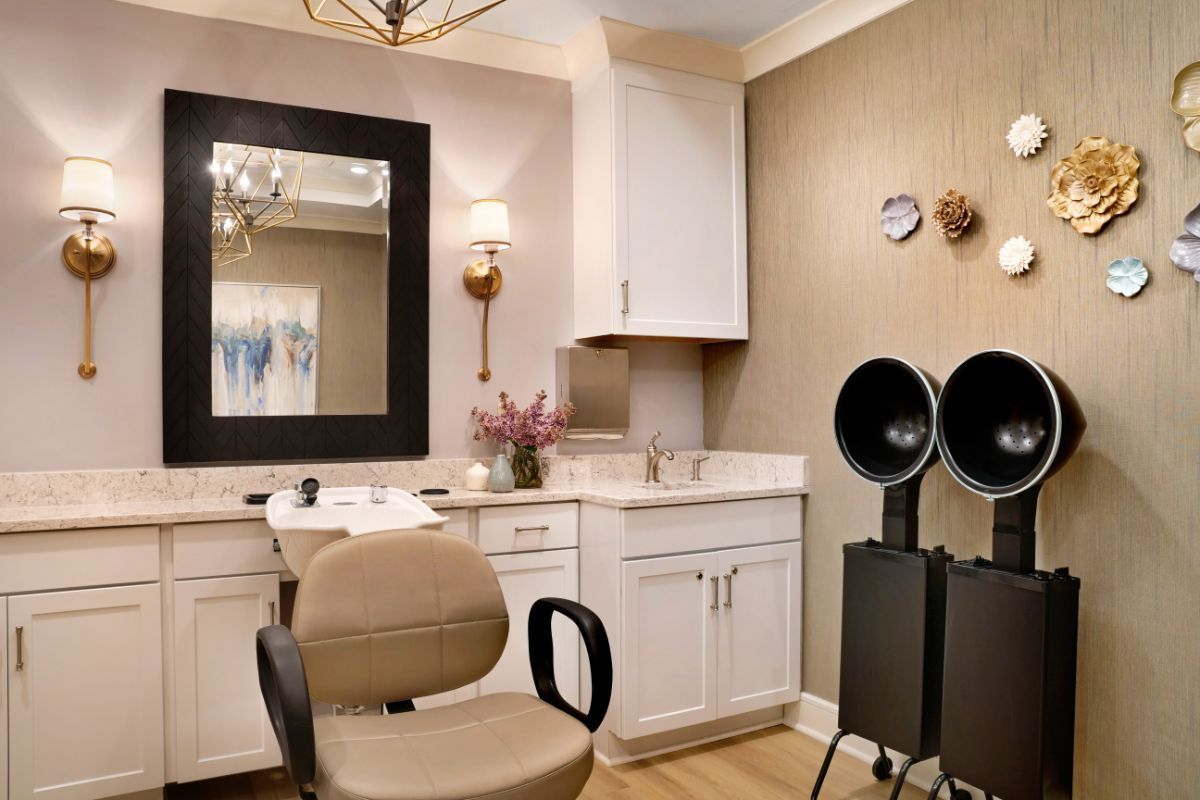
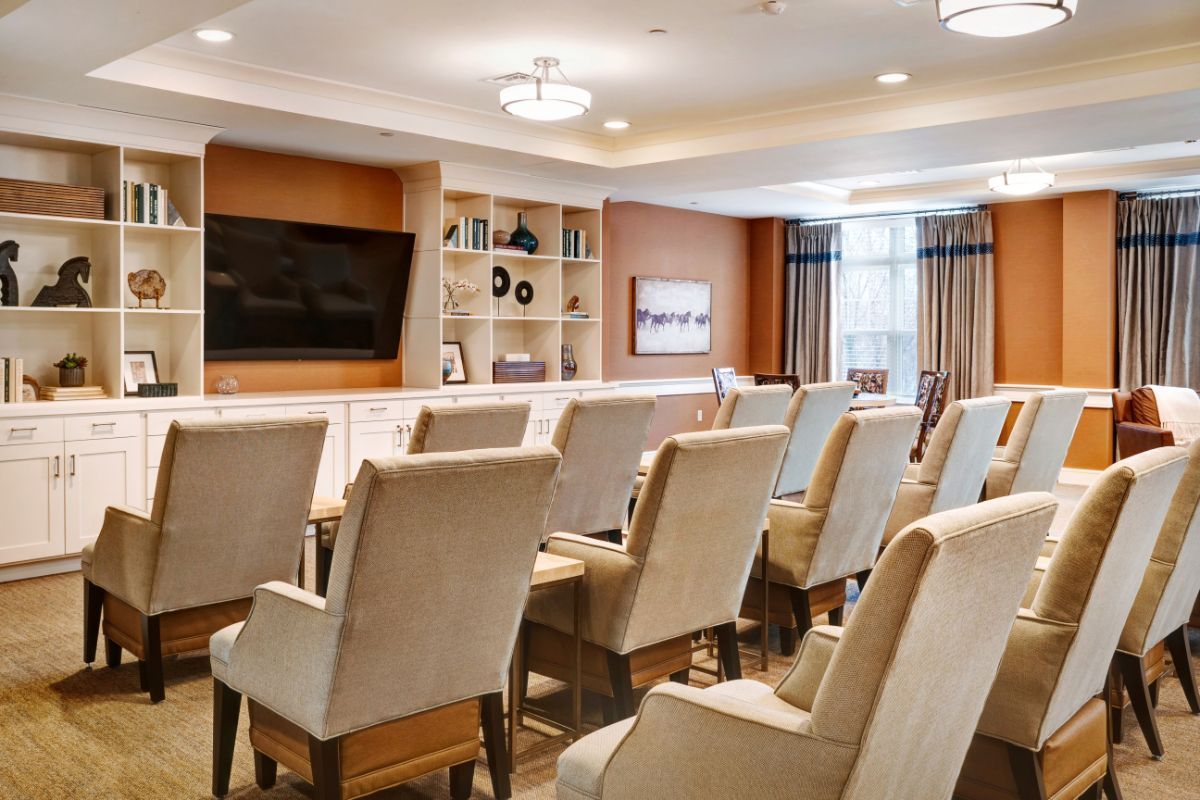
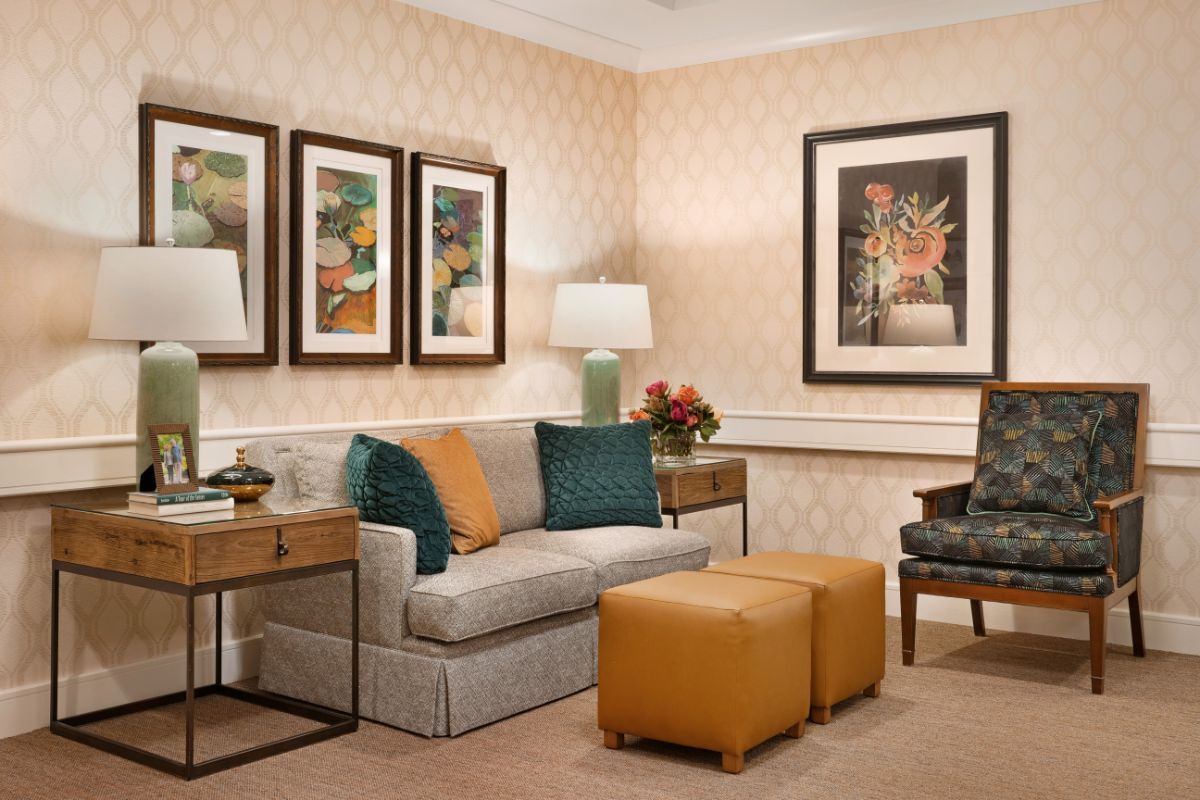
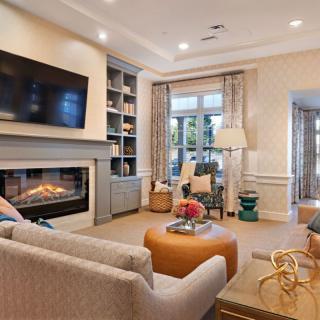
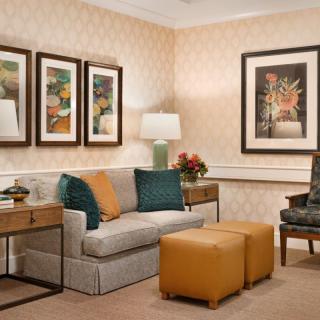
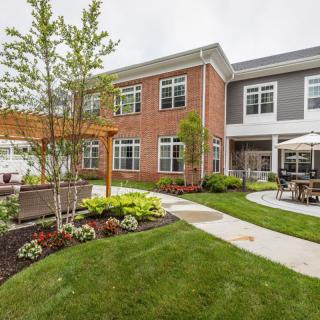
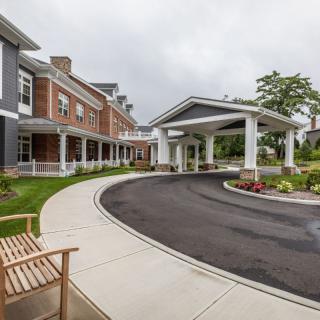
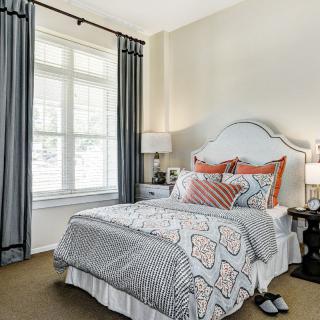
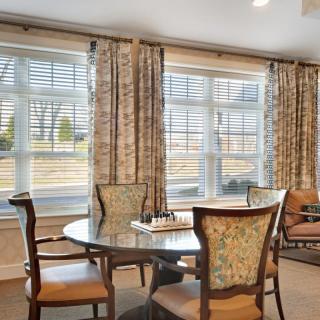
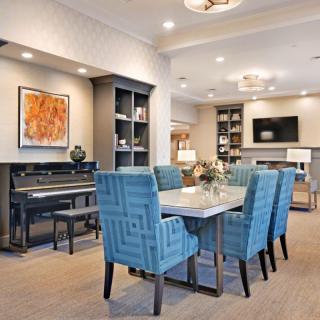
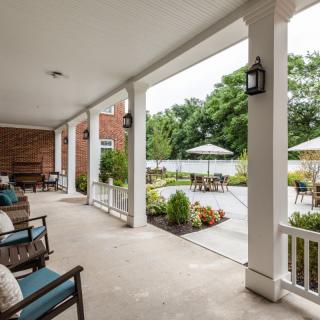
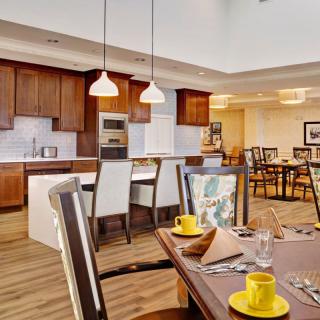
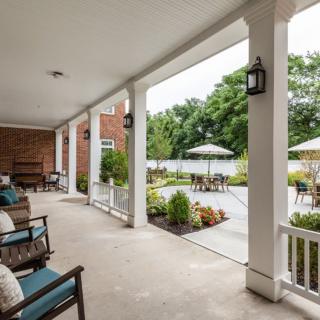
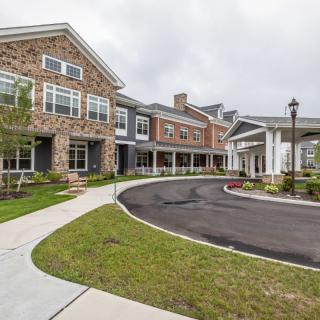
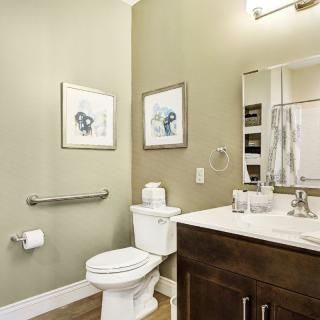
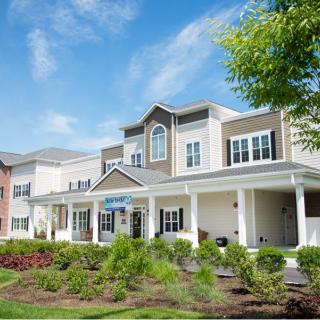
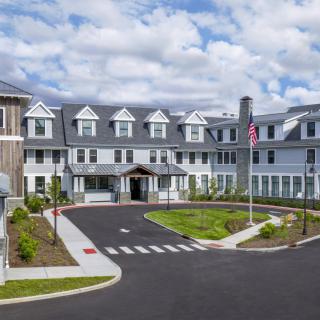
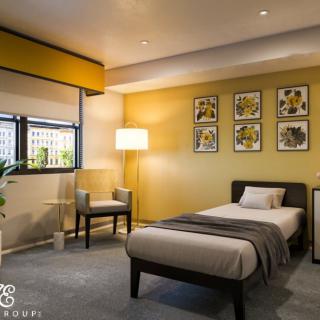
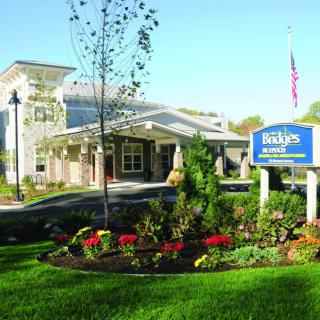
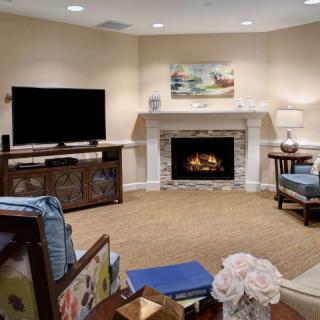
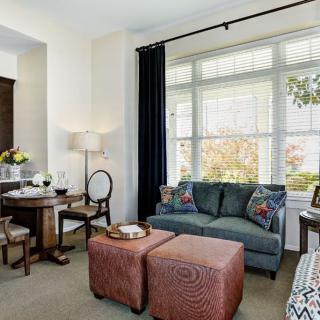
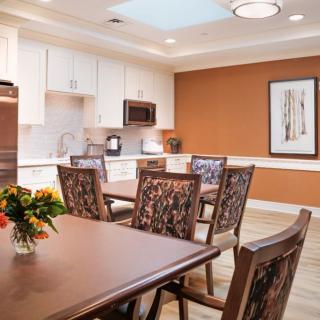
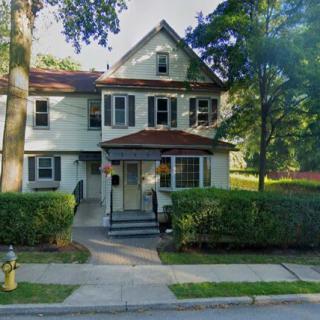
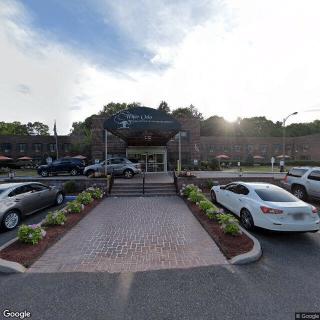
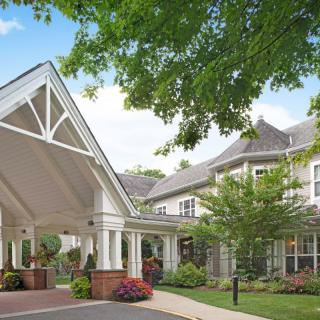
Sunrise of Huntington on seniors.fyi includes 59 photos including images showing interior, decor, dining, floor plan, windows, television, living room, bedroom, and more.
Nearby Communities
Star Multi Care
Huntington Station, NY
Extensive nearby amenities: dining, transport, healthcare, parks, pharmacies, and a hospital.
Apex Rehabilitation and Care Center
Huntington Station, NY
3.6 from 117 reviews
Robust 24/7 nursing care with extensive on-site amenities.
Manorhaven Adult Home
Huntington Station, NY
3 from 1 review
$1,500 to $2,200 / month
Clean and well-maintained with a peaceful, uncrowded environment.
Home Instead - Huntington Station, NY
Huntington Station, NY
4.9 from 61 reviews
Compassionate, proactive caregivers with strong family communication and reliable office support.
White Oaks Nursing Home
Woodbury, NY
4.3 from 130 reviews
$6,240 / month
Some staff show genuine care and dedication.
White Oaks Rehabilitation And Nursing Center
Woodbury, NY
4.4 from 104 reviews
Friendly, attentive staff in a very clean facility with prompt updates.
Brandywine Living At Huntington Terrace
Melville, NY
4.4 from 109 reviews
$4,867 to $6,753 / month
Caring, attentive staff in a clean, engaging community.
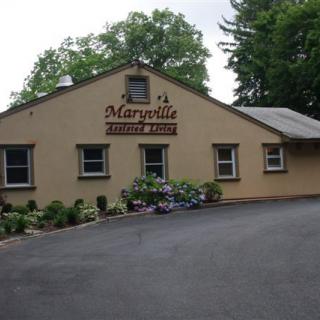
Maryville Enhanced Assisted Living
Huntington, NY
4.3 from 54 reviews
$6,250 to $6,500 / month
Warm, family-like atmosphere with attentive staff and clean, homey environment.
"Memory Care Pathways: A Holistic Guide to Dementia Support" outlines the complexities of dementia and its various types, emphasizing early detection, patient-centered care strategies, caregiver support, and long-term care options while addressing legal and financial considerations to enhance the quality of life for individuals with dementia and their families.
Sundown syndrome, or sundowning, is a phenomenon in dementia patients characterized by increased confusion and agitation during late afternoon and evening, influenced by factors like disrupted circadian rhythms and fatigue. Effective caregiver strategies include establishing routines and managing environmental light while addressing caregiver stress through support services.
Delirium is a rapidly onset, reversible cognitive disturbance often caused by acute medical issues, while dementia is a gradual and irreversible decline due to chronic neurodegenerative diseases. Accurate differentiation between the two is essential for appropriate treatment and management in older adults.
Get PricingAsk A QuestionSchedule A TourContact Senior Advisor
By clicking submit, you agree to our Partner's Terms of Use. You
also consent to receive calls and texts, which may be autodialed, from our Partner. Your consent is not a condition to
using our Partner's service. Please visit our Partner's Privacy Policy for information about their privacy practices.




 110 resident community capacity
 1-bedroom apartments
 Assisted Living
 Memory Care
 Cats allowed
 Dogs allowed
 Activities off-site
 Air-conditioning
 Bath tubs
 Beautician on-site
 Cable or satellite TV
 Cafe
Cafe Computer center
 Devotional services off-site
 Dining room
 Financing advice
 Fitness room
 Fully furnished
 Gaming room
 Garden
 Ground floor units
 Handicap accessible
 Housekeeping services
 Indoor common areas
 Kitchenette
 Move-in coordination
 Outdoor common areas
 Party space
 Private bathrooms
 Resident parking
 Respite or short term stays offered
 Restaurant-style dining
 Small library
 Telephone
 Wellness center
 Wheelchair accessible showers
 Wi-Fi/high-speed internet available
 Long Island - MacArthur (17 miles away)
 Community operated transportation
 12-16 hour nursing
 24-hour call system
 Assistance with bathing
 Assistance with dressing
 Assistance with transfers
 Diabetes diet
 Diabetic care
 High acuity care
 Hospice care
 Incontinence care
 Medication management
 Mental wellness program
 Physical therapy
 Special dietary restrictions
 Transportation arrangement (medical)
 Art classes
 Brain fitness
 Concierge services
 Cooking club
 Day trips and outings
 Educational speakers / life long learning
 Games
Games Live dance or theater performances
 Live musical performances
 Extensive nearby amenities: dining, transport, healthcare, parks, pharmacies, and a hospital.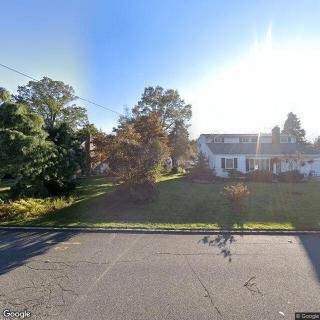

 Memory Care Pathways: A Holistic Guide to Dementia Support
 Comprehending Evening Confusion in Dementia: Causes, Manifestations, and Support
 Delirium and Dementia: Unraveling the Key Differences